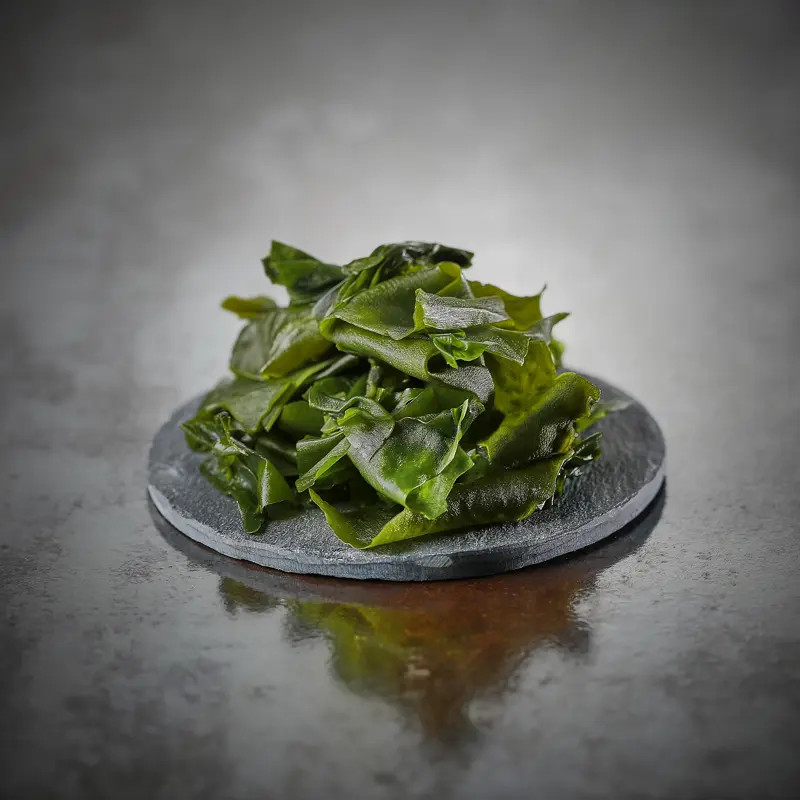
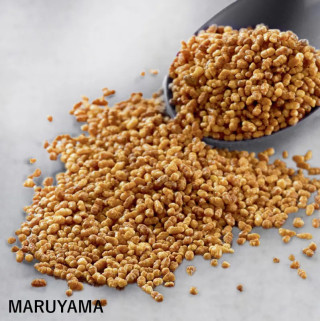
The RIA is also particularly conducive to sea urchin breeding. Iwate Wakame Algae is characterized by its thick and elastic texture. The current Oyashio from the north and the Kuroshio current from the south clash compete off iWate: the algae are telled by a rough sea, which gives the algae its unique texture and also contributes to its Nutrients. Therefore, they not only have a rich and delicious taste, but they are also rich in potassium, carotene (a type of vitamin A) and alginic acid, a food fiber. The Iwate Prefecture was the largest producer of Japanese Wakame algae until 2010.
In 2010, when the large earthquake in Japan devastated marine aquaculture facilities and fishing vessels, all the Wakame Algae culture infrastructures were lost.
Thanks to the generous government support and other actors, the facilities were quickly restored in 2012. The prefecture resumed its unloading activities and, from 2013 to today, it finds first place in Japan in terms of production.
The water temperature has increased due to global warming, reducing year-round habitat for the Wakame algae and resulting in a significant drop in catches.
Even in such circumstances, the Kita-Sanriku plant carefully selects Grade 1 Wakame Algae, with a beautiful color and without holes (which can occur when sea urchins eat leaves), and dry slowly to get a quality product. Superior, exceptional in terms of color, flavor and texture, even after being rehydrated.
Rehydration tips:
· In a bowl, put the desired amount of dried Wakame algae, cover with water and soak for 5 minutes.
· Dry algae and wipe water with absorbent paper. For stews and other cooked dishes
· Put the desired amount of dried Wakame algae in a bowl, cover with water and soak for 2 to 3 minutes.
· Empty algae and wipe water with paper towels. Important: dried Wakame algae increases more than 10 times their volume once rehydrated.
Be careful not to soak the seaweed because it would negatively affect the quality of its texture. Drain well to obtain a firm and crisp texture.