Unlike Western boils that often require a long low heat cooking with many ingredients and can have a highly pronounced flavor, the traditional Japanese dashi (especially Kombu and Katsuobushi) is generally prepared with less Ingredients carefully selected and in a lot less time. While the Western broths can rely on animal fats for their flavor, the Dashi mainly enhances the taste thanks to the UMAMI, without heavily dependent fats.
The main role of the Dashi is to subtly enhance and harmonize the natural flavors of other ingredients of a dish.
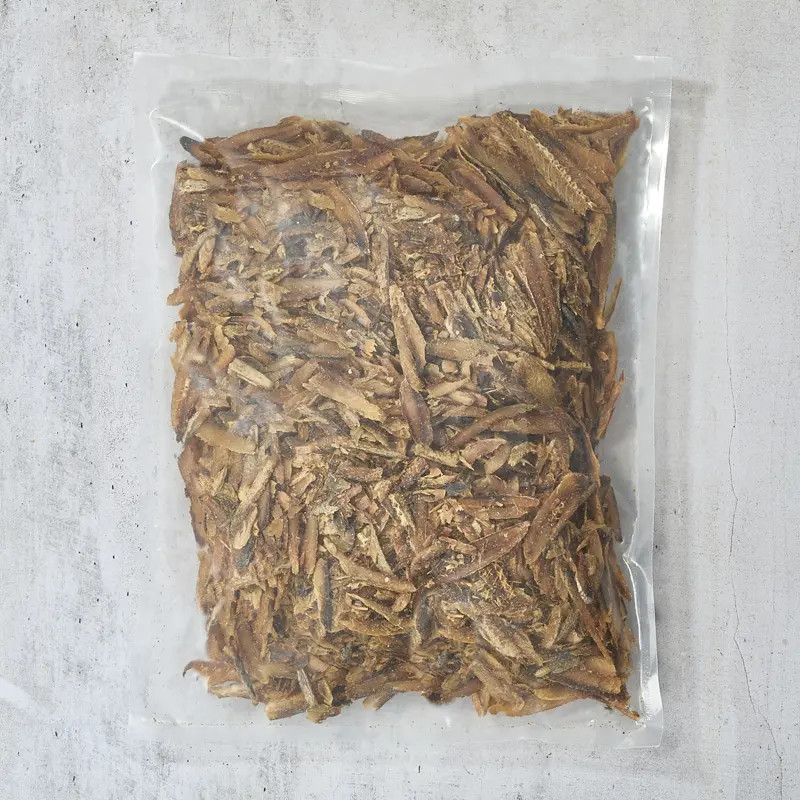
The Saba-Bushi is made from mackerel, usually spotted mackerel (Goma-saba) or blue mackerel (Masaba). Like the Katsuobushi, it is a dried fish block used to make Dashi.
The manufacturing process is similar to that of Katsuobushi, which consists of simmering, boning and drying with smoke.
The Saba-Bushi Dashi is known for its rich, deep and tasty flavor, often more robust and with a more pronounced fish aroma than the Katsuobushi Dashi. It has a wealth and pronounced body and its main contributor to UMAMI is also inosinic acid. It can sometimes have a slight acidity.
Make a Dashi based on Saba-Bushi Atsukezuri dried mackerel for Dashi
In a liter of water at room temperature, add 20 g of Kombu and 25 g of Saba-Bushi Atsukezuri. Let rest all night. The next day, heat slowly until boiling, then remove the kombu. Reset to boil, then turn off and let up up to half an hour before filtering. Your Dashi is ready to use.
How to use Saba-Bushi Atsukezuri dried mackerel slats for Dashi?
The Saba-Bushi Dashi is precisely suitable for soba and Udon noodle soups, for rich and dark sauces such as Tsuyu that accompany Soba noodles, Nimono simmer dishes (particularly suitable for Dishes based on vegetables with pronounced taste or when desired a more affirmed Dashi).
Saba-Bushi can also be mixed with other dried fish to create a complex Dashi broth for the Ramen.
Possible traces of molluscs and crustaceans