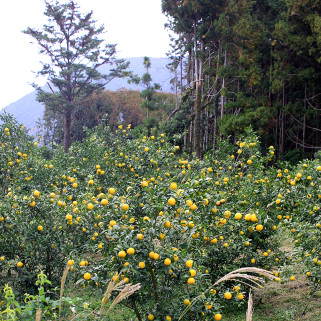
The story of this Sansho goes up more than four centuries and is mentioned in the history of Japanese lords, such as Hideyoshi Toyotomi, known for having unified Japan (and solicited the magistrate of Ikuno Mine to plant these trees Or Oeyasu Tokugawa, a General Shogun who reigned on Japan after Hideyoshi who used it as a cure.
Sansho Asakura was exclusively produced and considered a very coveted gift with Japanese feudal lords. The Sansho Asakura is a cultivar without thorns that appeared by mutation. He is prized since the Edo period.
Sansho Asakura is traditionally used in Japanese medicine. It is deemed to facilitate digestion by stimulating the appetite and improving the digestive function, thus contributing to relieving indigestion and gastrointestinal disorders.
It is also reputed for its antiseptic properties. Japanese medicine recalls that the SARSO contains hydroxy-alpha-sanshool, composed of anti-inflammatory properties that can help reduce inflammation in the body, providing potential benefits for conditions such as Arthritis ...
The SANSO is also reputed for its antioxidant activity. The Sansho Asakura is finally a good source of vitamins and minerals, including vitamin A, vitamins B, calcium, potassium and magnesium, which contribute to good general health.
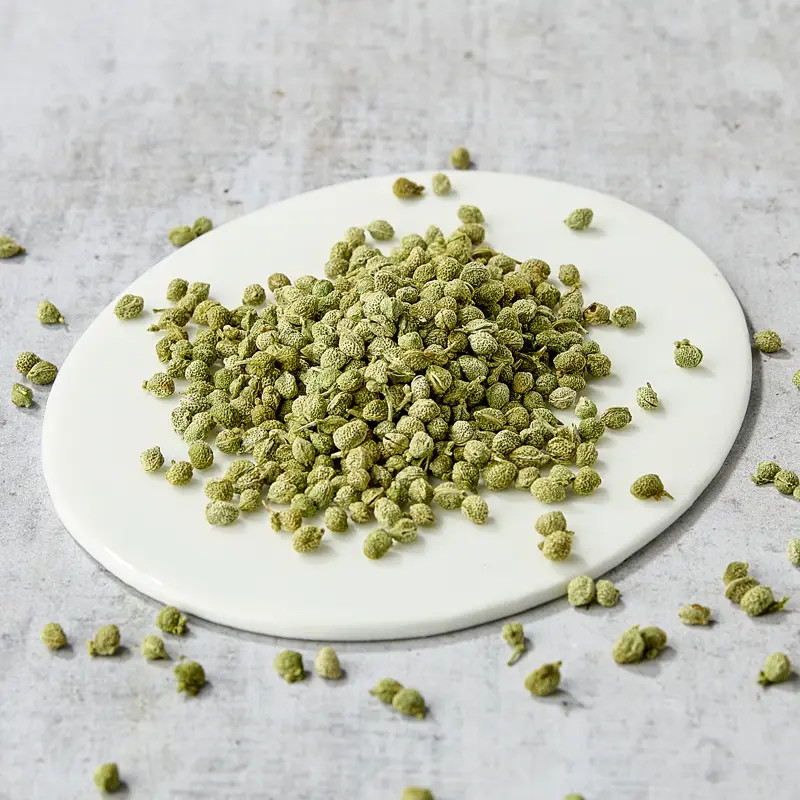
For those bays of Sansho Asakura, the fruit is harvested before forming the seed, when the spice and the flavor are still subtle, then dried. He is then specially treated to maintain his color, spice and flavor over time. . His unforgettable flavor is very popular with Japanese and international chiefs. He is very popular with Japanese and international chiefs, and his application continues to grow abroad.
In addition to Japanese cuisine, it can be used in meat or fish dishes, pasta, chocolate and alcoholic beverages. Sansho Asakura will accommodate white poisons, duck breasts, grilled eel, game, mayonnaises, long cooking meat, grilled marinated beef tongue, Yakitori, Tataki, Sobas, Shells and Crustaceans.
In simmering dishes such as Sukiyaki and Shabu-Shabu, the Sansho adds a citrus aroma and a slight anesthetic effect, making the dish more complex and invigorating. The Sansho is also a key ingredient of the popular Japanese spice mix, the Togarashi shichimi, widely used to season noodles, soups and grilled meats, adding shades of flavor to each bite.