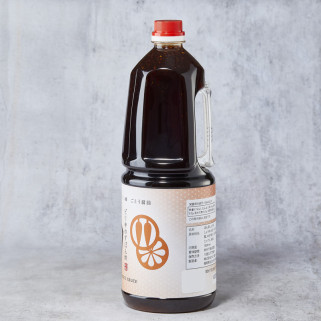
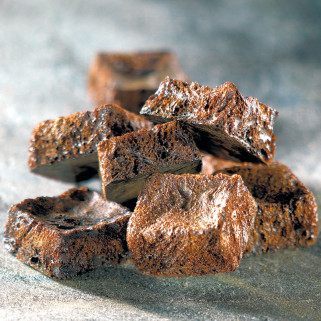
In Japan, the use of soy sauce for pastries, chocolates, ice cream and other sweet sweets is common. The soy sauce adds umami and depth to salt and sweet dishes in a way that salt alone can not reach.
Salt is essential in pastry: it enhances flavors, balances the sugary ingredients and influences the texture. It allows soy sauce to assert its character rich in umami and its nuanced aromatic notes. The wedding of black sugar and salty soy sauce creates a delicious contrast that persists in the mouth. This unconventional marriage adds a sophisticated touch. The soy sauce is frequently used in accordance with chocolate and caramel.
It can also be used in fruit desserts. A few drops of soy sauce in rich and ripe fruit salads can enhance their natural sweetness. The Mitrashi Dango is a dessert or a traditional Japanese treat presented in skewers, similar to Mochi. This skewer is composed of three to five small round rice pellets called Dango. Its popularity near gourmands and gourmets holds its delectable frosting with sweet soy sauce.
The Dango are traditionally prepared by combining water and sugar with two different types of rice flour: Non-stick rice flour Joshinko and glutant shirtamko rice flour. Mitrashi icing is composed of starch, sugar, water, mirin and soy sauce. The dumplings are first boiled, then often grilled to give them a more fleshy appearance, before being covered with the sauce. The set of delicious and soft stuffy covered with dark and tasty frosting, both sweet, salty and tasty. The Mitrashi Dango was born in the famous Kamo Mitrashi tea house founded in 1922 and located in the Kyoto Sakyō district, just at the entrance of Shimogamo Jinja, a UNESCO World Heritage Site..
The word "mitrashi" would be inspired by the bubbles of the Mitrashi pond, the purifying water outside the entrance of the sanctuary. It is thought that this has influenced the shape of the dumplings, which actually resemble small bubbles. It is also said that the Mitrashi Dango is inspired by the moment when the Emperor Go-Daigo, the 96th Emperor of Japan, who reigned in the 1300s, visited Shimogamo Jinja and saw five bubbles appear when he purified hands in the water.
It is said that these bubbles would represent the human body (a head with arms and legs), and would be a good omen explaining that the emperor would have offered five rice meatballs, a small and four large, to the gods of the sanctuary, a tradition that was perpetuated afterwards. This treat is popular throughout Japan, in all the events, not to mention the highway stations, the amusement parks ...
The Dango can be sweet or salty, or sometimes a mixture of both, and flavors can be added during the kneading of rice pulp or in the form of sauce once they are cooked.