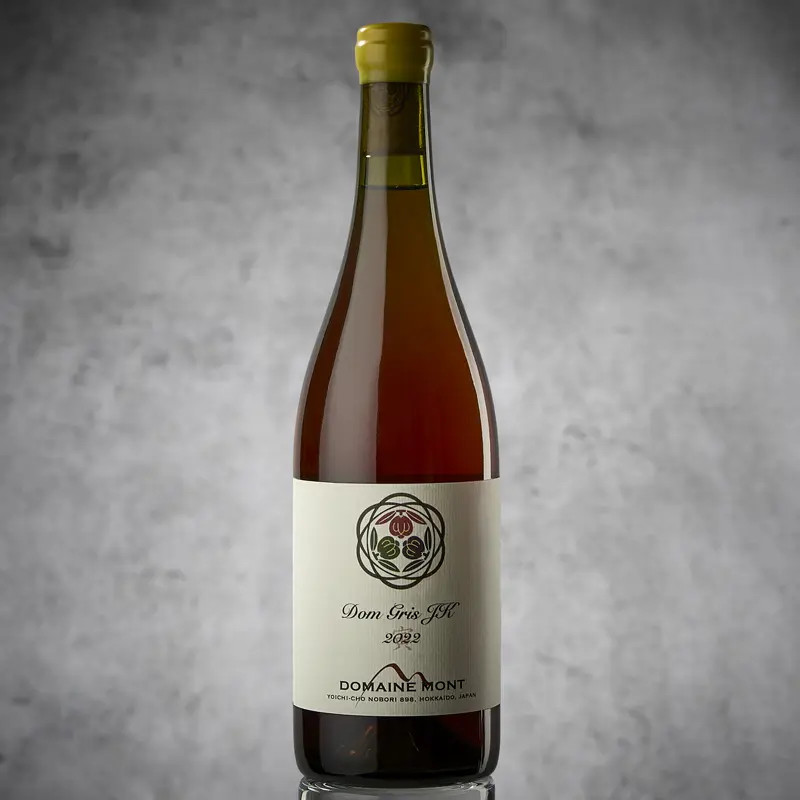
We believe that this wine will be harmful in the next 3 to 5 years, and even beyond. This wine offers mature khaki and wood notes, with a touch of umami, generally homogeneous notes, but this wine is particularly well integrated.
The nose is authentic fruit with honeycomb cores, such as apricot, leafy floral notes and blood bark shades, some tertiary notes of fungus and toasty bread. We love the superb balance in the mouth.
Fluffy but persistent, it offers a beautiful energy and a great concentration. The final is long, net and persistent. The new oak notes are still present, with fruit notes with flora-infused cores, such as apricot.
On the palate, he is still young, with very sweet tannins and a moderately full-bodied matter.
Faced with the east, as soon as the sun rises, the sun shines through the 1.5 ha vineyard of the estate Mount, in a privileged environment where the grapes are grown with good ventilation and a good drainage. Because the temperature rarely exceeds 30 degrees during the day and drops below 20 degrees at night, this gives the vineyard an efficiency of photosynthesis and, therefore, a moderate acidity of the wine that tends to subsist and a sugar content. To increase.
The temperature accumulated in Yoichi is similar to that of northern Burgundy and Alsace. In the Vineyard of the Mountain Domain, there is a special plot where the Pinot Gris is planted on free foot vines. This means that they grow on their own roots, which is very rare.
In Japanese, we call it "Ji Kon", from which the name of the wine comes from, Dom Gray JK. Yoichi's harsh winters are believed to prevent phylloxera, a vineyard pest, survive, and so far no damage has been reported. However, the culture of these vines of Pinot Gray Foot is a real challenge. Their character is more wild and vigorous, and they are particularly sensitive to the soup (bad knocking) and the millerandage (clusters of uneven size).
This often results in extremely low yields, but the quality of the grapes is exceptional. Despite the uncertain threat of phylloxera due to the recent climate change, these vines have survived the coulure and millerandage and are now full of vitality. It really involves a rare and lucky cuvée.
Most of the years, the estate produces one or two drums, and some vintages are so little productive that it is not possible to produce wine. This wine is fermented in whole bunches with wild yeasts. It is neither filtered nor glued nor sulfit. It is then high for 24 months in oak barrels of Trenaud Tonnellery. In 2023, Yoichi experienced a strong accumulation of heat and many vineyards suffered significant damage caused by birds at the time of the harvest.
To EstateThey had the chance to escape significant damage caused by birds, but the vintage was still marked by a very low yield. That said, the quality of the wine is remarkable. Even just after putting it on sale, the aroma is expressive and the mouth is already well balanced.