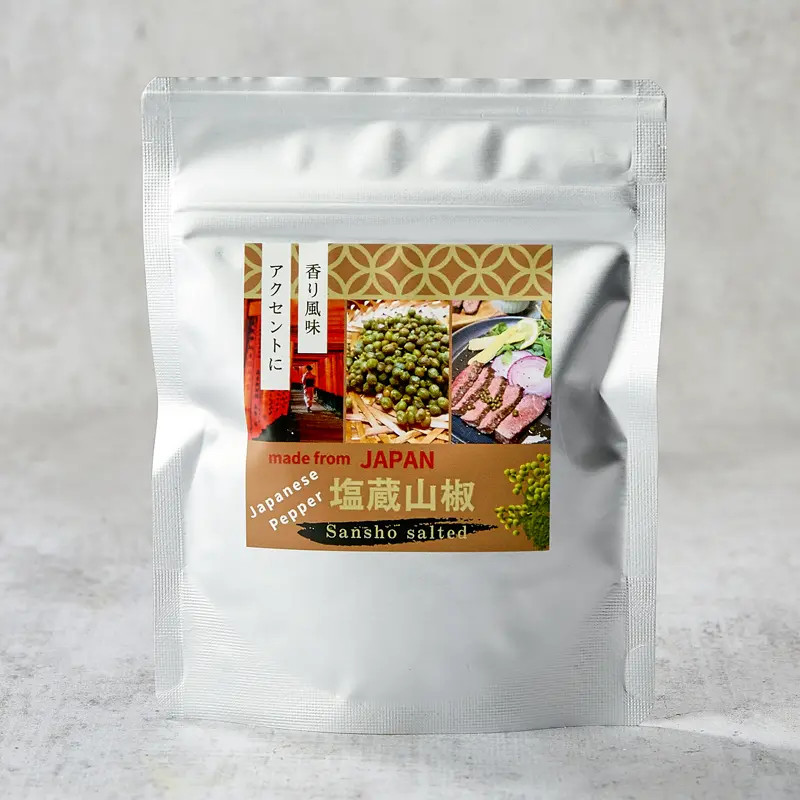
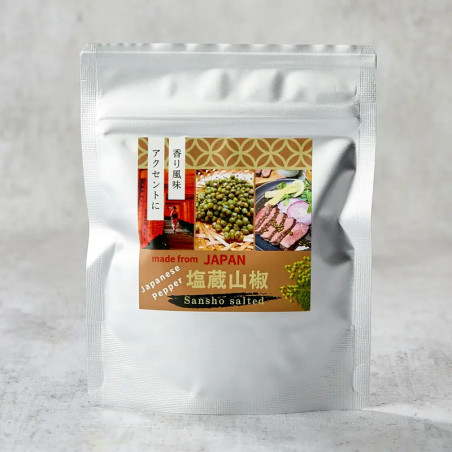
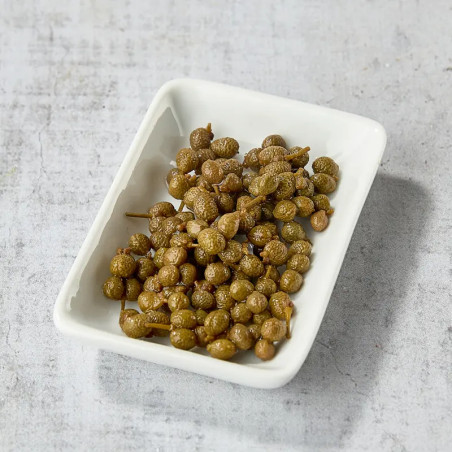
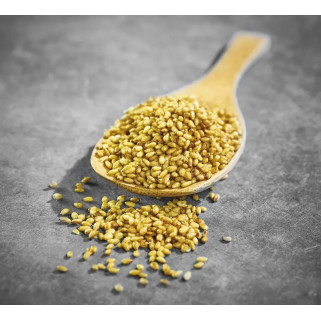
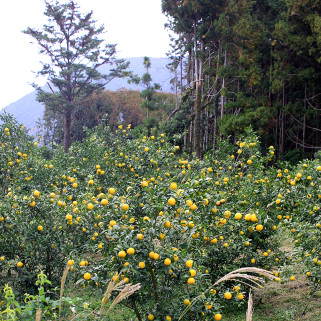
Sansho Asakura is a Japanese bay cultivated in Hyogo and Kyoto prefectures. This bay provides a feeling of numbness similar to that of Chinese Sichuan pepper. Its fresh citrus notes give it a refreshing taste.
It is rich in Limonene, an active citrus component, in more important quantity than in all other Sansho and is also known for its high polyphenol content.
The story of this Sansho goes up more than four centuries and is mentioned in the history of Japanese lords, such as Hideyoshi Toyotomi, known for having unified Japan (and solicited the magistrate of Ikuno Mine to plant these trees Or Oeyasu Tokugawa, a General Shogun who reigned on Japan after Hideyoshi who used it as a cure.
Sansho Asakura was exclusively produced and considered a very coveted gift with Japanese feudal lords. The Sansho Asakura is a cultivar without thorns that appeared by mutation. He is prized since the Edo period. Aroma: The Sansho Asakura has a cooler aroma than the Budou Sansho (Sansho Grape), with a more pronounced citrus note, verbena, lemongrass and a softer spice.
Budou Sanho produces a row of large bays resembling a grape bunch. The Sansho Asakura is characterized by its big bays and its bright green color. Sansho Asakura is traditionally used in Japanese medicine. It is deemed to facilitate digestion by stimulating the appetite and improving the digestive function, thus contributing to relieving indigestion and gastrointestinal disorders.
It is also reputed for its antiseptic properties. Japanese medicine recalls that the SARSO contains hydroxy-alpha-sanshool, composed of anti-inflammatory properties that can help reduce inflammation in the body, providing potential benefits for conditions such as Arthritis ...
The SANSO is also reputed for its antioxidant activity.