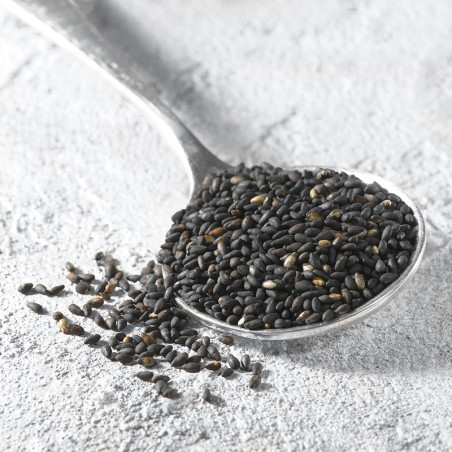
What is the origin of the black sesame?
The Sesame (Sesamum Indicume) is a cultivated oil-growing plant for millennia for its rich seeds in oil. Originally from Africa and Asia, it adapts particularly to warm and dry climates. Its culture demands little water and supports poor soils, making it a precious plant for arid regions.
A fast growth cycle
Sesame is an annual plant that can reach up to 3 meters high. After seedling, usually made at the beginning of the rainy season, germination takes place in a few days. The plant then develops a robust rod and elongated leaves. Around 6 to 8 weeks, appear delicate white flowers, roses or piping bell shaped. Once fertilized, they give birth to pods containing the valuable seeds.
About three months after sowing, sesame pods are mature and take a brownish hue. At this point, they begin to open naturally, releasing the seeds. It is this feature that would have inspired the expression "sesame, open! From the tale of the thousand and one nights.
The sesame harvest requires great know-how to avoid loss of seeds. Traditionally, the plants are cut by hand and gathered in boots, head down, so the seeds gradually fall. In more mechanized crops, the selected varieties are less prone to spontaneous burst, which allows a harvest to the machine.
Cleaning and transformation of sesame seeds
Once harvested, sesame seeds are sorted, cleaned and dried. They can be marketed in their gross, grilled form to intensify their aroma or converted into sesame oilin paste (Tahini or Kurogoma Kurimu for the black version) or Flour.
How to use black sesame?
Our perfect agreements : Grilled sesame seeds are coming together and bringing a fine crunch and exquisite to pastries, simple salads or compounds, pasta, white rice, marinades, sauces and vinaigrettes. Sesame is also perfectly sealed with chicken, marinated beef jumpers, pork spine.
To sublimate your preparations, sprinkle some black sesame seeds on a tomato salad, a bowl of Rice or a fish papillote. They also lend themselves to aperitif puff pastry, vegetable pic seams, fresh pasta and vegetable pies. Their slightly roasted flavor is particularly married with tuna or half-cooked salmon, as well as crunchy goat croquettes.
Grilled black sesame seeds provide a crunchy texture and a gently toasted taste to pastries, composed salads and pasta dishes. They also fall under marinades, sauces And the vinaigrettes, offering them a subtly umami touch. In Japanese cuisine, the Mochis with black sesame are a must-see softness.
Black sesame in pastry: a gourmet and original ingredient
The black sesame is a real asset in pastry. Its intense taste of grilled hazelnut and its deep color bring both flavor and aesthetics to desserts. Very used in Japanese and Asian cuisine, it sublimates creams, cakes and pastries with a touch of originality.
Black sesame pastry ideas:
Panna Cotta with black sesame : A creamy dessert where the black sesame paste is incorporated into a base of milk and cream.
Black sesame ice cream : A Japanese specialty that highlights the intense flavor of the seed.
Mochis stuffed with black sesame : a dough of sticky rice Garnished with a cream cream based on black sesame.
Babka with black sesame : A marbled brioche with a melting liner with black sesame.
Financial at black sesame: Fluffy cupcakes, revisited with an Asian touch.
Black sesame pie : A sandblasted paste with a black sesame cream, for an original alternative to chocolate pie.
Chocolates pralined with black sesame : The mix of chocolate and black sesame offers a gourmet and subtly bitter alliance.
Black sesame is an infinite source of inspiration for bold and refined desserts. Its unique taste makes it an ingredient of choice for those looking for a touch of pastry exotic.
What is the difference between black and white sesame?
The white sesame and the black sesame are both of the same plant (Sesamum indicum), but they have significant differences in terms of taste, texture, use and nutritional value.
The color and the envelope of sesame
The white sesame is usually husked, which gives it its clear color. This step gives it a softer texture and a more subtle flavor.
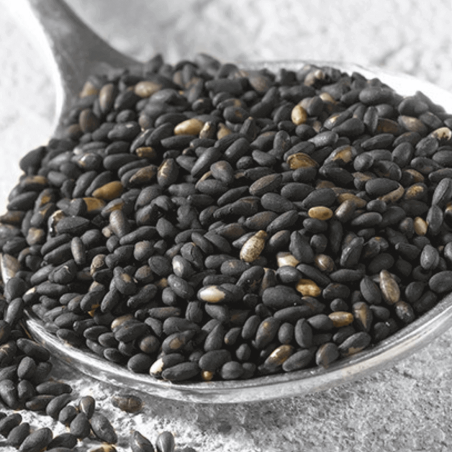
The black sesame retains its envelope, which explains its dark color and its slightly more crunchy texture.
The taste and aroma
White sesame has a soft and slightly dark flavor, which becomes more pronounced when it is grilled.
The black sesame has a more intense taste, with deeper notes of hazelnut and a slight bitterness. Once roasted, it develops a more powerful aroma than its white counterpart.
Nutritional benefits of black sesame
Black sesame is richer in antioxidants, calcium and iron than white sesame, including through its envelope that contains a large amount of nutrients.
White sesame, although still nutritious, contains fewer fibers and minerals because of the hosting process.
Different uses in black and white sesame cooking
White sesame is often used in breads, pastries, sauces (such as tahini) and simmered dishes. Its sweet taste makes it versatile in the kitchen.
The black sesame is particularly popular in Asian and Japanese cuisine, both in salty dishes (rice, fish, soups, sauces) than in desserts (ice cream, moochis, creams, babs). Its color also brings an aesthetic touch to dishes.
Transformation and derivatives
The white sesame is the basis of Tahini, a creamy paste widely used in the kitchen of the Middle East and Mediterranean. The black sesame is transformed into black sesame paste (Kurogoma Kurimu), a preparation very popular in Japanese pastry for its intense taste and its deep color. In summary, white sesame is milder and versatile, while black sesame is more intense, rich in nutrients and prized for its unique aromatic character. The choice between the two will depend on the effect sought in cooking!
Sesame is divided into several varieties, the most common of which are:
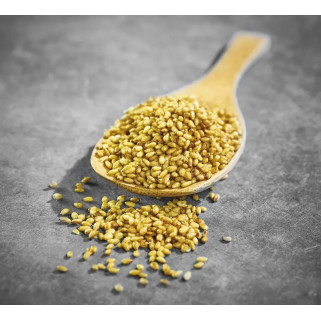
The white sesame, the most widespread, with a sweet and slightly hazel taste. The black, more aromatic and rich antioxidant sesame. The golden sesame, famous for its even more intense flavor and crunchy.
Thanks to its robust culture and its nutritional wealth, sesame remains a valuable resource in many culinary and medicinal traditions around the world.
What taste has black sesame?
Our black sesame seeds give up a scent of grilled hazelnuts, which becomes even more pronounced after roasting. They reveal rich flavors, perfect for sweet and savory dishes.