Features and value of the creamy line of vinegar: · Although based on vinegar, its flavor combines the sweetness of rice koji and the aroma of aged fermentation. · Its pasty consistency is easy to use and can be applied in sauces, dip, marinades and su-miso (vinegar miso dough). · Suitable for vegans (ingredients: rice, koji rice, rice vinegar). · Like Nigori vinegar, it contains LPS derived from Acetobacter, organic acids and dietary fiber, which gives it beneficial properties for intestinal health and antioxidant properties. What uses for this creamy vinegar binding? · Applied on pieces of fish such as dorade, mackerel or chinchard, it allows to marinate gently for surprising flavors. · It is remarkable for grilling white flesh fish, such as saikyo-yaki (kyoto-fashioned miso fish). · It is a hidden ingredient for vegan sauces or mixed sauces with shio-koji (Koji salty) or Yuzu-Kosho (salted pepper paste with bark of Yuzu). · It constitutes a surprising condiment for fats (fat tuna, sea urchins, crab) or grilled eel. · It makes an ideal fermented seasoning to add a "lightening" effect to heavy main dishes such as roast meat. · She marries good with miso or cheese to create new fusion style condiments. · Its compatibility with the cream allows you to use it in desserts. · It can be proposed as "new standard condiment" to be used with the Wasabi, Yuzu-Kosho and Kannamban (a spicy miso paste) for the Sunnomono or grilled fish.
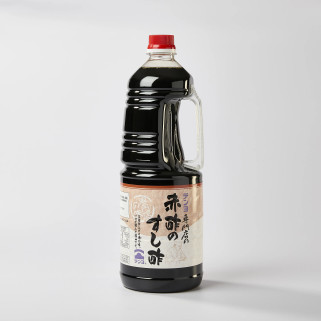
Since the beginning of the EDO period, since more than three hundred years, Toba-ya Sten manufactures traditional rice vinegar in jars of clay in Obama, in Fukui prefecture. The name comes from a "Taka-Beya" (hall of the falcons) offered by the feudal lord of the Domaine d'Obama for his falconry, hence the name "Toribaya", which has evolved to become "Toba-Ya". Even today, our craftsman continues to ferment his vinegar using the same jars, the same starting culture and the same local climate, thus transmitting the essence of a 300-year-old fermentation culture.