Soba is the Japanese translation of Saracen. Soba are noodles, generally made from a mixture of buckwheat flour (soba-ko) and wheat flour (komugi-ko). These noodles are among the best known and appreciated in Japan.
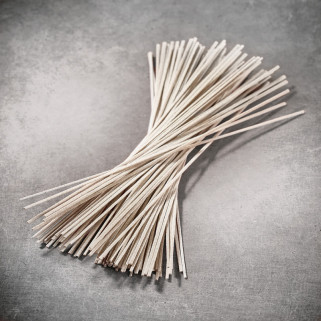
The rarest are 100% made from buckwheat flour. The buckwheat gives them their typical dark color, brownish gray. As thick as spaghetti, soba can consume cold or hot. Most of the Japanese buckwheat comes from Hokkaido, the most famous origin.
Saracen is naturally free of gluten, rich in antioxidants and is beneficial for blood glucose management. It is rich in nutrients good for the heart, especially in magnesium and fiber. The Japanese are very demanding for the texture of the noodles, which must be firm, "al dente". The Japanese lend to Soba a symbol of a long life.
That's why they still eat the New Year's Eve. The Soba are tiled hot or cold with a Tsuyu sauce, usually made from Dashi, mirin and soy sauce. The Soba have a pronounced flavor that can evoke hazelnut or Breton galette.
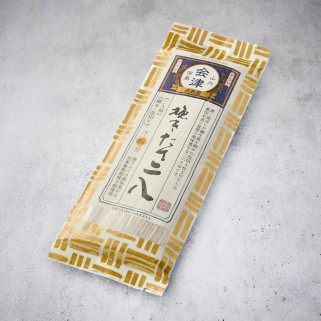
These long soba were made from Hokkaido Kitawase Sarrasin and Kitahonami and Yumechikara wheat of Hokkaido. These thick and long soba noodles are extremely copious and offer a unique texture in the mouth.
180 g = quantity for two people
Volume of water for cooking: 3.5 liters (non-salt water)
Cooking time in boiling water: 20 minutes
Stir soba so they do not stick together. At the end of the cooking, place the soba in a colander and rinse them with the current cold water to cool quickly and stop cooking.
Once the soba cooled, rinse them under running water by kneading them with your hands to eliminate the stint starch starch. Finally, drain the water. If you put the noodles in ice water to firm them up, they will have an even firmer and more fluffy texture.