









Our Japanese recipes
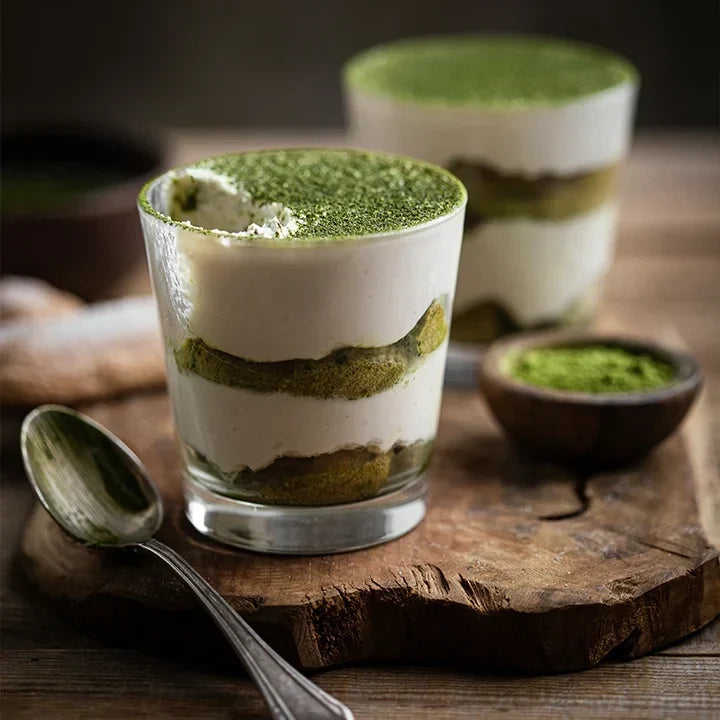
The matcha tea tiramisu recipe: soaking syrup, mascarpone cream and choosing the right powder to avoid bitterness.
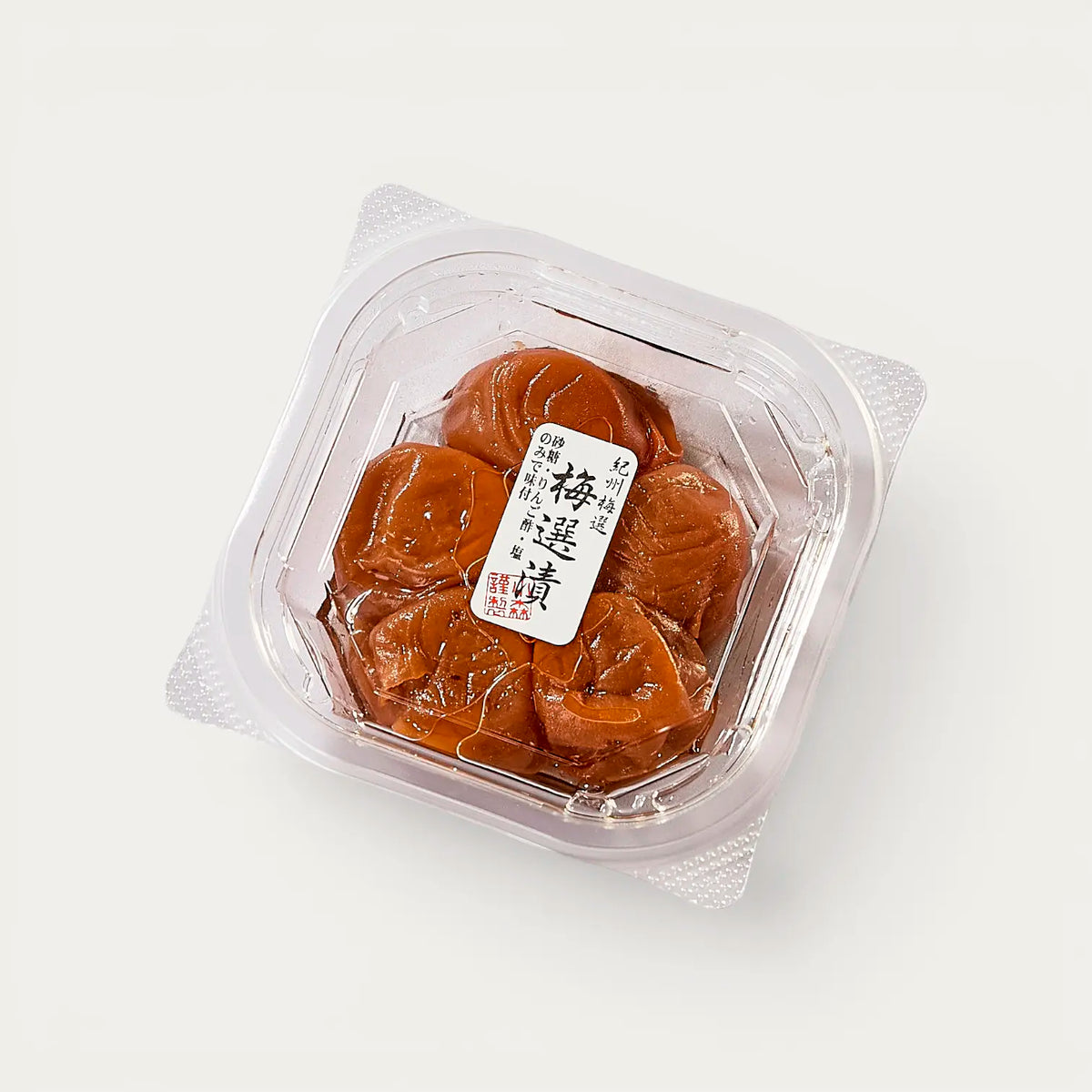
Umeboshi is a Japanese plum that is salted and then sun-dried. Very salty and tart, it is eaten in small quantities: with rice, in onigiri or in a sauce.
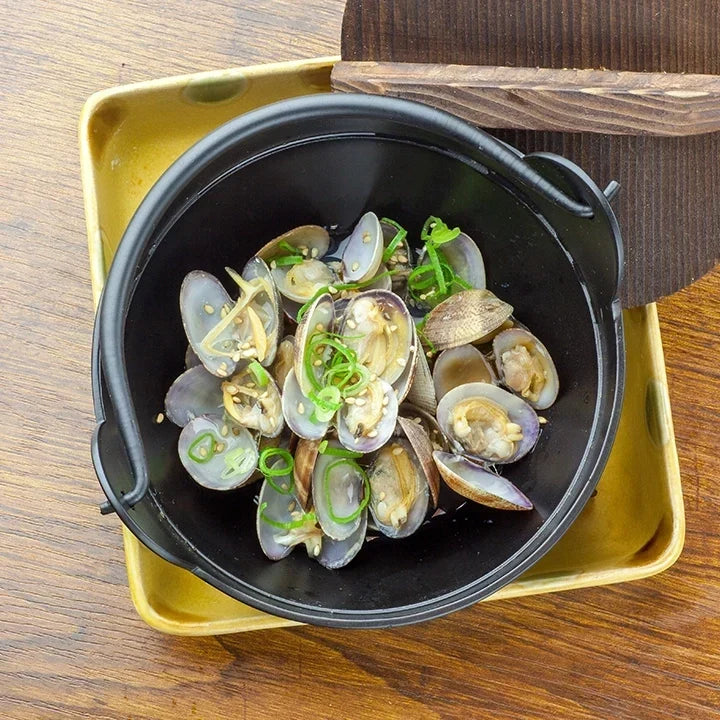
Sakamushi: clams steamed in sake with garlic and butter, ready in ten minutes. A classic of the izakaya.
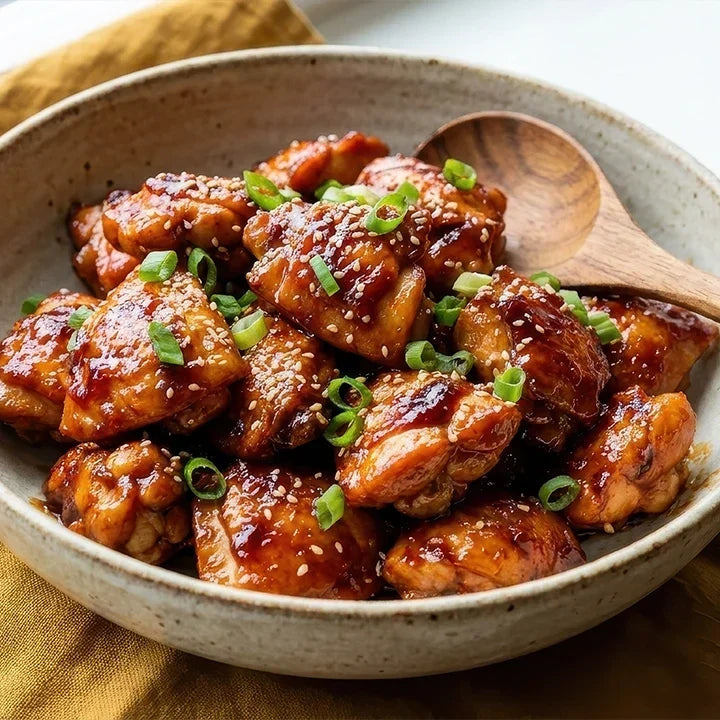
Chicken seared and then glazed in a four-ingredient homemade sauce: soy sauce, mirin, sake and sugar. Ready in 30 minutes.
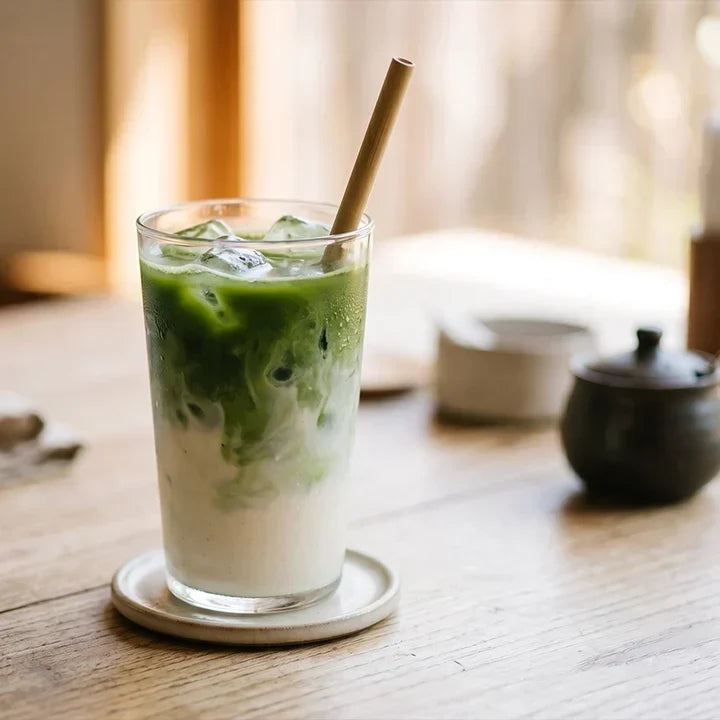
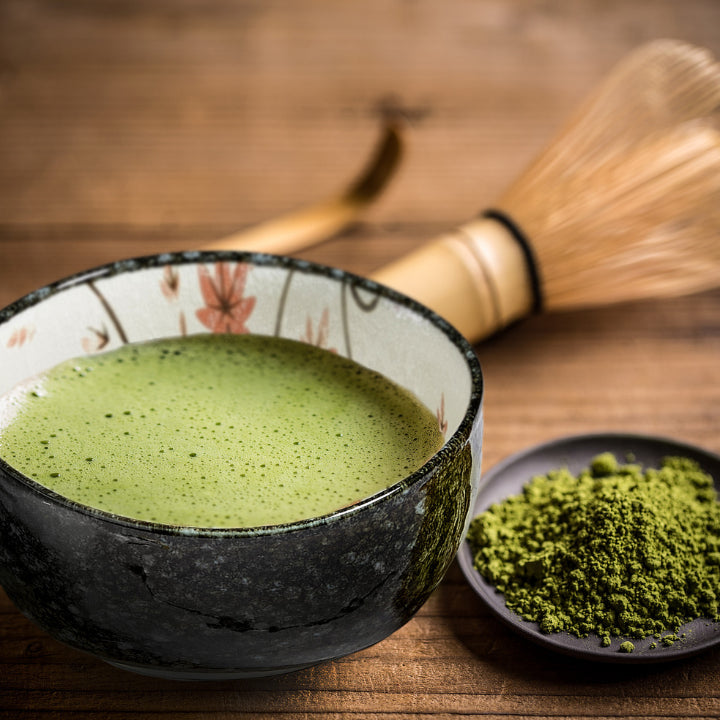
The lump-free iced matcha latte recipe: the paste technique, two-tone layering, and choosing the right grade of powder.

Newsletter sign-up
Sign up to our newsletter and receive all our news and special offers.
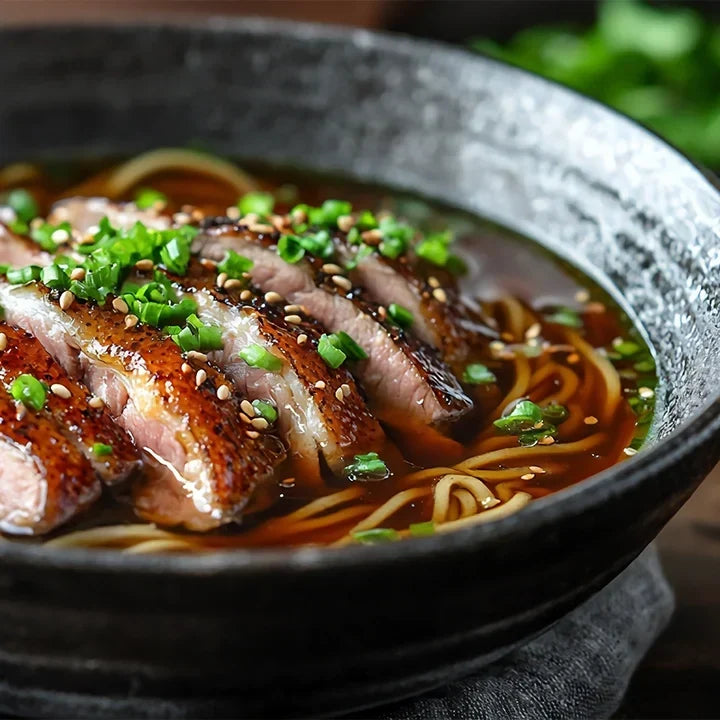
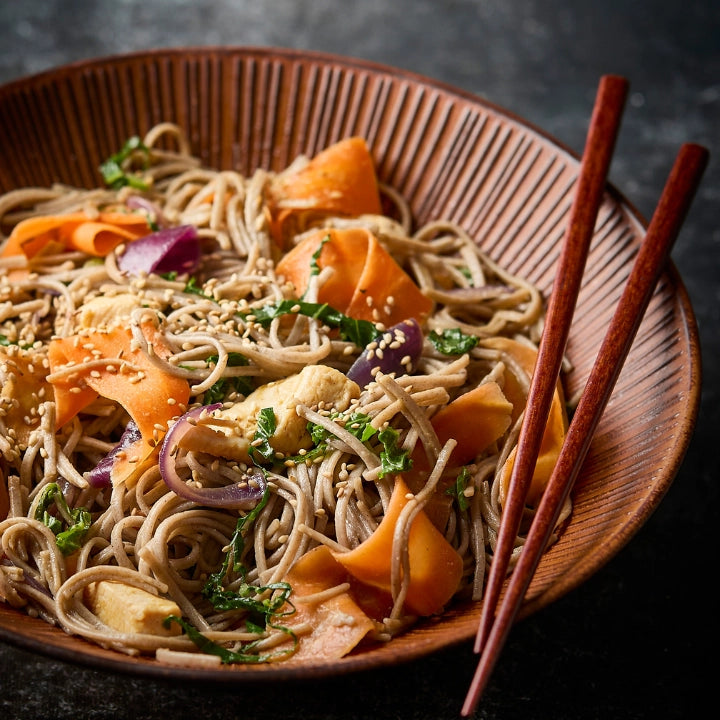
Kamo nanban, the soba soup with roasted duck breast: dashi broth, spring onion caramelised in duck fat and buckwheat noodles.
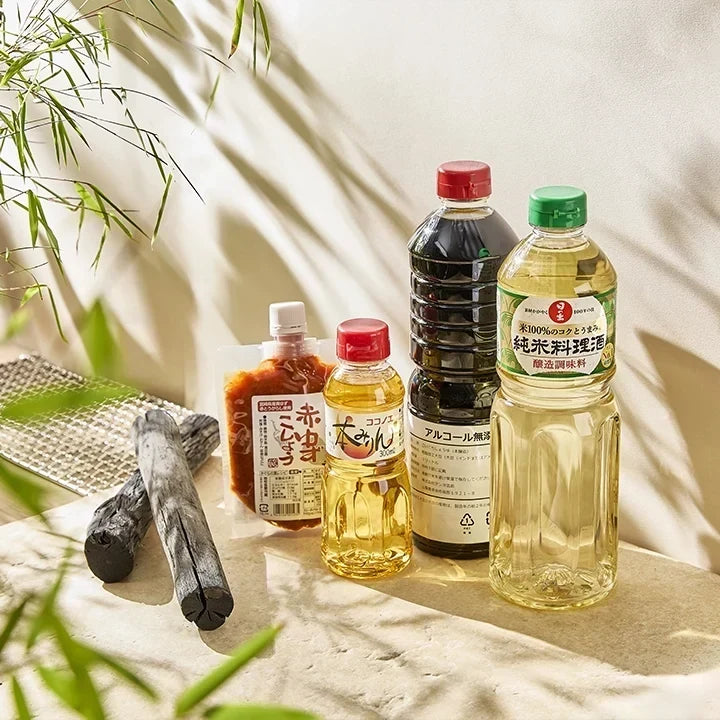
Soy sauce, mirin and sake: the sweet-savoury marinade that elevates chicken, beef, fish, tofu and grilled vegetables.
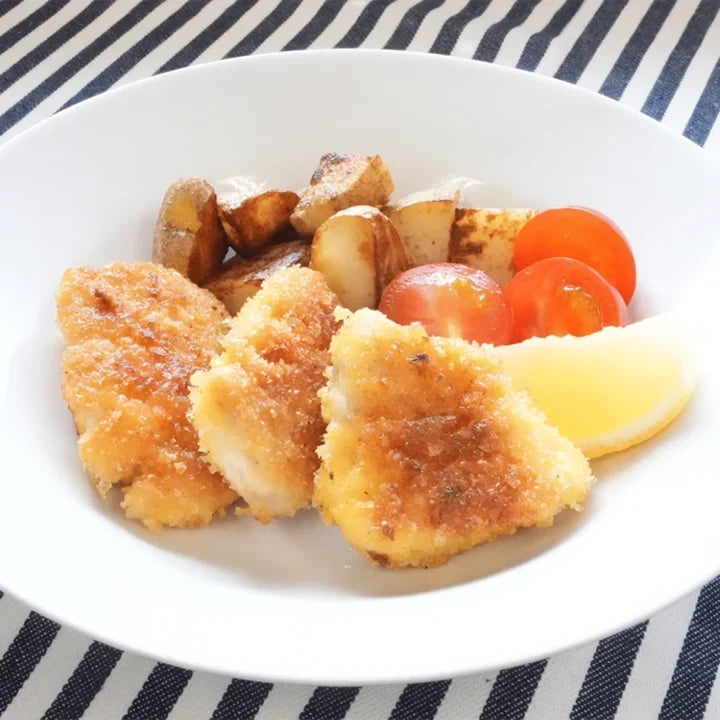
A refined dish featuring a crispy corn crust and juicy chicken, showcasing the natural flavours of the ingredients.
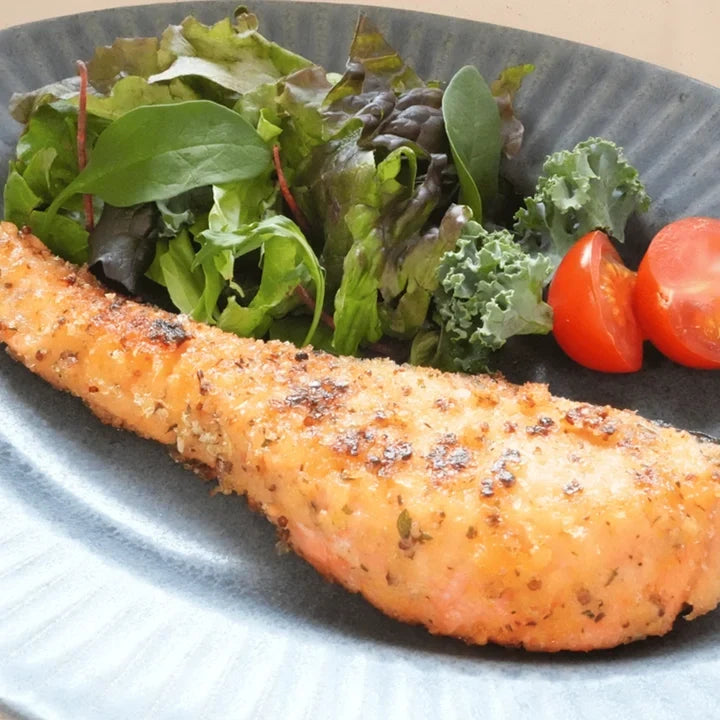
A typical dish from southern France, made with salmon coated in a light herb and corn crust, with a tangy touch of mustard. Preparation: 1. Lightly season the salmon with salt and pepper, then leav...
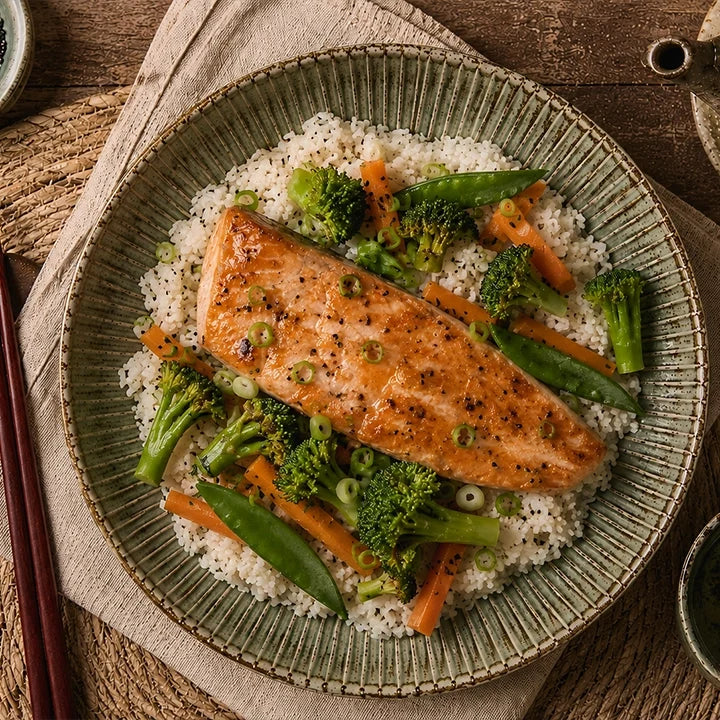
A refined speciality from Kyoto, Saikyo Yaki involves marinating salmon in sweet white miso before grilling it gently. This preparation reveals tender, flavourful flesh with subtly sweet notes, ri...

A delicate broth based on miso, enriched with silken tofu, seaweed and fresh spring onion. A great classic of Japanese cuisine — comforting, balanced and rich in umami.
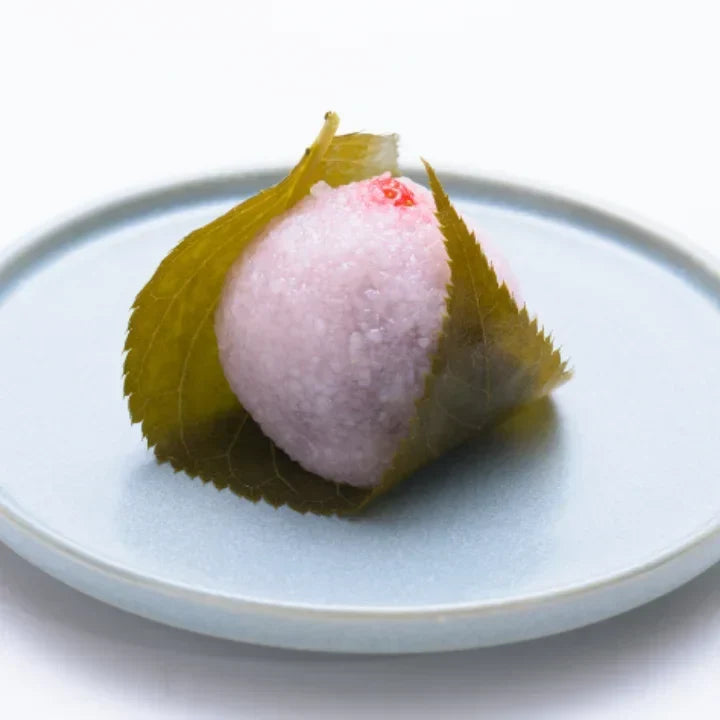
Delicate Japanese confections made from a soft glutinous rice outer layer filled with azuki bean paste. Wrapped in a salted cherry leaf, Daifuku Sakura offer a subtle balance of sweetness, floral ...


Buying guides & blog articles
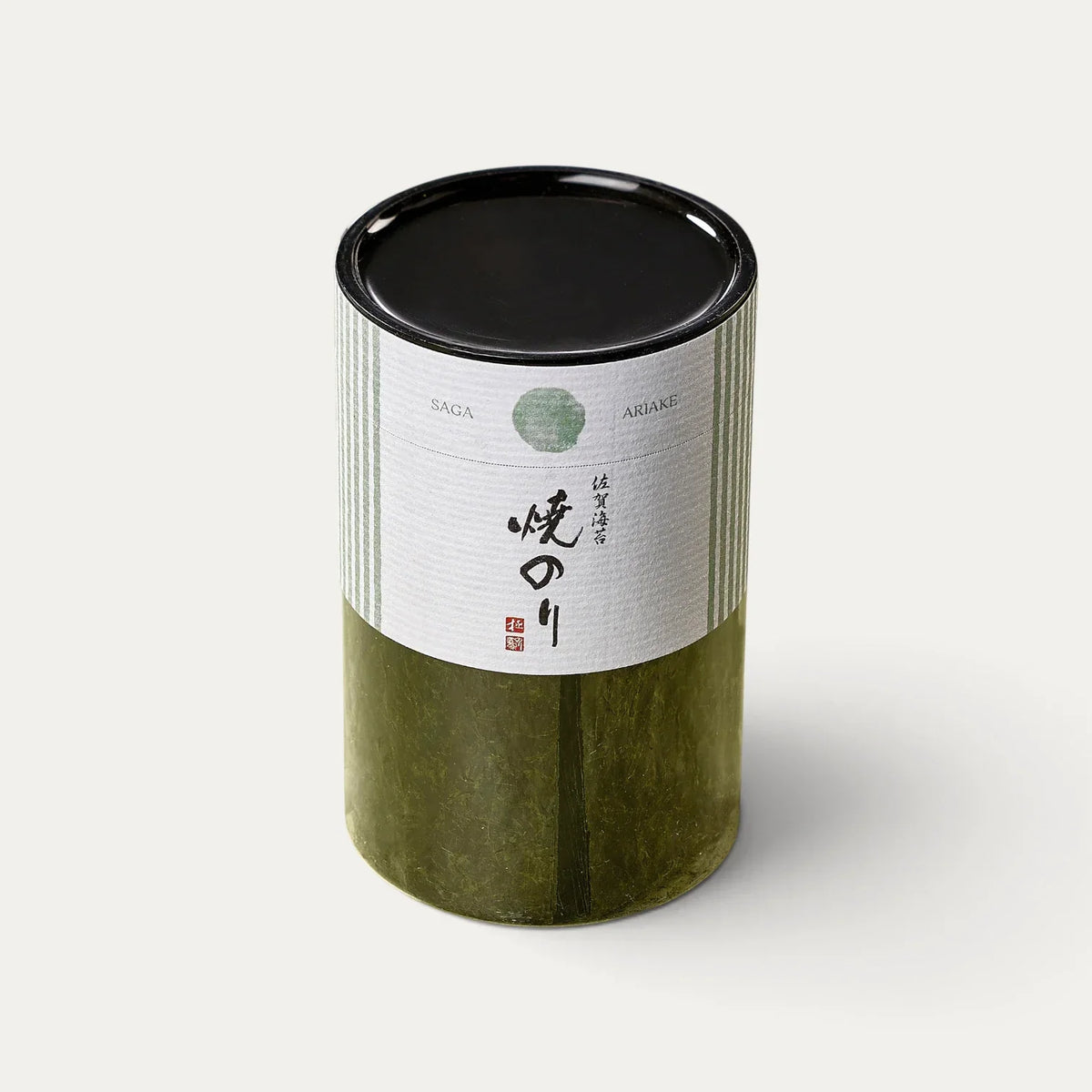
Which nori seaweed should you choose for sushi and maki? Our guide: yaki nori vs seasoned, quality criteria, grades, and storage.
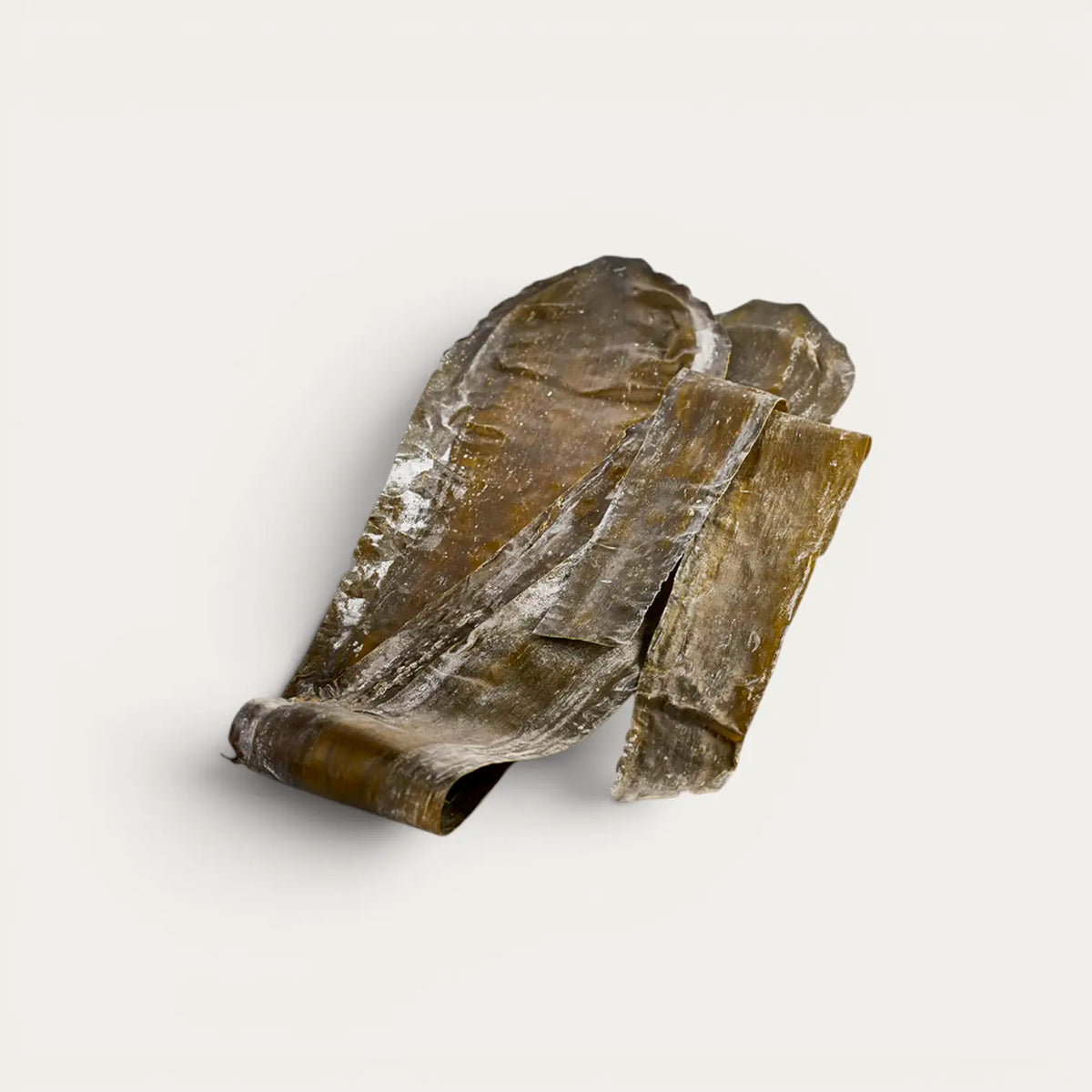
Which kombu should you choose for the perfect dashi? Our guide compares the four main types (Rausu, Rishiri, Ma-kombu, Hidaka) and Kura-gakoi cellar-aged kombu by use and quality.
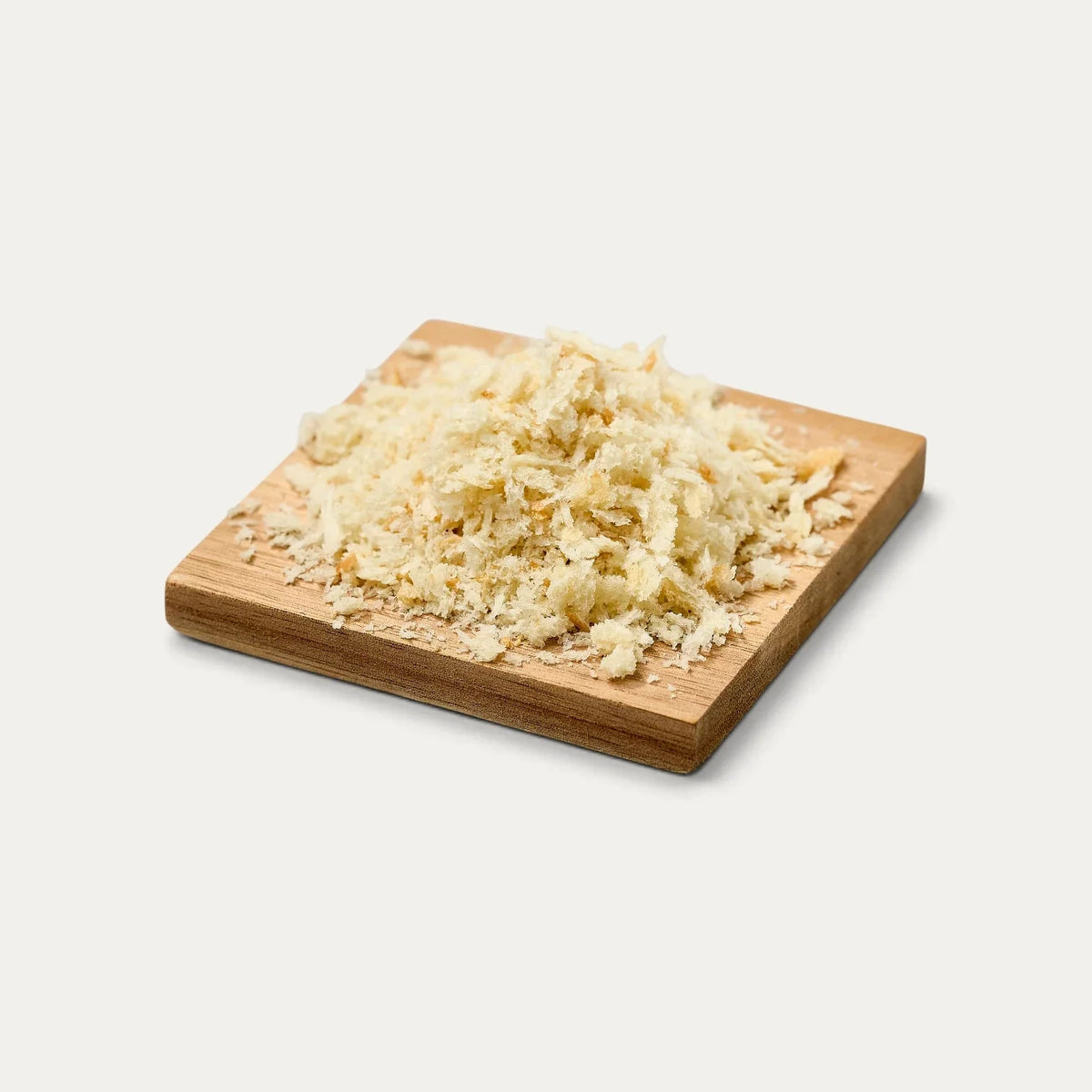
Panko or conventional breadcrumbs? How to recognise artisan panko, choose between wheat, rice, maize and buckwheat varieties, and make successful tonkatsu, tempura and gratins.
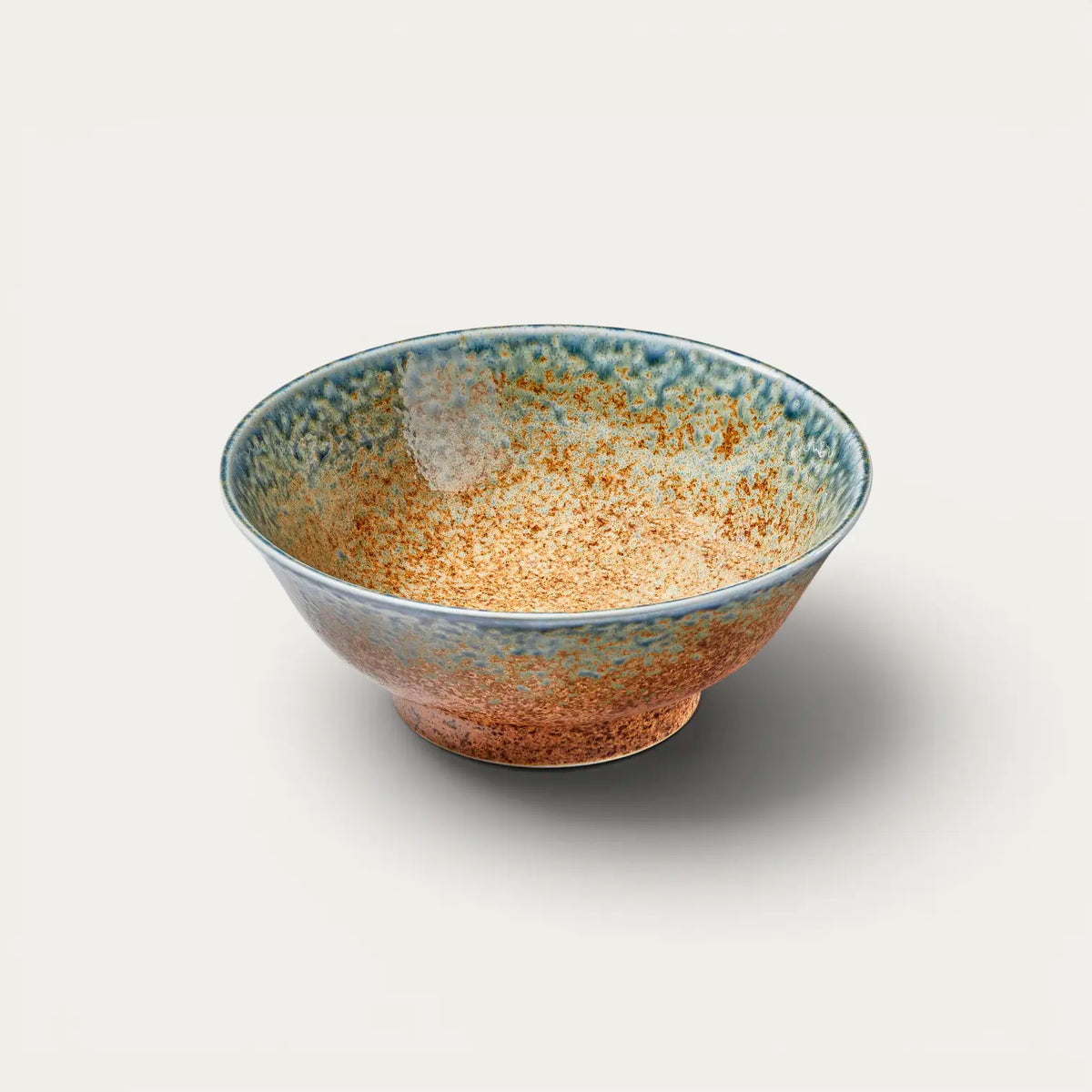
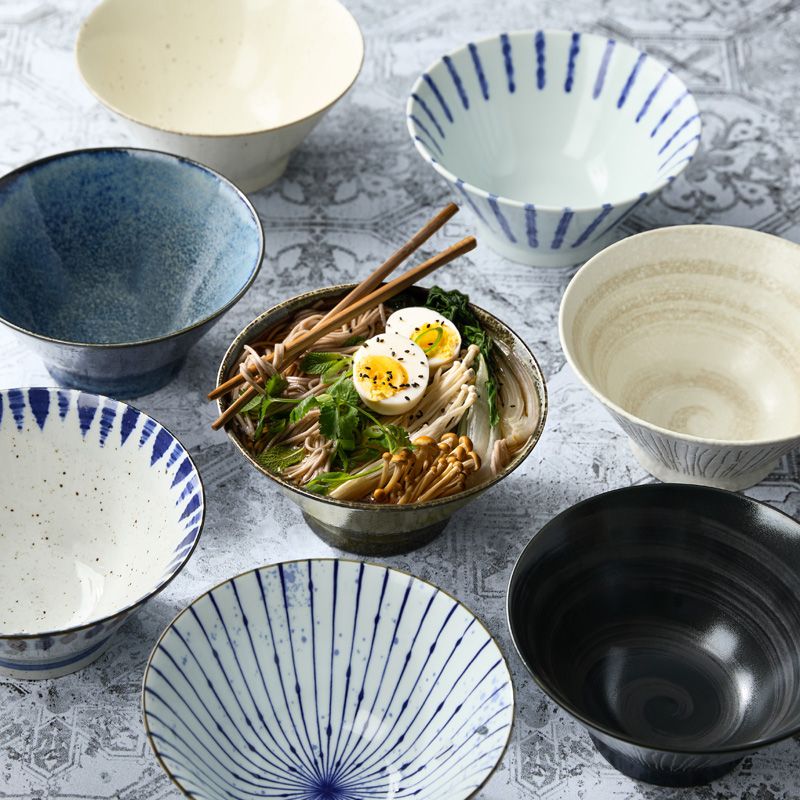
Size, material, shape: the guide to choosing a ramen bowl made in Japan, from everyday bowls to full sets with a renge spoon.
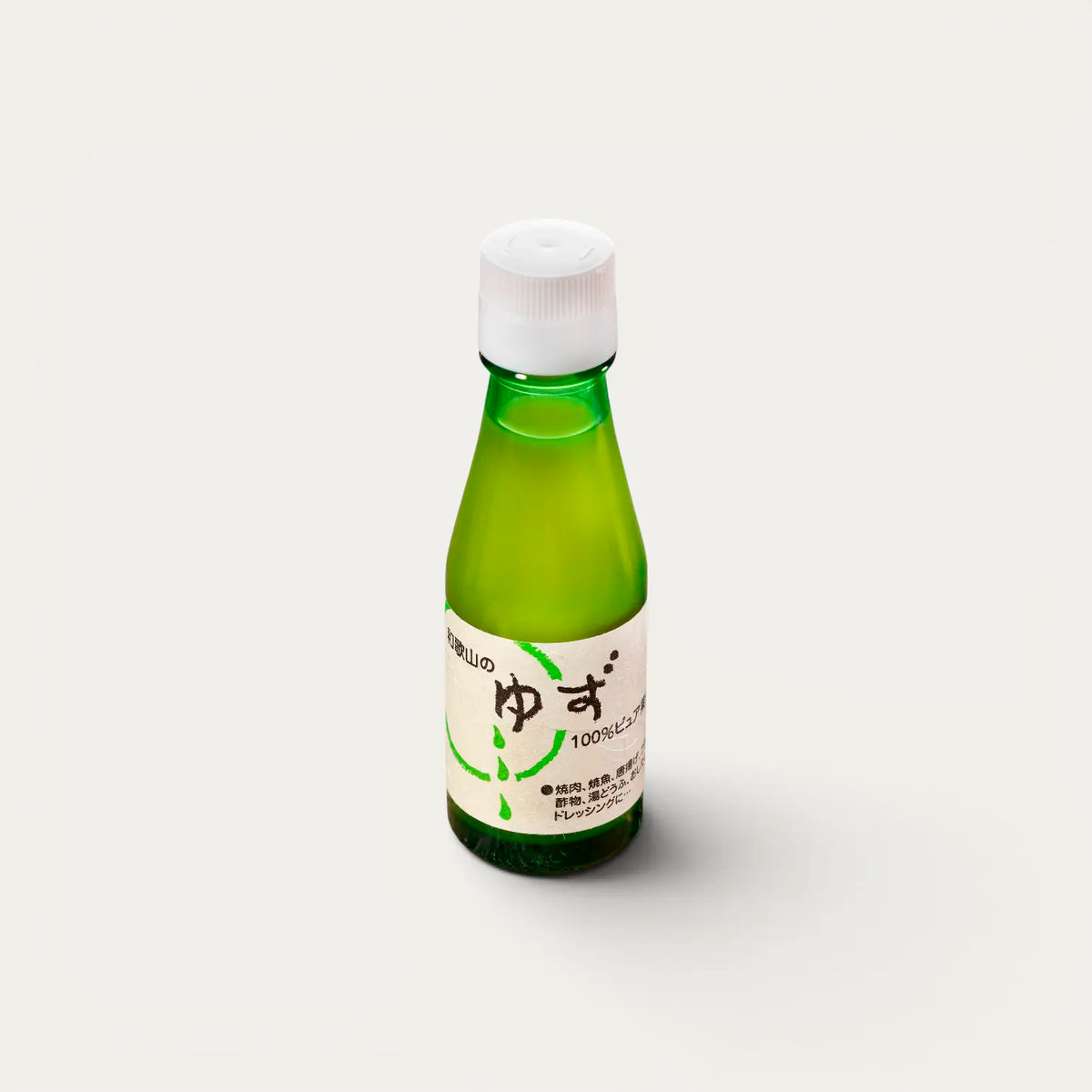
Pure or salted, pasteurised or not, from Kôchi, organic or powdered: what to look for in a good Japanese yuzu juice.
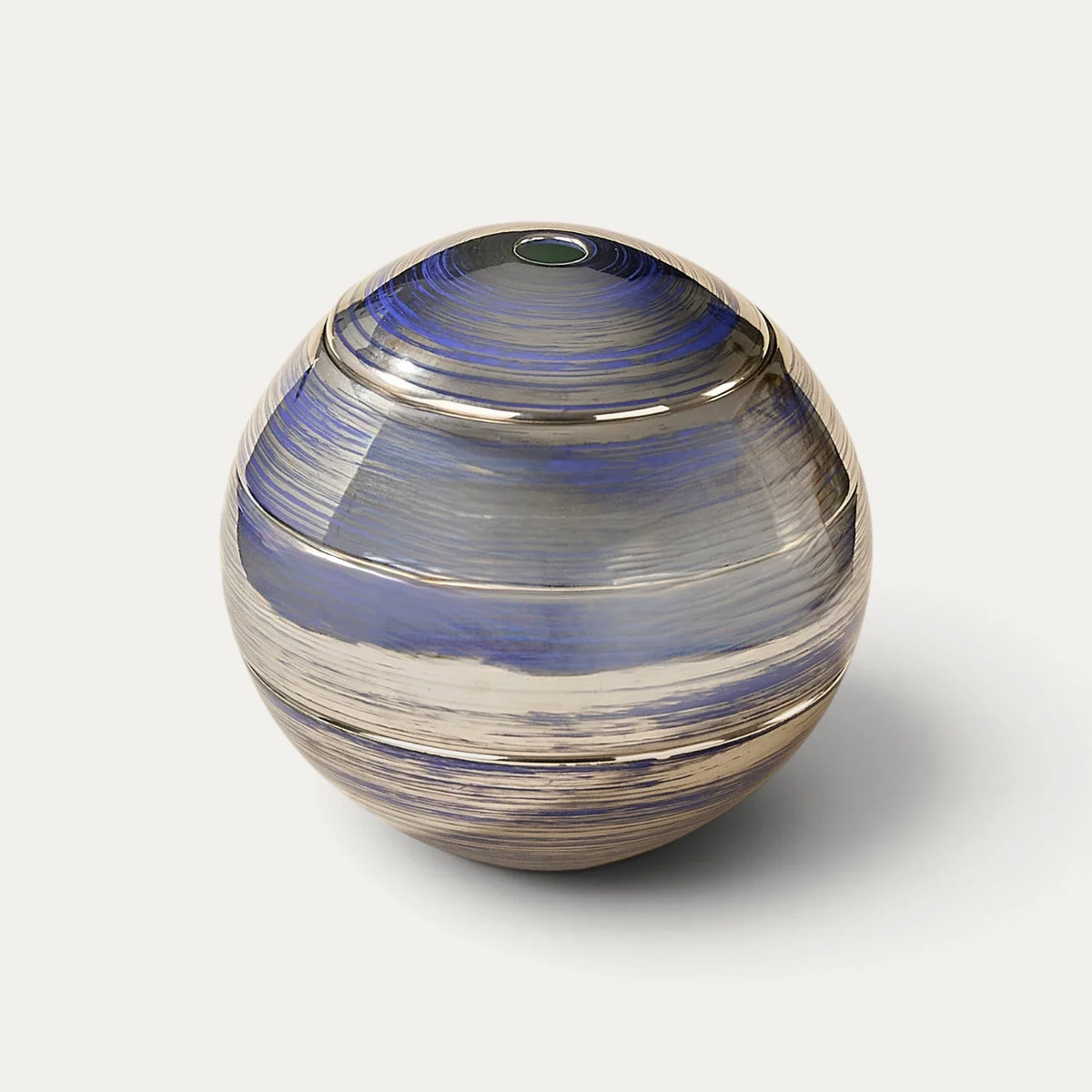
Minoyaki porcelain, Bizen stoneware, lacquerware and wood: how to recognise authentic Japanese tableware and choose the right piece.
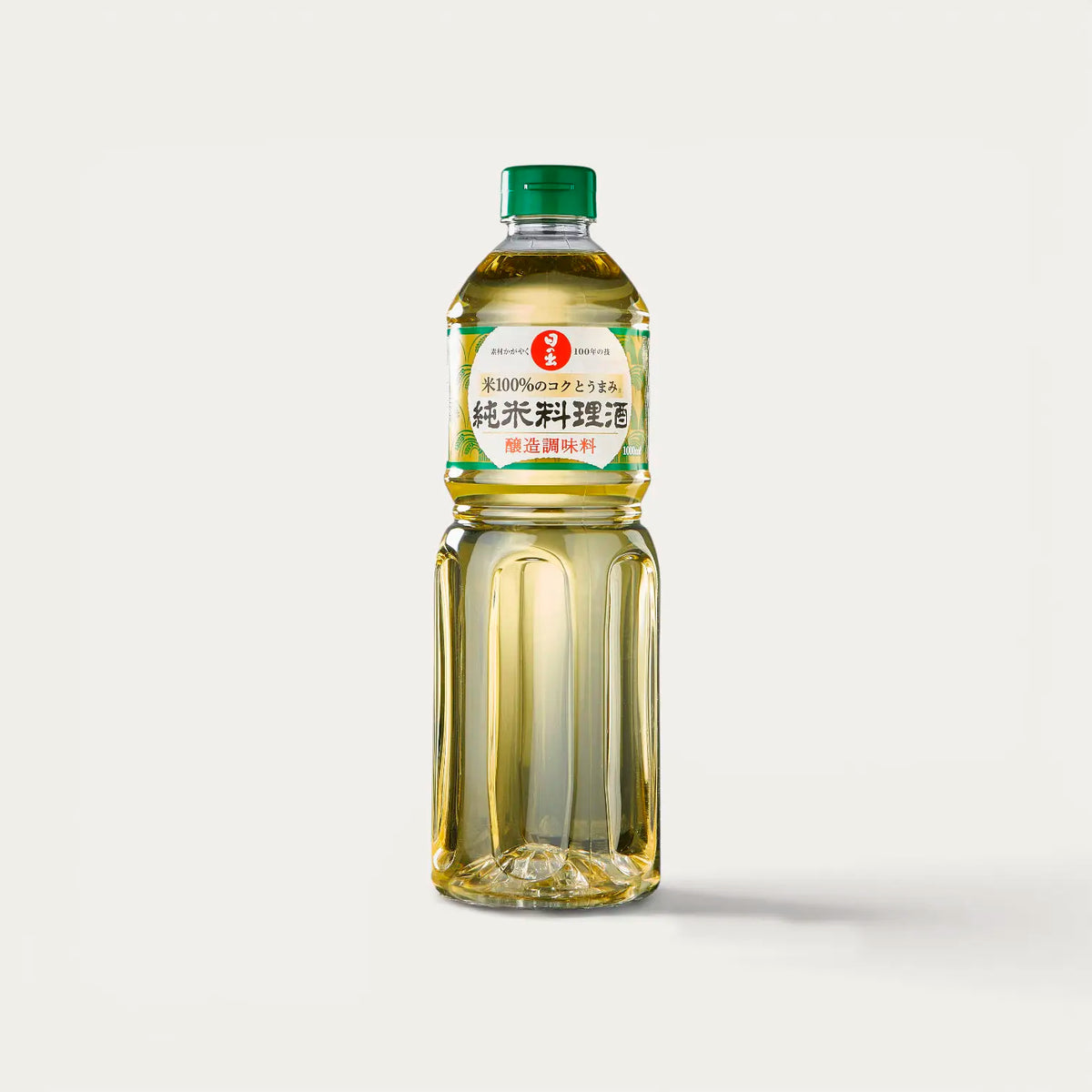
Cooking sake or mirin? Umami, sweetness, shine: understand their roles, choose the right bottle, and master Japanese classics.
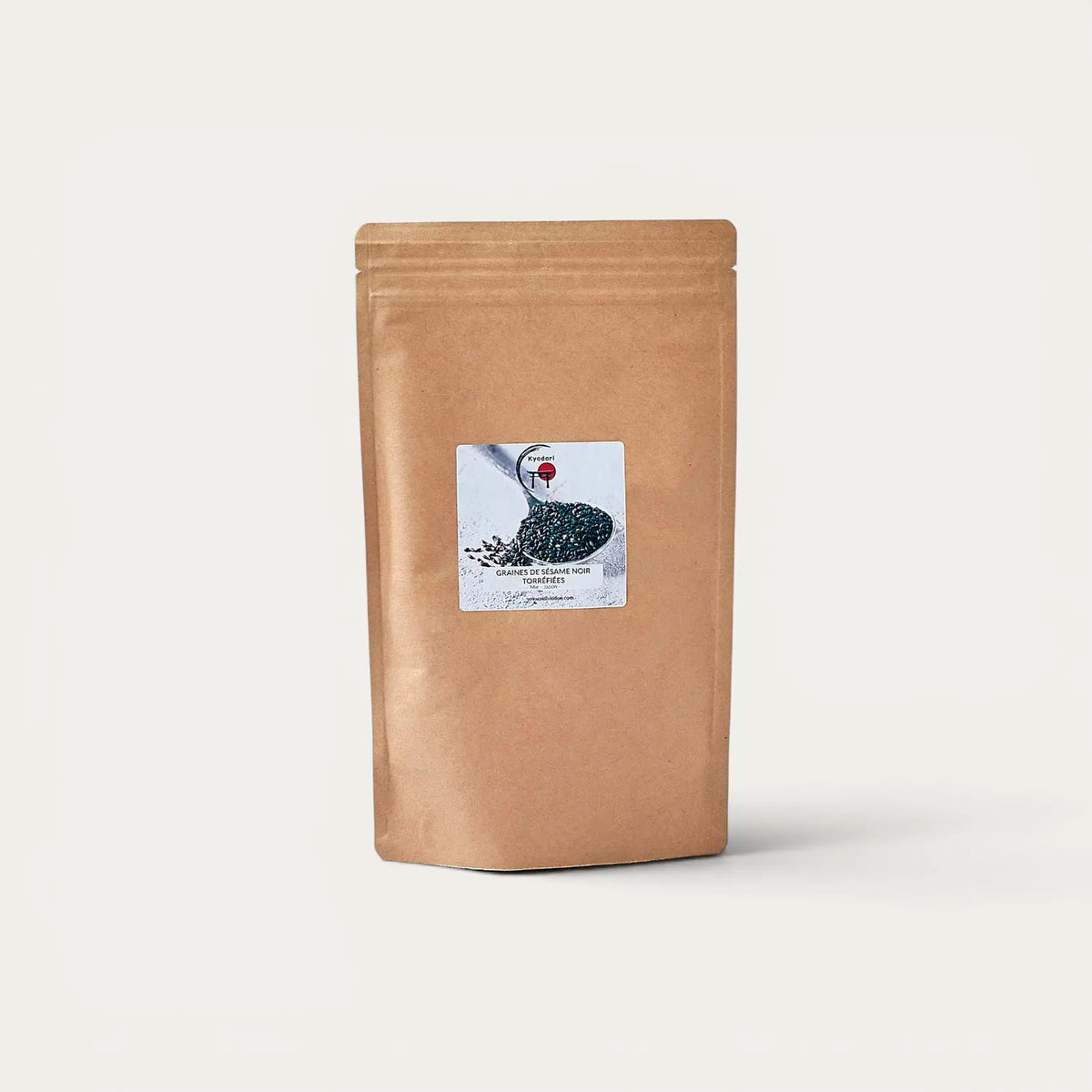
Black or white sesame: flavour differences, seeds, paste or oil, and which to choose for each Japanese dish.
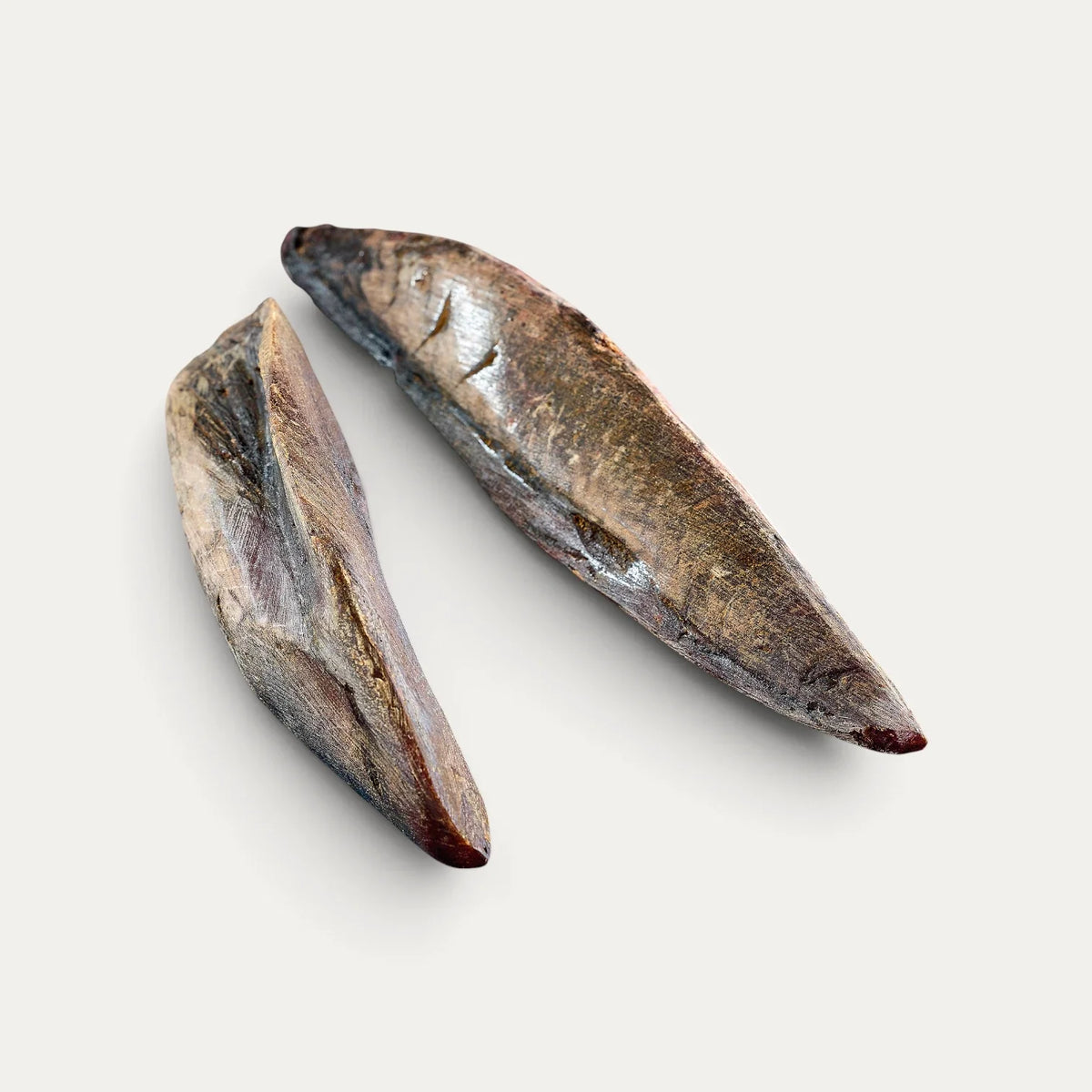
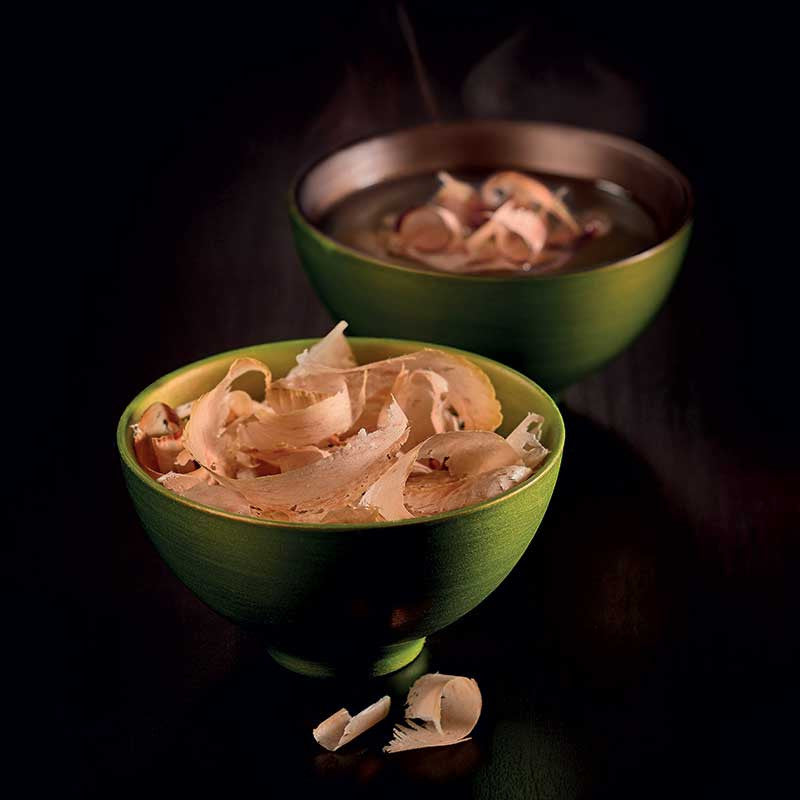
Arabushi, shavings or a whole block: how to choose quality katsuobushi for dashi and Japanese cooking.
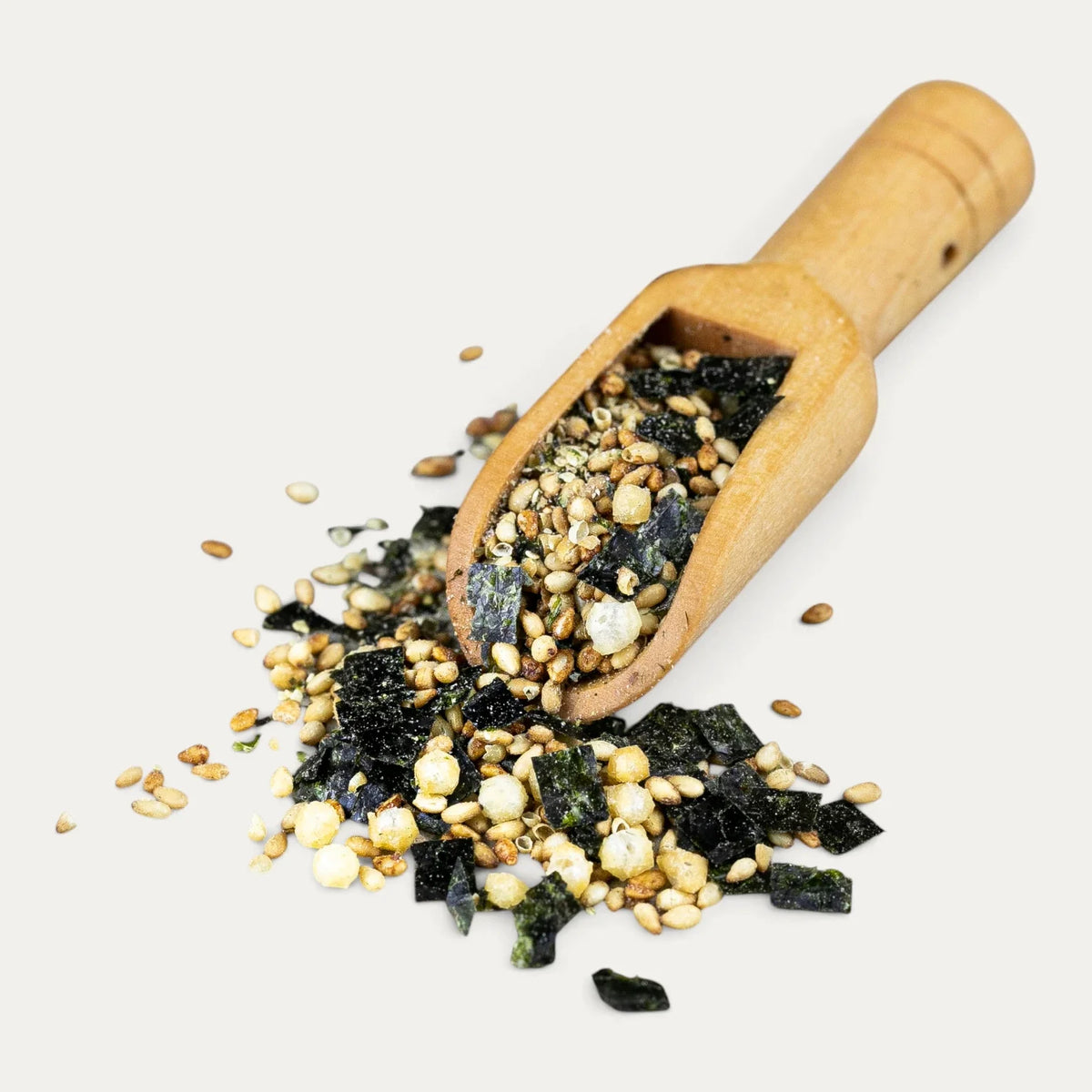
Nori komi, okaka, salmon: how to choose and use furikake.