







Sugars


Bring a new accent to your cooking

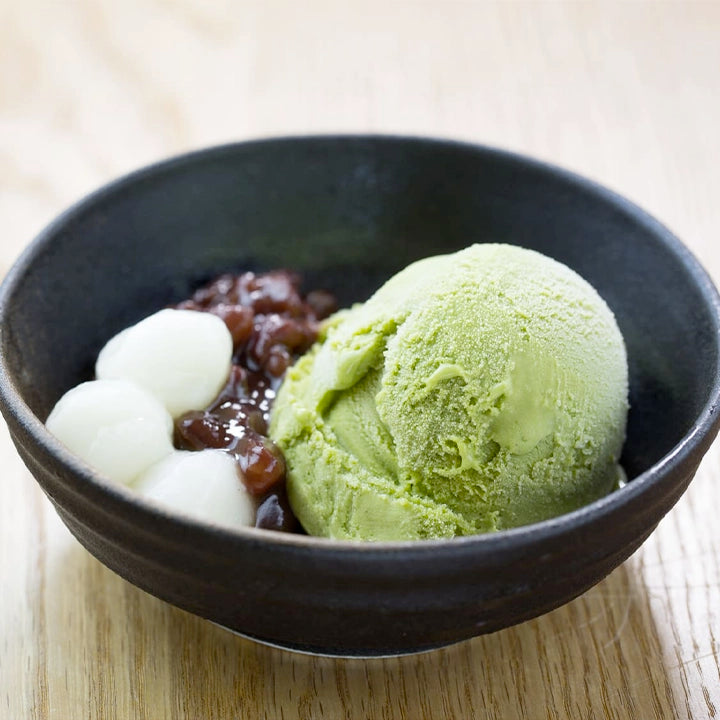
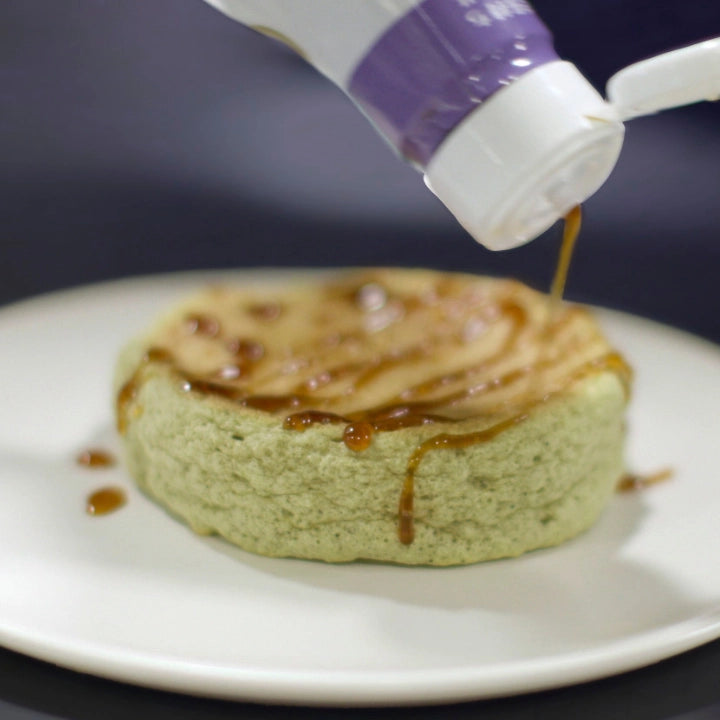
Celebrated for their airy, fluffy texture, Japanese fluffy pancakes are here adorned with the vegetal and delicately bitter notes of matcha tea. A light and refined treat, perfect for combining sw...

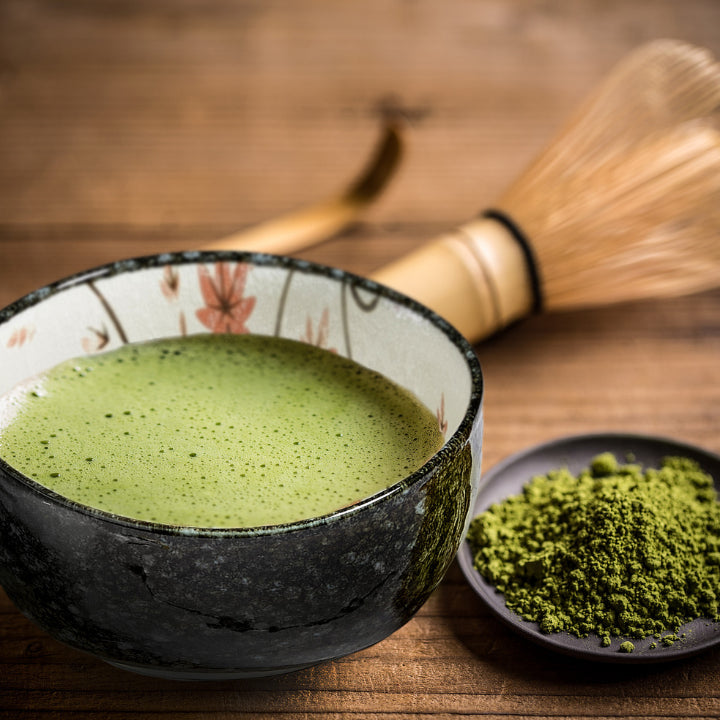
Delicate Japanese-inspired shortbreads, flavoured with yuzu zest or matcha tea. Crisp and refined, they reveal fresh and tangy notes for the yuzu, or vegetal and lightly bitter ones for the matcha...

OKINAWA RAW BLACK CANE SUGAR, from eight islands of infinite possibilities
This raw black cane sugar caused a "historic revolution" in Japan as soon as it was produced.
It is produced on only eight remote islands: Aguni, Hateruma, Ie, Iheiya, Iriomote, Kohama, Tarama and Yonaguni.
This "sustainable food" inherits the same environmentally friendly production techniques, unchanged since the beginning of the Edo period.
This raw black cane sugar is not processed, but obtained using the traditional sugar-making method, which simply involves pressing and concentrating sugar cane.
This sugar is a culinary culture that Okinawa has cherished for centuries. It is a resource that perpetuates the traditions of Okinawa's remote islands, a sustainable and environmentally friendly product, and a mineral-rich nutritional source for future generations. It is also an important industry that will support Okinawa's remote islands in the near future: a regional resource of which the eight remote islands of Okinawa can be proud throughout the world.
How is Okinawa raw black sugar made?
Okinawa black sugar is made by pressing sugarcane juice and boiling it. Okinawa black sugar has a rich, deep flavour that will enhance all your dishes. Its secret lies in its production from sugarcane carefully cultivated on each island. The island factories operate from December to April, the period when sugarcane stores the most sugar. As the quality of harvested sugarcane deteriorates over time, only the quantity corresponding to the daily production is harvested and transported by lorry to the factory.
Sugarcane stalks, approximately 2 metres long, are first cut into small pieces, then pressed several times to extract the juice. Impurities are precipitated and the filtered liquid is heated and concentrated in several stages. It is then stirred to incorporate air and cooled to become black sugar. It is then boxed or moulded before being fully solidified. Although the process differs slightly from island to island, Okinawa raw black cane sugar is obtained by boiling fresh sugarcane juice in this way.
On the other hand, when the "molasses", containing non-sugar ingredients, is removed from the filtered liquid and refined, white sugar, granulated sugar, brown sugar and rock sugar are obtained. These sugars are classified as "fractionated sugars", whereas black sugar is classified as "molasses sugar".


