








Vinegars







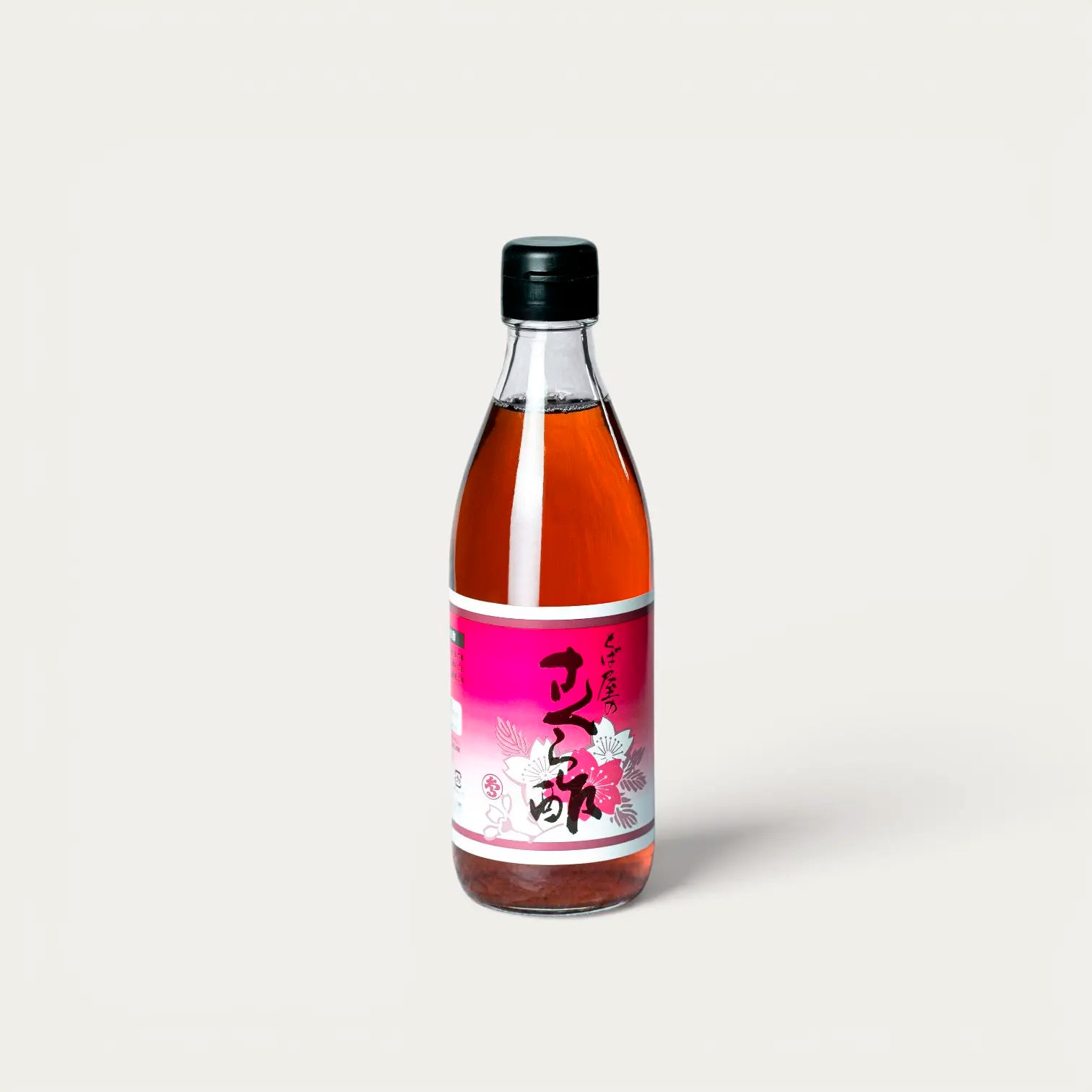


Bring a new accent to your cooking

Fillets of mackerel delicately marinated in a rice vinegar smoked with Sakura cherry wood. A refined recipe in which the briny flavours of the fish harmonise with the smoky, floral and subtly tang...

Fine slices of sea bream elevated by the delicately tangy intensity of umeboshi and the floral notes of Sakura cherry blossom vinegar. A fresh, refined and elegant starter, where marine flavours m...

Artisanal and traditional rice vinegar for Japanese cooking
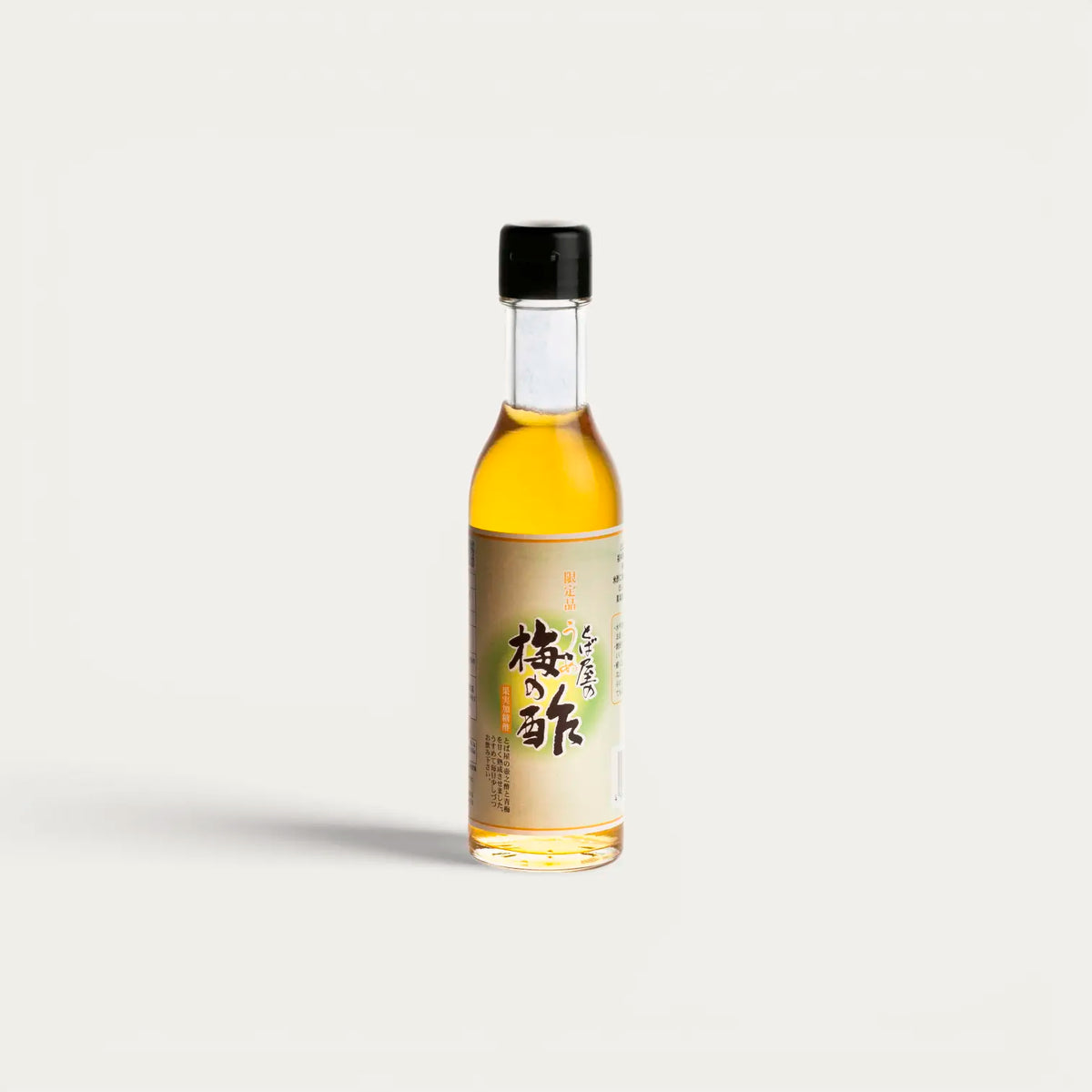
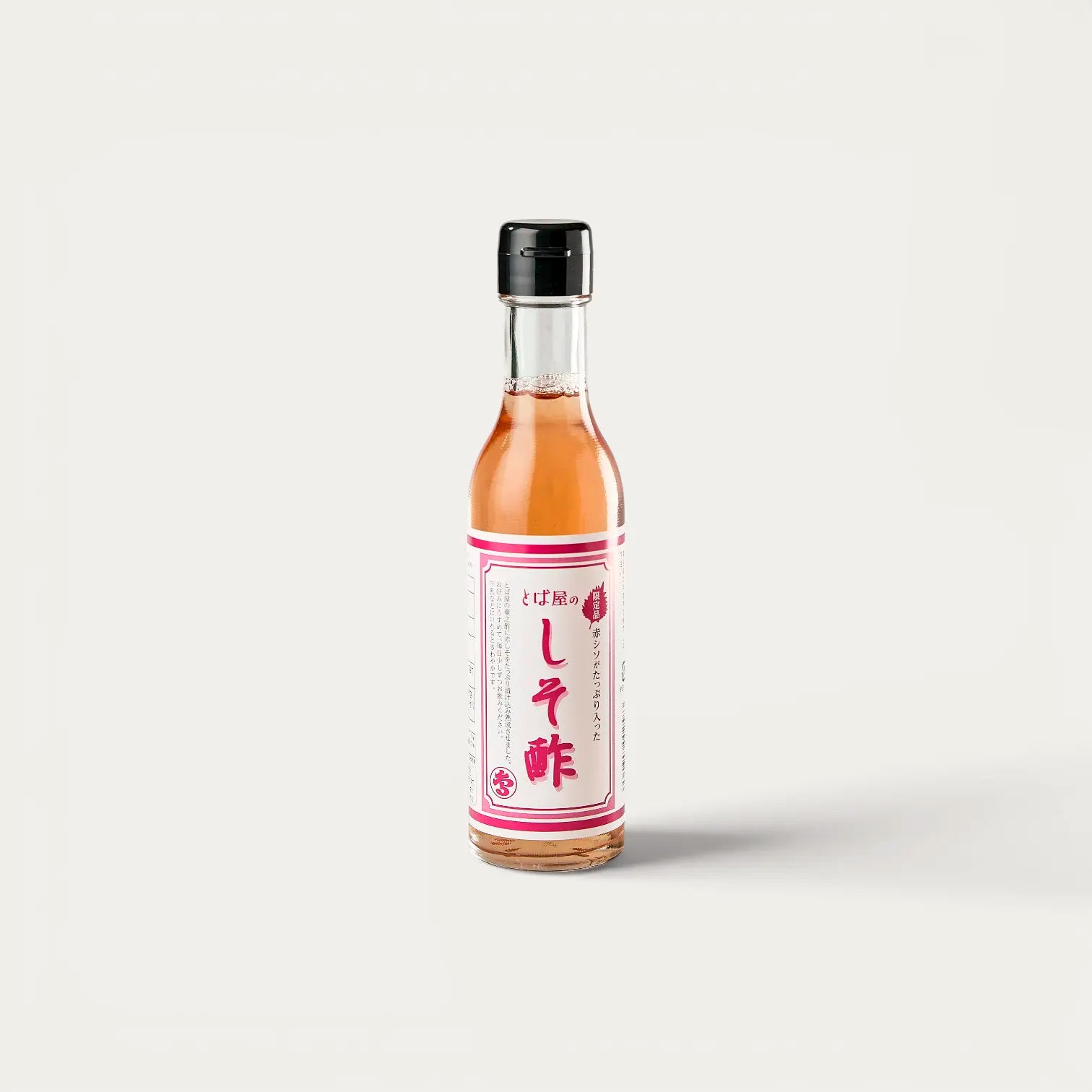
Rice vinegar is a fundamental ingredient in Japanese gastronomy, essential for the aromatic balance of dishes. Obtained through the careful fermentation of carefully selected rice grains, it stands apart from Western vinegars thanks to its moderate acidity and rounded mouthfeel. As a leading Japanese condiment, it serves as the base for countless preparations, from subtle marinades to the making of traditional seasoned rice. Importing these nectars directly from Japan guarantees full traceability and respect for ancestral brewing methods, far removed from mass-market standards.
How to choose the best vinegar for your sushi?
How to choose the best vinegar for your sushi?
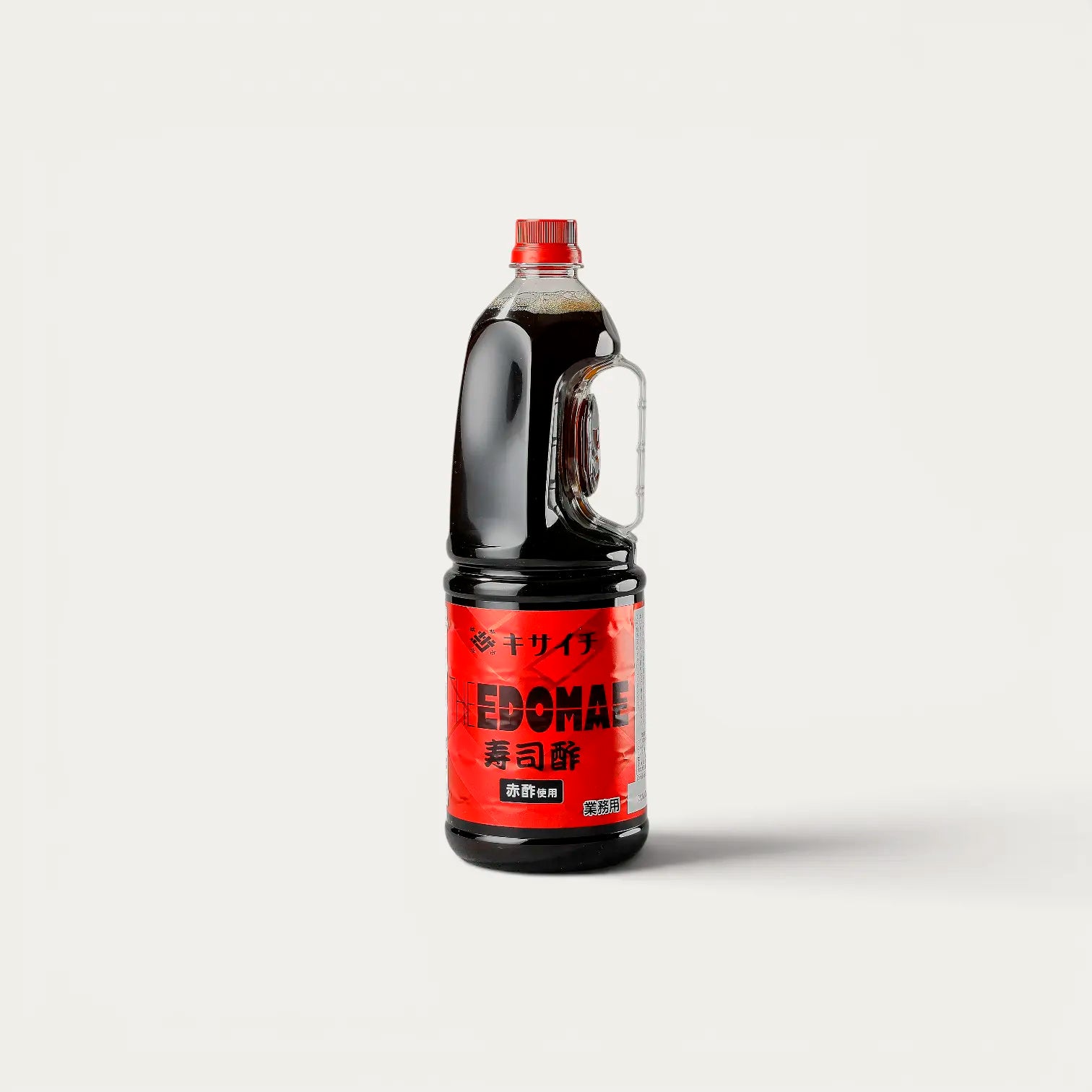
To achieve perfect makis and nigiris, the choice of seasoning is just as crucial as the quality of the fish. Good sushi rice should have a beautiful sheen and a sticky texture without being stodgy. The role of the seasoning is to provide a subtle balance that enhances the briny flavour of the fish without masking it. Opt for a natural product offering a mild flavour and rich in amino acids. Purists will often turn to an Akasu (red vinegar) to recreate the authenticity of traditional Edo-style sushi, which will give the rice a beautiful copper hue.
The different types of Japanese rice vinegar
The different types of Japanese rice vinegar
The Japanese archipelago offers a vast diversity of vinegars, each suited to specific culinary uses and possessing its own aromatic identity.
- White vinegar: This is the most common variety (known as komezu). It is characterised by its pale colour, clarity, and delicate flavour. It integrates perfectly into preparations without altering their colour.
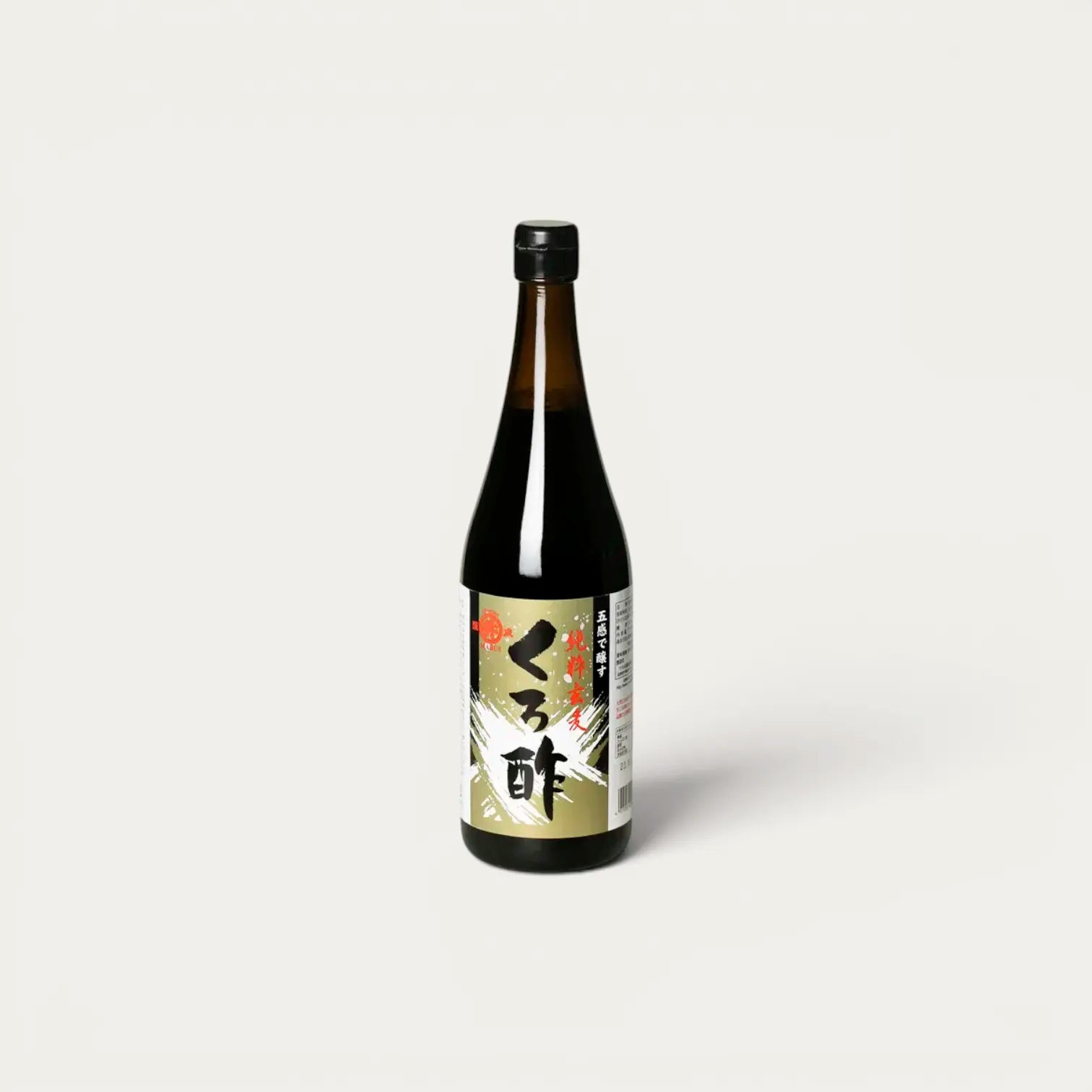
- Black rice vinegar (Kurozu): Made from unpolished whole rice and slowly fermented in earthenware jars exposed to the sun, it develops a dark colour and deep, almost roasted aromas.
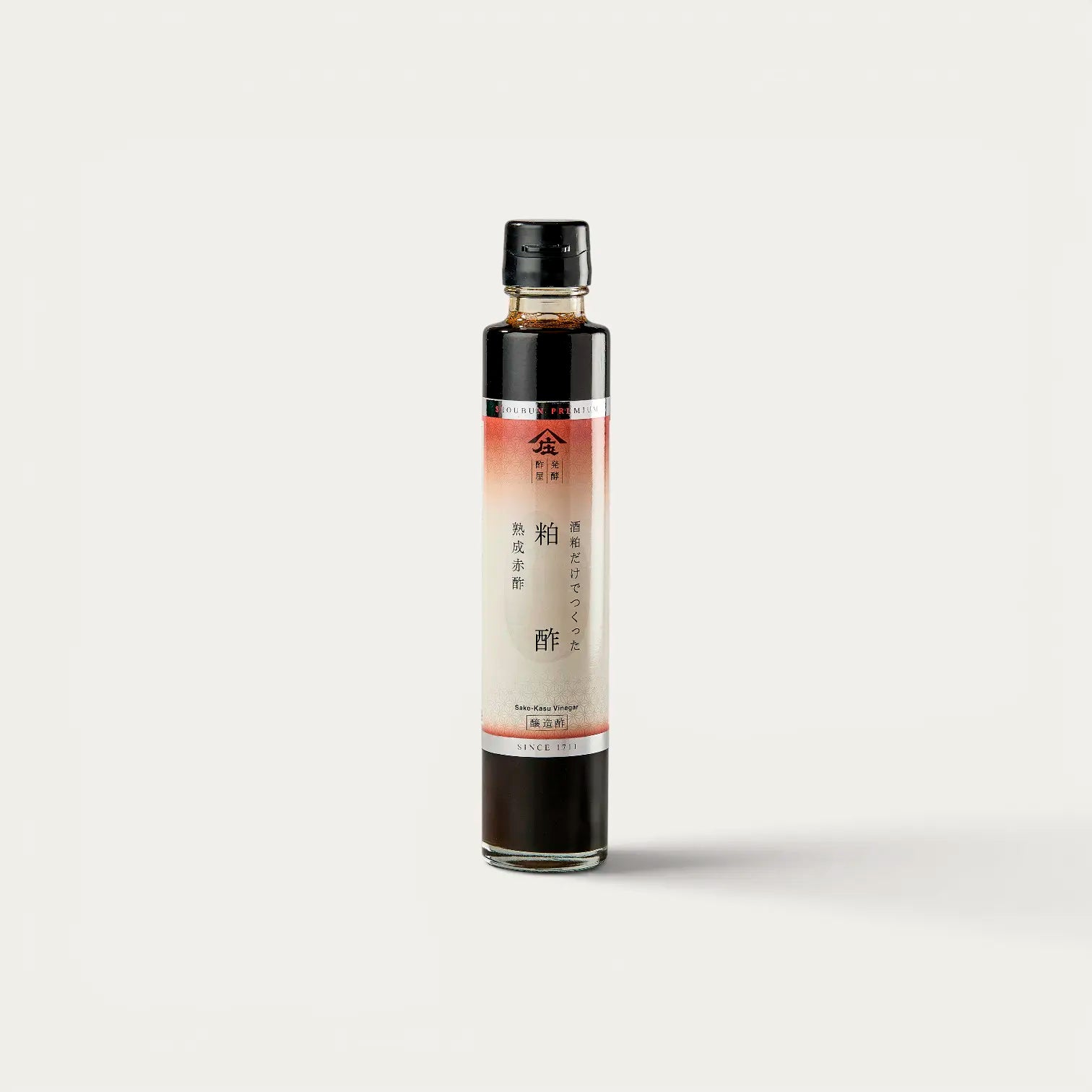
- Red rice vinegar (Akasu): Historically used during the Edo period, it is not produced directly from rice grains but from aged sake lees. It offers exceptional aromatic intensity and an amber colour.
- Sushi vinegar (Awasezu): This is a ready-to-use blend. The base vinegar is already mixed with sugar, salt, and sometimes dashi (Japanese fundamental stock), specially measured to season rice.
Craftsmanship vs Industry: the Nishikidori quality guarantee
Craftsmanship vs Industry: the Nishikidori quality guarantee
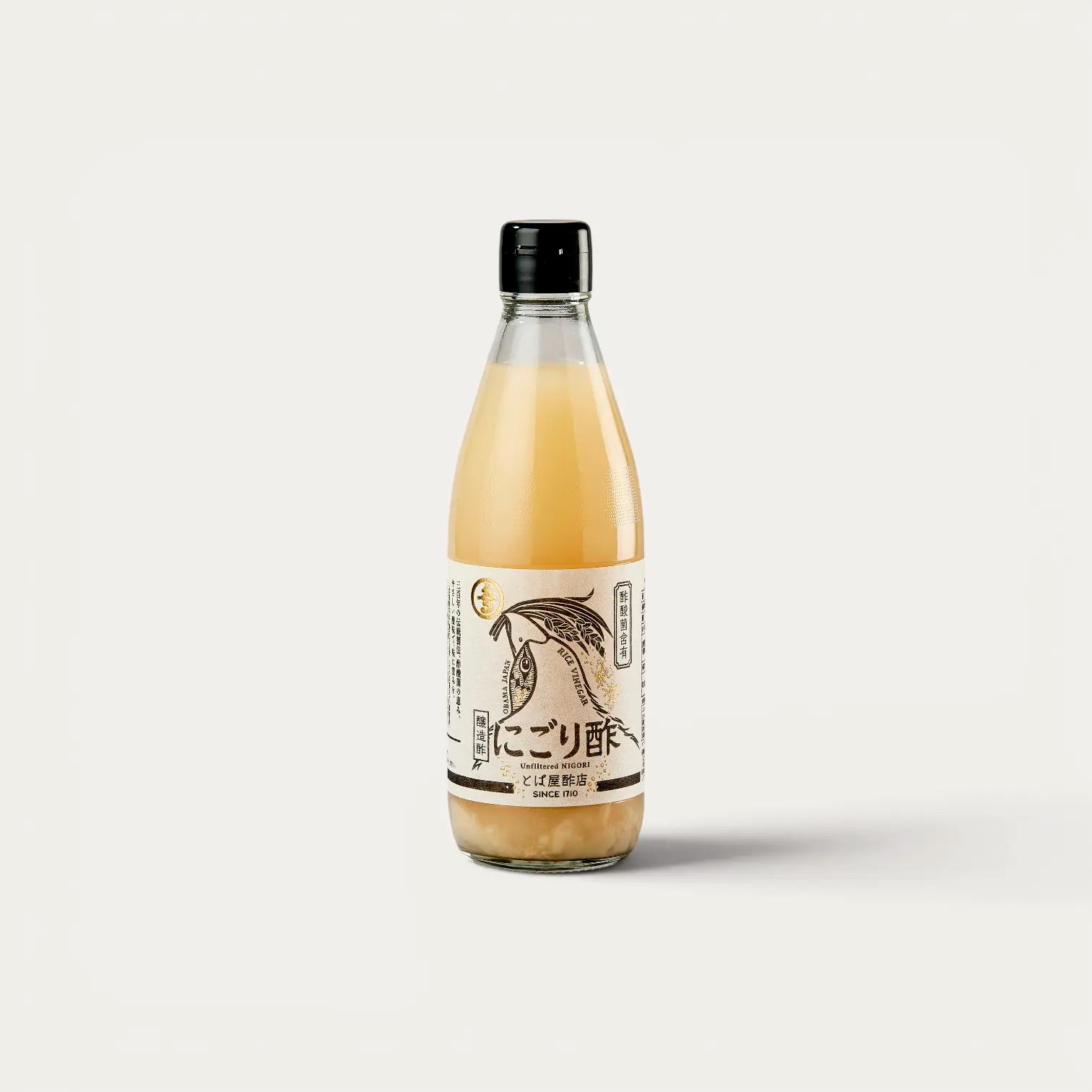
Not all vinegars are equal. In Japan, the vast majority of production is now standardised, but a handful of artisans resist. Century-old houses such as Lio Jyozo (Kyoto Prefecture) or Tobaya Suten (founded in 1710) perpetuate a tradition of excellence.
Their secret lies in a slow static fermentation. Unlike industrial producers, these artisans first produce their own sake (nihonshu) of exceptional quality. They prepare their own rice malt (the koji, an essential natural ferment) and use between 120g and 320g of rice per litre, whereas industry uses only 40g. This process gives the rice vinegar an unprecedented concentration of umami (the fifth fundamental flavour, rich and savourful).
| Quality criterion | Standard Industrial Vinegar | Artisan Vinegar (Nishikidori Selection) |
|---|---|---|
| Quantity of rice per litre | ~ 40 grams | 120 to 320 grams |
| Fermentation method | Accelerated (a few hours/days) | Traditional static (80 to 120 days) |
| Maturation | None or very brief | 8 months to several years (barrels or jars) |
| Alcohol base | Added industrial alcohol | Home-brewed sake (pure rice) |
| Aromatic profile | Acidic, sharp, one-dimensional | Mild, complex, rich in umami |
To experience this excellence, the celebrated Fujisu Premium Rice Vinegar from Lio Jyozo is a true benchmark, used by the greatest Michelin-starred chefs.
Uses of rice vinegar in cooking
Uses of rice vinegar in cooking
Beyond the preparation of seasoned rice, this exceptional product finds its way into many everyday recipes:
- Dressings: Combined with sesame oil and a dash of Japanese soy sauce, it elevates raw vegetable salads, shredded cabbage or wakame seaweed.
- Marinades: It tenderises meat remarkably well. It is the secret ingredient for marinating chicken before frying (karaage) or for preparing beef tataki.
- Sweet and sour sauces: It balances the sugar content of teriyaki sauce or nanbanzuke (marinated fried fish).
- Supplementary seasonings: A few drops are enough to liven up a broth, a miso soup or to deglaze a pan of seasonal vegetables.


