








In short: quality Japanese tableware can be recognised by its traditional craftsmanship: Mino porcelain, wood-fired Bizen stoneware, lacquerware or turned wood. Start with a piece you will use every day, such as a bowl, then add a special piece for entertaining, such as a jubako box.
Our premium Japanese tableware is selected from Japanese workshops. In Japan, tableware is not chosen as a complete matching set: you build your table piece by piece, mixing materials and shapes to suit the dishes and the seasons. Here’s how to compare craftsmanship, recognise an authentic piece and choose the right one.
Four crafts compared
| Craftsmanship | Material | Distinctive feature | Best for |
|---|---|---|---|
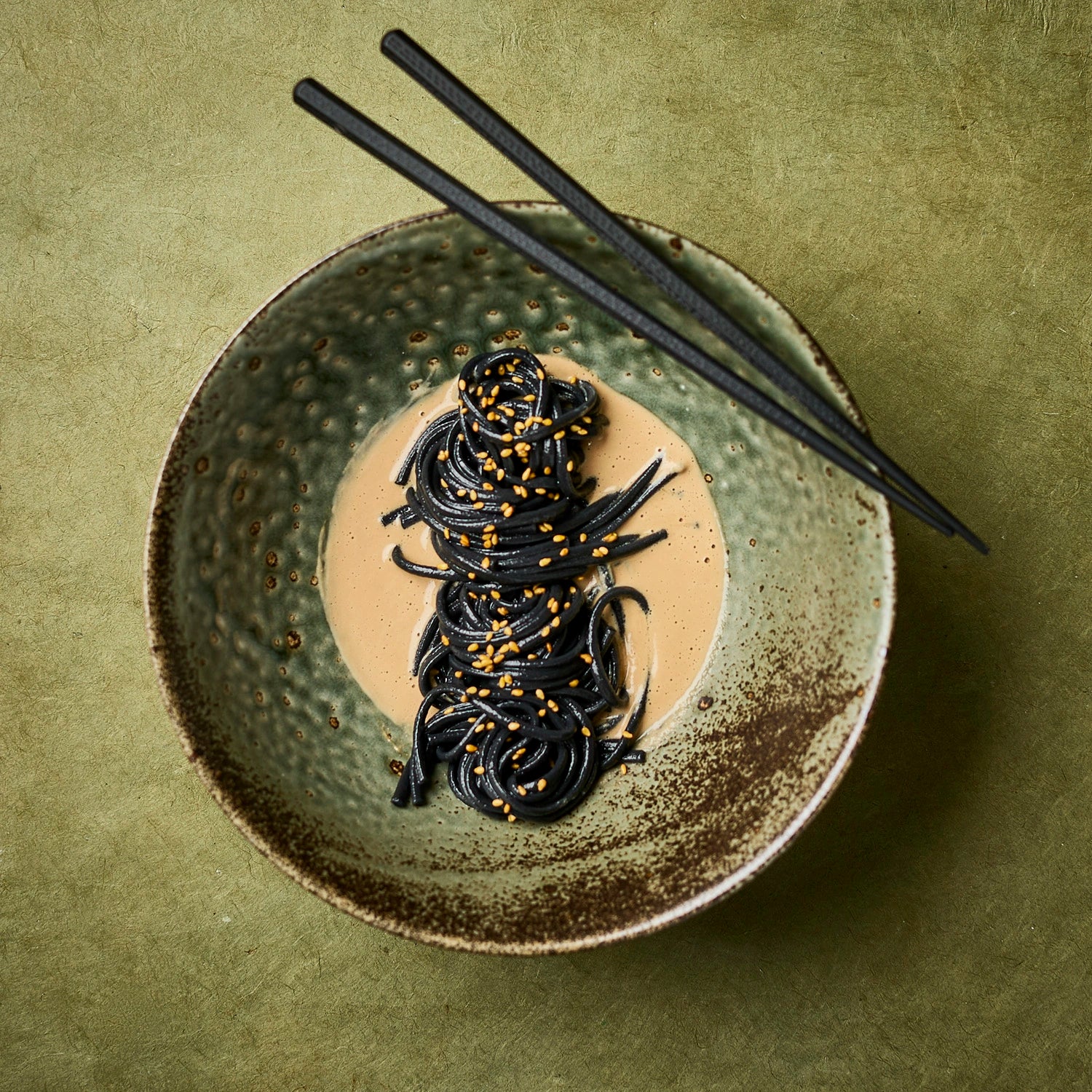
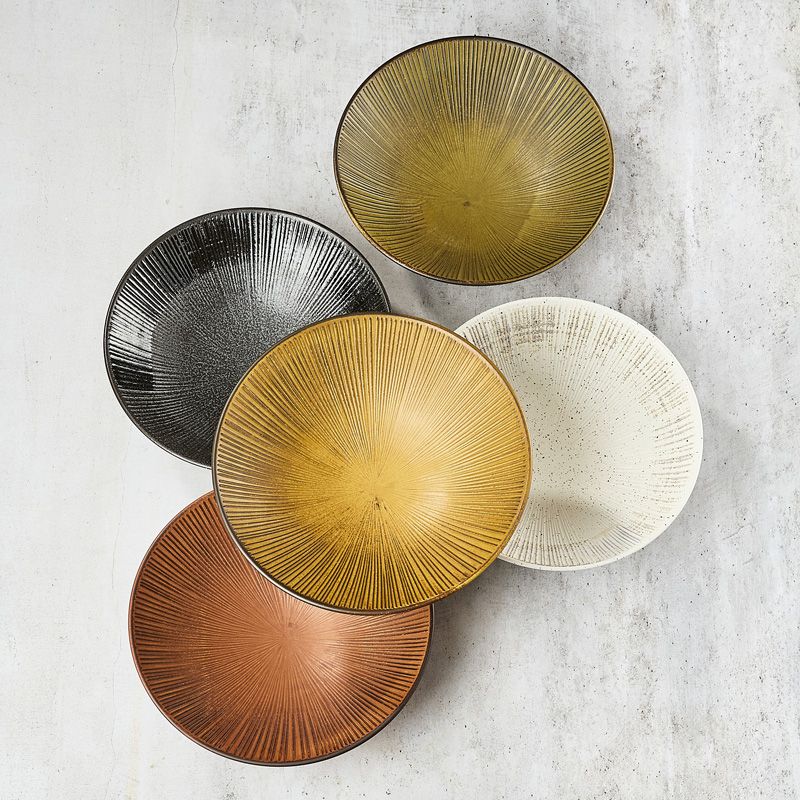
| Minoyaki | porcelain from the Mino region (Gifu) | varied glazes, fine yet durable | ramen bowls, everyday plates |
| Bizen | unglazed stoneware | brown tones created by wood firing | matcha bowls, collectors’ pieces |
| Lacquer (urushi) | lacquered wood | deep lustre, gold- or silver-leaf decoration | jubako boxes, soup bowls |
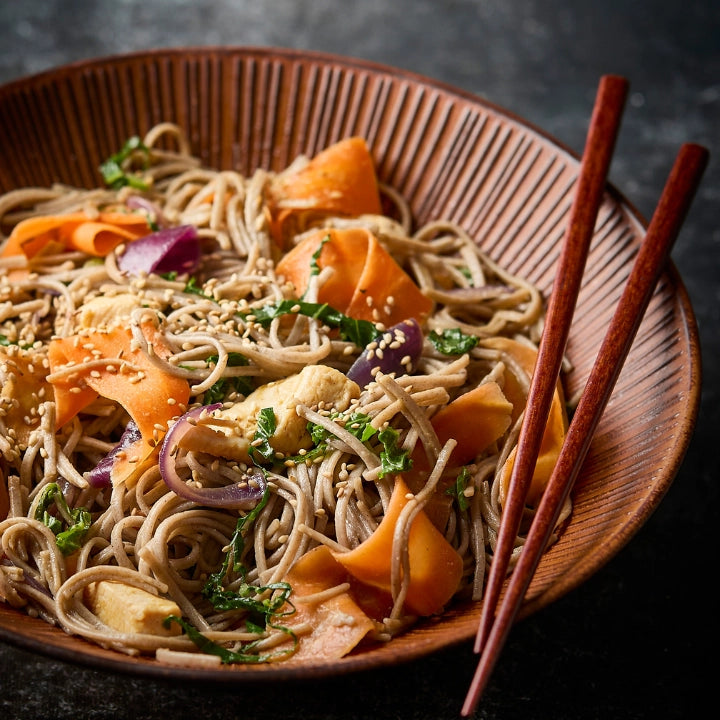
| Wood | turned wood, often lacquered | lightweight, warm to the touch | miso soup bowls, small dishes |

How to recognise an authentic piece
- A named origin: the region or workshop is specified. Mino, Bizen, Arita and Kutani refer to craft traditions, not styles.
- An identifiable technique: glazing, brush-applied slip (hakeme), layers of lacquer or turned wood.
- Slight variations from one piece to another: a difference in glaze, a firing mark or a slightly different thickness are signs of craftsmanship.
- The foot of the bowl: its unglazed base, often turned by hand, reveals the clay used.
Which piece should you start with?
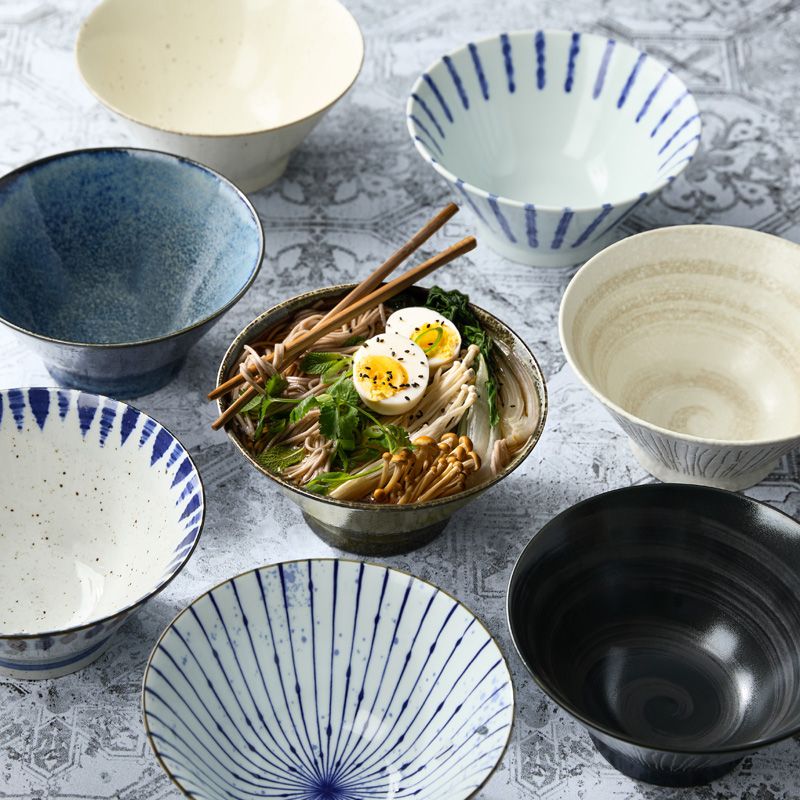
- A bowl: it is the most-used piece in Japan, for rice, soup and noodles. A Minoyaki ramen bowl or one of our Japanese bowls is ideal for everyday use.
- A matcha bowl: a Bizen stoneware bowl lends real presence to the tea ritual. See our matcha bowls.
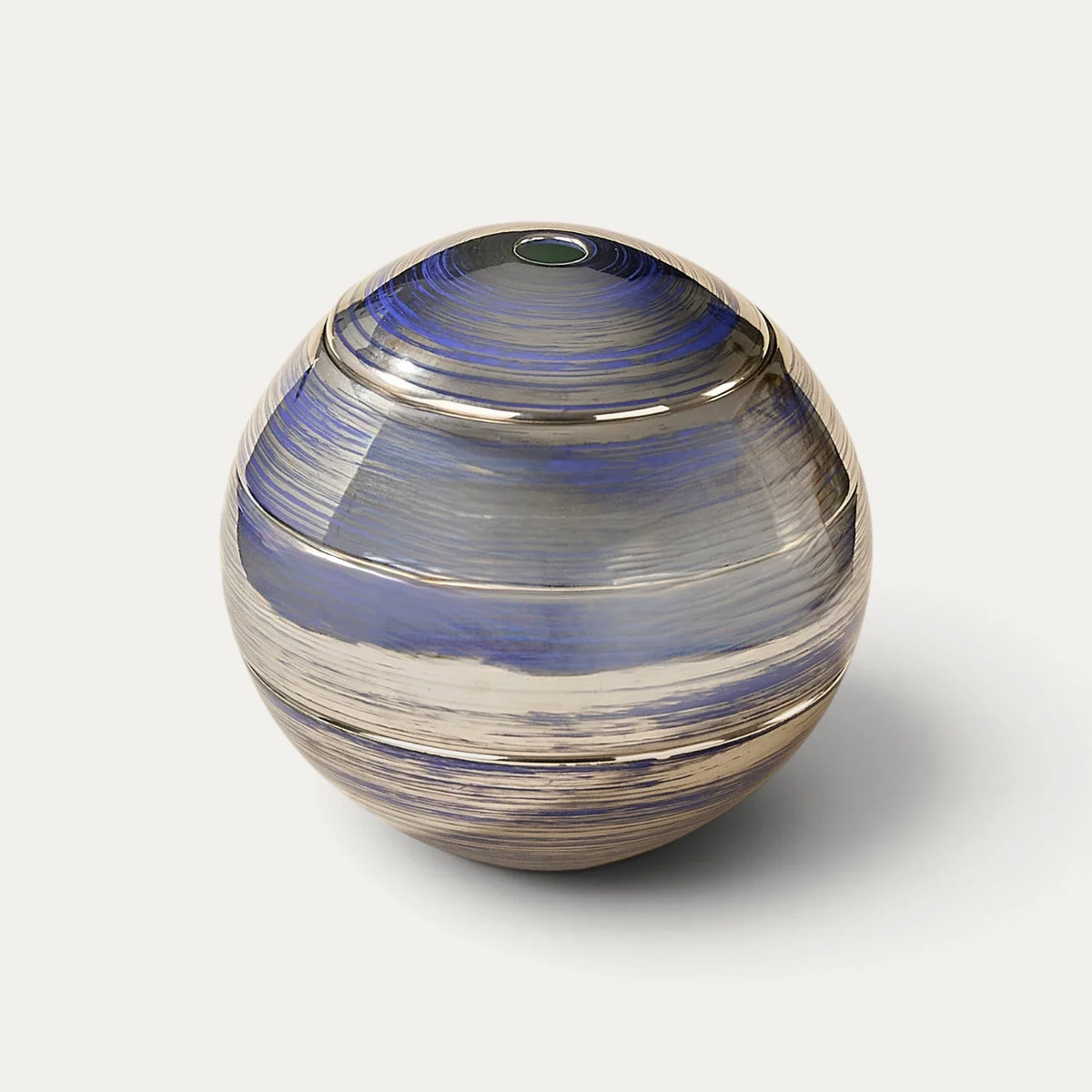
- A tiered box: the Jubako Sphere is stacked for festive meals, like the jubako used at Japanese New Year. Explore our bento boxes too.
- Small dishes: varied in shape, they hold sauces, pickles and condiments, and let you mix styles with confidence.
Setting a Japanese-style table
A Japanese meal is served in several small dishes rather than on one large plate. The basic arrangement places the rice bowl on the left, the soup on the right and the other dishes behind them. Feel free to mix porcelain, stoneware and lacquerware: what matters is the harmony of shapes and colours, not uniformity. In autumn and winter, stoneware and warm tones are favoured; in summer, pale porcelain and glass.
Care: what can go in the dishwasher
Porcelain can generally go in the dishwasher. Always wash lacquerware and wood by hand in lukewarm water, without abrasive cleaners, then dry them immediately. Rinse unglazed stoneware and leave it to air-dry, as it is porous. None of these lacquered or wooden pieces is microwave-safe. If in doubt, check the product page.
Frequently asked questions
How can you recognise authentic Japanese tableware?
By its stated origin, named technique and slight variations from one piece to another.
What is a jubako box used for?
To present dishes on several tiers, especially osechi, the Japanese New Year meal.
Which piece makes a good gift?
A matcha bowl or a pair of bowls makes a good gift: useful every day and easy to choose.
Is Japanese tableware oven-safe?
No, unless the product page says otherwise. Porcelain and stoneware can withstand the heat of served food, but not the heat of an oven.
In summary
Start with a porcelain bowl for everyday use, then add a piece with character: a Bizen bowl for tea or a lacquered jubako for entertaining.


