








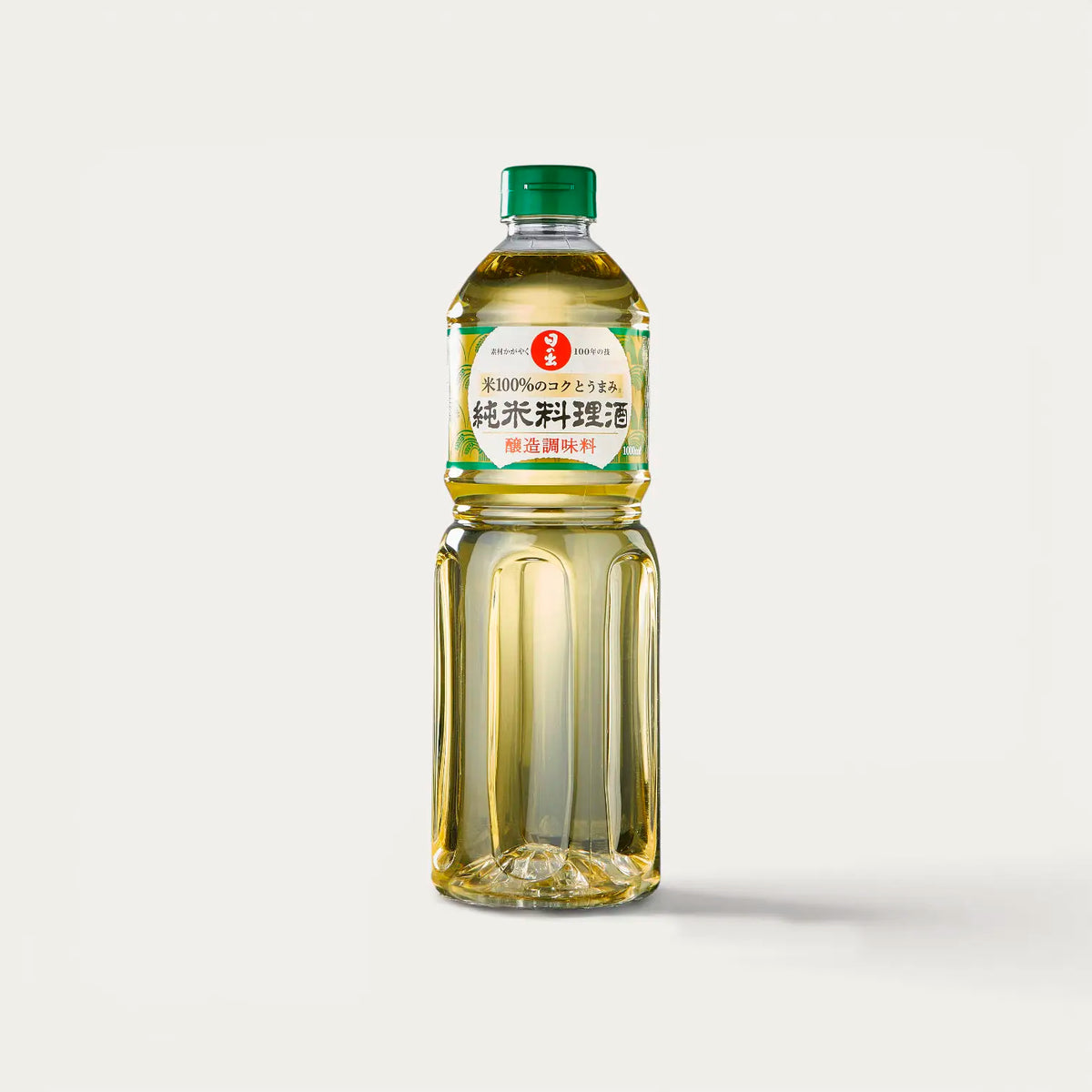
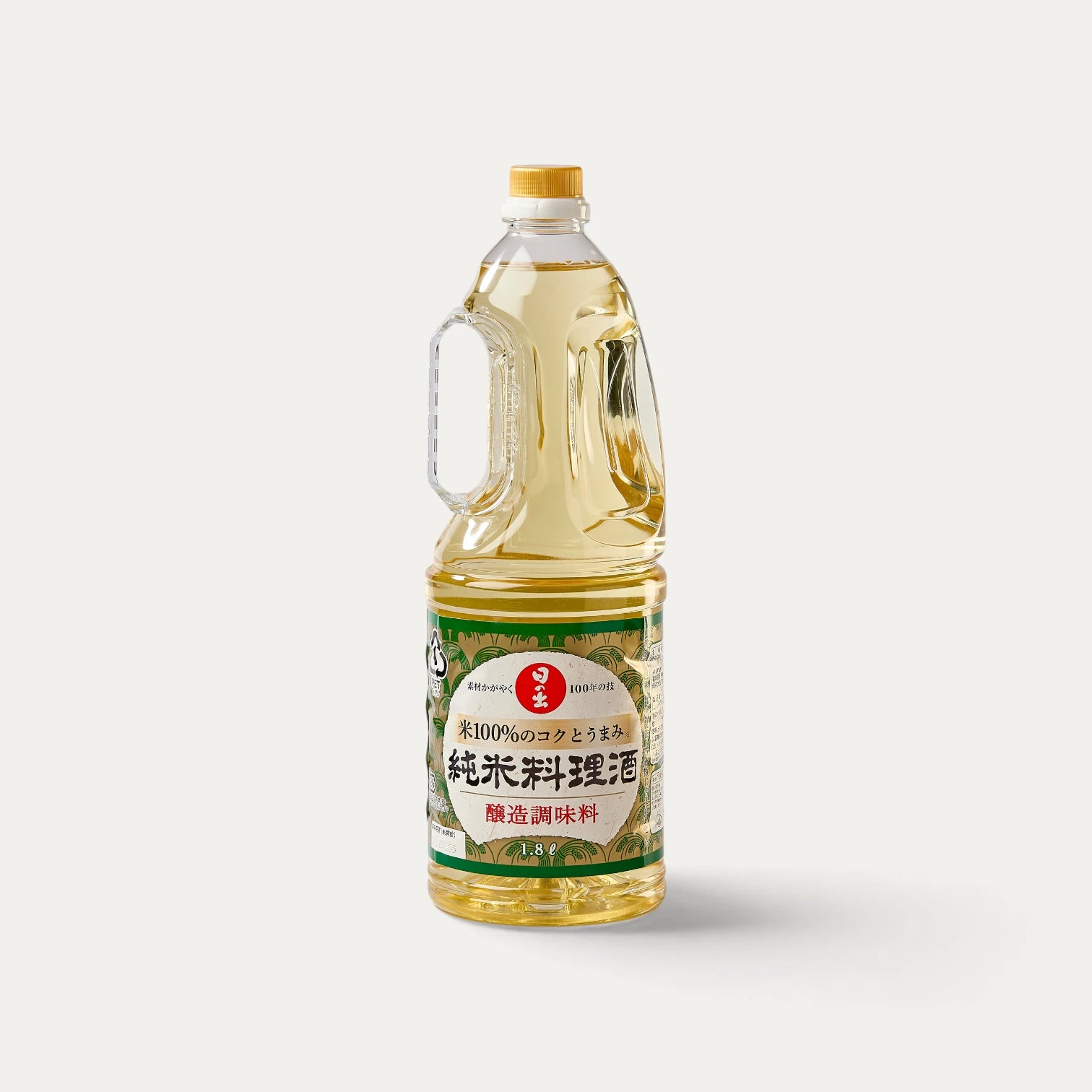
Mirin and cooking sake




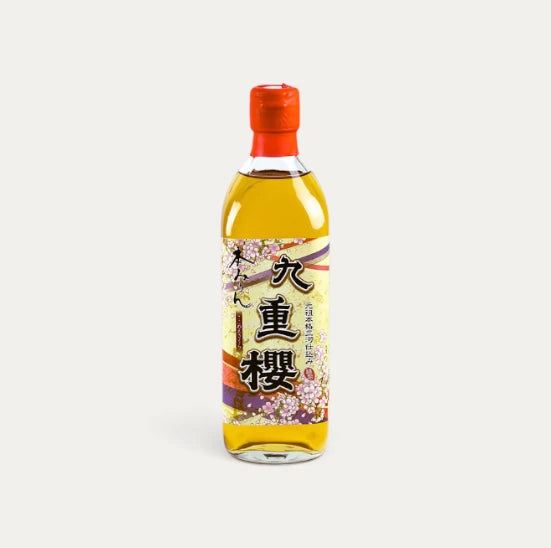


Bring a new accent to your cooking

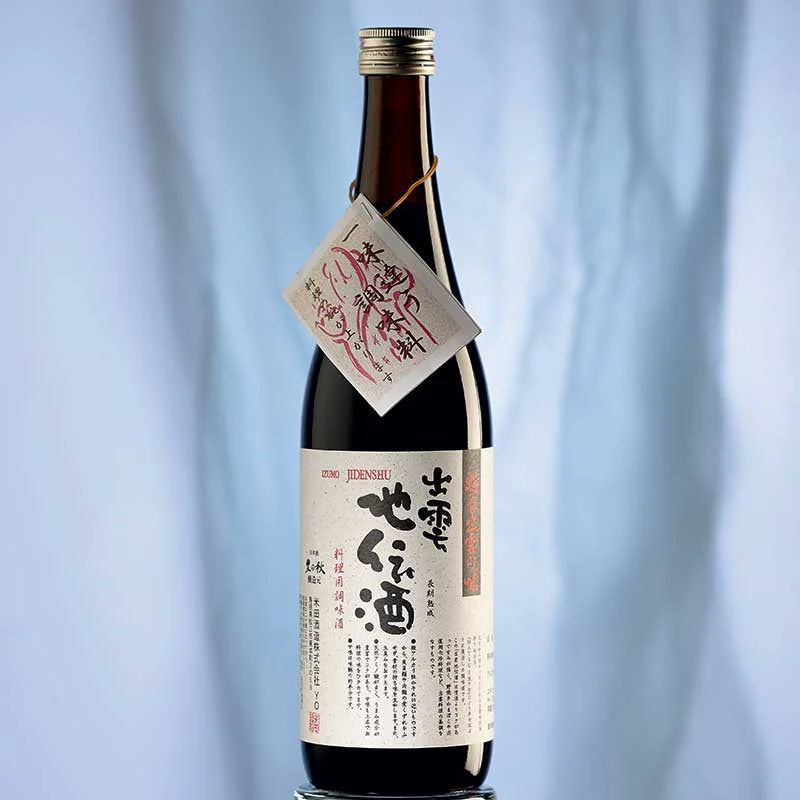
Crafted according to a traditional Japanese method, Izumo Jidenshu is specially designed for cooking. Its aromatic richness, natural sweetness and high concentration of umami make it an ideal ally...

Inspired by the traditional Japanese kimpira, this dish combines finely sliced beetroot and carrots sautéed with delicate seasonings. A colourful, crunchy and flavourful recipe where gentle vegeta...

A cod fillet delicately steamed to preserve all its delicacy, accompanied by the flavoursome Kiku sauce with its balanced, umami-rich notes. A light, elegant recipe subtly inspired by Japanese cul...

Clams cooked in a marinière scented with mirin and ginger, revealing all their briny delicacy. Served with nori seaweed toast, this elegant recipe marries marine freshness, umami notes and delicat...
Traditional Japanese Mirin: The Sweet Cooking Sake
Mirin is a quintessentially Japanese seasoning that is essential for anyone interested in Japanese gastronomy. Often described as a rice wine or a sweet rice alcohol, this condiment is one of the pillars of Japanese ingredients. A true staple of Asian cuisine, it brings a mild flavour and incredible depth of flavour to your preparations. Widely used in professional cooking, traditional mirin is the chefs' secret for balancing savoury dishes, adding gloss and elevating umami. Discover our premium selection imported directly from the finest breweries in Japan.
What is Hon Mirin (true mirin)?
To fully understand this ingredient, it is important to analyse the traditional mirin ingredients. Real mirin, officially called hon mirin (or honmirin), is the result of a natural and slow fermentation.
It is composed of three noble elements: steamed glutinous rice, koji rice (the aspergillus oryzae ferment) and shochu (a Japanese spirit) or heavily alcoholic water.
During maturation, the koji enzymes transform the starch in the rice into complex sugars, naturally creating this sweet flavour without any addition of industrial sugar. This type of rice wine generally has an alcohol content of around 14% (or alcohol level). This is what fundamentally distinguishes it from a simple cooking sake, the latter being far less sweet and drier.
Hon Mirin vs Mirin-fu: Avoid the imitations!
There are several types of mirin on the market, and it is crucial to know how to tell them apart. The majority of products sold in supermarkets are not authentic fermentations.
| Characteristic | Hon Mirin (Nishikidori) | Mirin-fu (Industrial imitation) |
|---|---|---|
| Composition | Glutinous rice, Koji, Shochu | Corn syrup, Water, Flavourings, Acid |
| Alcohol | ~14% natural | Less than 1% |
| Aromatic profile | Umami flavour rich, depth complex | Flat taste, aggressive artificial sweetness |
| Examples | Kokonoe Mirin, Isshisoden | Mirin hinode, Mirin honteri mizkan |
Shin mirin (or mirin seasoning typically found in supermarkets) is made quickly by mixing liquid sugar with various additives. While it is cheaper, it offers none of the benefits of mirin nor the texturising effect of the traditional product on your food.
Why use mirin? 3 magical culinary properties
To use mirin to its full potential, you need to understand its chemical action. Its uses are numerous and go far beyond a simple Asian cooking recipe.
- The glazing and shine effect: The lacquered effect is its most celebrated property. The natural sugars make your meats and fish glisten. It is the key ingredient for a truly homemade teriyaki sauce.
- Eliminating unpleasant odours: Thanks to its alcoholic aroma, it neutralises the strong smell of raw fish or strong-flavoured meats in a slow-cooked dish.
- Holding ingredients together: The alcohol in mirin firms up proteins (particularly in fish) and prevents the flesh from falling apart during cooking, while facilitating the absorption of other flavours such as those of a good Japanese soy sauce.
The Chef's tip: Simply mix a tablespoon of miso, a spoonful of mirin and a teaspoon of sake and you have the perfect marinade for making sublime glazed aubergines. You can even incorporate it into a crunchy vegetable dish or a savoury sauce or miso soup.
The art of fermentation: The excellence of our brewers
The gastronomic culture in Japan demands patience. The secret of our range lies in the ageing time. Our artisans allow the rice to ferment slowly, for many months or even years for certain exceptional batches.
"True Hon Mirin is not made in a factory in a matter of hours. It is time that transforms the starch into this golden elixir with amber hues."


