











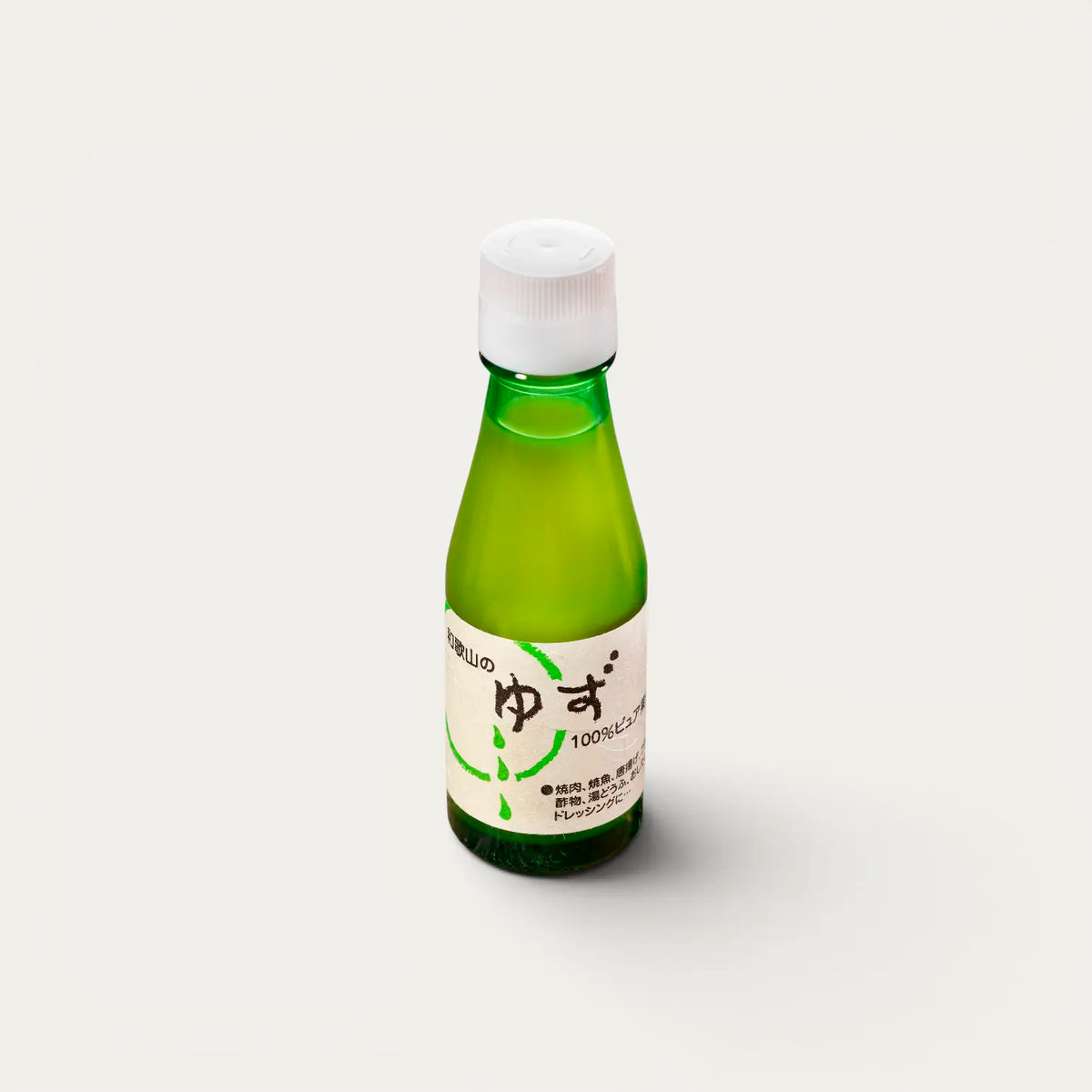

In short: good yuzu juice is 100% pure, with no added salt, and made from Japanese yuzu. For cooking and cocktails, choose undiluted liquid juice. For baking, powdered juice is easy to measure without adding liquid.
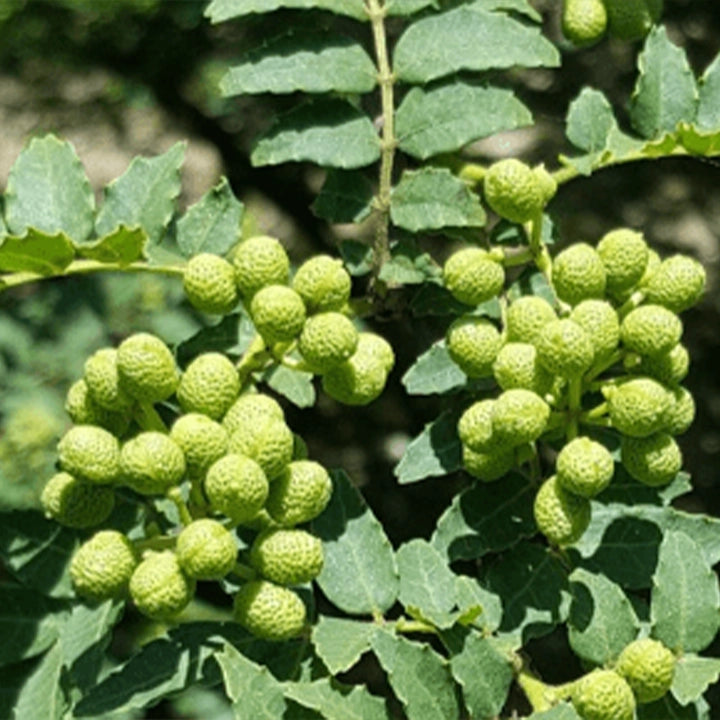
Yuzu is a Japanese citrus fruit with a floral aroma, somewhere between lemon, mandarin and grapefruit. It yields very little juice, making the juice rare and expensive, which explains the wide differences in quality from one bottle to another. Here’s how to read the label and choose from our selection of yuzu.
Four things to look for
- 100% pure: the ingredients list should contain nothing else. Beware of ‘yuzu drinks’ and juices blended with other citrus fruits.
- Salted or unsalted: some Japanese juices, known as yuzu-su, contain salt for preservation. They are perfect for seasoning but unsuitable for desserts.
- Origin: Kôchi Prefecture, on the island of Shikoku, is Japan’s leading producer of yuzu.
- Storage: unpasteurised juice retains more aroma but must be kept chilled and has a shorter shelf life once opened.
Comparing our bottles
| Juice | Key feature | Best for |
|---|---|---|
| Yuzu juice | our house favourite | sauces, dressings, fish |
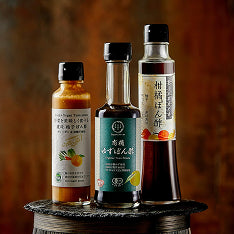
| Yuzu juice from Kôchi | from Kôchi, the leading producing region | ponzu, seasonings |
| Organic yuzu juice | organic, 180 or 900 ml | frequent use, cocktails |
| Wild Mishoyuzu yuzu | wild yuzu | tasting, finishing dishes |
| Powdered yuzu juice | no added liquid, measured by the gram | baking, chocolate, flavoured salt |

Why this juice is expensive
A yuzu is a small, bumpy citrus fruit, full of seeds and low in juice: it takes a lot of fruit to fill a bottle. It is harvested once a year, in late autumn, often by hand from thorny trees. Juice pressed by hand without heat is the most aromatic and the most expensive. Juice sold at a very low price is almost always diluted.
How to use it in cooking
A few drops are enough: use it instead of lemon wherever you want fragrance rather than acidity. Always add it after taking the dish off the heat, as heat destroys its aroma.
- In sauces: it’s the citrus fruit used in homemade ponzu sauce.
- On raw dishes: fish carpaccio, oysters or tartare.
- In a dressing: one part juice to three parts neutral oil.
- In desserts: a ganache, sorbet, cream or cheesecake.
- In drinks: mixed with sparkling water and honey, or in a cocktail.
How to store it properly
Once opened, keep the bottle sealed in the fridge and follow the storage period stated on the label. If you use it only occasionally, freeze the juice in ice cube trays: each cube gives you a ready-to-use portion without losing any aroma.
Frequently asked questions
What is yuzu juice?
The juice pressed from yuzu, a highly aromatic Japanese citrus fruit that yields little juice, hence its high price.
What can you use instead?
A blend of lemon and mandarin, though it won’t quite capture yuzu’s floral aroma.
What is the difference between yuzu juice and yuzu-su?
Yuzu-su is often salted and used as a seasoning. Pure juice is also suitable for desserts and drinks.
Where can you buy it?
At a Japanese grocer’s, online or in our Paris shop.
In summary
Choose pure liquid juice from Kôchi for cooking, a larger bottle of organic juice if you use it often, and powdered juice for baking.


