












Universal Japanese barbecue marinade: the recipe that works on everything
Ingredients
for About 300 ml of marinade
- 120 ml soy sauce
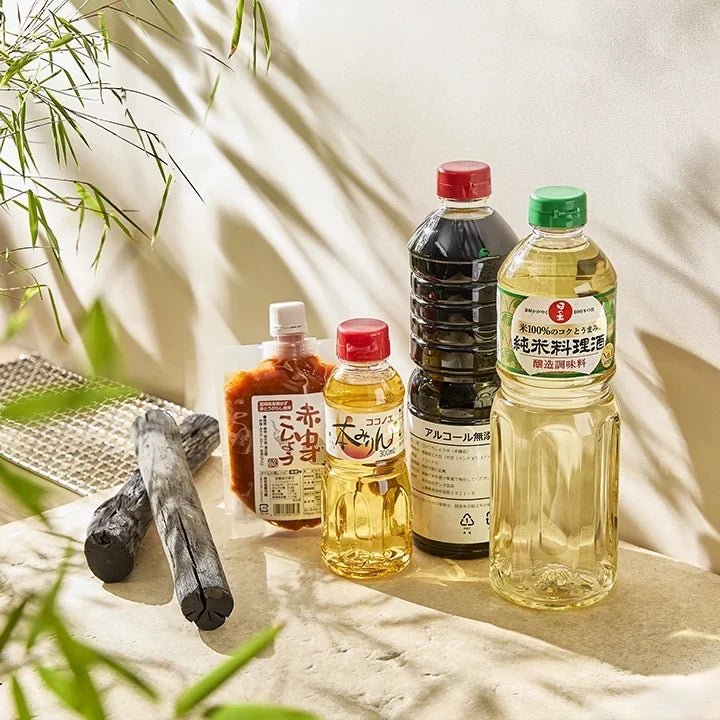
- 80 ml mirin
- 60 ml sake
- 60 ml water
- 2 tbsp brown sugar
- 1 grated garlic clove and 1 cm grated ginger
In brief — the universal Japanese marinade is built on soy sauce, mirin and sake, lifted with garlic, ginger and sugar. Marinate for at least 30 minutes, then grill for 20 to 30 minutes, brushing as you go. It works with chicken, beef, fish, tofu and vegetables.
If you could only keep one marinade for a Japanese barbecue, this would be it. Its sweet-savoury base — the same as teriyaki and yakitori — works just as well on a chicken thigh as on an aubergine or a salmon fillet.
What is Japanese marinade?
A sweet-savoury marinade, a close cousin of teriyaki and yakitori sauces. Its base: soy sauce, mirin, sake and sugar, with garlic and ginger added for depth. It plays two roles: tenderising the meat during resting, and giving it that glossy lacquered finish when cooked.
Why it works on almost everything
Its versatility comes from the balance of its components. Soy sauce provides salt and umami; the sugar in mirin triggers caramelisation reactions when heated, giving colour and depth; sake tenderises the fibres. The same base elevates meat, delicate fish or grilled vegetables alike, simply by adjusting the marinating time.
Japanese marinade or Western barbecue sauce?
Unlike an American barbecue sauce — thick, smoky, dominated by tomato and sugar — Japanese marinade remains liquid, salty-umami and translucent. It doesn't mask the ingredient; it reveals it. Where Western barbecue coats the meat in a thick layer, yakitori lacquers it finely, layer by layer. The flavour is cleaner, less sweet, and the marinade lighter, with no added fat.
The basic recipe
For a quick marinade, mix the ingredients cold. For a more syrupy yakitori-style sauce that coats better and has more sheen, reduce by half in a saucepan.
| Ingredient | Quantity (yakitori base) |
|---|---|
| Soy sauce | 120 ml |
| Mirin | 80 ml |
| Sake | 60 ml |
| Water | 60 ml |
| Brown sugar | 2 tbsp |
| Garlic and ginger | 1 clove + 1 cm grated |
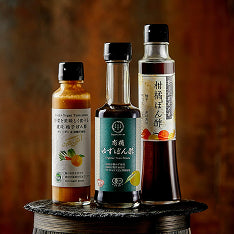
If you're short on time, a ready-to-use yakitori sauce does the job perfectly.
Marinade or sauce: what's the difference?
The marinade is used raw: the ingredient is soaked in it before cooking. The sauce is the reduced marinade, used to coat at the end of cooking for glazing. The ideal approach is to combine both: marinate, then brush with a reserved and reduced portion.
Safety: never reuse marinade that has been in contact with raw meat as it is. To use it as a sauce, bring it to the boil for at least one minute.
Variations by ingredient
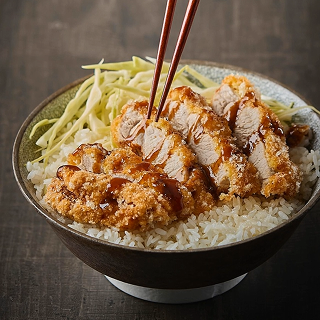
- Chicken (yakitori): in pieces or on skewers, brushed at the end of cooking. The most classic use.
- Beef: ideal for strips or a rare grilled steak, teppanyaki-style.
- Pork: ribs or shoulder, with a longer marinating time to tenderise.
- Fish: salmon, mackerel, tuna — a short marinade of 15 minutes, to avoid "cooking" the flesh.
- Tofu and vegetables: aubergine, mushrooms, corn, courgette. Allow them to absorb the marinade well.
Marinating and cooking times
| Ingredient | Marinade | Cooking (barbecue or griddle) |
|---|---|---|
| Chicken | 1 to 2 h | 20–25 min |
| Beef | 30 min to 1 h | 8–12 min |
| Fish | 15 min | 8–12 min |
| Vegetables and tofu | 30 min | 10–15 min |
On a griddle or Japanese barbecue, turn regularly and brush with the reserved sauce to intensify the glaze. The basic marinade keeps for about two weeks in the refrigerator, in a sealed jar.
Getting the cooking right
Wipe off excess marinade before placing the ingredient on the grill: too much liquid sugar burns and blackens. Sear over high heat to mark, then finish over gentle heat. Brush in several layers at the end of cooking only, to build up the glaze without charring it. Finally, leave the meat to rest for a few minutes before serving.
Time-saving tip: marinate in a freezer bag rather than a bowl. The marinade coats the ingredient more evenly, using half the liquid. Push out the air, seal, and turn the bag halfway through.
The right equipment
For cooking faithful to the yakitori-ya, nothing beats a proper konro barbecue: its narrow shape and intense embers sear the skewers without drying out the meat. Round out your grilling with condiments such as ponzu sauce, perfect with grilled vegetables and fish.
Chef's tip: don't mix meat and vegetables on the same skewer — they don't have the same cooking time. Make separate skewers and bring them together on the plate.
Serving suggestions
A bowl of white rice, a crunchy cabbage salad, edamame or grilled vegetables — corn, shishito, aubergine. For a convivial table, multiply the small sharing plates and offer several sauces: the reduced marinade, tangy ponzu and a touch of Japanese mustard.
Frequently asked questions
How long should you marinate?
A minimum of 30 minutes, up to one or two hours for meats. For fish, limit to 15 minutes to preserve the texture.
Which meats can this marinade be used on?
It is universal: chicken, beef, pork, fish, as well as tofu, mushrooms and grilled vegetables.
What is the difference between teriyaki and yakitori?
Same base. Teriyaki refers to a pan-glazing technique; yakitori to grilled skewers cooked over charcoal and coated in sauce.
Can this marinade be made without alcohol?
Yes: replace sake and mirin with a little water and sugar. The flavour profile will be less rounded but remains tasty.
Can the marinade be reused?
Not as it is if it has been in contact with raw meat. Bring it to the boil for one minute before using it as a sauce.
Is the marinade suitable for the oven?
Yes: 200 °C for about 45 minutes for thighs, brushing halfway through cooking.
How long does the marinade keep?
About two weeks in the refrigerator in a sealed glass jar, before any contact with raw meat.
Which barbecue for yakitori?
A narrow konro, designed to sear skewers at high temperature without drying out the meat.


