












Key takeaways for choosing your sesame oil
Between virgin sesame oil, toasted or refined, each variety reveals a unique character. Virgin oil, cold-extracted, offers a mild and subtle flavour, ideal for raw vegetables or delicate dishes. Toasted oil, made from roasted seeds, wins over with its intense nutty fragrance and enhances Asian recipes or quick vinaigrettes. Refined oil, more neutral and heat-resistant, is perfect for high-heat cooking.
The differences go beyond taste: antioxidant richness, essential fatty acid content, smoke point… Each type has its advantages depending on your culinary preferences and health needs. Discover in this article how to make the most of their qualities, choose according to your uses, and adopt the right habits to elevate your everyday dishes.
How to choose your sesame oil: virgin, toasted or refined?
Choosing a sesame oil suited to your needs depends above all on its production methods and culinary uses. Virgin oil, toasted oil and refined oil each reveal distinct aromas, nutritional properties and uses that influence the flavour of your dishes and the intake of essential nutrients.
| Oil type | Aroma | Main use | Smoke point |
|---|---|---|---|
| Virgin | Mild, light | Seasoning, salad dressing | 175°C |
| Toasted | Roasted hazelnut, intense | Finishing, Asian cuisine | Approximately 175°C |
| Refined | Neutral | High-temperature cooking | 232°C |
Understanding these differences will allow you to select a sesame oil that best enhances your recipes whilst making the most of its nutritional qualities.

Virgin, toasted or refined sesame oil: what are the differences?
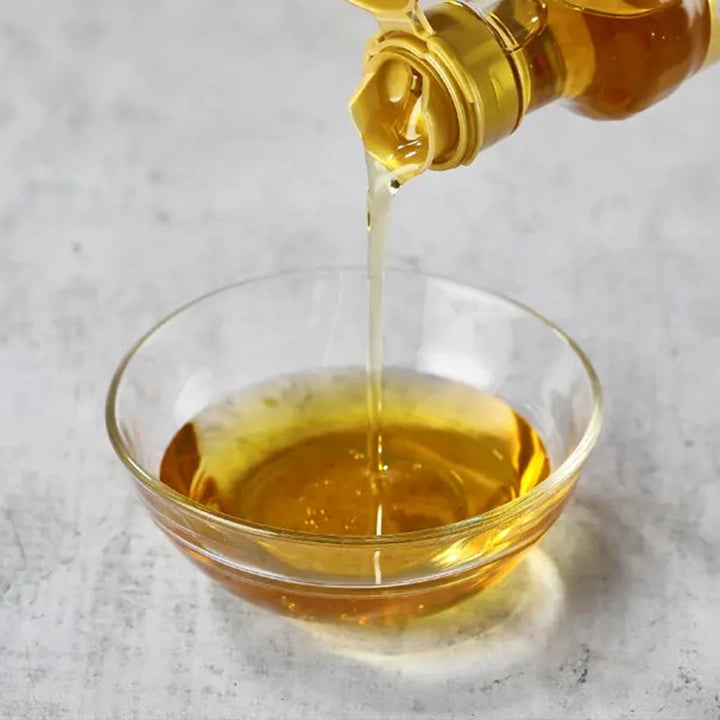
Each type of sesame oil has a unique profile, resulting from its extraction and processing method. Virgin oil is obtained by cold pressing raw seeds, thus preserving its light colour, subtle fragrance and nutritional qualities. Toasted oil comes from seeds roasted before pressing, which gives it a dark amber colour and an intense nutty flavour, typical of Asian cuisine. Finally, refined oil results from a process involving extraction followed by refining, which neutralises taste and odour and makes the colour very light, ideal for high-temperature cooking.
| Oil type | Colour | Scent/Flavour | Typical uses |
|---|---|---|---|
| Virgin | Pale | Mild, light | Seasoning, sauces, cold dishes |
| Toasted | Dark amber | Very fragrant, roasted aroma | Finishing, marinades, Asian cuisine |
| Refined | Clear/transparent | Neutral | Cooking, frying |
When choosing your sesame oil, pay attention to these differences to best match flavour and use to your culinary preferences.

Nutritional benefits and culinary uses of sesame oils
Sesame oil stands out for its high content of essential fatty acids (mainly omega-6 and omega-9), vitamin E and natural antioxidants such as sesamin and sesamolin. Used raw, particularly in its virgin form, it best preserves these nutrients, supporting cardiovascular health and cellular protection whilst limiting damage from free radicals.
| Oil type | Unsaturated fatty acids | Ideal use |
|---|---|---|
| Virgin (cold pressed) | Omega-6: 39–41%, Omega-9: 39–42% | Seasoning, salad dressing |
| Toasted | Slight loss of vitamins | Finishing, Asian dishes, marinades |
| Refined | Good cooking stability | Stir-fry, frying, wok |
In cooking, opt for virgin oil for cold uses (vinaigrettes, dressings) to maximise the intake of heat-sensitive fatty acids. Toasted oil is used as a finishing touch to boost flavours, whilst the refined version withstands high temperatures without compromising its quality, making it perfect for woks and frying. Using the right type of oil for each purpose allows you to enjoy both the unique flavour and the health benefits of sesame. Cold-pressed toasted sesame oil should not be heated — use it raw only, otherwise you will get deep bitter notes.
Practical tips for choosing your sesame oil every day
To select the best sesame oil for your needs, always opt for an extra virgin or virgin oil, obtained by cold pressing, in order to preserve both the aromas and the nutritional richness of sesame. Check the origin and read the label carefully to avoid unjustified blends or additives. A pure, organic sesame oil guarantees optimal quality, whether for seasoning, cooking or cosmetic use.
- Cold pressed: More authentic flavour and preserved nutrients
- Toasted: Powerful aroma, ideal for Asian dishes and marinades
- Refined: Neutral flavour, better suited to high-temperature cooking
- Storage: Keep away from light, tightly sealed, consume within 6 months of opening
Choose your oil according to your taste preferences and intended use: a toasted oil to boost your dishes, a virgin one for salads, or refined for frying without altering the flavour. A careful selection maximises both flavour and health benefits.
Choosing the Ideal Sesame Oil: Conclusions
Choosing the right sesame oil is crucial to optimising its culinary and nutritional benefits. Between virgin, toasted and refined oil, each type offers unique advantages. Virgin sesame oil is ideal for salads thanks to its delicate flavour and antioxidant properties, whilst toasted oil is perfect for adding a nutty touch to your dishes. Refined oil, meanwhile, is better suited to high-temperature cooking.
In terms of health benefits, sesame oil is rich in unsaturated fatty acids and antioxidants, making it beneficial for skin and hair. It helps to moisturise the skin, protect hair from environmental damage and promote hair growth. In addition, sesame oil can be used for a relaxing massage, thanks to its warming and detoxifying properties.
In conclusion, selecting the right sesame oil depends on your specific needs: taste, nutritional or cosmetic. By understanding the differences between these oils, you will be able to make the most of their diverse benefits and enrich your daily life with a natural and effective alternative.
FAQ - How to choose your sesame oil: virgin, toasted or refined?
What is the difference between virgin, toasted and refined sesame oil?
Virgin sesame oil is cold-extracted from raw seeds, with a mild flavour and a light colour. Toasted oil comes from previously roasted seeds, giving it an intense nutty aroma and a darker colour. Refined oil is processed to remove impurities, producing a neutral oil suitable for high-temperature cooking.
When should you use toasted sesame oil in cooking?
Toasted oil is ideal for seasoning at the end of cooking, enhancing Asian dishes, salads, vegetables, rice or roasted meats, thanks to its pronounced smoky flavour and roasted nutty aromas.
Can you cook with virgin or toasted sesame oil?
Virgin and toasted oil have a lower smoke point (approximately 175°C), so they are better suited for gentle cooking or as a finishing touch. For high-temperature cooking, it is better to opt for refined oil, which can withstand up to 232°C.
What are the nutritional benefits of sesame oils?
All retain essential fatty acids and vitamin E. Toasted oil preserves its nutritional benefits whilst offering a more pronounced flavour, whereas refined oil loses some micronutrients but remains stable during cooking.
How to choose your sesame oil for everyday use?
Choose the oil according to its use: virgin for a neutral flavour in dressings, toasted for intense flavours in cold or warm cooking, refined for high-temperature cooking. Opt for organic oils and store them away from light and heat.


