








To make excellent broths and bring out the best in traditional recipes, finding the best katsuobushi bonito is essential. This is no mere condiment: it is one of the two fundamental pillars of Japanese seasoning. But with so many standardised products on offer, how can you recognise excellence? As experts, we’ll guide you towards authentic dried bonito made through a rigorous artisanal process, bringing unparalleled aromatic depth to your cooking.
What is katsuobushi (dried bonito)?
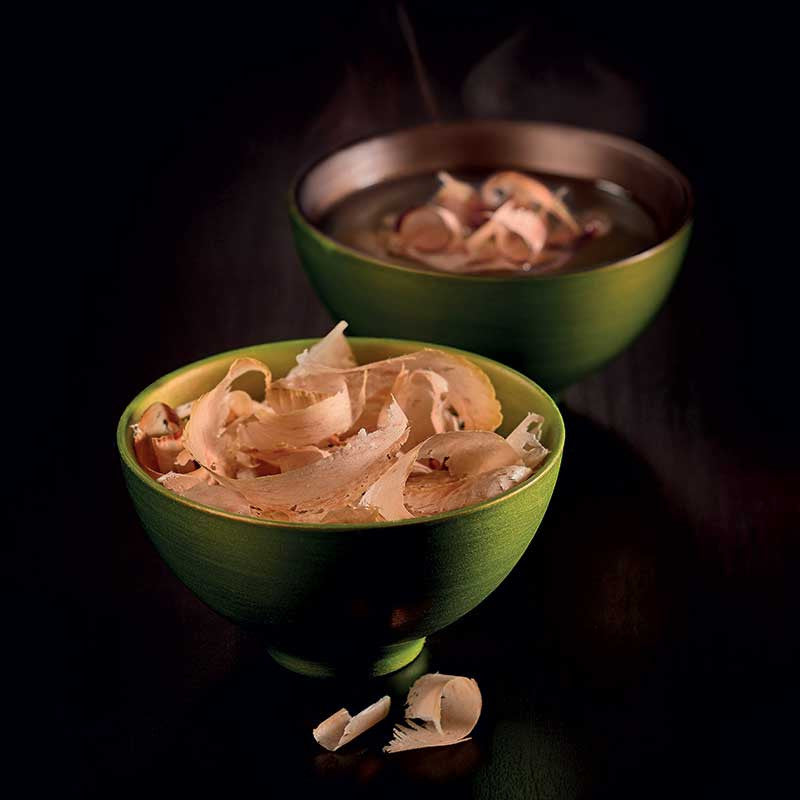
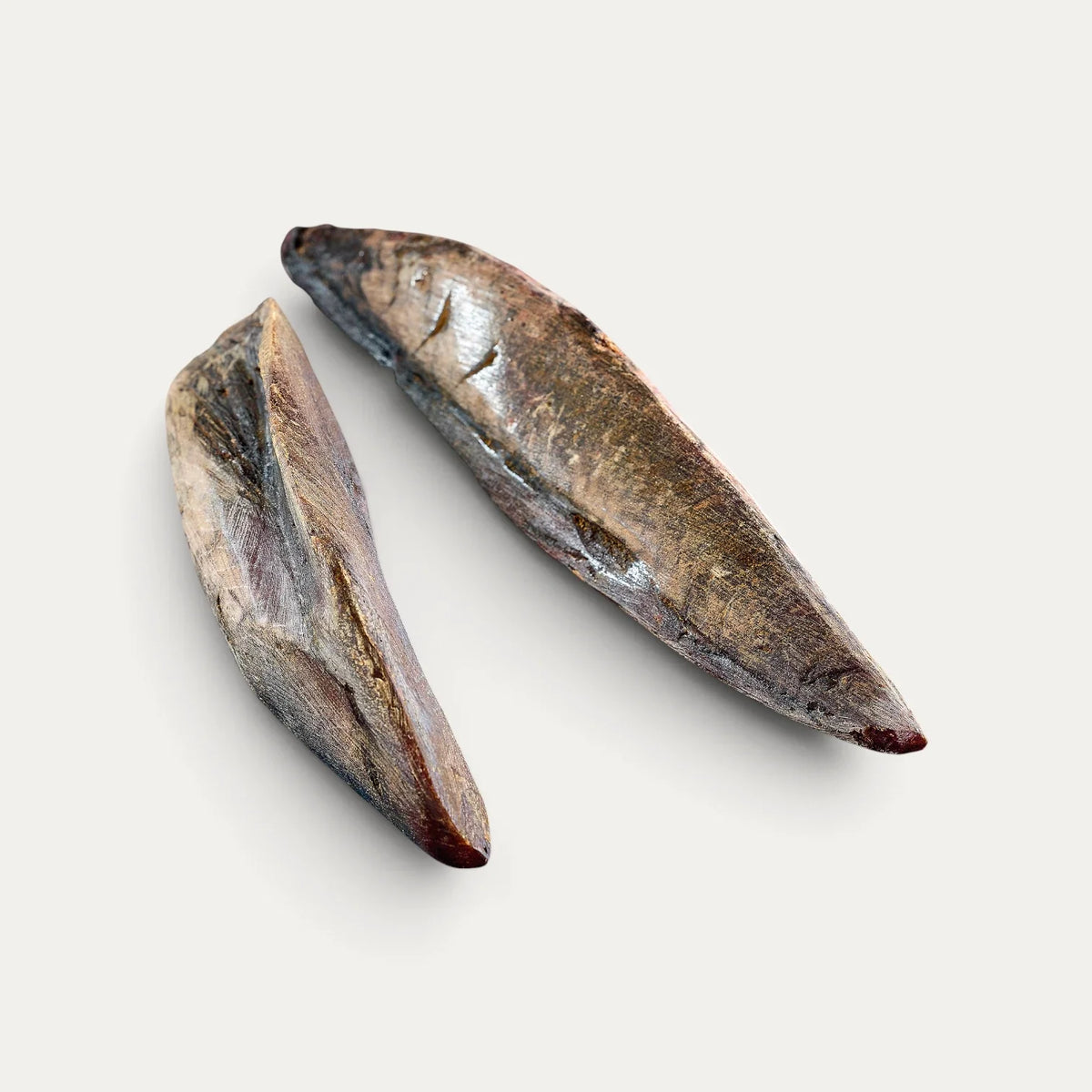
Katsuobushi is a traditional fish preparation made mainly from skipjack tuna, a member of the mackerel family. Making it is an exercise in culinary precision: after cutting and careful cooking, the fillets undergo a long smoking process over oak, beech or cherry wood, repeated many times.
For the finest pieces, a further stage of fermentation and extensive drying follows. This traditional craft can take several months, reducing moisture to less than 20% and concentrating the aromas. The ultimate goal is an exceptional level of umami, thanks to naturally occurring inosinic acid. It is this element that gives Japanese cuisine its distinctive savoury depth and resonance.
Arabushi vs honkarebushi: how do you choose?
Not all flakes are created equal. Modern producers often speed up the process, but tradition distinguishes two main types of bonito, defined by their ageing time and flavour profile.
Arabushi is the most common variety. The fish is smoked and dried, giving it bold, direct and distinctly woody notes. It is the only type of katsuobushi permitted for export to the European Union.
By contrast, honkarebushi undergoes a further, highly complex ageing process. The producer inoculates it with a beneficial mould (Eurotium herbariorum), which gradually absorbs the remaining moisture and breaks down the fish’s fats. This process produces a deep, clean, elegant flavour without bitterness.
Honkarebushi may not be imported into Europe: prolonged smoking raises its benzo[a]pyrene content above European limits, and the mould Eurotium herbariorum used to age it is not permitted there.
| Characteristic | Arabushi | Honkarebushi (the pinnacle of excellence) |
|---|---|---|
| Process | Smoked and dried (approximately 1 month) | Smoked, dried and fermented with mould (3 to 6 months) |
| Aromatic profile | Woody, powerful, intensely smoky, unrefined | Clean, subtle, complex, pure umami |
| Ideal uses | Richly flavoured simmered dishes, robust sauces | Premium dashi, delicate toppings |
Pre-shaved flakes or a whole block to shave yourself?
The grocer’s tip: the shaving ritual
Buying shavings in a packet is undeniably convenient for everyday use. Nothing, however, matches the sensory experience of a whole block. With a kezuriki (the traditional wooden bonito shaver fitted with a forged steel blade), you shave the fish just before using it. This prevents the fish’s natural oils from oxidising immediately.
The result is exceptional freshness, an intoxicating aroma that fills the room and a melt-in-the-mouth texture you simply cannot get from a packet. For purists, ordering a whole block of katsuobushi is a true introduction to the art of Japanese cooking.
The craft of Yaizu (Shizuoka): Nishikidôri’s quality guarantee
Shizuoka Prefecture is the historic heartland of this exceptional product. At Nishikidôri, we favour the Yaizu area, a port town renowned worldwide for its outstanding bonito craftsmanship.
Our local partners keep traditional methods alive, in stark contrast to modern industrial practices that sometimes rush the smoking process in just a few days using liquid extracts. Through our policy of importing directly, without intermediaries, we guarantee full traceability for these exceptional products, made with respect for the raw ingredient and traditional techniques.
How do you use katsuobushi in cooking?
There are two main ways to use this exceptional ingredient to elevate your meals:
- Dashi stock: This is the foundation of Japanese cuisine. Paired with kombu seaweed (rich in glutamic acid), bonito creates a flavour synergy (boosting umami up to sevenfold) that is essential for your miso soups, udon and simmered dishes.
- As a topping: Sprinkle a generous handful of shavings over your okonomiyaki (the famous Japanese savoury pancakes) or takoyaki (octopus balls) as soon as they come off the heat. You can also use them as a simple garnish for chilled silken tofu (hiyayakko), a spinach salad or a bowl of hot rice seasoned with soy sauce.
Frequently asked questions
What is the best way to store the flakes?
To store an opened packet, squeeze out as much air as possible. Seal it tightly and preferably place it in the fridge or freezer to stabilise the essential oils and preserve the volatile aromas. A whole block, meanwhile, should be kept somewhere dry and cool, away from direct light.
Why do the shavings move on hot dishes?
This famous, fascinating dance is due to the shavings’ extreme thinness (just a few tenths of a millimetre) and the steam rising from the hot dish. The moisture rehydrates the fish fibres unevenly, causing the shavings to curl in the heat.
Is the product considered raw fish?
Absolutely not. Although it comes from fish, the successive stages of thorough cooking (in boiling water), intensive smoking over hardwood and extensive drying cook and completely dehydrate the flesh. It is therefore no longer raw fish and does not pose the same bacterial risks.
Is katsuobushi suitable for a halal diet?
The traditional Japanese method does not generally guarantee halal certification. This is because specific traceability may be lacking for certain stages of the process or for storage. Look for producers who have specifically sought this certification.
Can it be used in Western cooking?
Yes, it is a wonderful natural flavour enhancer. You can infuse the shavings in single cream to make a sauce for white fish, or use it to deglaze a roasting pan after cooking meat and add an unusual toasted note.
Should you clean the block before shaving it?
For a whole block, gently wipe it with a dry or barely damp cloth just before shaving it for the first time.
How long does a whole block last?
A block weighing between 200 g and 300 g can last many months, or even a full year, depending on how often you use it. Just a few grams of freshly shaved flakes are more than enough to give a dish an intense aroma.
In summary
For everyday use, choose a packet of arabushi shavings; for enthusiasts, a whole block to shave just before use. In either case, choose bonito smoked using the traditional method.


