









Matcha teas




Bring a new accent to your cooking

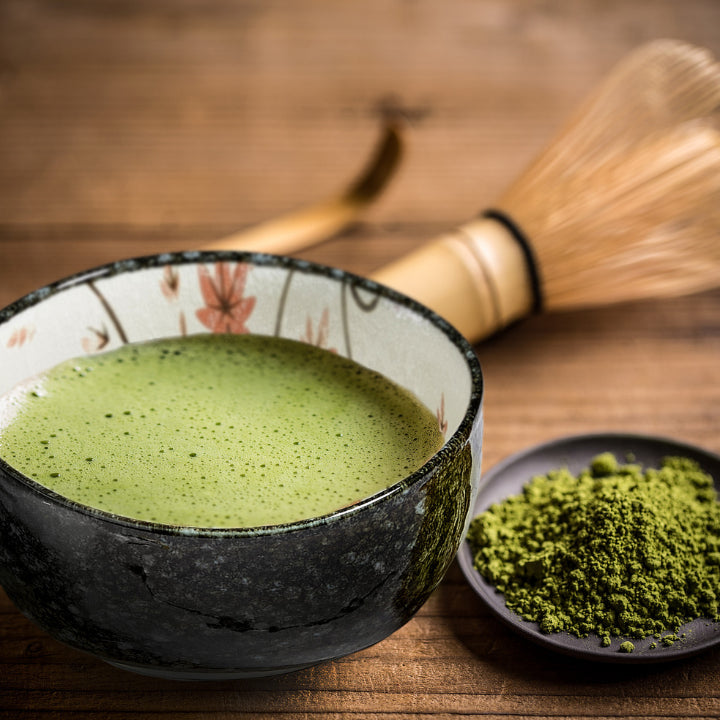
Rooted in Japan's greatest traditions, matcha is prepared by finely whisking green tea powder with hot water until a light, creamy froth forms. A simple method that reveals the full aromatic richn...

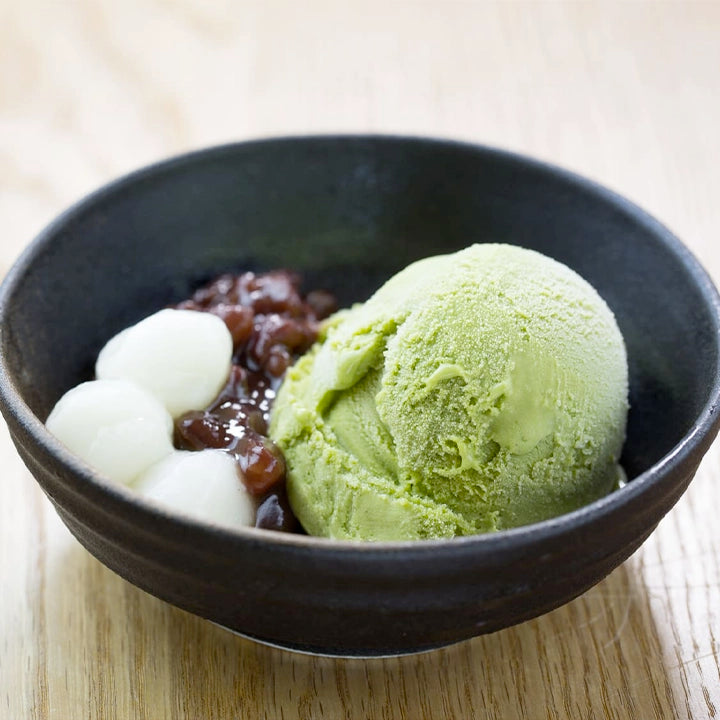
An iconic Japan-inspired dessert, this ice cream captivates with its velvety texture and the delicately bitter vegetal notes of matcha tea. A refined and refreshing treat, combining sweetness, fre...

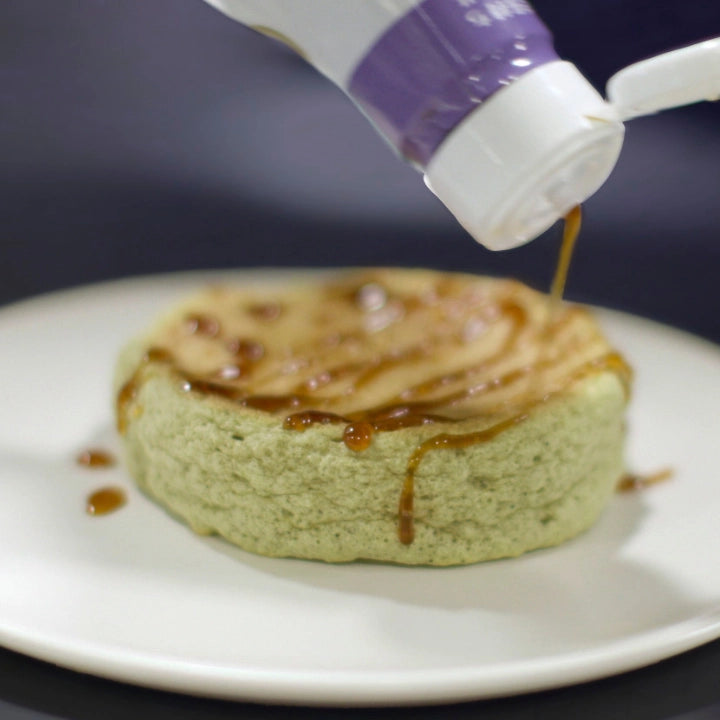
Celebrated for their airy, fluffy texture, Japanese fluffy pancakes are here adorned with the vegetal and delicately bitter notes of matcha tea. A light and refined treat, perfect for combining sw...

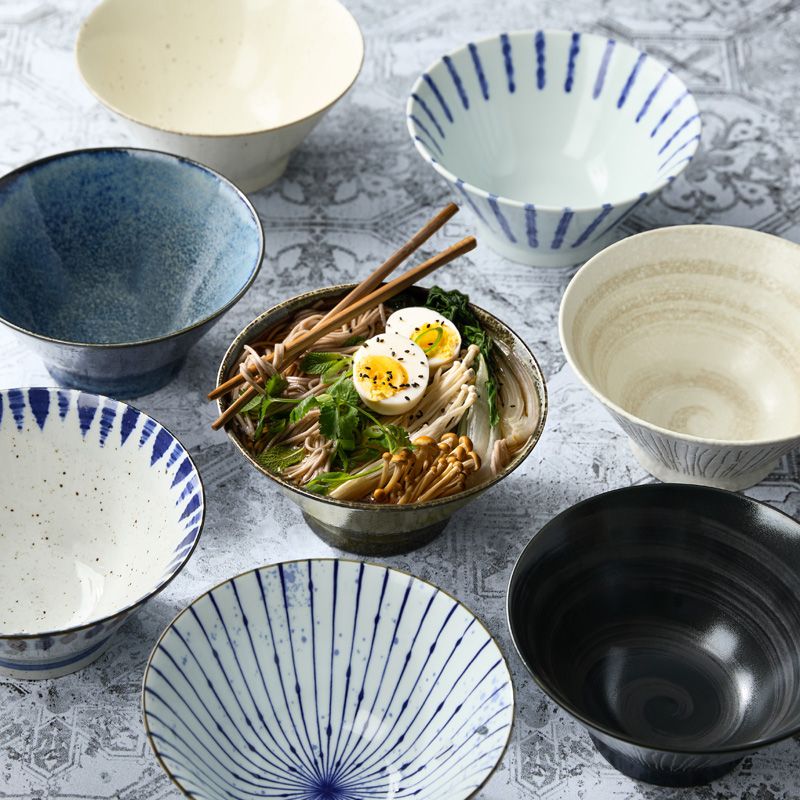
A delicately grilled veal accompanied by crisp and colourful spring vegetables. The matcha sauce adds an original touch, with vegetal and slightly bitter notes, for a refined recipe that harmoniou...

Japanese Matcha Tea: The Green Gold of Tea Masters
For connoisseurs and aesthetes, matcha is not a simple drink: it is a way of life. Deeply rooted in the spiritual heritage of the tea ceremony, this green gold demands absolute expertise, from the shaded cultivation of the leaves to their slow stone-grinding. Nishikidori has selected for you the most prestigious vintages from Japan, sourced directly from historic artisans. Browse our selection of Japanese teas and discover a powder of incomparable fineness, the promise of an unforgettable tasting experience.
Buying Guide: How to Choose Your Matcha Powder?
Buying Guide: How to Choose Your Matcha Powder?
The world of Japanese tea is vast, and the purity of a powder is judged by the brilliance of its emerald green colour, the fineness of its grind, and its powerful umami flavour. To justify the excellence of our catalogue and help you make the right choice, here is how our different ranges are structured.
| Matcha Grade | Flavour Profile | Ideal Use |
|---|---|---|
| Ceremonial (Prestige) | Intense umami, no bitterness, silky texture | Pure tasting (Usucha or Koicha) whisked with water |
| Premium (Organic / Everyday) | Balanced, herbaceous notes, light astringency | Daily drink, Matcha Latte, smoothies |
| Flavoured (Creation) | Subtle balance between the bitterness of the tea and the aromatic ingredient | Creative infusions, fine patisserie, desserts |
Ceremonial Grade Matcha (Prestige)
Intended for purists, these grand crus (such as our Tennouzan, Seiun or the exceptional AFO ONE) represent the elite of Japanese production. Of ceremonial quality, they are hand-harvested in spring and offer an extraordinary vegetal sweetness. They are destined for an almost spiritual use, whisked solely with pure water.
Flavoured and Original Matcha
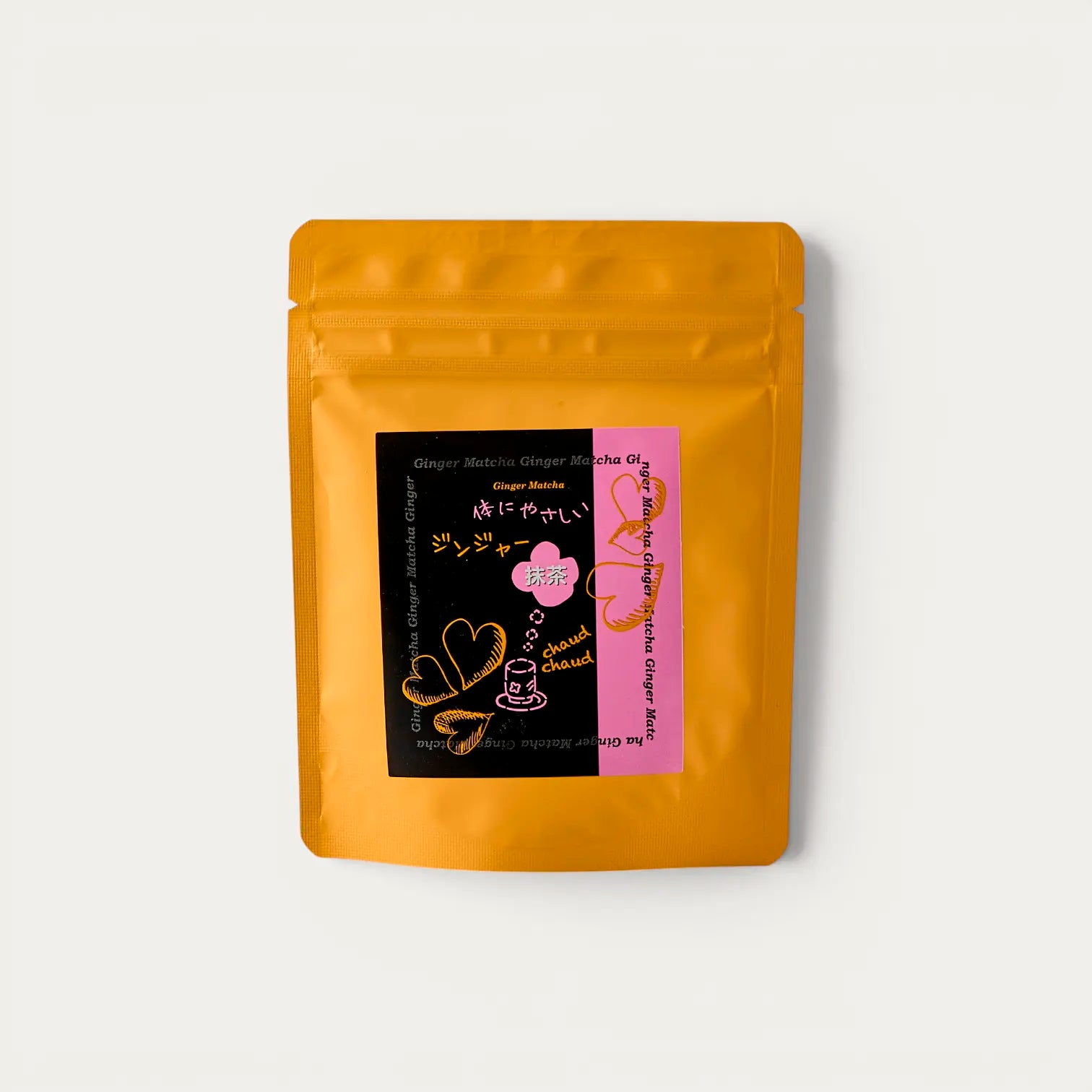
Born from the innovation of our artisans, matcha tea is paired here with iconic ingredients from the Japanese terroir. The combination with yuzu zest, grated ginger or roasted rice (Genmai) brings an entirely new gustatory dimension, ideal for surprising your guests.
Organic Matcha: Natural Excellence
Grown without any pesticides or synthetic chemical fertilisers, our organic matcha tea (such as the Kotobuki or Fuji vintages) respects the land as much as your body. It is the choice par excellence for daily consumption focused on well-being.
From Leaf to Cup: An Ancestral Expertise
From Leaf to Cup: An Ancestral Expertise
The magic of this powdered matcha tea lies in its unique production process, unchanged for centuries:
- Shading (The creation of Tencha): Three to four weeks before harvest, the tea plants are covered with mats (tana) to deprive them of direct sunlight. The plant, under stress, overproduces chlorophyll and amino acids.
- Steaming and drying: As soon as they are picked, the young leaves are steamed for a few seconds to halt oxidation and preserve their vibrant colour, before being dried.
- Traditional grinding: The veins are removed. The noble part of the leaf is then ground extremely slowly under heavy granite stone millstones. This slow grinding prevents any overheating that would burn the precious aromas of the powder.
The Ritual: How to prepare your matcha tea the right way?
The Ritual: How to prepare your matcha tea the right way?
Preparing this drink is a moment of mindfulness. To achieve that delicious emulsion topped with a jade foam, the right equipment is essential.
- Sifting: Sift 1.5 to 2 grams of powder through a fine sieve over your bowl (Chawan) to prevent lumps from forming.
- Water temperature (The Expert's Tip): Never pour boiling water! Water at 70°C or 80°C maximum is essential to avoid developing the tea's astringency.
- The emulsion: Using your bamboo whisk (chasen), vigorously whisk the liquid in "M" or "W" motions until a fine, smooth foam forms on the surface.
Feel free to equip yourself with our traditional tea accessories to recreate this ritual at home.
The benefits of matcha: An elixir of longevity
The benefits of matcha: An elixir of longevity
Drinking this tea means absorbing the entire leaf, not just a simple infusion. Its nutritional qualities are thus greatly enhanced.
Exceptional antioxidant protection
Thanks to its richness in antioxidants (particularly EGCG catechins), it helps to effectively combat oxidative stress and cellular ageing.
Concentration and serenity
Unlike coffee, which causes a peak of excitement often followed by an energy crash, the caffeine in this tea is coupled with L-Theanine. This amino acid promotes a state of mental relaxation and sustained, gentle concentration. It is, for example, perfect for starting the day with a healthy and balanced matcha latte recipe.


