







Our Japanese recipes

Nicknamed the "kitchen of Kyoto", the Nishiki Ichiba market brings together passionate artisans and producers. From local specialities to exceptional products and ancestral expertise, it offers a ...

Originating from the Iga region, the historical birthplace of ninjas in Japan, Iga Gyu is a wagyu beef renowned for its exceptional tenderness and delicate marbling. Its refined fles...

A staple of Japanese cuisine, nori seaweed is prized for its delicately briny flavour and nutritional richness. Used for sushi, onigiri or as a seasoning, it brings flavour, texture and a beautifu...

In Japan, auctions play an essential role in the marketing of the finest wagyu beef. Breeders, buyers and professionals gather there to assess the quality of the animals according to strict criter...

A little-known spice from the southern islands of Japan, pipatsu captivates with its complex aromas blending peppery, anise and slightly sweet notes. Used for generations in Okinawan cuisine, it b...

Newsletter sign-up
Sign up to our newsletter and receive all our news and special offers.

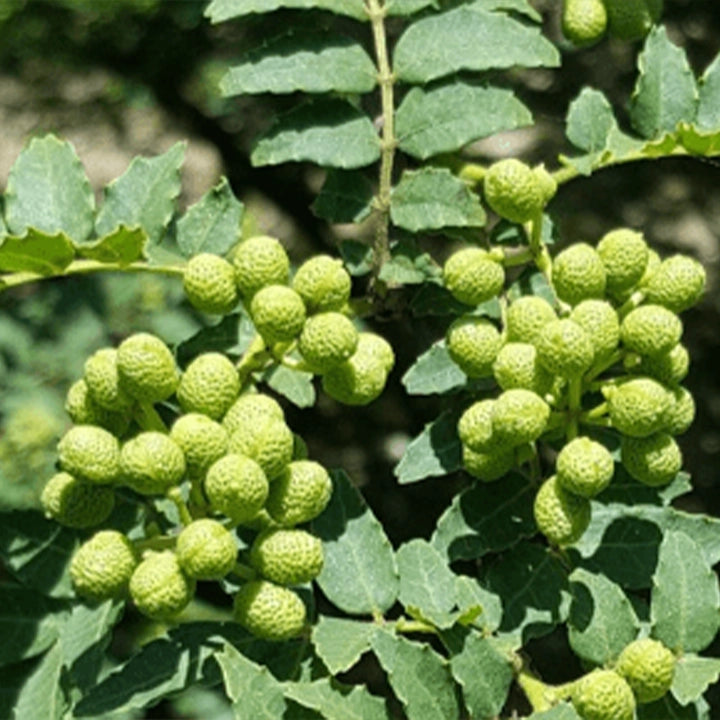
Grown in Wakayama prefecture, sansho is an iconic berry in Japanese gastronomy. Renowned for its fresh, citrusy and slightly peppery notes, it delivers a unique sensation on the palate and enhance...


Buying guides & blog articles
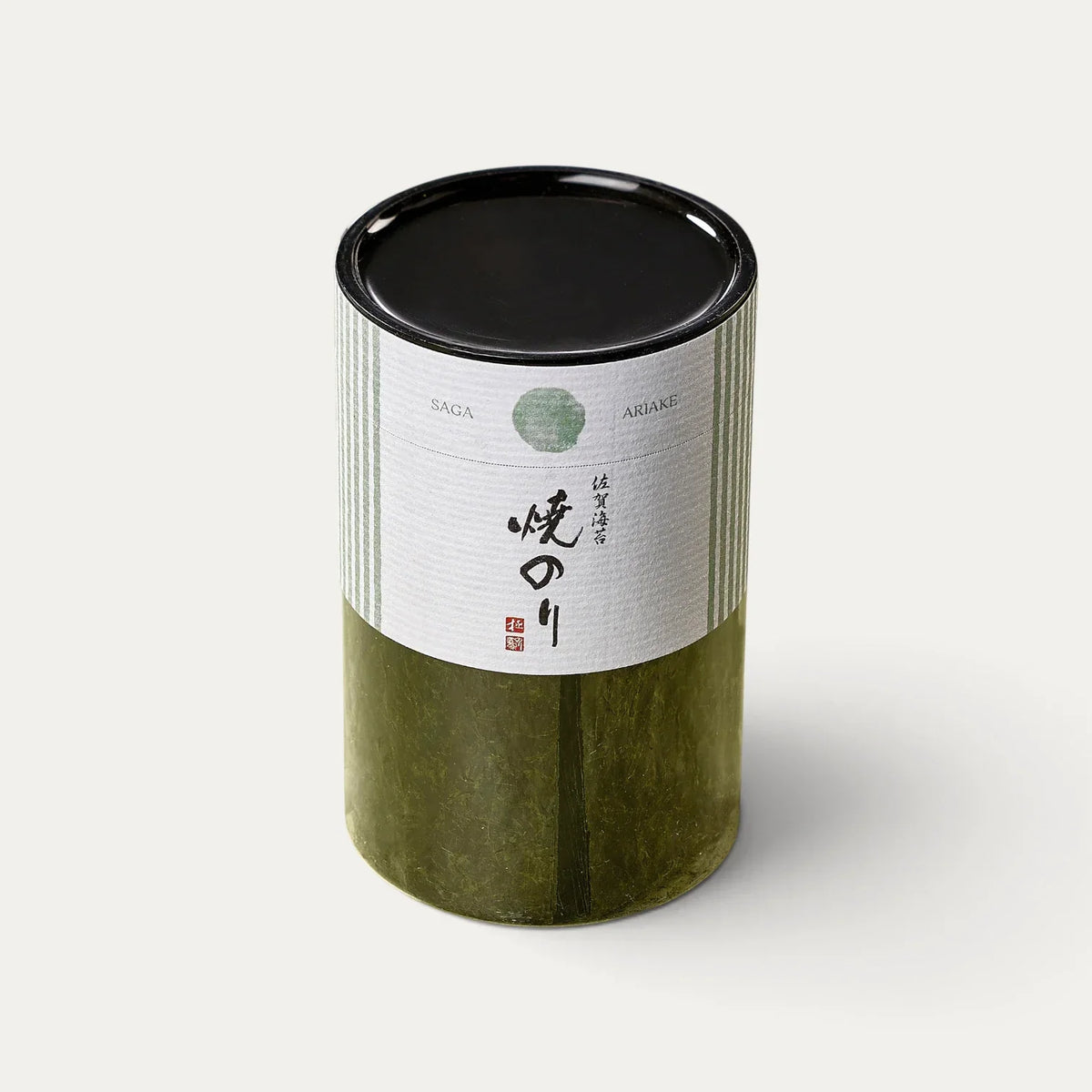
Which nori seaweed should you choose for sushi and maki? Our guide: yaki nori vs seasoned, quality criteria, grades, and storage.
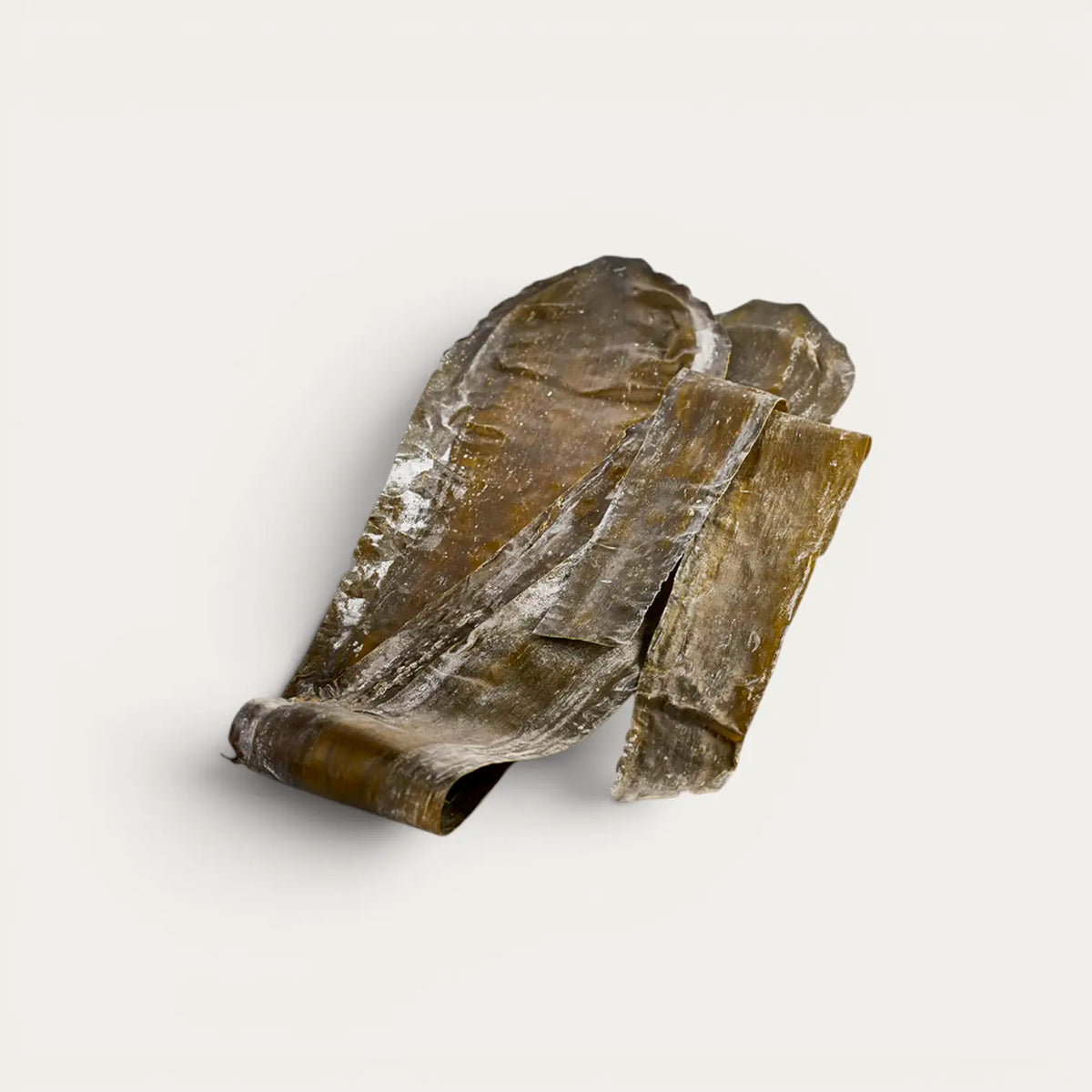
Which kombu should you choose for the perfect dashi? Our guide compares the four main types (Rausu, Rishiri, Ma-kombu, Hidaka) and Kura-gakoi cellar-aged kombu by use and quality.
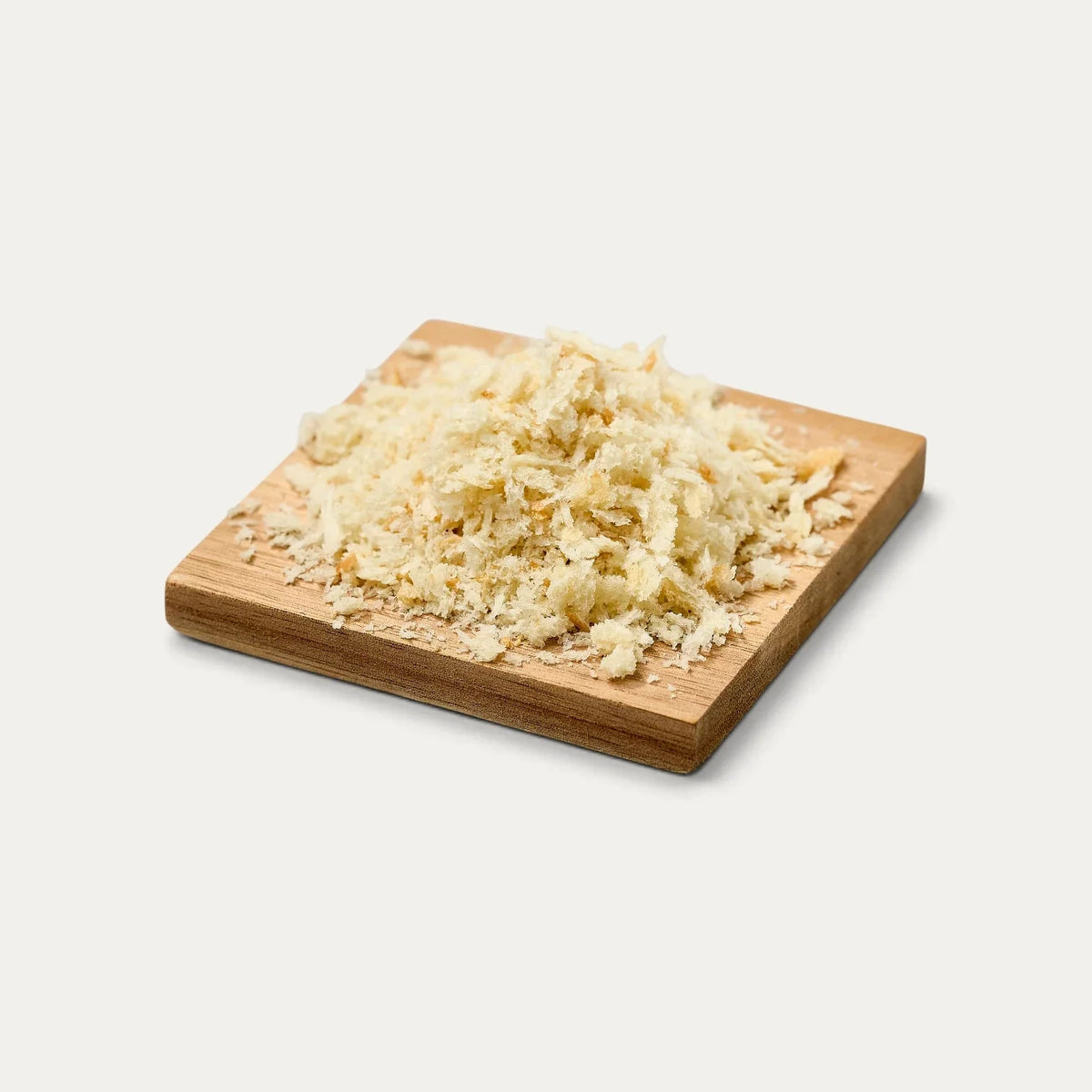
Panko or conventional breadcrumbs? How to recognise artisan panko, choose between wheat, rice, maize and buckwheat varieties, and make successful tonkatsu, tempura and gratins.
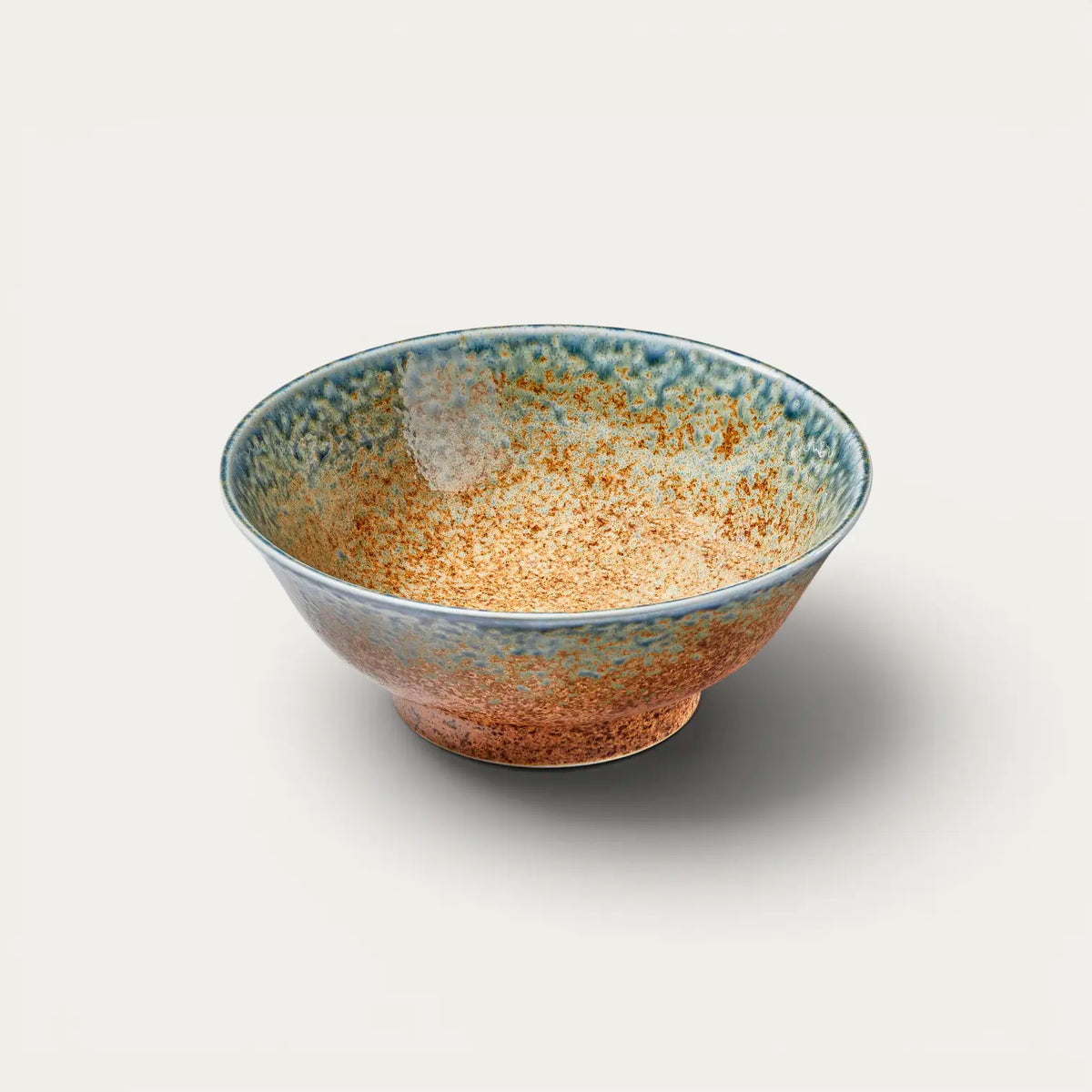
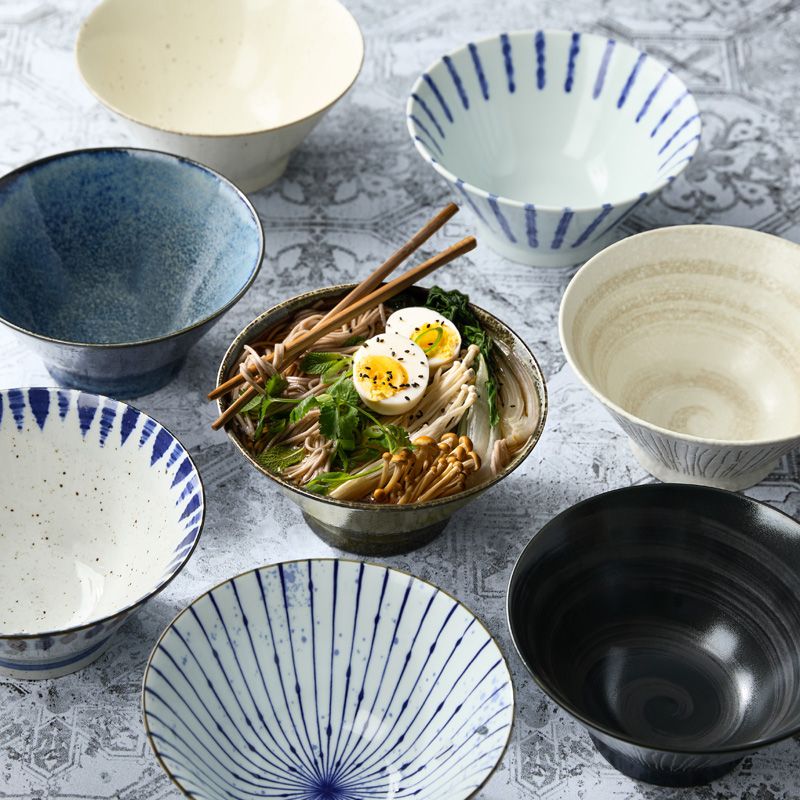
Size, material, shape: the guide to choosing a ramen bowl made in Japan, from everyday bowls to full sets with a renge spoon.
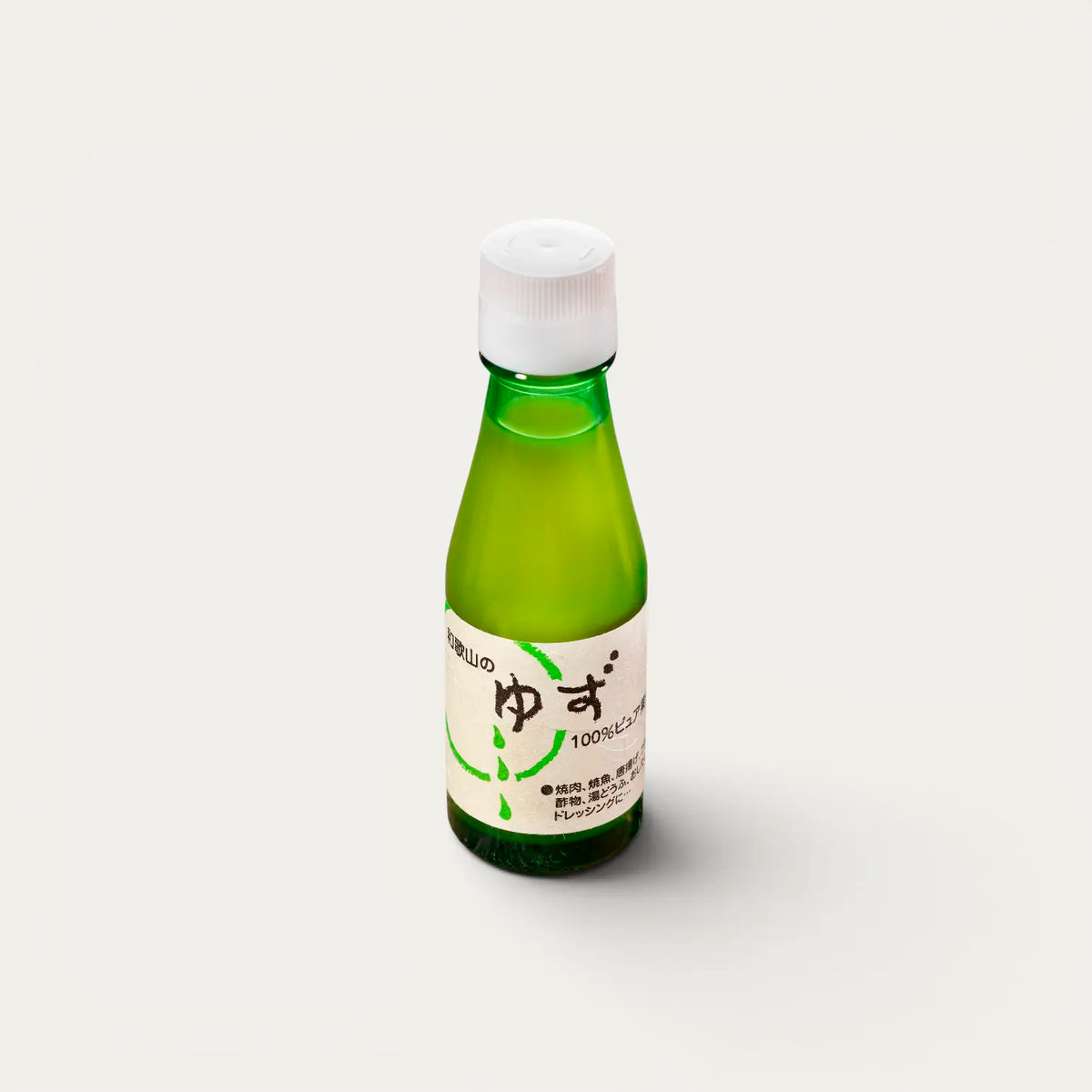
Pure or salted, pasteurised or not, from Kôchi, organic or powdered: what to look for in a good Japanese yuzu juice.
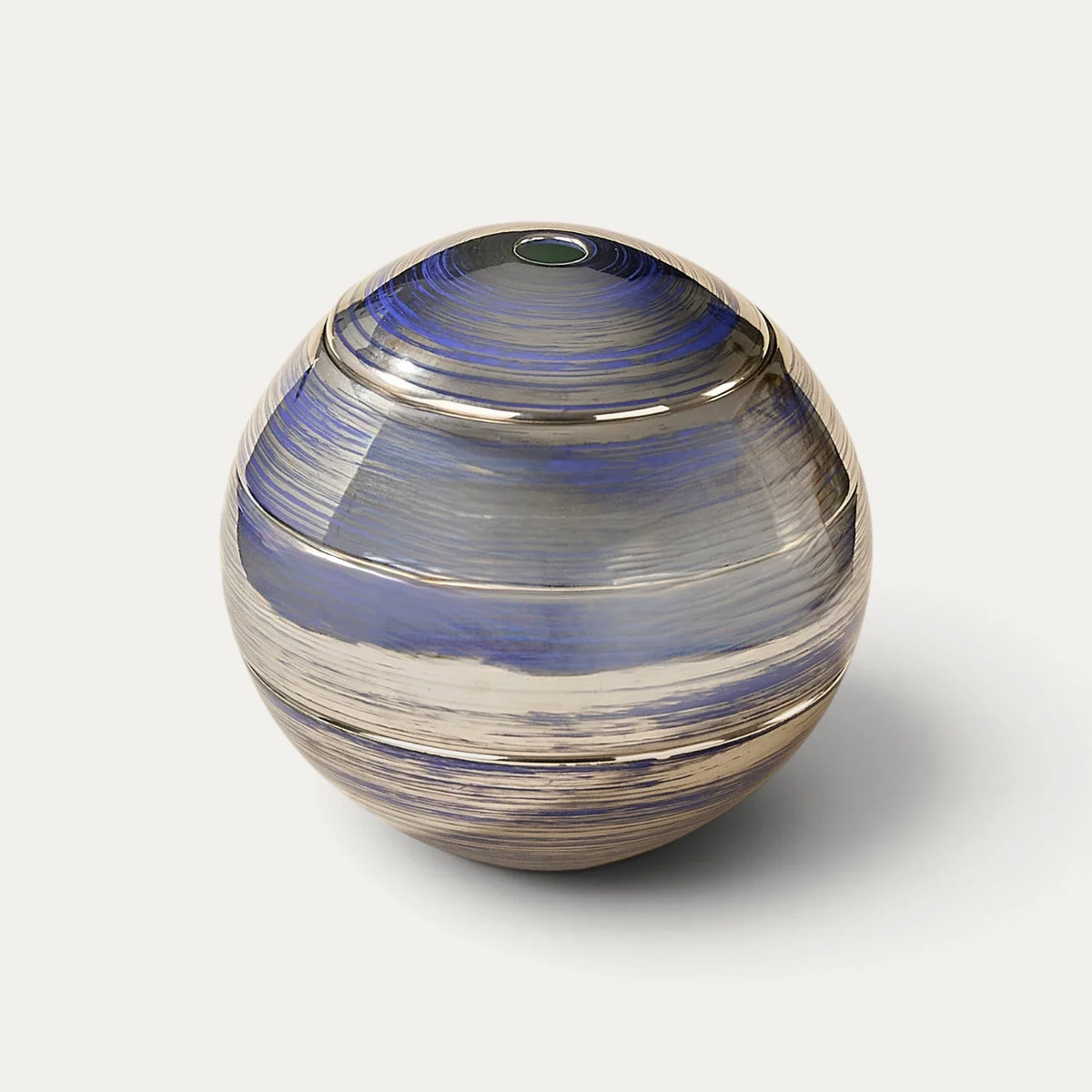
Minoyaki porcelain, Bizen stoneware, lacquerware and wood: how to recognise authentic Japanese tableware and choose the right piece.
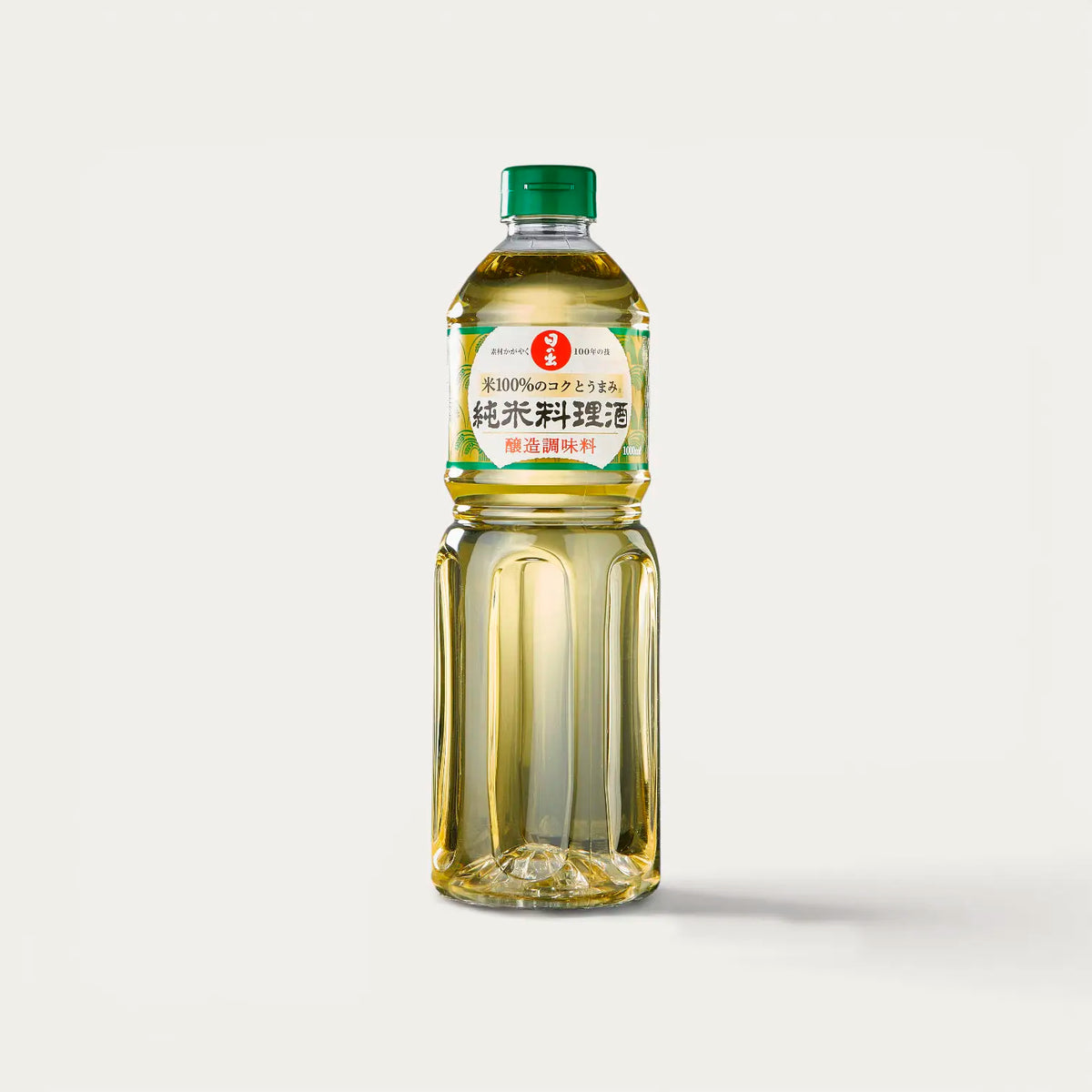
Cooking sake or mirin? Umami, sweetness, shine: understand their roles, choose the right bottle, and master Japanese classics.
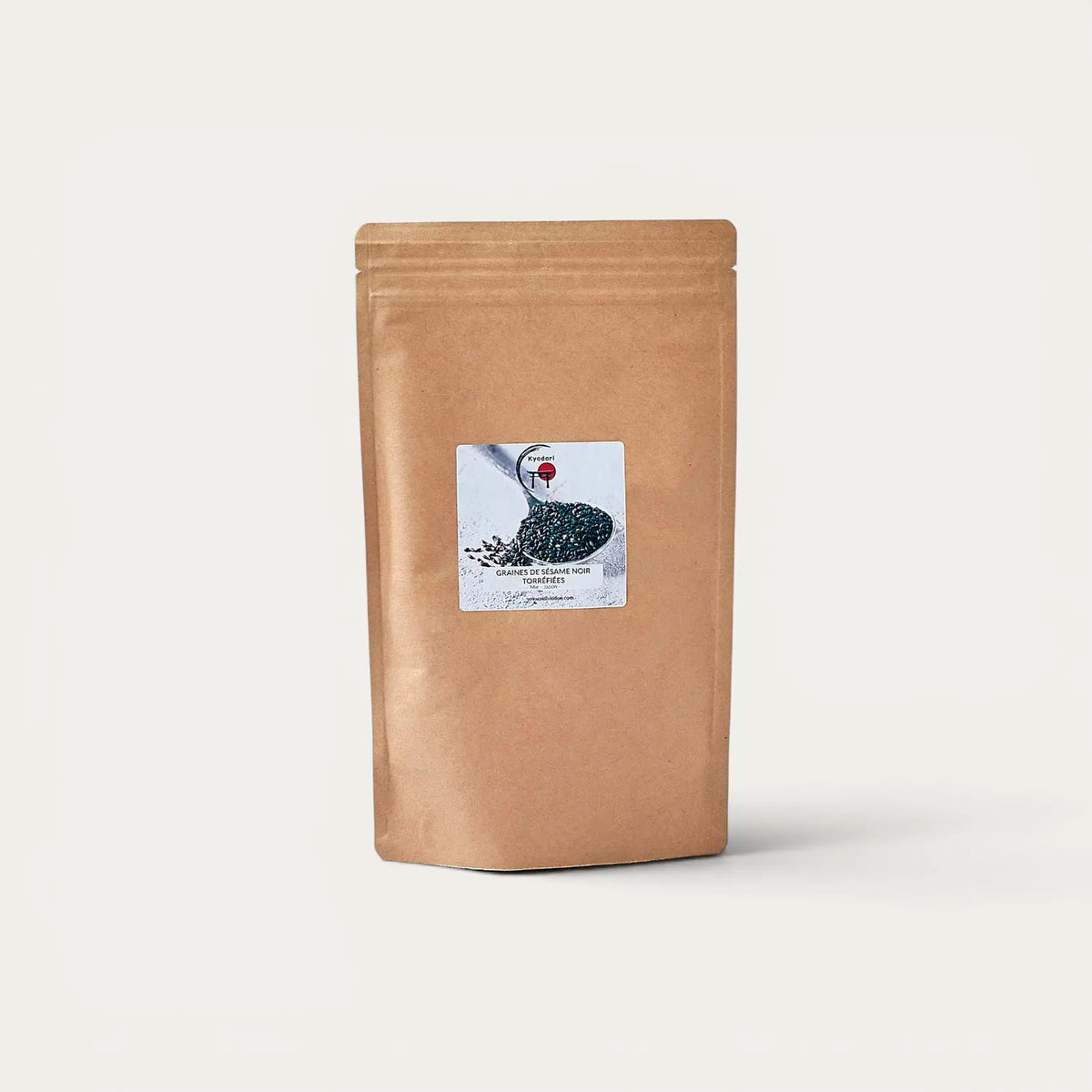
Black or white sesame: flavour differences, seeds, paste or oil, and which to choose for each Japanese dish.
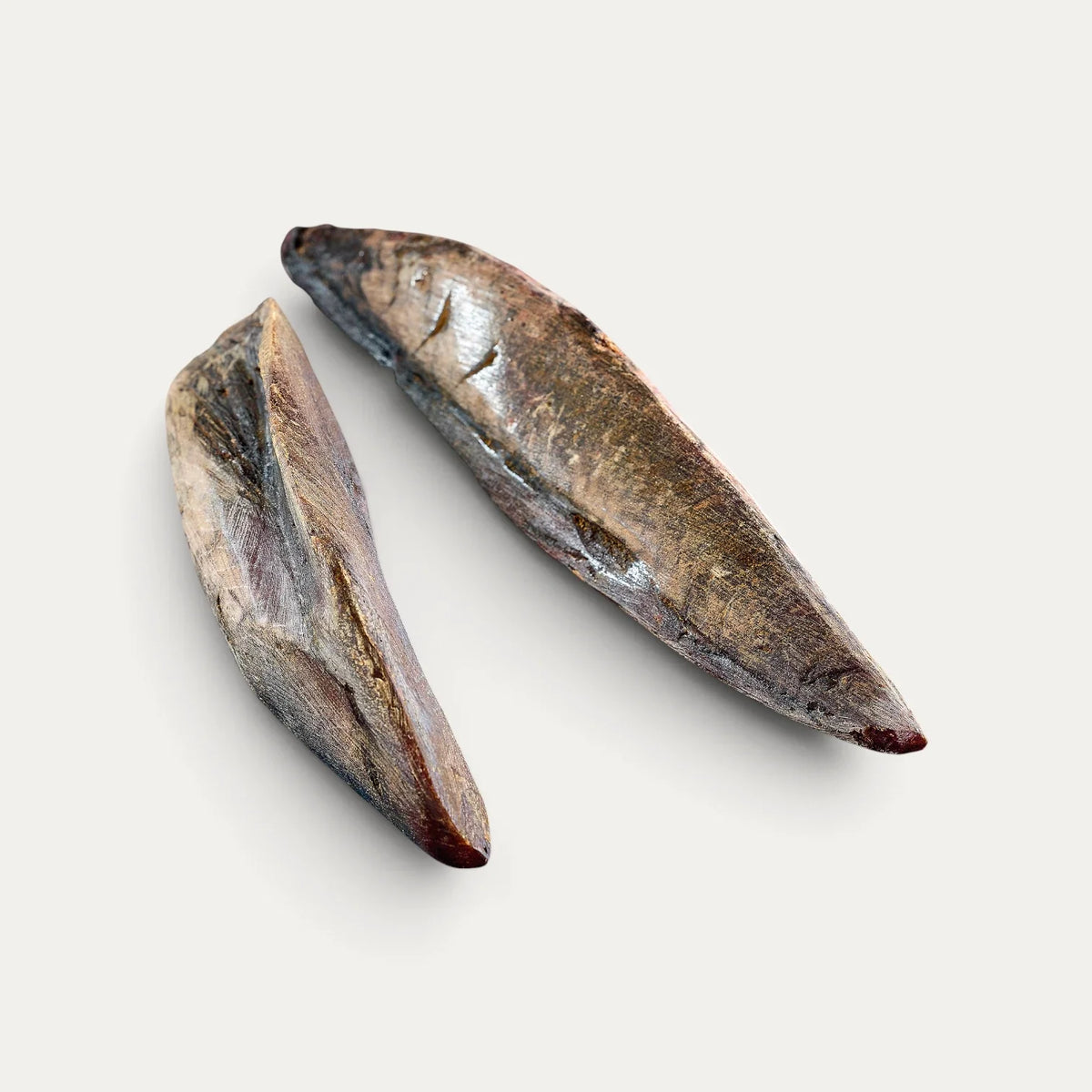
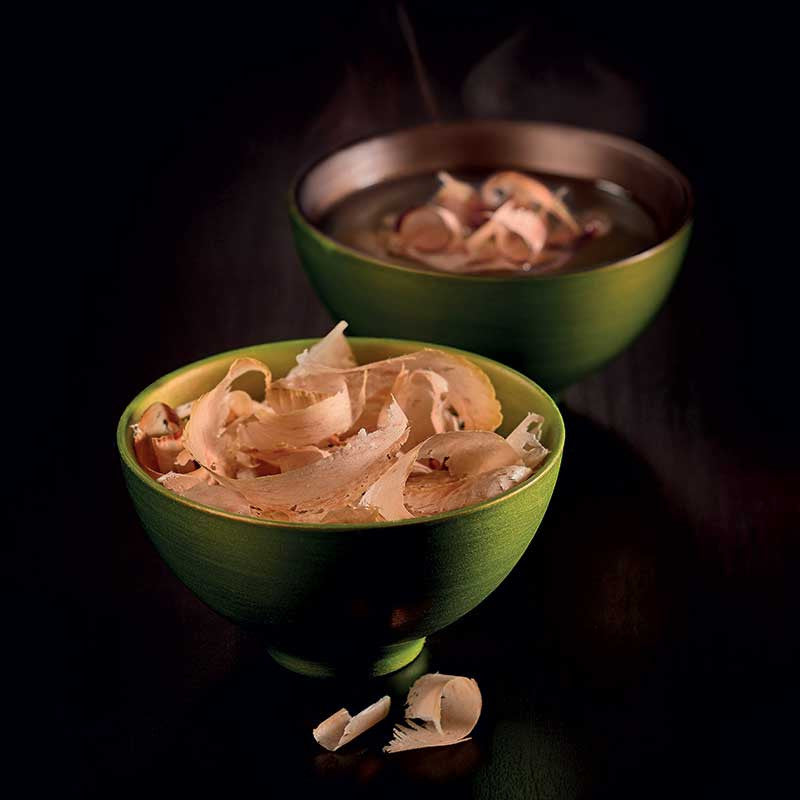
Arabushi, shavings or a whole block: how to choose quality katsuobushi for dashi and Japanese cooking.
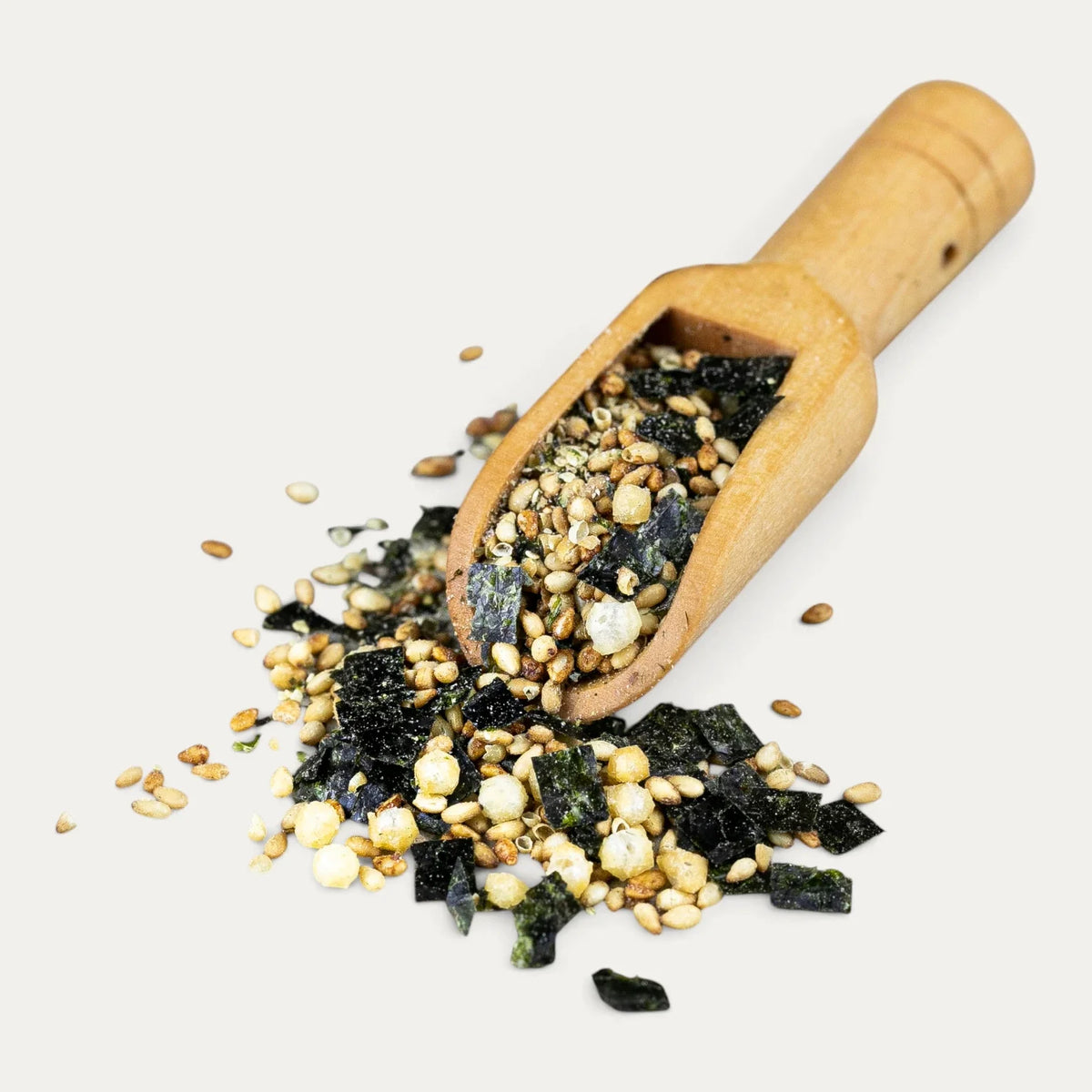
Nori komi, okaka, salmon: how to choose and use furikake.