
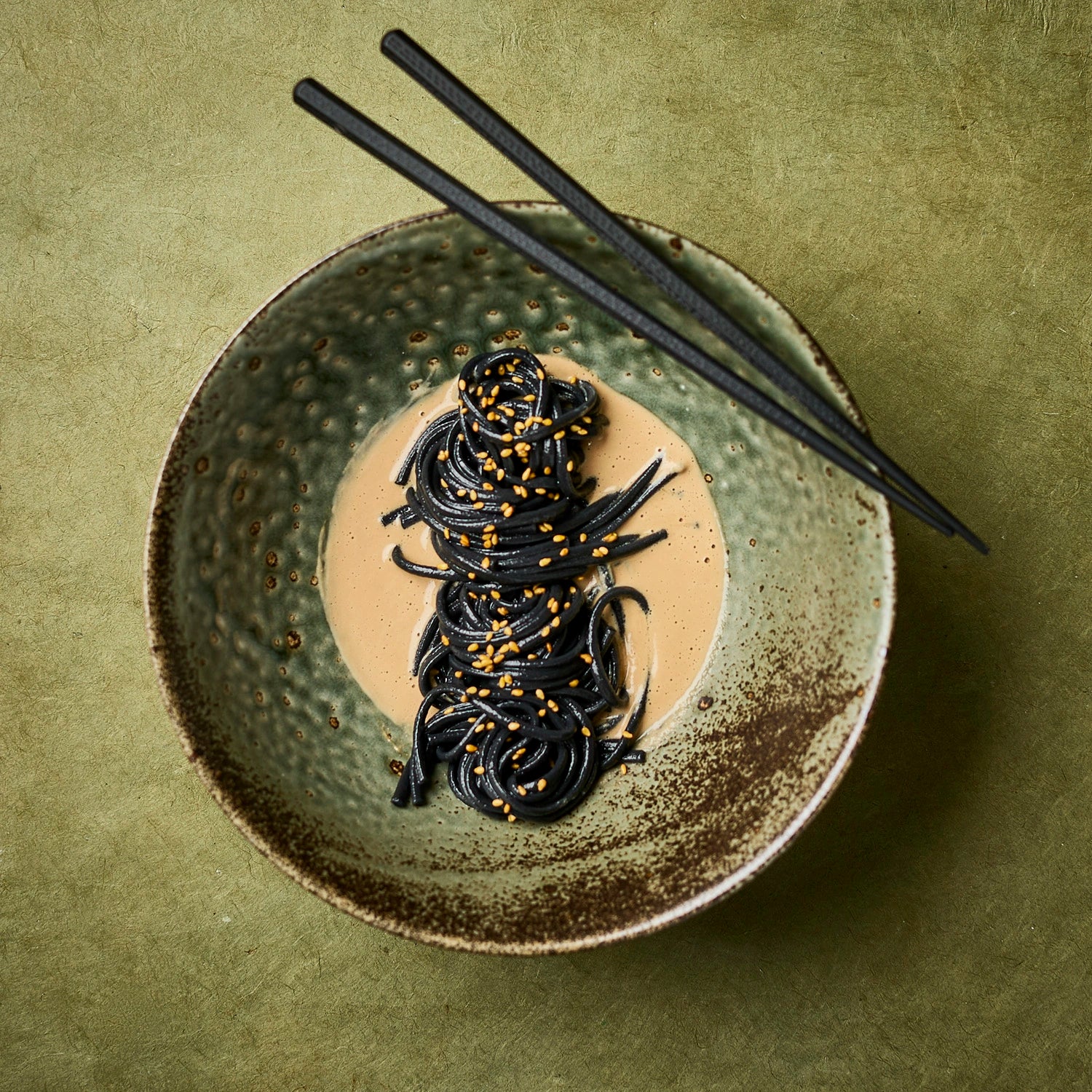
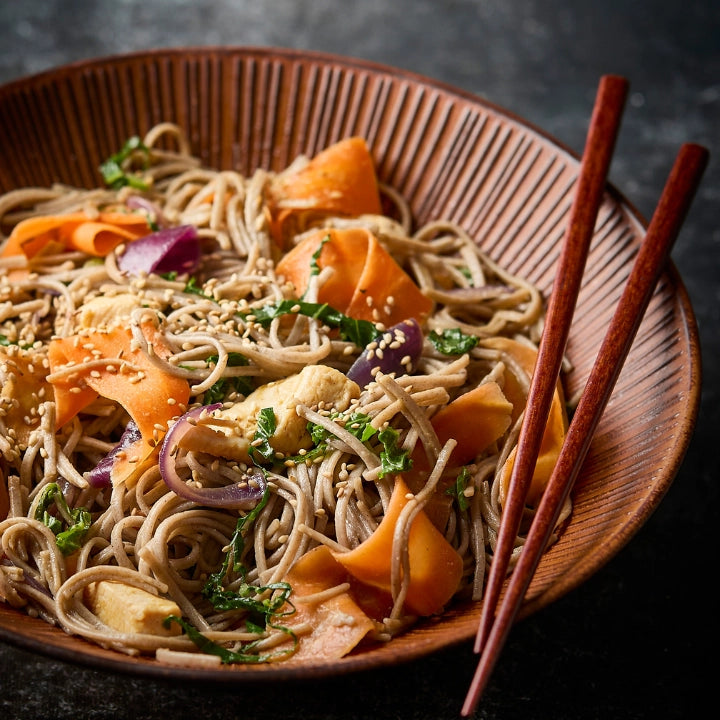









In short: the main difference between black and white sesame is flavour. White sesame, often hulled, is mild and nutty. Black sesame, with its hull intact, is more intense and slightly bitter. White works well in sauces and dressings; black suits desserts, lattes and finishing touches that call for contrast.
Our range of sesame seeds toasted in Japan includes black and white varieties, as well as paste and oil. Japanese cooking uses sesame everywhere, from a simple bowl of rice to desserts. Here’s how to choose the right colour and form for your dish.
The differences at a glance
| Criterion | White sesame | Black sesame |
|---|---|---|
| Seed | often hulled | whole, with its hull intact |
| Flavour | mild, nutty | intense, slightly bitter, more roasted |
| Texture | tender | crunchier |
| Colour on the plate | subtle | striking contrast |
| Uses in Japanese cooking | goma-ae, sauces, dressings, sushi | desserts, lattes, gomashio, rice |

Which sesame seeds for which dish?
- Sauces and vegetables: choose white sesame for goma-ae, sesame-dressed spinach, or a dressing. Try our toasted white sesame seeds.
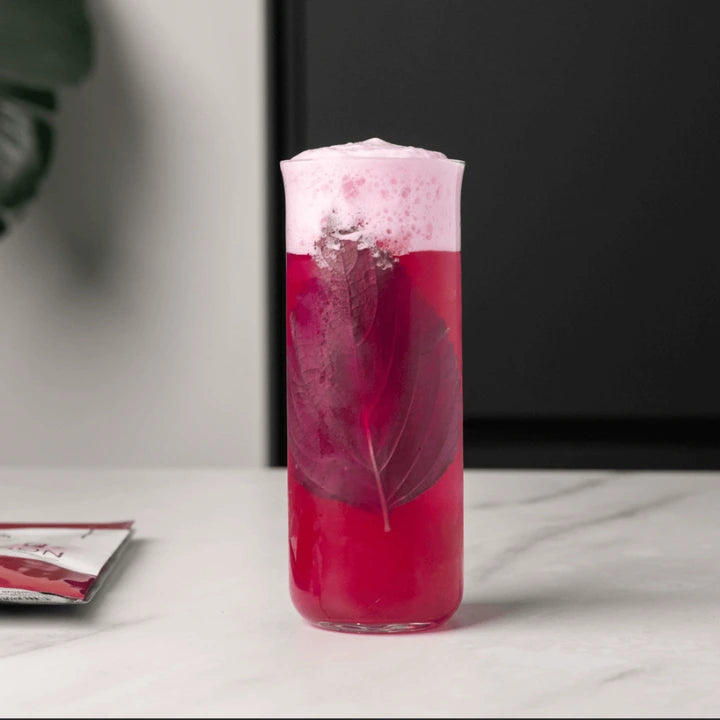
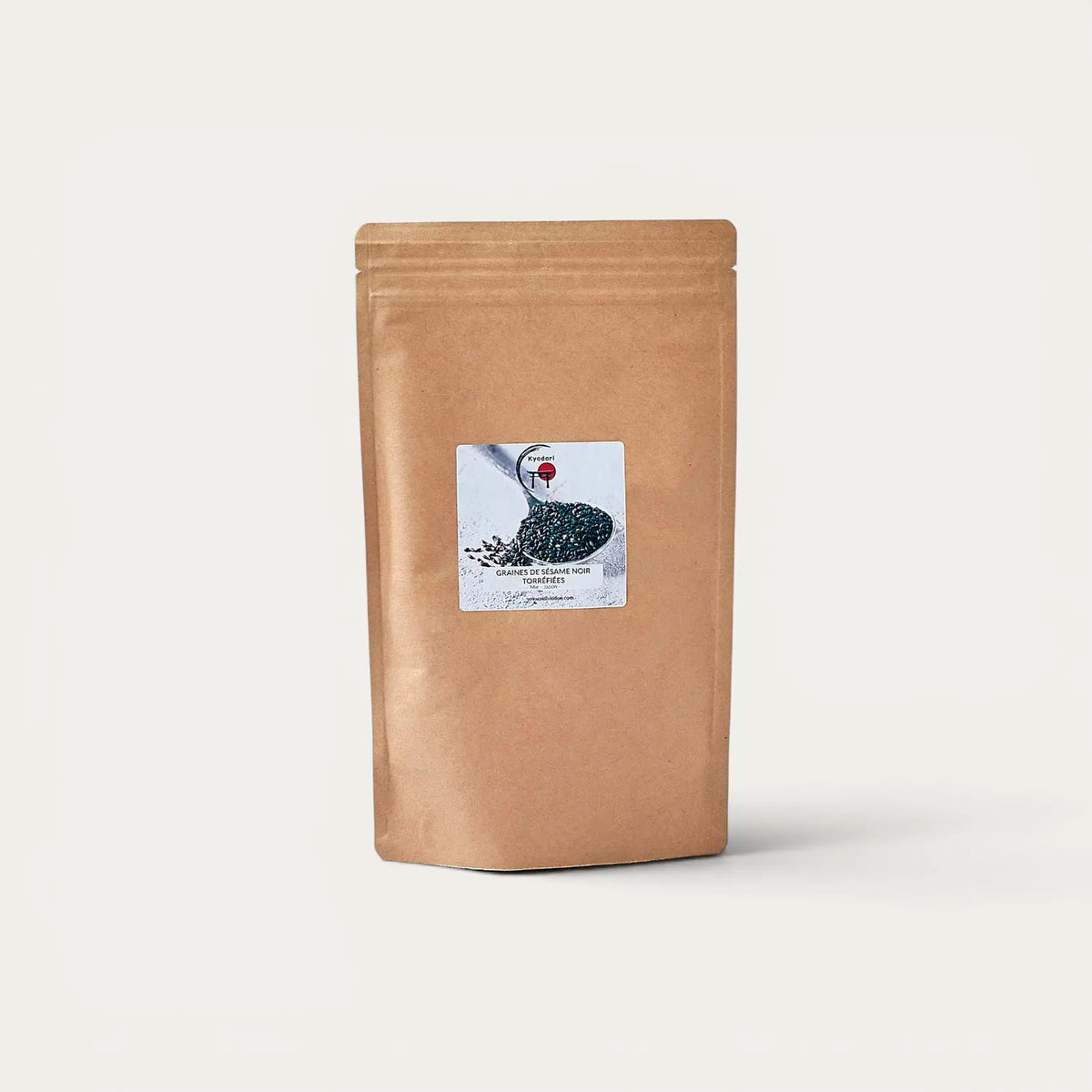
- Desserts and drinks: choose black sesame for its colour and intensity, as in our black sesame latte. See our toasted black sesame seeds.
- On rice: use either colour in gomashio, mixed with salt.
- As a coating: a mixture of both on a salmon or tuna fillet, quickly seared.
Seeds, paste or oil?
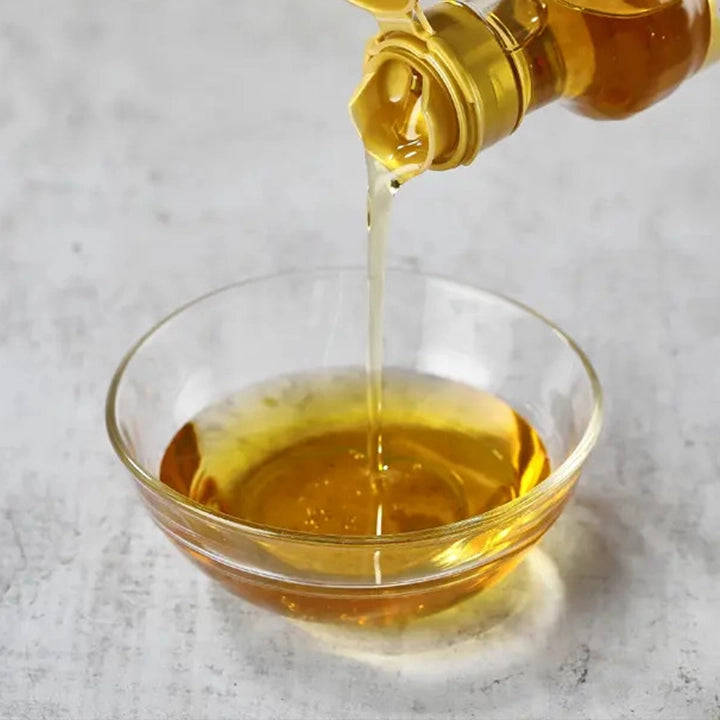
Sprinkle toasted seeds over a dish or grind them just before use in a Japanese mortar (suribachi): ground seeds release far more aroma than whole ones. Finely ground black sesame paste or white sesame paste thickens a sauce or flavours a cream or ice cream. Oil adds flavour without texture: our guide to the best sesame oil explains the differences.
Two recipes to compare them
Spinach goma-ae: blanch 300 g of spinach, squeeze out the water, then mix with 2 tablespoons of ground white sesame seeds, 1 tablespoon of soy sauce and 1 teaspoon of sugar.
Gomashio: toast 4 tablespoons of black sesame seeds briefly in a dry frying pan, coarsely grind them with 1 teaspoon of fine salt, and sprinkle over rice.
Frequently asked questions
Why toast sesame seeds?
Toasting brings out nutty, roasted aromas. Our seeds are already toasted: a minute in a dry pan is enough to refresh them.
Can you replace white sesame with black sesame?
Yes, for the flavour, but the dish will turn grey and have a stronger taste.
How should you store sesame seeds?
In a sealed jar, in a cool place away from light, to prevent them from going rancid.
What is gomashio?
A blend of toasted sesame seeds and salt, sprinkled over rice.
In summary
Keep both in the cupboard: white sesame for seasoning, black sesame for finishing dishes and making desserts. For a smooth sauce, use sesame paste.


