









In short: the best furikake depends on your tastes. Nori komi furikake (seaweed and sesame) is the most versatile and the best for beginners; okaka (bonito) brings deep umami; salmon furikake is rich and savoury. Choose a product with a clear ingredients list and no excess flavour enhancers.
| Type | Flavour profile | Ideal on |
|---|---|---|
| Nori komi (seaweed and sesame) | Taste of the sea, versatile | White rice, onigiri |
| Okaka (dried bonito) | Smoky umami | Hot rice, tofu |
| Salmon (sake) | Rich, savoury, with a taste of the sea | Rice, rice bowls, ochazuke |
| Wasabi or shiso | Spicy or tangy | Rice, poke, vegetables |
Furikake is the quintessential seasoning for Japanese rice: a dry mix to sprinkle on top that turns a simple bowl of rice into a tasty dish. There are many varieties; here is how to choose yours.
What is furikake?
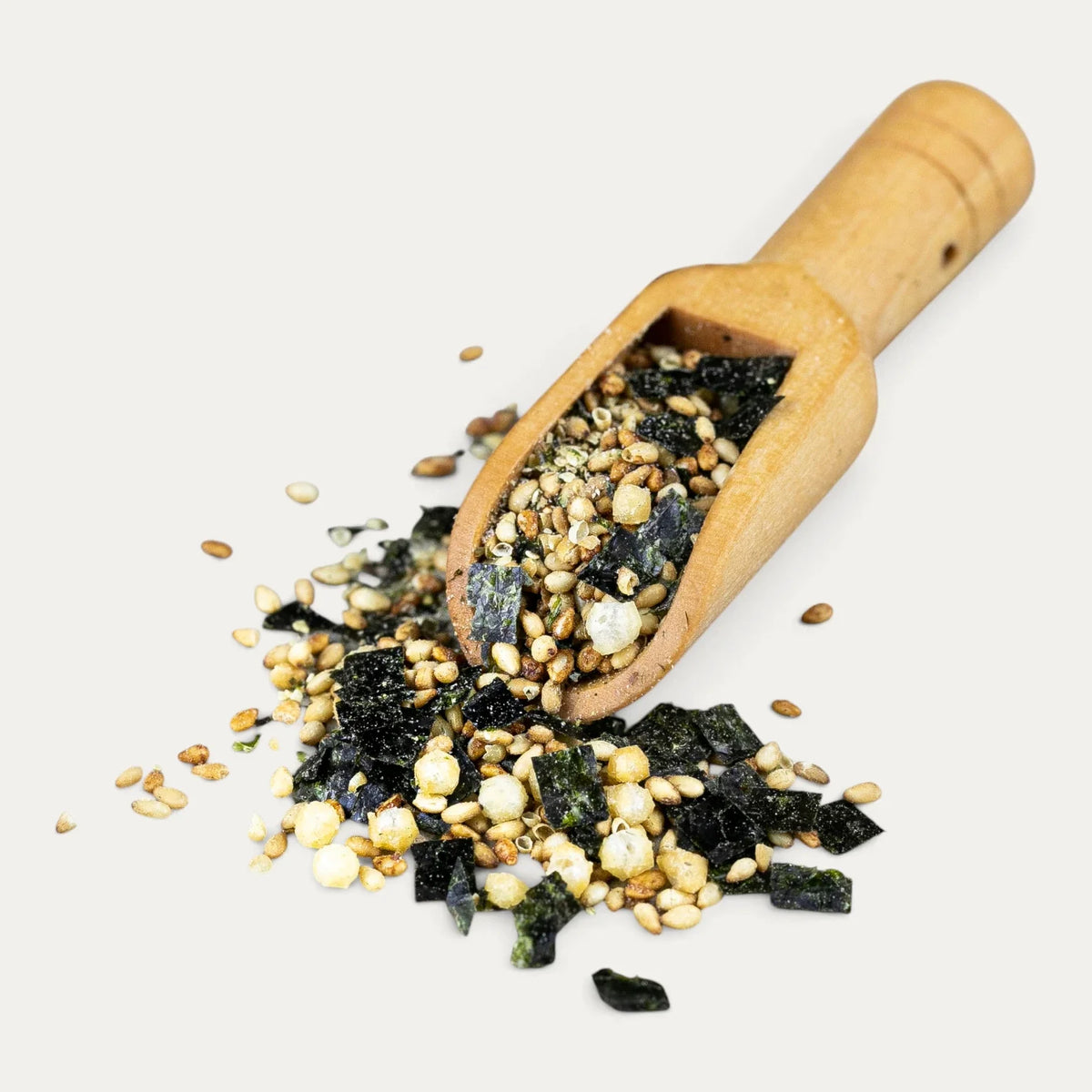
Furikake is a dry seasoning typically made with sesame, seaweed (nori), dried fish (bonito), salt and sugar, sometimes with added egg, vegetables or flavourings. Sprinkle it over hot rice, as well as onigiri, noodles, vegetables or fish. It is an ideal way to add flavour to a dish in seconds.
The main types of furikake
- Nori komi furikake: seaweed and sesame, the versatile classic that is perfect for beginners.
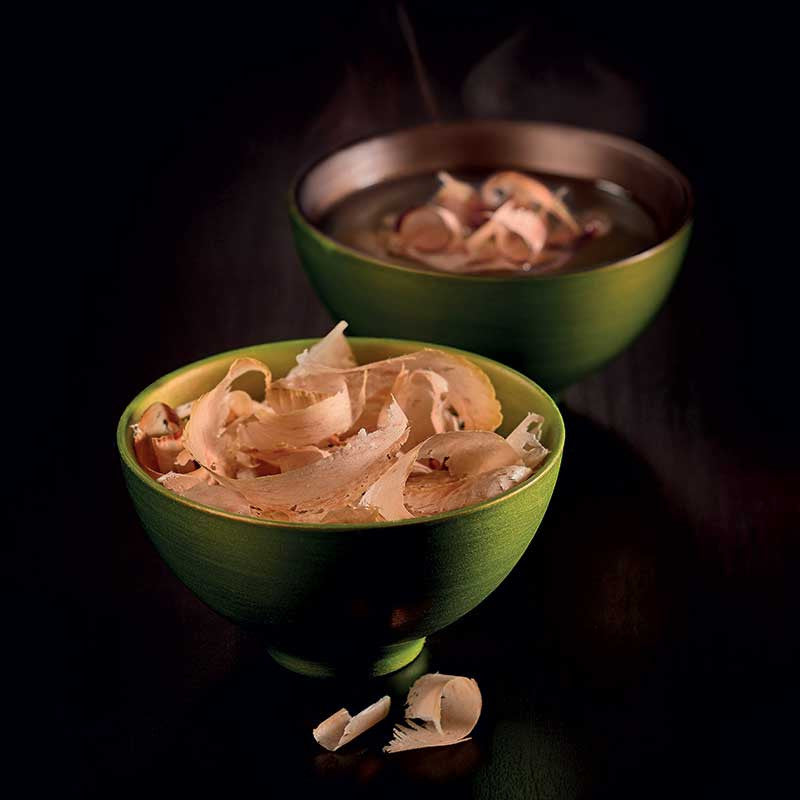
- Okaka: made with dried bonito (katsuobushi), for deep, smoky umami.
- Salmon furikake (sake): rich and savoury with a taste of the sea, excellent on a rice bowl or in ochazuke.
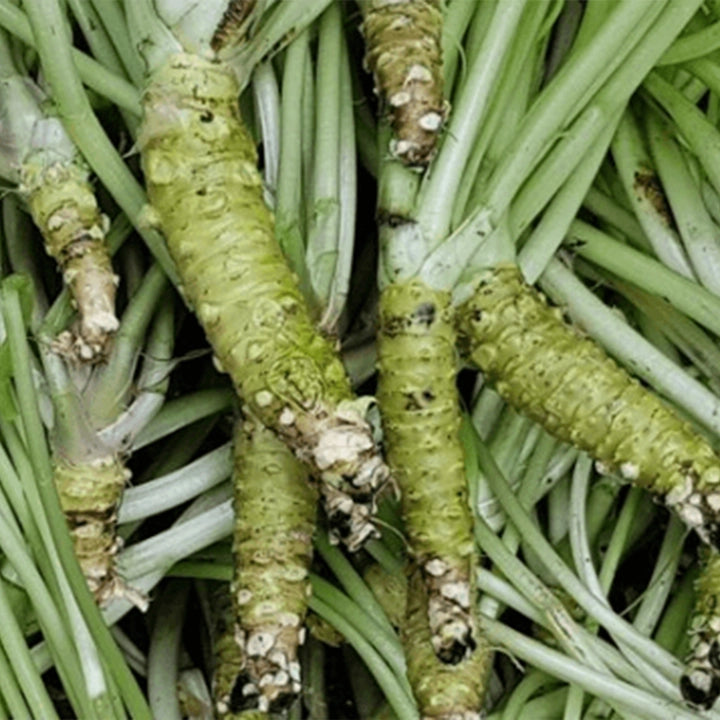
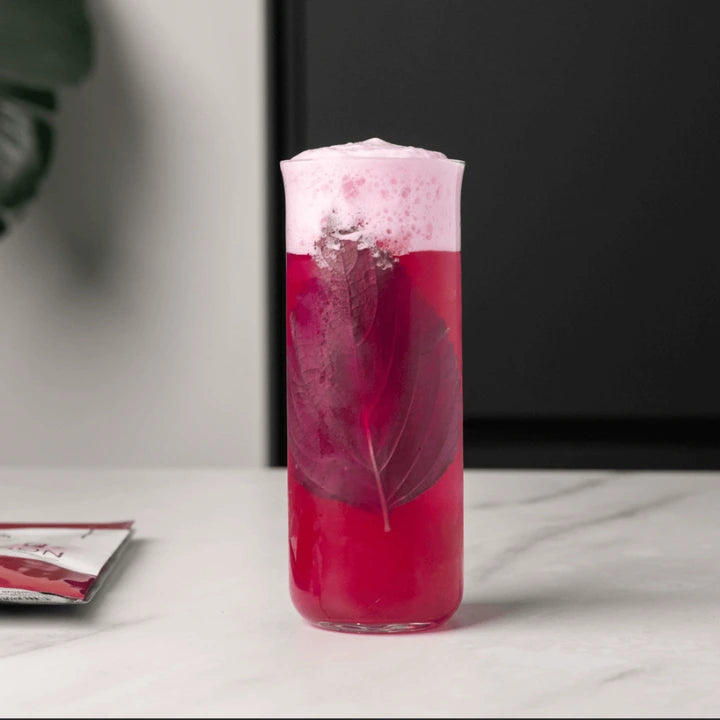
- Wasabi, shiso (yukari), tamago (egg): spicy, tangy or mild varieties to suit your mood.
How to choose good furikake
| Criterion | What to look for |
|---|---|
| Ingredients | A short, clear ingredients list with real ingredients (seaweed, sesame, bonito) |
| Additives | As few flavour enhancers (glutamate) as possible |
| Salt | A moderate level, so you can sprinkle it on without making the dish too salty |
| Freshness | Sesame and seaweed should stay crisp |
You can recognise quality furikake by its clear ingredients list: it should contain real, identifiable ingredients, rather than a list dominated by additives. The sesame should be well toasted and the seaweed fragrant.
How to use it
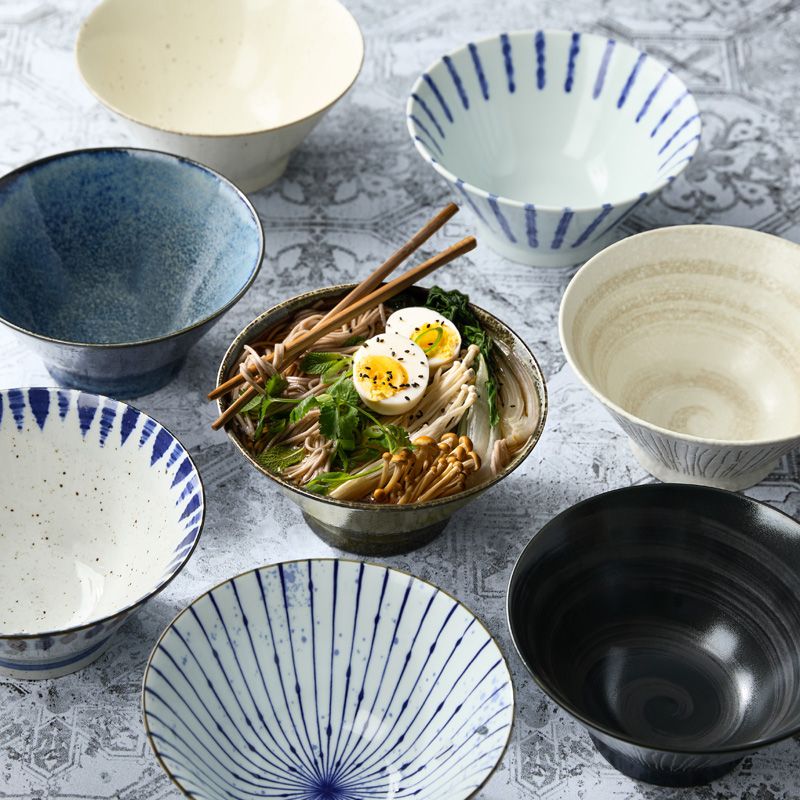
Beyond white rice, furikake adds flavour to onigiri, rice bowls (donburi, poke), noodles, steamed vegetables, eggs and even avocado or popcorn. A pinch is enough. For ochazuke, pour hot tea or dashi over rice sprinkled with salmon furikake.
5 ways to use furikake
- On hot rice: the classic way to enjoy it, in onigiri or a rice bowl.
- In ochazuke: rice and salmon furikake topped with green tea or hot dashi.
- On vegetables: green beans, spinach, avocado or edamame.
- On protein-rich foods: soft-boiled eggs, tofu, grilled fish or chicken.
- As a snack: on popcorn, homemade chips or buttered toast.
The origins of furikake
Furikake originated in the early 20th century, when people were looking for ways to add nutrients to everyday rice. The earliest recipes, made with powdered dried fish and seaweed, were intended in part to provide calcium. The idea soon caught on thanks to its convenience: a dry mix that keeps well and turns a bowl of plain rice into a tasty meal with just a pinch.
Today, furikake comes in countless varieties, from traditional to creative, and is used on far more than rice.
Homemade or shop-bought furikake?
You can certainly make furikake at home with toasted sesame, finely cut nori, bonito flakes, salt and sugar: it is a good way to use leftover kombu and bonito from making dashi. But shop-bought versions offer a balance of flavours, texture and consistency that are hard to reproduce, thanks to precisely dried and toasted ingredients.
A good approach: keep quality shop-bought furikake for everyday use, and make your own for the pleasure of it and to reduce waste.
Our comparative selection
Our furikake is made without additives or artificial flavourings. Here is a comparison of our main varieties:
| Our product | Key ingredients | Ideal on |
|---|---|---|
| Sesame and Ariake nori | 65% sesame, Ariake nori, kombu | Rice, onigiri (the versatile option) |
| Sesame and natto | Sesame, natto, nori, spring onion | Rice, udon, hearty dishes |
| Vegetables and sesame | 70% vegetables, kinako, wasanbon | Salads, for a milder flavour |
- Our pick for beginners: sesame and Ariake nori furikake, the classic blend of land and sea.
- For something richer: sesame and natto furikake.
- Plant-based option: vegetable and sesame furikake, served with good Japanese rice.
Frequently asked questions
What is the best furikake for beginners?
Versatile and widely appealing, nori komi furikake (seaweed and sesame) is ideal for beginners.
What can you put furikake on?
White rice, onigiri, rice bowls, noodles, vegetables, eggs, tofu, even avocado or popcorn. A pinch is enough.
Does furikake contain fish?
Often, yes (bonito, salmon), but vegetarian versions made with seaweed, sesame and vegetables are also available.
How should you store furikake?
Keep it in an airtight container, away from moisture, to preserve the crispness of the sesame and seaweed.
What is okaka?
A type of furikake made with dried bonito (katsuobushi), rich in smoky umami.
Is furikake salty?
Moderately. Sprinkle it on gradually: it already seasons the dish well without any need for extra salt.
Can you make furikake at home?
Yes: mix toasted sesame, finely cut nori, bonito flakes, salt and sugar. But shop-bought versions offer a balance that is hard to match.
What is the difference between furikake and gomashio?
Gomashio is a simple mix of sesame and salt; furikake is more complex, with ingredients such as seaweed, fish and flavourings.
Our verdict
For a well-stocked cupboard, keep two kinds of furikake: a versatile nori komi for everyday use, and an okaka or salmon variety for a change. Choose ones with clear ingredients lists and no excess additives: that is what makes the difference.


