







For light, exceptionally delicate fried food, choosing the best panko is an obvious step for any lover of Japanese cuisine. This exceptional alternative to conventional breadcrumbs has a unique structure of light flakes that do not soak up fat. At Nishikidôri, our team selects products directly from Japanese artisans to bring you a crunch worthy of Tokyo’s finest restaurants, including gluten-free options. Explore our complete buying guide to find the ideal panko and transform your dishes.
What is panko and what makes it unique?
Panko is the ultimate Japanese breadcrumb. Its evocative name combines “pan” (bread, introduced by Portuguese traders in the 16th century) and “ko” (meaning small pieces or breadcrumbs). Unlike traditional Western breadcrumbs made by grinding dry, stale bread, panko is made exclusively from the fresh crumb of specially baked crustless white bread.

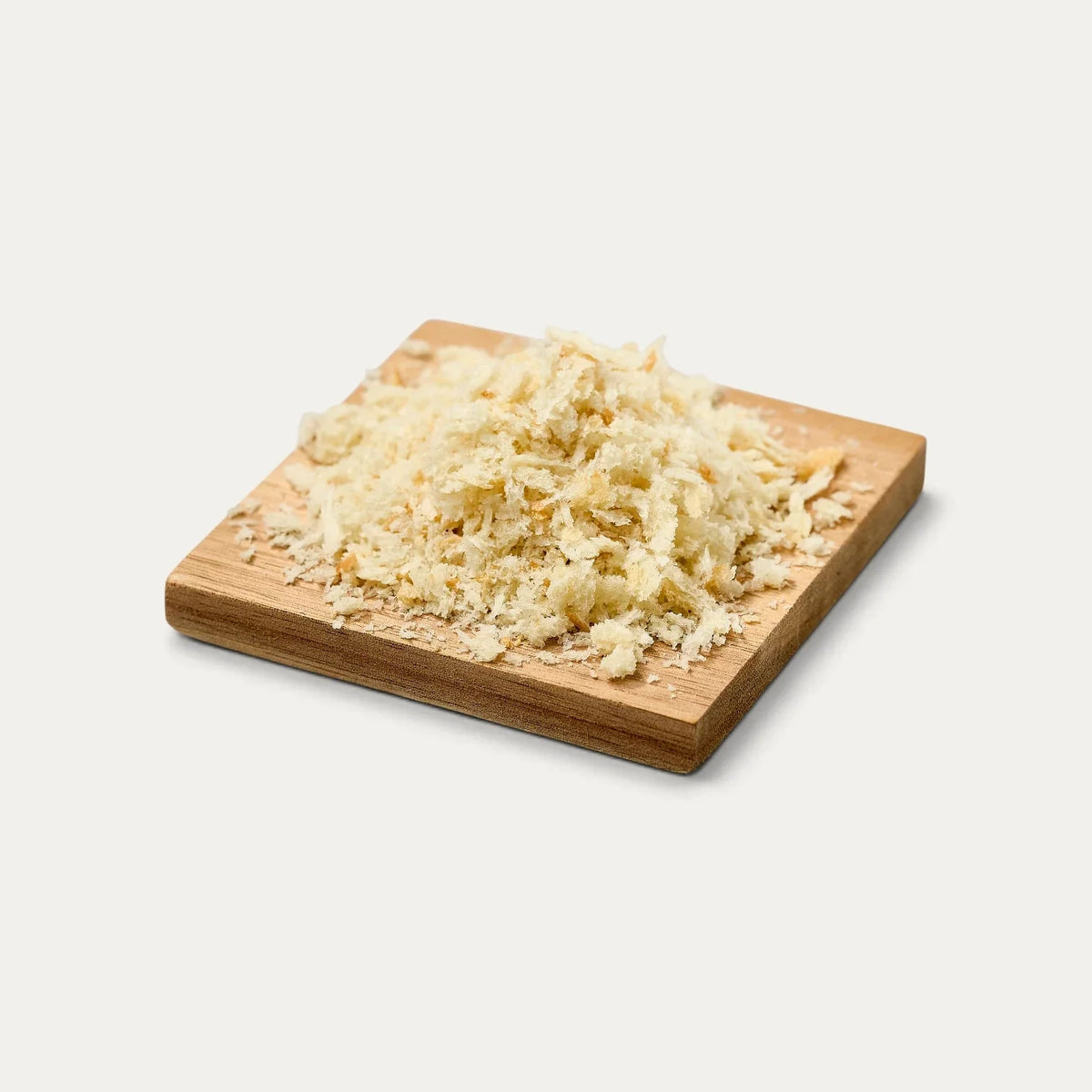
This patented process gives the product its elongated, jagged, and exceptionally light flakes. During cooking, this unique geometry ensures an incomparably crispy texture and wonderful lightness on the palate, avoiding the heavy, dense feel of classic European coatings.
What is the difference between panko and standard breadcrumbs?
The major difference lies in the structure of the flake and how it behaves in hot fat. During frying, panko's jagged shape creates an air barrier that limits oil absorption into the food. The result is a crisp coating that remains light and nearly dry on the surface, highlighting the delicacy of the ingredients beneath.

When cooked, these flakes turn a uniform golden colour, creating delicate, crispy little golden flakes around meat, fish, or vegetables.
| Characteristic | Japanese panko | Standard breadcrumbs |
|---|---|---|
| Raw material | The soft crumb of fresh white sandwich bread, without the crust (or rice, maize or buckwheat for wheat-free versions). | Whole dried, ground bread (crumb + crust). |
| Visual appearance | Pure white, elongated, and jagged flakes. | Fine, granular powder, beige/brown in colour. |
| Oil absorption | Very low (thanks to the airy pockets). | High (acts like an oil sponge). |
| Texture after cooking | Airy, ultra-crisp, light. | Dense, hard, sometimes compact. |
| Gluten-free version | Yes: rice panko and rice-and-maize panko. | Rarely. |
Criteria for choosing the best artisan panko
With so many mass-produced imitations on the European market, finding traditional panko requires paying close attention to production methods. A premium quality product can be identified by two essential criteria:

- The baking method: authentic artisan panko is baked using an electric resistance heating method (an electric current passes directly through the dough). This bakes the loaf from the inside out without ever creating a brown crust or caramelisation. The resulting bread remains a pristine, immaculate white before being gently shredded into flakes.
- A simple recipe: a premium product should be guaranteed free from additives, chemical flavour enhancers and hydrogenated fats. Wheat panko should contain only high-quality flour, water, yeast and a pinch of salt to preserve its pure flavour.
At Nishikidôri, our experts work closely with traditional millers and bakers in Japan to bring you Japanese panko breadcrumbs that meet these exacting standards.
Our panko compared
Traditional wheat panko, gluten-free rice or rice-and-maize panko, buckwheat panko: each has its own uses.
| Panko | Base | Gluten-free | Ideal for |
|---|---|---|---|
| Superior Fuji panko | wheat bread crumb, with no additives or preservatives | no | tonkatsu, tempura, classic Japanese breading |
| Rice panko | Japanese uruchi rice, with no additives or added fat | yes | light fried dishes: absorbs around 40% less oil than wheat breadcrumbs and stays crisp once cooled |
| Wa Panko Corn Mix | Japanese rice and maize semolina, with no additives | yes | breaded poultry, fish, vegetables and fruit; delicate maize flavour |
| 100% roasted buckwheat panko | Kitawase buckwheat from Hokkaido, flakes crushed with their bran | no wheat in the recipe | flavourful breading, gratins and savoury crumbles |
How do you cook panko successfully?
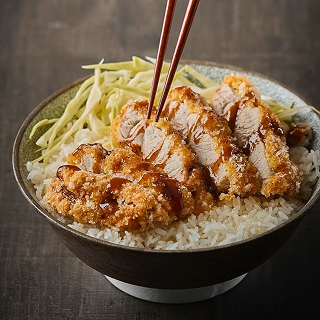
Panko is the star ingredient of famous tonkatsu (breaded and fried Japanese pork cutlet), but it also shines in crisp tempura (ultra-light prawn or vegetable fritters).

To use it, dust your ingredients in a little flour, dip them in beaten egg, and roll them generously in panko flakes, pressing very lightly with the palm of your hand to help them adhere. Then lower your food into a deep fryer or deep frying pan filled with neutral oil heated to 170°C–180°C.
Its versatility also makes it ideal for topping a pasta or vegetable bake in the oven, creating an irresistible golden crust without excessive cheese.
The grocer's culinary tip for frying
For results worthy of the best chefs, never fry food in oil that is too cool (below 160°C). The panko would lose its barrier effect and absorb grease. At the correct temperature (175°C), the flakes immediately expand and release moisture from the food as tiny bubbles, sealing the breading into a crisp, airtight shell.
Find more food-pairing ideas in our Japanese recipes.
FAQ on panko and Japanese breadcrumbs
How long does an opened bag of panko keep?
Panko is a dry product that is very sensitive to ambient moisture. Once opened, we recommend sealing the bag tightly with a clip or transferring the flakes to an airtight glass jar, kept away from light and heat. Stored this way, it will keep perfectly for several months without losing its crispness.
Is there a gluten-free panko?
Yes. Traditional panko is made from wheat and therefore contains gluten, but our rice panko and Wa Panko Corn Mix (rice and maize) are gluten-free and retain panko’s flaky texture. For wheat-free breadcrumbs with a more pronounced flavour, try 100% buckwheat panko.
Is panko suitable for vegetarians and vegans?
Yes, absolutely. Unlike some Western breadcrumbs that may contain traces of animal fats or dairy products, the traditional panko recipe relies solely on wheat flour, water, yeast, and salt.
Why does my panko brown too quickly during frying?
If your coating turns dark or burns in seconds, your frying oil is usually too hot (above 190°C), or you are using industrial panko with added sugars or corn syrup, which caramelise too quickly. Opt for an artisan-grade product and monitor your cooking temperature.
Can panko be used to bind mince and fillings?
It is a great use for it. Because it absorbs moisture effectively without becoming sticky, a handful of panko added to meat fillings (such as tsukune meatballs or Japanese hambagu patties) locks in cooking juices and yields an incredibly tender texture.


