








Cooking sake and mirin are the two fundamental rice alcohols of Japanese cooking, and they play different roles: the first brings depth and umami, while the second brings sweetness and shine. A proper cooking sake tenderises meat and fish, deglazes pan juices, and neutralises strong fish odours; mirin naturally sweetens sauces and gives glazed dishes their signature gloss. It is not about choosing a winner, but knowing when to use each — and often, how to combine them. This guide compares both staples, breaks down the criteria for a good cooking sake, and offers reference points for classic recipes.
Cooking sake: umami and depth
In Japan, sake intended for the pot is called ryorishu. It serves three main purposes: its amino acids enhance the dish's umami, its alcohol dissolves and carries flavours during cooking, and it neutralises overly strong fish or meat aromas. The alcohol largely evaporates during cooking, leaving behind only the aromatic depth.

In practice, cooking sake is used whenever you build a flavour base: in marinades, where it relaxes fibres and helps seasonings penetrate; in broths and stews, where it blends flavours harmoniously; in rice, where a spoonful in the cooking water plumps the grains; and for steaming, where it delicately perfumes fish and shellfish.
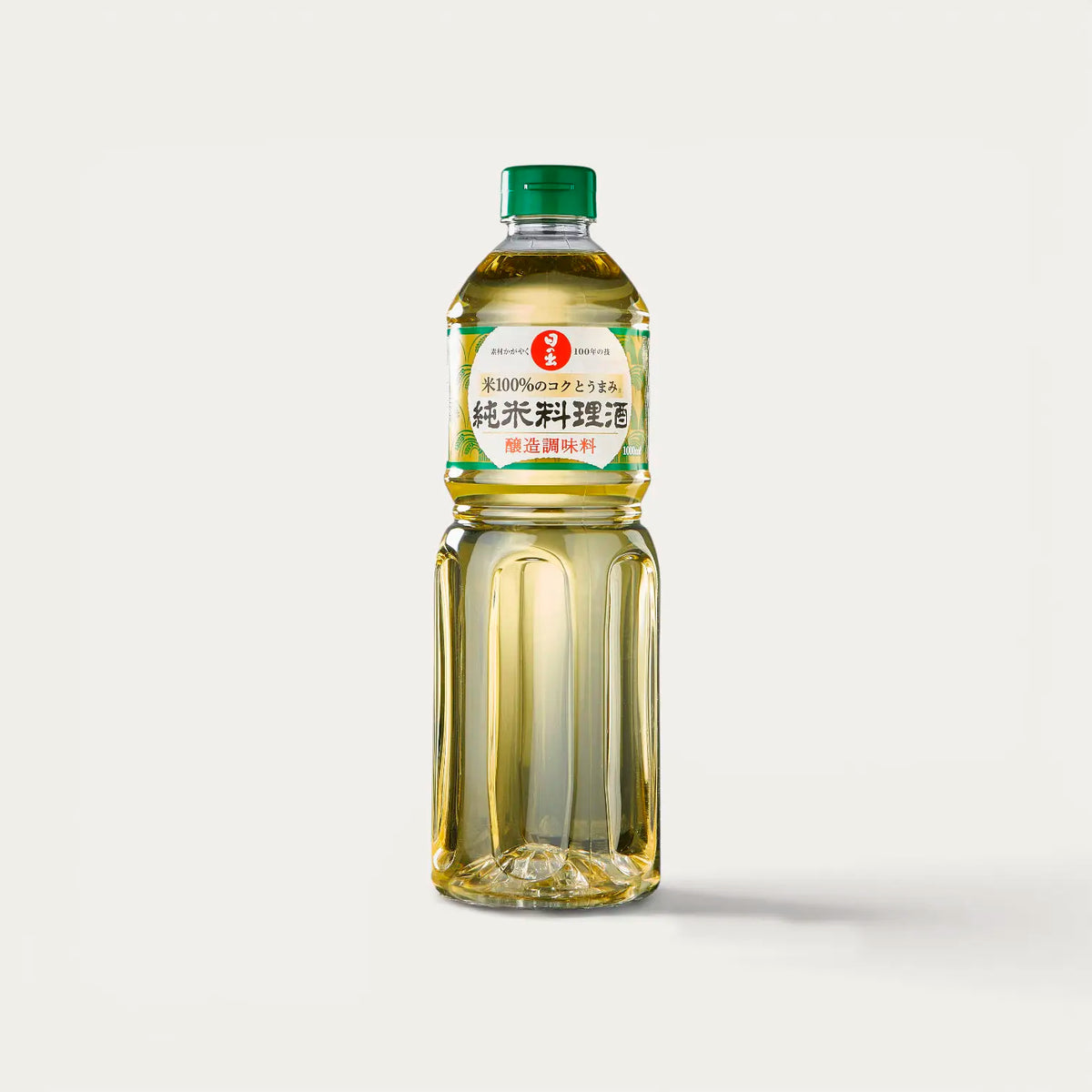
One detail requires caution: many bottles sold as “cooking sake” in supermarkets contain added salt and flavour enhancers. Brewery-crafted cooking sake, made like real sake, delivers an incomparable result — that is the difference between an ingredient made for fine cooking and a byproduct.
Mirin: sweetness and sheen
Mirin is a sweet rice alcohol, naturally sweetened by the slow conversion of glutinous rice starches. In cooking, it serves two functions sake cannot: it sweetens without refined sugar, providing a richer roundness, and it creates a glossy sheen — giving teriyaki glazes and braised fish their appetising lustre.

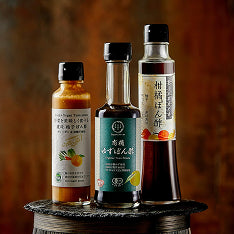
Here again, the label matters. Authentic hon mirin, produced through months of traditional fermentation, has nothing in common with glucose-syrup-sweetened “mirin-type condiments”. An artisanal product like Mikawa mirin shows what hon mirin brings: a deep, almost caramelised sweetness that can define a sauce all on its own.
Cooking sake vs mirin: the comparison

| Criterion | Cooking sake | Mirin (hon mirin) |
|---|---|---|
| Dominant flavour | Dry, umami, cereal notes | Sweet, rounded, naturally sugary |
| Culinary role | Tenderise, deglaze, add depth | Sweeten, glaze, add shine |
| When to add | Beginning and middle of cooking | Middle and end of cooking (glazing) |
| Sugar content | Low | High, naturally derived from rice |
| Typical uses | Broths, marinades, sake-steaming | Teriyaki, glazes, sweet soy sauces |
| Can one replace the other? | No (it lacks sweetness) | No (it lacks dry umami) |
Remember the analogy used by Japanese chefs: sake builds the foundations of flavour, while mirin adds the finishing touch. In professional kitchens, mirin is often flambéed or reduced on its own (nikiri) to mellow its alcohol before going into finishing sauces — a simple step that refines glazes even further. Classic Japanese sauces almost always use both.
Which cooking sake to choose: key criteria
Three criteria set a good cooking sake apart from an ordinary bottle:

- Ingredients: a pure rice sake (junmai), free of added salt or flavourings — this can be verified on the label;
- Brewery origin: cooking sake made by an authentic sake brewery, like King Jyozo junmai cooking sake, retains an aromatic body that blossoms during cooking;
- Consistent supply: for professional kitchens, a generous bottle size and steady quality make all the difference day to day.
To understand what sets an exceptional cooking sake apart, our article on Izumo Jidenshu, artisan cooking sake tells the story of a brewery that dedicated its craftsmanship to culinary excellence.
Pairing them in cooking: the great classics
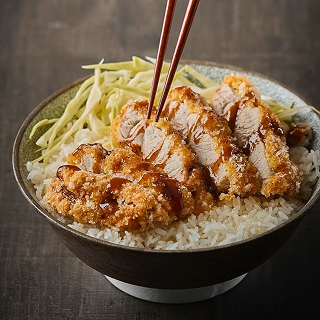
Most iconic dishes use the pair. Teriyaki sauce brings together soy sauce, mirin, and sake in roughly equal parts, reduced to a glaze. Nikujaga (beef and potato stew) relies on sake for depth and mirin for balanced sweetness. Oyakodon combines both in the broth that coats chicken and egg.

A simple rule of thumb for improvising: add sake at the start of cooking, taste, then adjust the sweetness with mirin near the end. This builds flavour in the right order without ever over-sweetening. If you are also curious about sake in a glass, our selection of drinking Japanese sake is a natural next step.
Can one be substituted for the other?
Honestly: not well. Replacing mirin with sake plus sugar yields an acceptable rough approximation in an emergency (use one part sugar to three parts sake), but the smooth depth of hon mirin will be missing. Replacing cooking sake with a very light dry white wine works for deglazing, but the distinctive umami of fermented rice is lost.
The real answer lies elsewhere: both bottles keep for months and are used in dozens of dishes — from an everyday evening noodle broth to Sunday's glazed fish. Keeping both in the cupboard costs little and changes everything.
FAQ: your questions about cooking sake and mirin
What is the difference between cooking sake and mirin?
Cooking sake is dry and rich in umami: it tenderises, deglazes, and adds depth. Mirin is sweet and mild: it balances sauces and lends a lustrous glaze. They complement each other rather than being interchangeable.
Can you drink cooking sake?
Authentic brewery cooking sake without added salt is drinkable — it is simply designed to show its best qualities when heated in cooking. By contrast, industrial salted cooking sakes are not suitable for drinking.
Does alcohol remain after cooking?
Most of the alcohol evaporates during simmering or reducing. Trace amounts may remain in uncooked or lightly cooked dishes, which should be noted for those avoiding alcohol.
What is hon mirin?
“True mirin”: a sweet rice alcohol crafted through several months of traditional fermentation, with no added glucose syrup. Its complex sweetness has nothing in common with mirin-style condiments.
What can you substitute for cooking sake?
In a pinch, a very light dry white wine for deglazing. But the umami of fermented rice cannot truly be replaced: a bottle of quality cooking sake, which keeps for a long time, is well worth having.
Can drinking sake be used for cooking?
Yes, a simple junmai cooks very well — it is even a reliable choice. However, using a fine drinking sake for cooking would be a waste of its delicate aromas.
How to store cooking sake and mirin?
Stored away from light and heat with the bottle sealed. Once opened, cooking sake keeps for several weeks in the fridge; hon mirin, which is sweeter and higher in alcohol, keeps for several months under good conditions.


