







Our Japanese recipes

Sake is a traditional Japanese alcoholic beverage made from rice, water, yeast and kōji, a ferment that converts the starch in rice into sugars. Prized for its aromatic richness and finesse, it is...

As autumn approaches, the first yuzus are harvested in Japanese orchards. Still young and intensely fragrant, they unveil a vivid freshness and vibrant aromas that herald the beginning of an iconi...

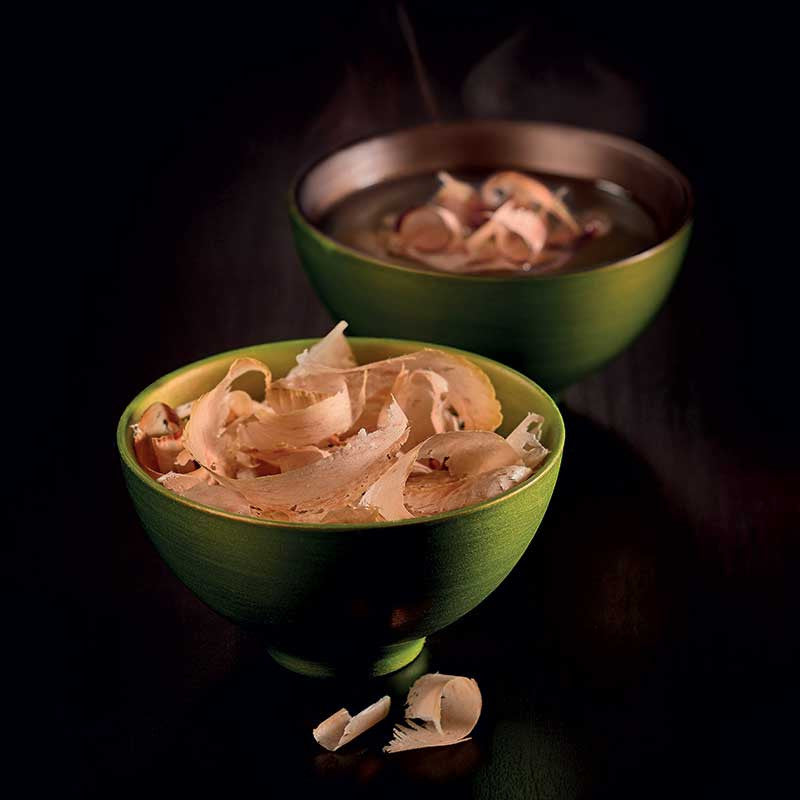
Crafted according to traditional Japanese expertise, Nishikidôri katsuobushi is made from bonito that has been carefully dried, smoked and aged. It reveals deep aromas and an exceptional umami ric...

Considered one of the most prestigious beef cattle in Japan, the Matsusaka is renowned for its exceptional marbling and melt-in-the-mouth texture. Raised with the utmost care in Mie Prefecture, it...

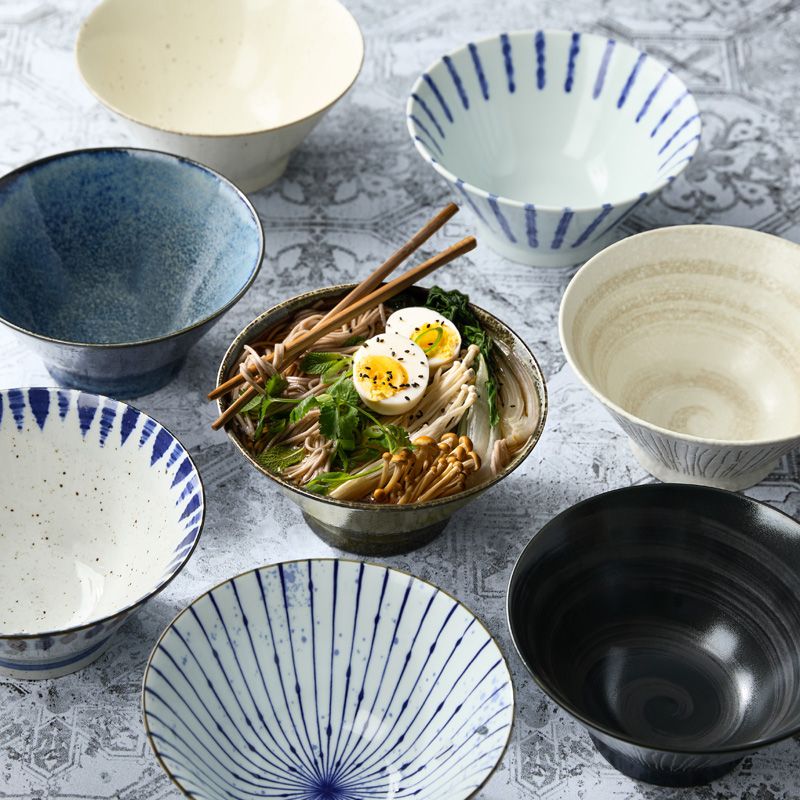
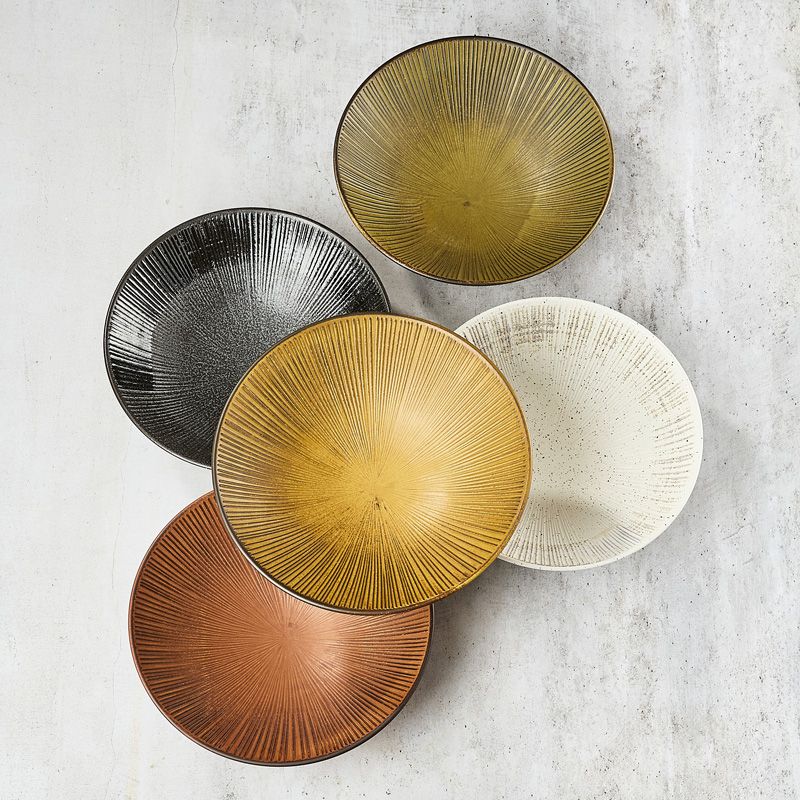
A reflection of ancestral craftsmanship, Japanese tableware combines aesthetics, functionality and a respect for the seasons. Bowls, plates and ceramics in varied forms enhance every dish and play...

Newsletter sign-up
Sign up to our newsletter and receive all our news and special offers.

Show partner Top Chef, Nishikidori celebrates the excellence of Japanese products with the greatest chefs. A collaboration that showcases exceptional ingredients, artisanal craftsmanship and the f...

Sensitive to light, heat and temperature variations, sake is best stored in a cool place. Depending on its style, it is enjoyed chilled, at room temperature or gently warmed, thus revealing the fu...

Heir to an ancestral expertise, Kantoya crafts exceptional misos prized for their finesse and aromatic depth. A true treasure of Kyoto, this miso reveals a subtle balance between sweetness, charac...

Founded in 1753 on the island of Shikoku, Kamebishi-Ya perpetuates a unique traditional brewing expertise. Slowly aged in wooden barrels, its soy sauce develops an exceptional aromatic depth, comb...
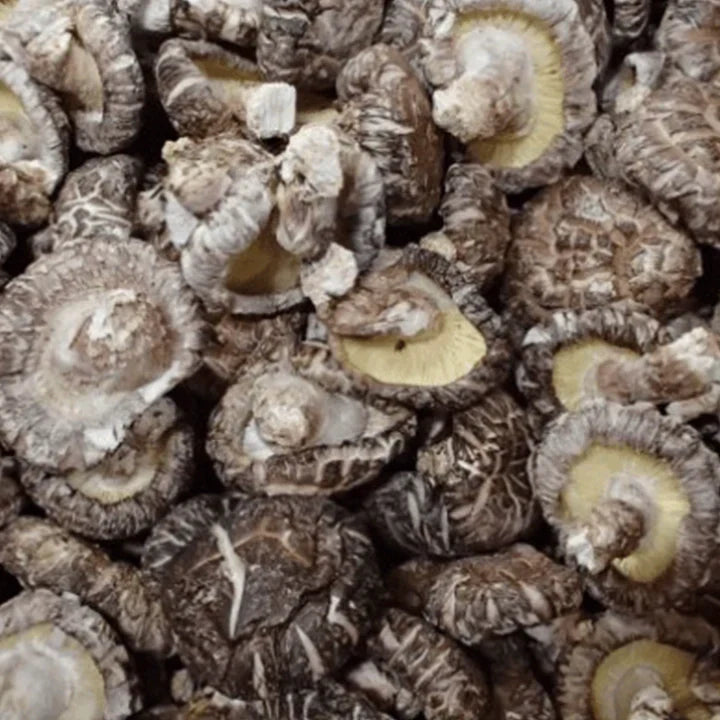
In the heart of the forests of Ōita, the birthplace of Japan's most renowned shiitake mushrooms, discover an ancestral expertise. Grown on wood according to tradition, these exceptional mushrooms ...

An exceptional Japanese beef raised according to exacting methods, the Himawari captivates with its remarkable tenderness and delicate marbling. Its flavourful meat, rich in umami, offers an elega...

A rare citrus fruit originating from Miyazaki Prefecture in Japan, the hyūganatsu captivates with its juicy flesh, gentle acidity and refined floral notes. Traditionally enjoyed with part of its w...


Buying guides & blog articles
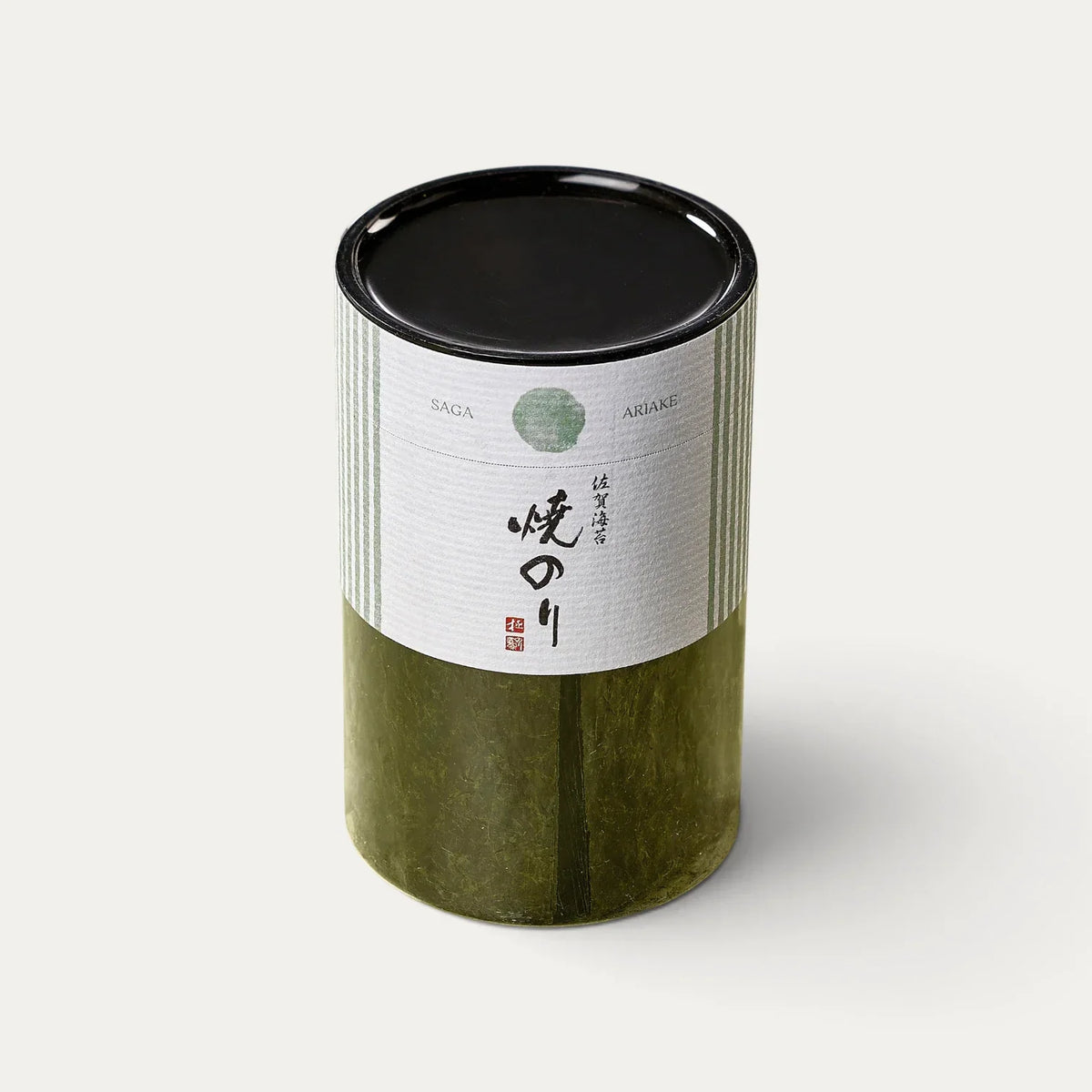
Which nori seaweed should you choose for sushi and maki? Our guide: yaki nori vs seasoned, quality criteria, grades, and storage.
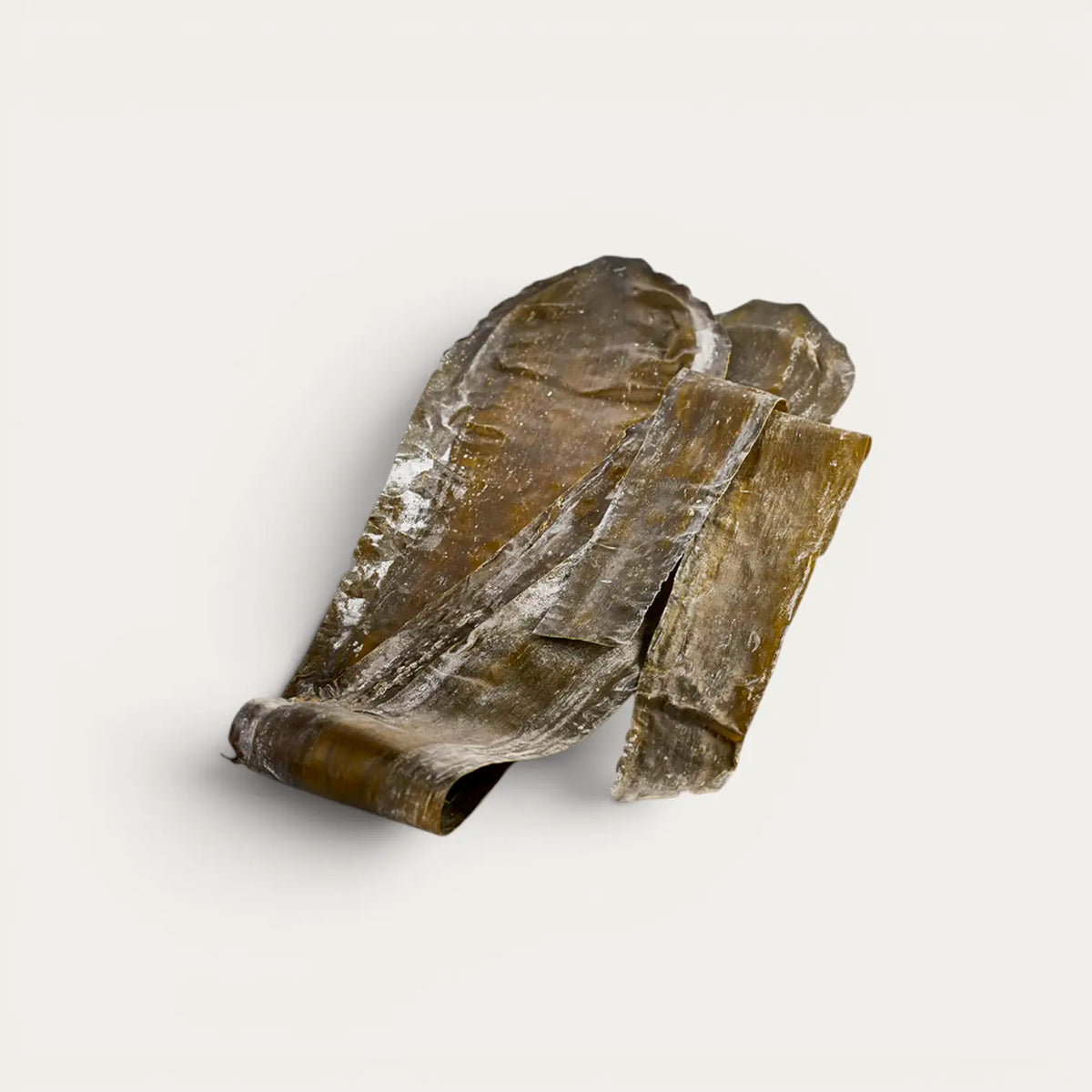
Which kombu should you choose for the perfect dashi? Our guide compares the four main types (Rausu, Rishiri, Ma-kombu, Hidaka) and Kura-gakoi cellar-aged kombu by use and quality.
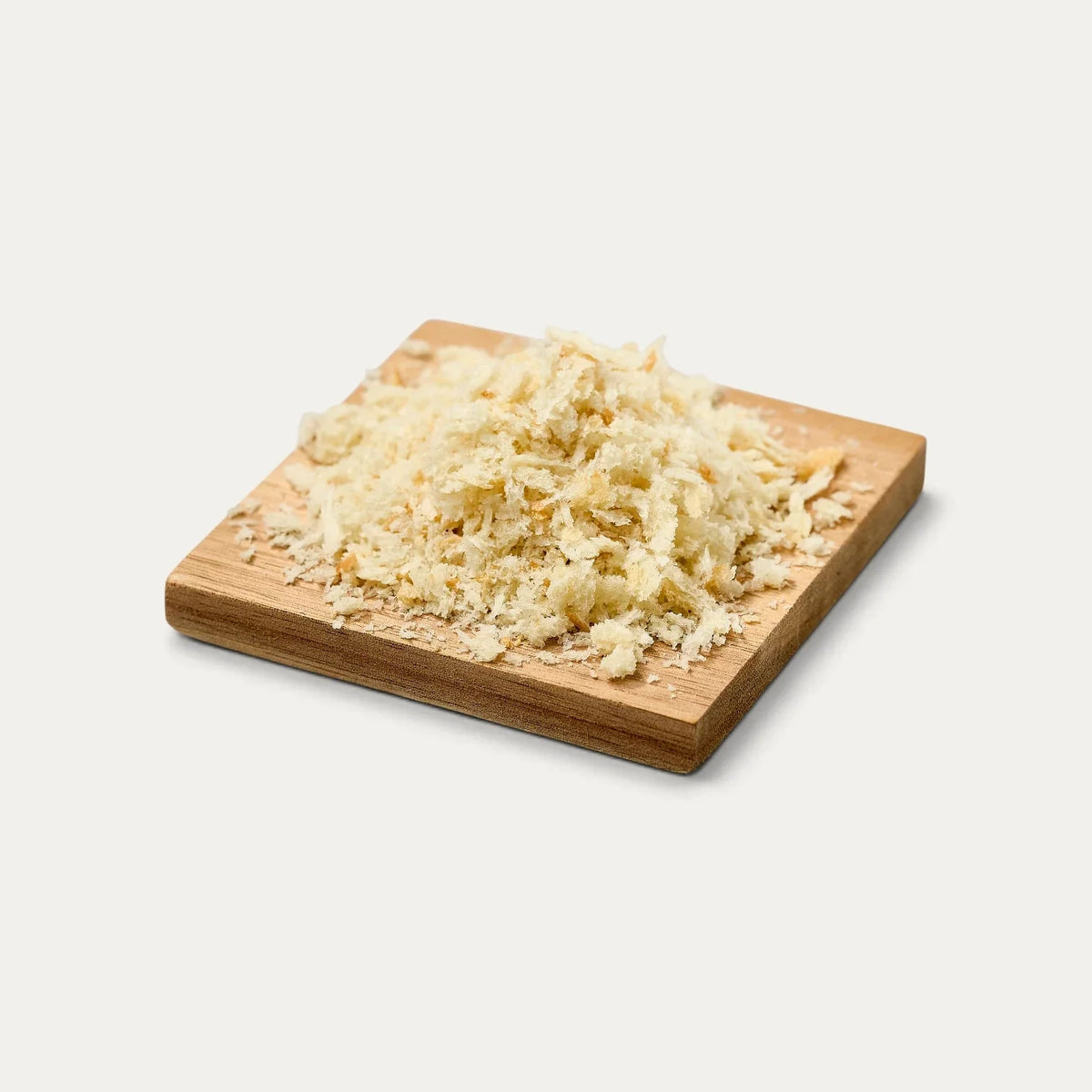
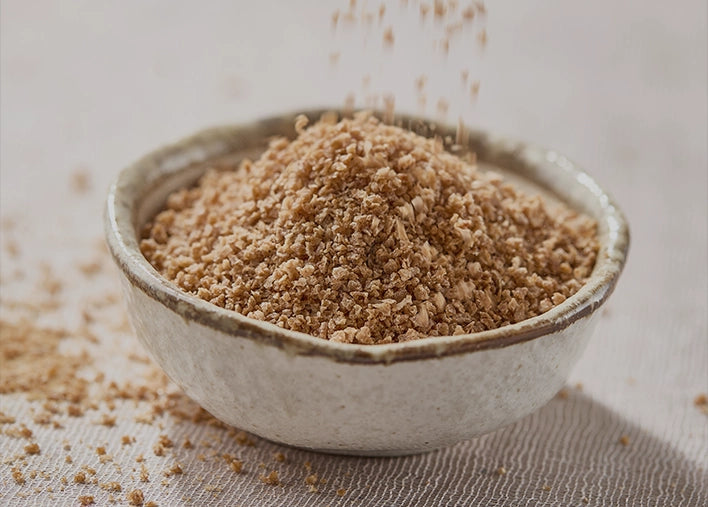
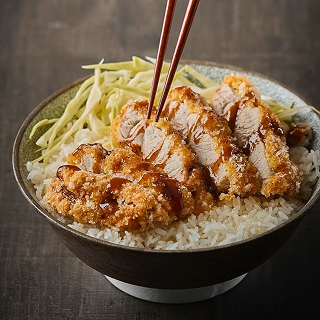
Panko or conventional breadcrumbs? How to recognise artisan panko, choose between wheat, rice, maize and buckwheat varieties, and make successful tonkatsu, tempura and gratins.
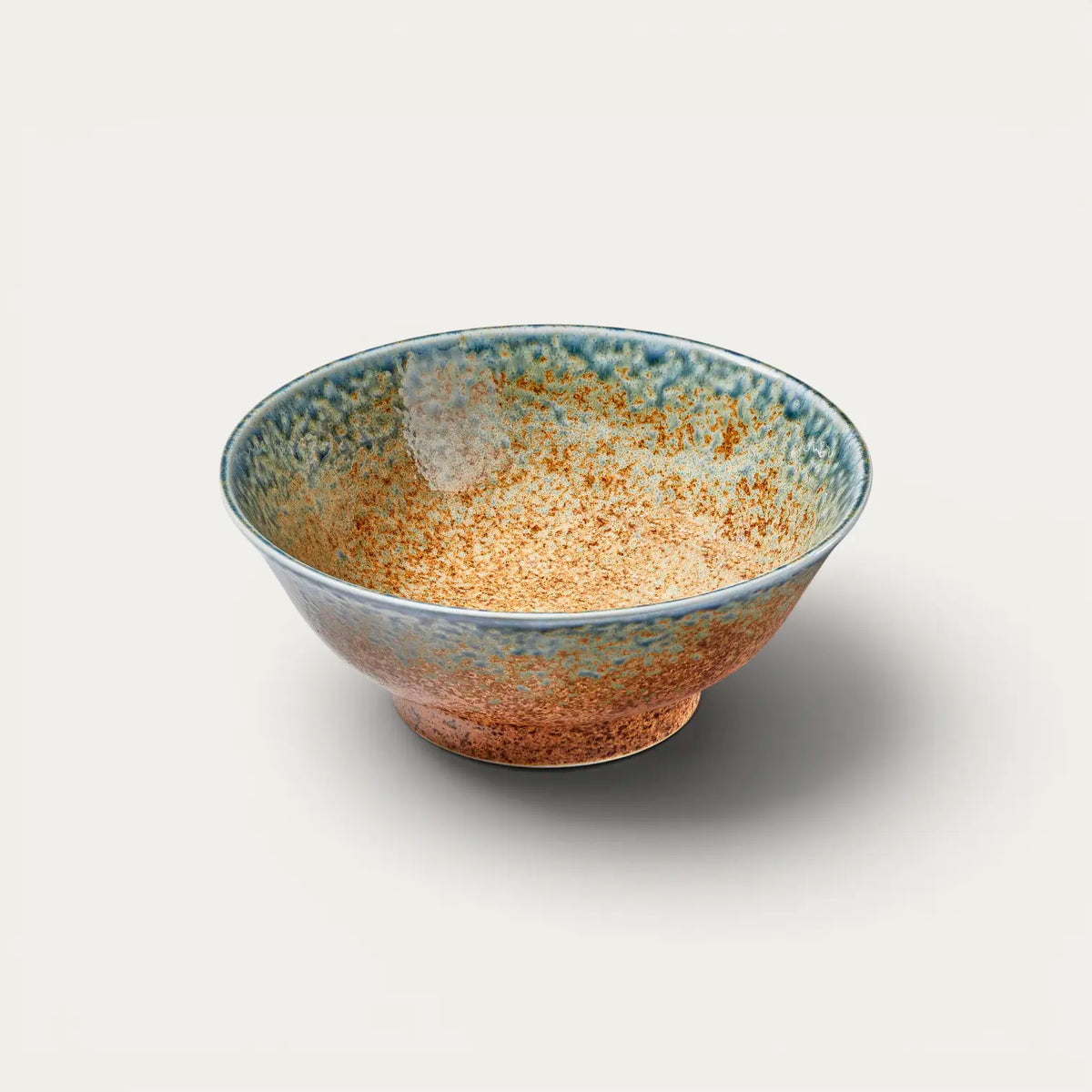
Size, material, shape: the guide to choosing a ramen bowl made in Japan, from everyday bowls to full sets with a renge spoon.
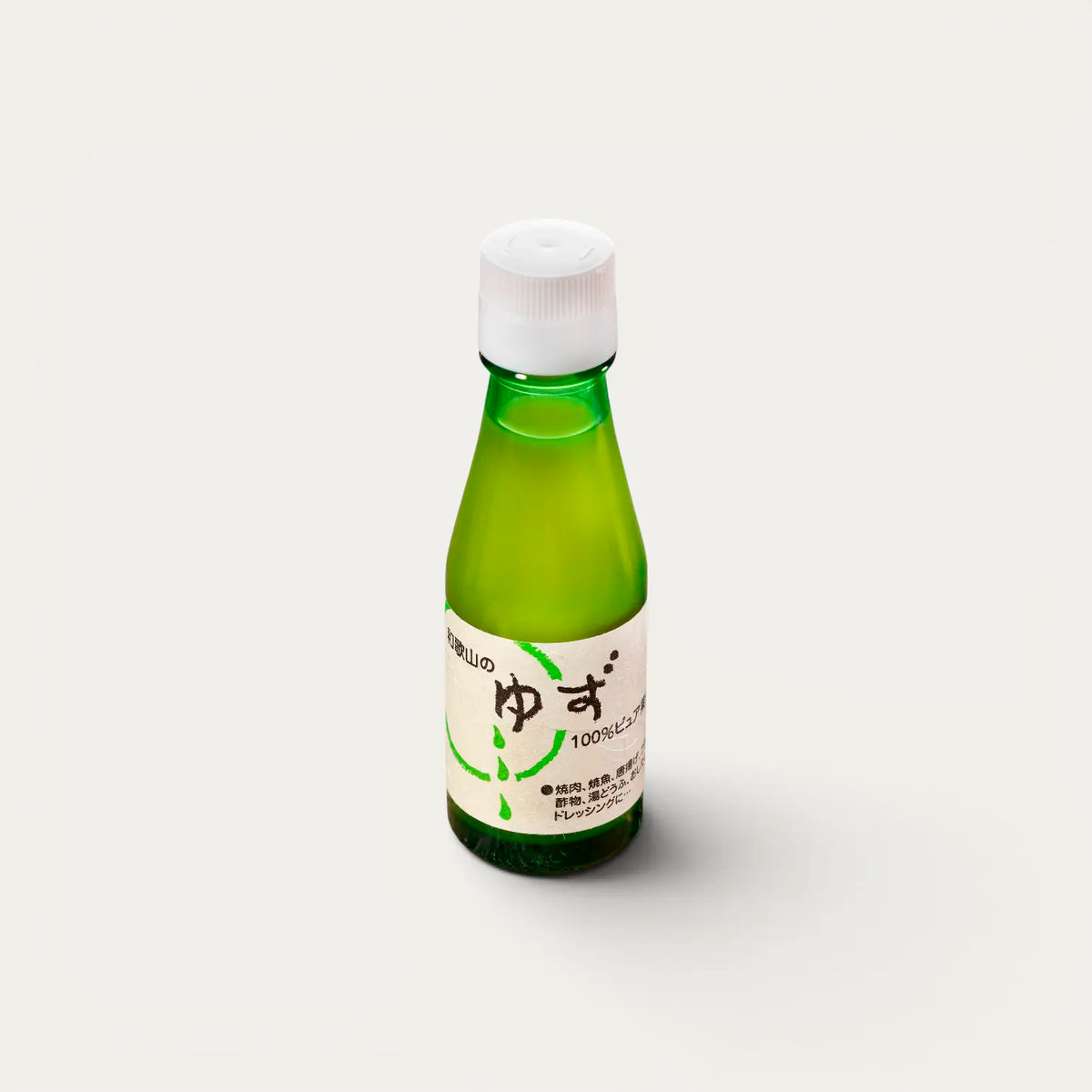
Pure or salted, pasteurised or not, from Kôchi, organic or powdered: what to look for in a good Japanese yuzu juice.
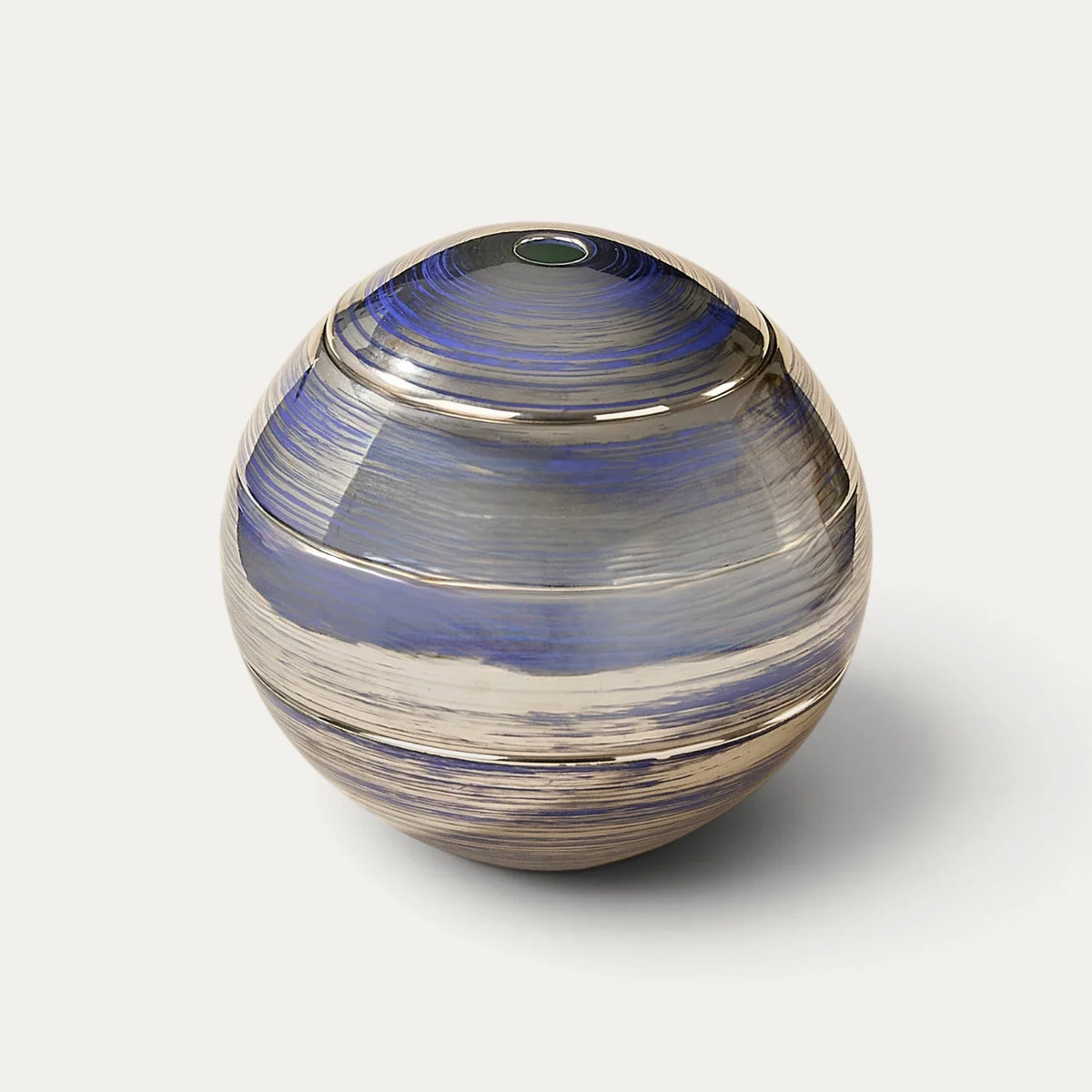
Minoyaki porcelain, Bizen stoneware, lacquerware and wood: how to recognise authentic Japanese tableware and choose the right piece.
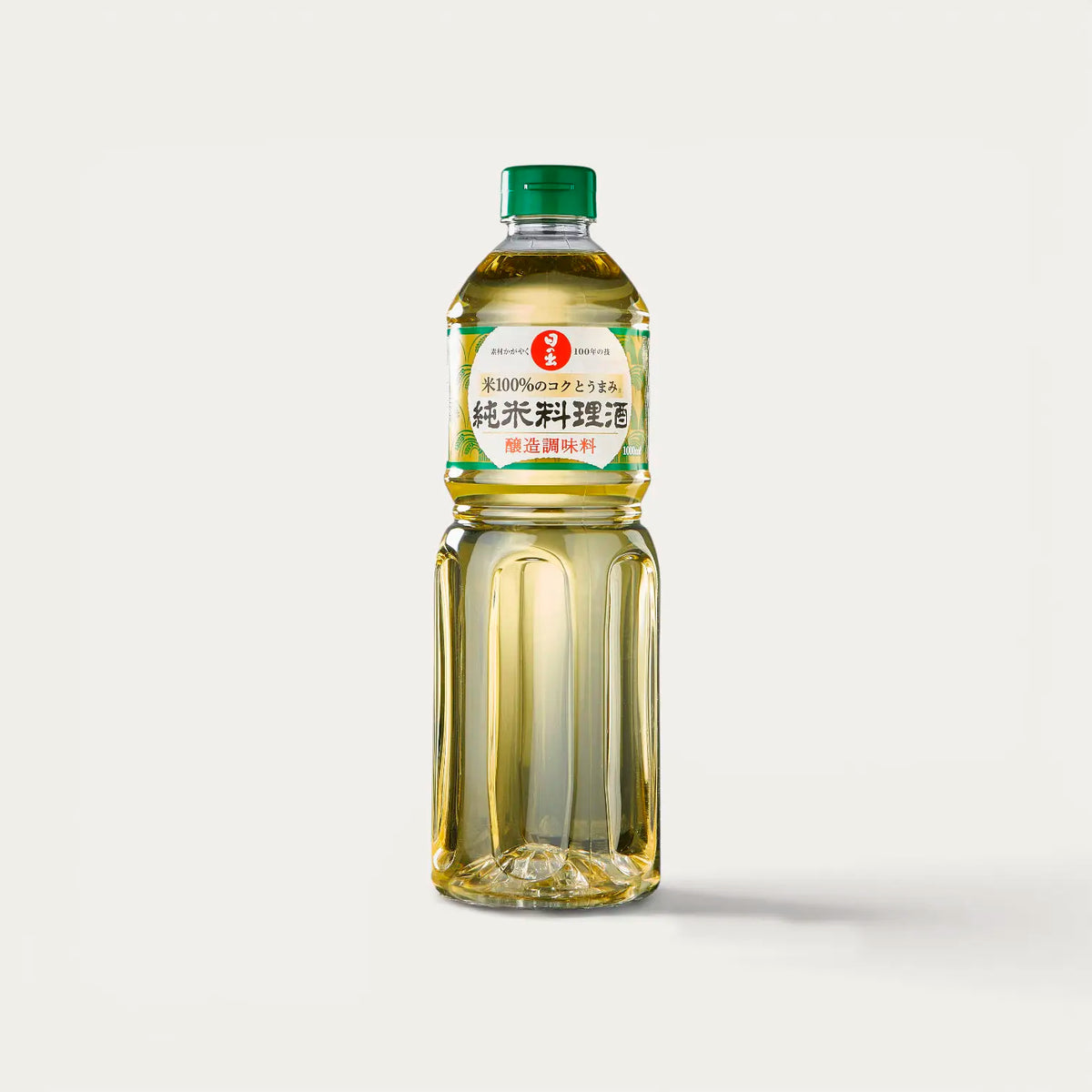
Cooking sake or mirin? Umami, sweetness, shine: understand their roles, choose the right bottle, and master Japanese classics.
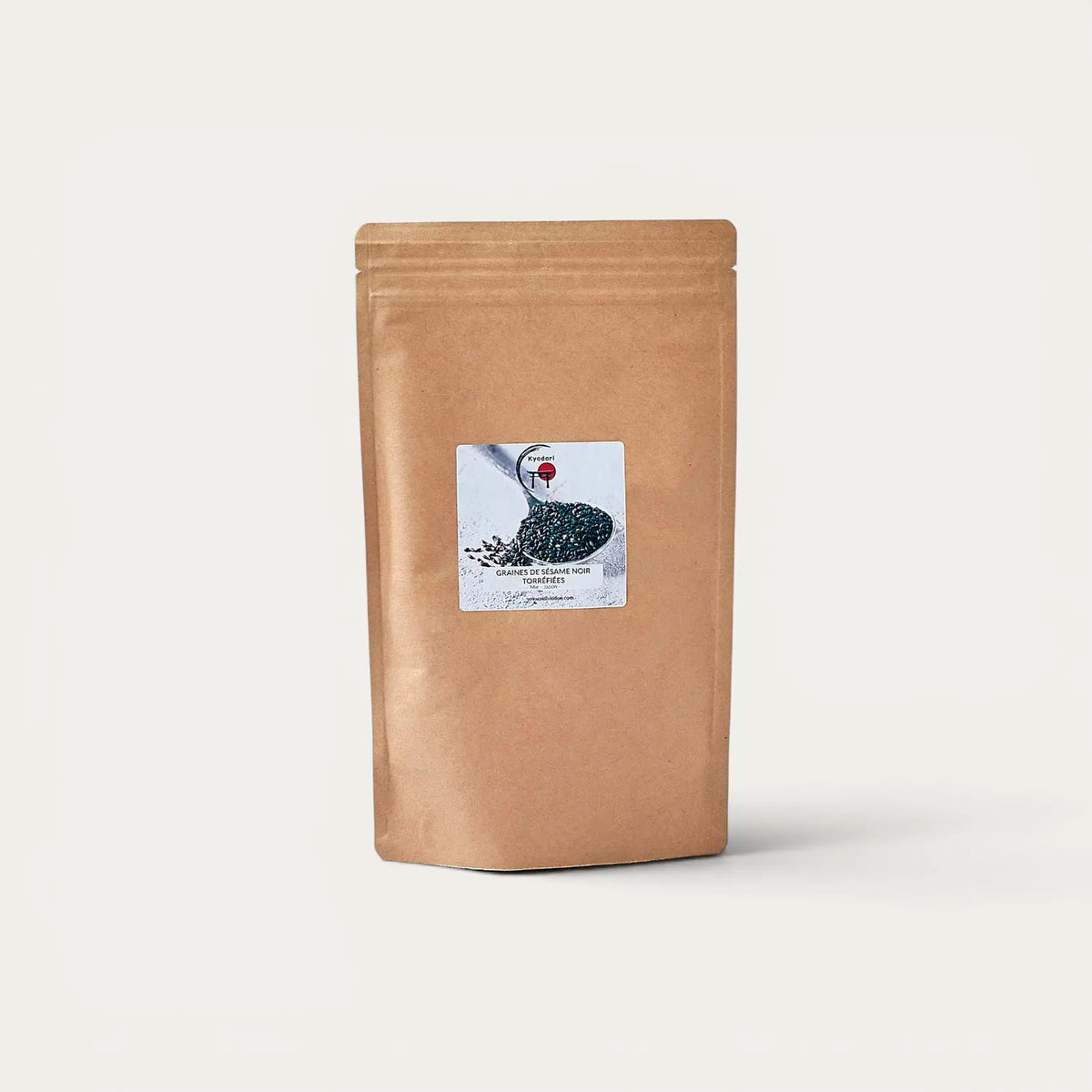
Black or white sesame: flavour differences, seeds, paste or oil, and which to choose for each Japanese dish.
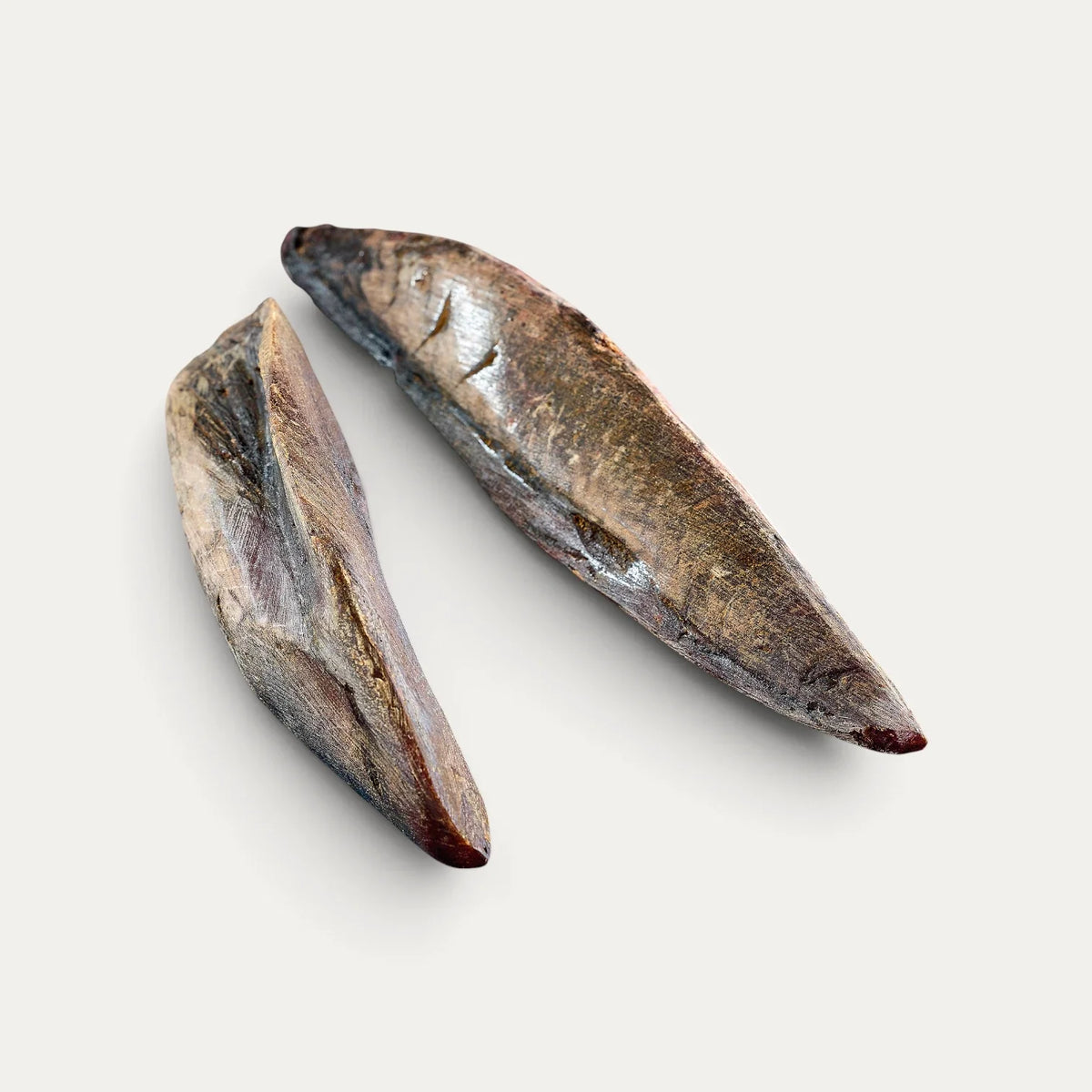
Arabushi, shavings or a whole block: how to choose quality katsuobushi for dashi and Japanese cooking.
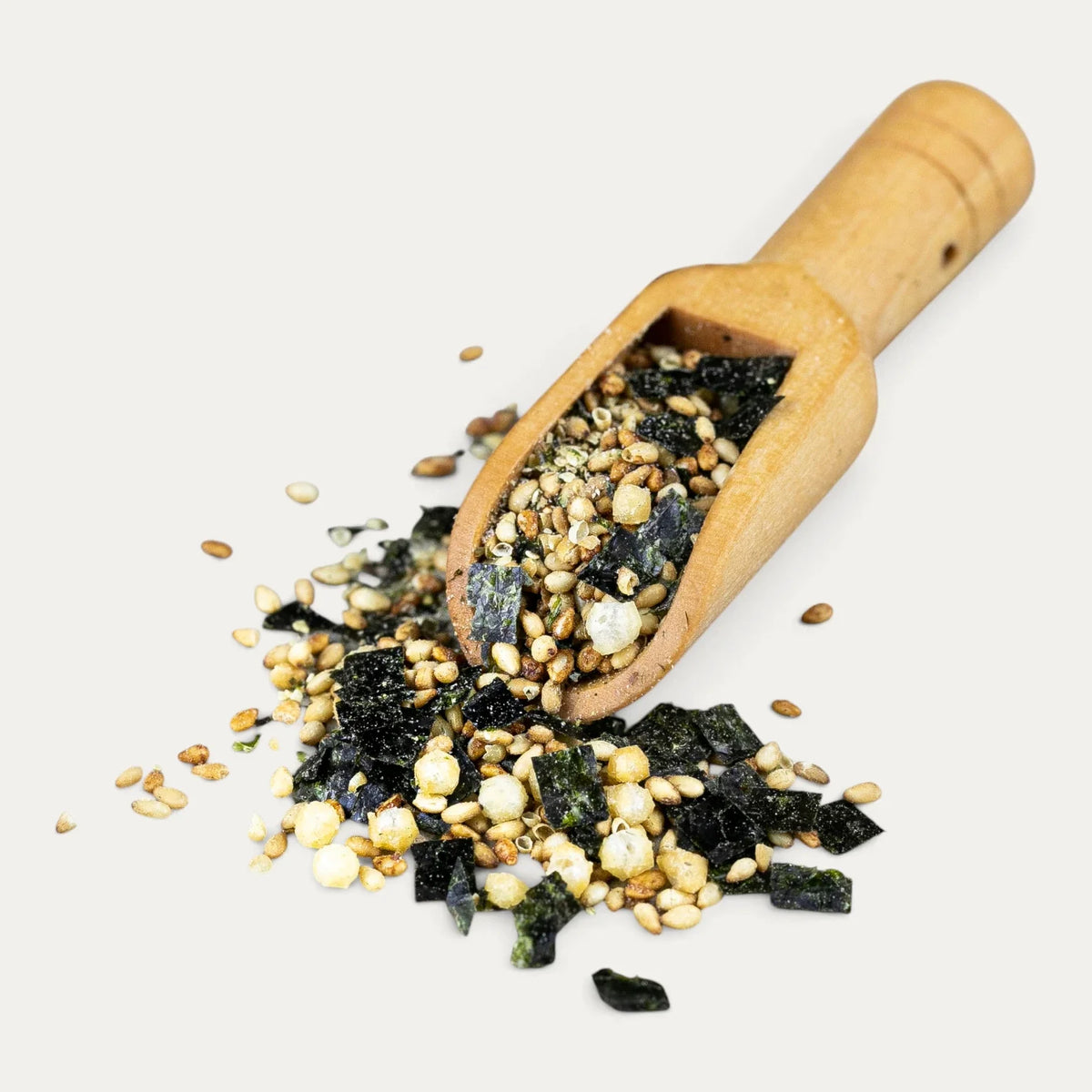
Nori komi, okaka, salmon: how to choose and use furikake.