









Miso is a traditional Japanese condiment. It originates from China and appeared in Japan in the 7th century, where it established itself as a seasoning and basic condiment.

It is traditionally made from fermented soy beans, then transformed into a thick paste. Its worldwide reputation is owed to the health benefits of its consumption.
Olivier Derenne's favourite miso
Japan showcases several terroirs renowned for the production of miso. My preference goes to the Kyoto region, renowned for its white miso, shiro miso.
There I discovered an extraordinary, passionate producer, crafting a unique miso with naturally sweet flavours and a relatively low salt content, unlike the majority of Japanese misos.
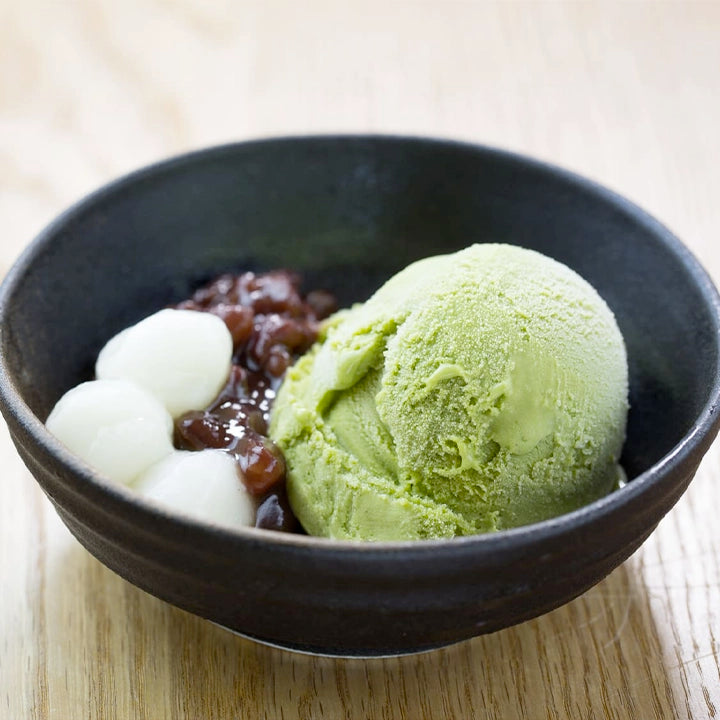
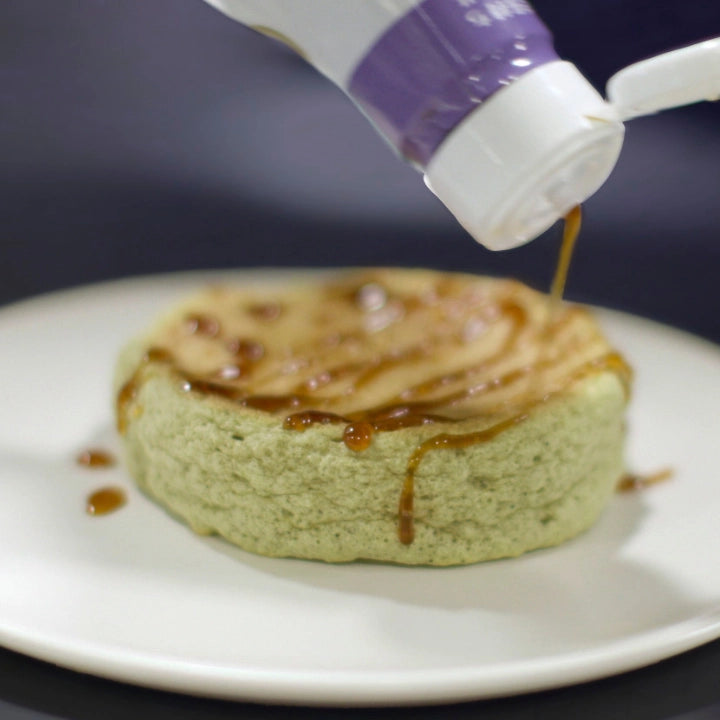
At this producer, we are far removed from the poor miso soup found in pseudo-Japanese restaurants that haunt our cities. Here, miso becomes a dessert, a treat, a spread, a condiment… And Nishida San's mastery allows him to respond to any request, for all food trades, at the risk of shocking many Japanese people or even provoking mocking laughter.
The different misos
There are 4 major categories of miso in Japan:
1. Kome miso
Made from rice and soy beans, pale yellow to beige in colour, or even light brown. Kome miso is certainly the easiest to use:
Pale yellow: it has a very mild flavour, slightly sweet and fairly low in salt. It makes an excellent base for desserts, spreads…
Its sweetness also offers wonderful possibilities for the preparation of fish dishes and sauces.
In Kyoto, it is the base of the delicious "shiro miso soup" (white miso soup).
Recommended for use in sauces or marinades based on white wine and Pinot Noir.
Beige: it has more body, is less sweet and slightly saltier. It is certainly the most widely used miso in Japan.
Used as a base, the possibilities are endless in cooking. It pairs particularly well with white poultry dishes (chicken, turkey).
Recommended for use in sauces or marinades based on white wine and red wine.
Light brown: its flavour is very rich, and its use in cooking immediately brings a typically Japanese taste.
Recommended for use with red meats and sauces or marinades based on red wine (Cabernet Sauvignon).
2. Mugi miso
It clearly expresses the aroma and texture of barley. It is recommended simply to enhance your dishes, and therefore as a pure condiment.
Its consistency is very pleasant and it is frequently used in the preparation of sauces intended to be served with pork, or to enhance various composed salads and raw vegetables.
3. Aka miso or red miso
Made from soy beans and rice, or soy beans and barley, characterised by its dark colour, the result of a long fermentation, saltier than other misos, with a much more robust flavour.
4. Mame miso
Mame miso is the strongest of all misos. Its flavour is strong and powerful, and its taste is quite salty. It is so rich and robust that it requires no added oil. It proves to be an excellent base for sauces served with game.
Recommended for use with red meats and sauces or marinades based on red wine (Merlot, Syrah).
I particularly enjoy it in a broth enhanced with shellfish. Its pairing with chocolate in certain savoury sauces is very well balanced.
Kantoya, a must-visit address!
At Kantoya, all the misos are exceptional. I would recommend, however, starting with the white miso.

How does Nishida San make his white miso?
1. He first makes his kôji: the rice, rigorously selected, is first washed and then soaked until it takes on an immaculate white colour.
It is then steamed to achieve the optimal moisture level for the development of the kôji. Cooled to 35°C, it is inoculated with a natural culture, aspergillus oryzae, and lactobacilli.
It is spread out in a fermentation chamber, on cloths, to be left to ferment for 2 to 3 days. During this period, it will be regularly turned by hand so that each grain of rice is coated in white mycelium. The resulting aroma is floral and sweet.
2. While the kôji is being made, the soy beans are washed, then soaked and then cooked.
3. The finished kôji is then salted and mixed with cooked soy beans. It will be "the enzymatic source that will hydrolyse the soy proteins to the amino acid stage through peptidases and proteases. The transformation of glutamine by a glutaminase (produced by the fungus) will lead to the formation of glutamic acid, a flavour enhancer". This mixture is coarsely ground.
4. It will then be cooked for nearly 8 hours at 55°C, thereby promoting the saccharification of the starch.
5. Everything is then traditionally ground on a stone mill and then cooled.
6. Cane sugar alcohol is then added in order to slow down the fermentation. Fermentation then takes place in a sealed container, either at room temperature or in a cold room depending on the season, for 1 to 2 months.

The virtues of Nishida San's miso
Nishida San's misos are completely natural and unpasteurised. They are alive. They are simply heated to 70°C for 30 minutes after packaging to stabilise them.
These misos are rich in proteins, essential amino acids, vitamins, lactobacilli and digestive enzymes, magnesium and potassium. They are low in salt, unlike the majority of misos on the market.
Japanese researchers have highlighted the antioxidant and anti-tumour properties of miso, its capacity to prevent osteoporosis and to lower cholesterol levels, to reduce fatigue, to aid digestion, to improve and cleanse intestinal transit, to prevent hypertension…
And in the kitchen…
In cooking, the Japanese marinate meats and fish in miso. The flesh is all the more tender and juicy for it, delicately seasoned and rich in flavour.
My friend Jérôme Banctel, Head Chef of the prestigious restaurant Gabriel in Paris, uses exclusively Kantoya misos. His salmon marinated in two misos is a legendary dish, and his pigeon with cacao is simply divine.


