
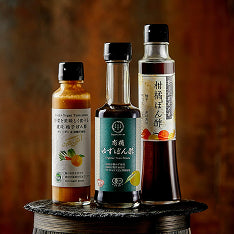









Kamebishi-Ya was founded in 1753 by a lord and former samurai. It is the only producer in the world to preserve the traditional method known as ‘mushiro kôji’, continuing to pass down its production secrets orally from generation to generation. Discover Kaebishi-ya products.
Kamebishi-Ya, the only producer in the world to preserve this traditional method of making soy sauce
Today, the Okada mother and daughter carry on the tradition in the Hiketa district of Higashi-Kagawa, Kagawa Prefecture, in the north-east of Shikoku island.
It all starts with kôji

Mushiro kôji means that the kôji is made on rice-straw mats. Traditionally, soy sauce production begins in autumn, after the wheat and soybean harvests. The main ingredients are soybeans and wheat. The soybeans are steamed until they are tender enough to crush between two fingers.
The wheat is roasted in a wood-fired oven. The flavour of the soy sauce depends on the quality of the roasting and how skilfully it is done. The roasted wheat is poured over the steamed soybeans, and a starter is added to make the kôji, using a method passed down for 250 years. The kôji is then spread on rice-straw mats. This distinctive process is called mushiro-kôji and gives the soy sauce its unique flavour.
Precision work
This highly skilled work requires extensive experience. The mixture must be spread over the mats very quickly so that the soybeans and wheat grains do not separate. Kamebishi’s master artisans have just 90 minutes to spread the kôji over the factory’s 168 mats. The mixture must be protected from the cold so the starter can continue to grow.

The room where the kôji is kept is maintained at 28 to 30°C. The temperature is checked every 2 hours. Once the starter begins working, it produces heat, raising the temperature in the upper part of the room. This creates a difference from the temperature lower down, which affects the quality of the kôji according to where it is placed. A natural ventilation system was therefore created.
The wattle-and-daub walls and thick ceilings retain heat. To counter this, 14 vents of various sizes have been installed in the ceiling and are opened or closed as needed to regulate the temperature. In the room above the ceiling, windows can be opened to the outside. Hot air can escape and cool air can enter, making it possible to adjust the temperature and achieve substantial energy savings.
The magic happens on the mushiro mats
The production of mushiro kôji continues uninterrupted for 3 days and 3 nights. Six hours after the ingredients have been spread on the mushiro mats, they become firm, showing that the starter is working.
When the kôji is firm enough, it is removed from the mats and broken up to aerate it. This encourages the growth of filaments on the soybeans, allowing them to release their aromas. Once aerated, the kôji is placed back on the mushiro mats and spread out again. Three hours after aeration, the growth of the soybean filaments can be seen under a microscope. These filaments release soy’s characteristic aromas.
The precious fermentation of moromi
In the early hours of the fourth day, the kôji gradually changes colour and releases all its aromas. It is ready! Salt water is then added, and the mixture, called moromi, is placed in large cedar barrels. The cedar vats used to store the moromi are over 200 years old.
These vats and the cellar where they are stored, away from the light, harbour 230 microorganisms, including lactic acid bacteria and yeasts, that contribute to the fermentation and development of the moromi. Over the decades, they have developed between the beams, on the building’s pillars, and on and inside the cedar barrels. These microorganisms give Kamebishi-Ya soy sauce its incomparable aroma and flavour.
As winter ends, spring brings a surge in the activity of these microorganisms. The moromi must then be checked every morning. In summer, the higher temperatures make the yeast’s primary ferments most active, leading to vigorous fermentation.
The moromi is left to mature for at least two summers. Once mature, it is placed in linen cloths and mechanically pressed, then bottled and pasteurised at a low temperature.

Exceptional soy sauces: a delight!
I have been fortunate enough to taste the finest moromi and soy sauces, matured for 2, 3, 5, 10, 20 and 34 years. Nowhere else in the world have I found such an exceptional soy sauce, with such complex aromas, such a powerful fragrance and such a velvety texture.

Industrial soy sauces use a single yeast strain and simply cannot compete with this artisanal Kamebishi soy sauce.
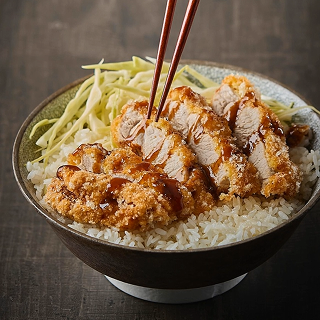
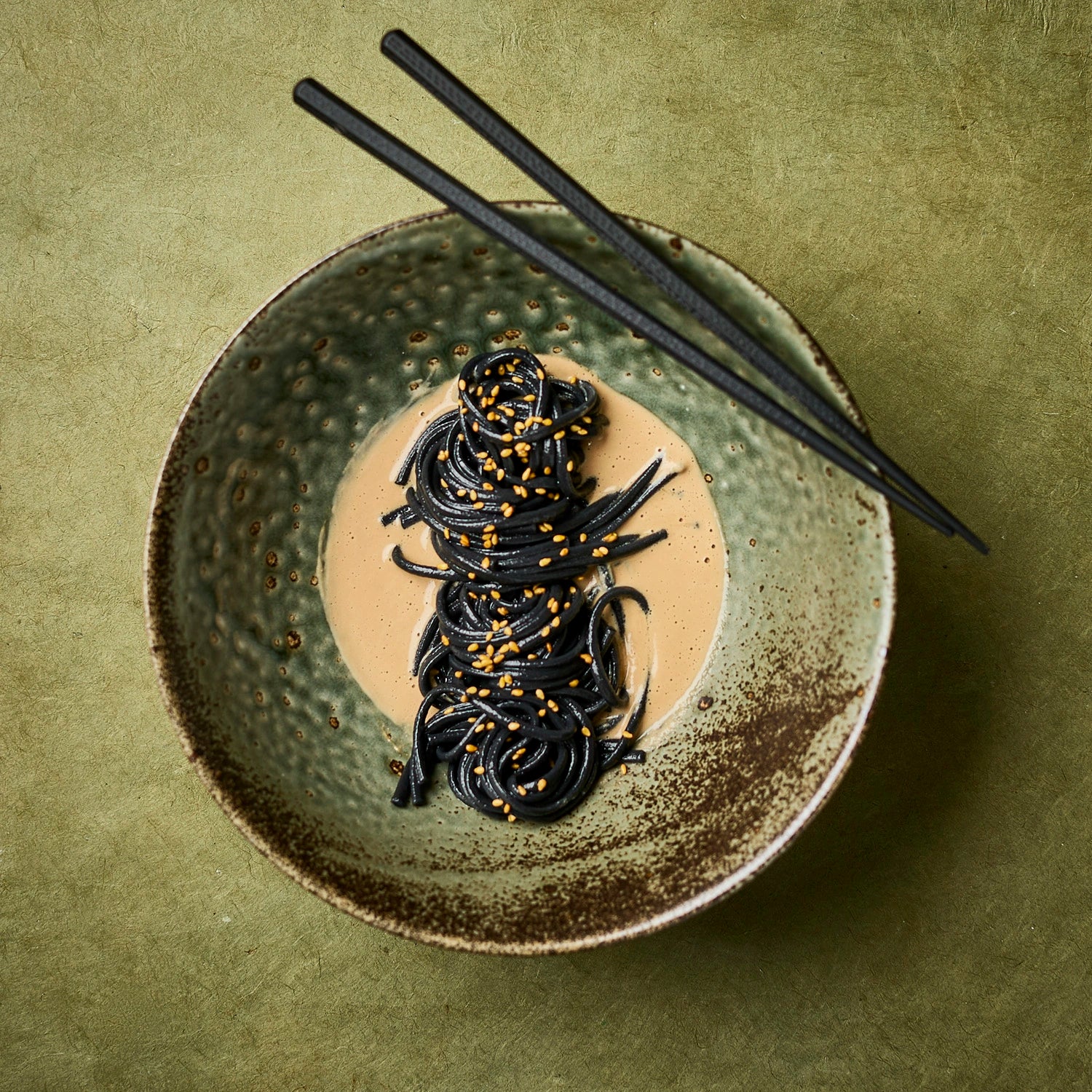
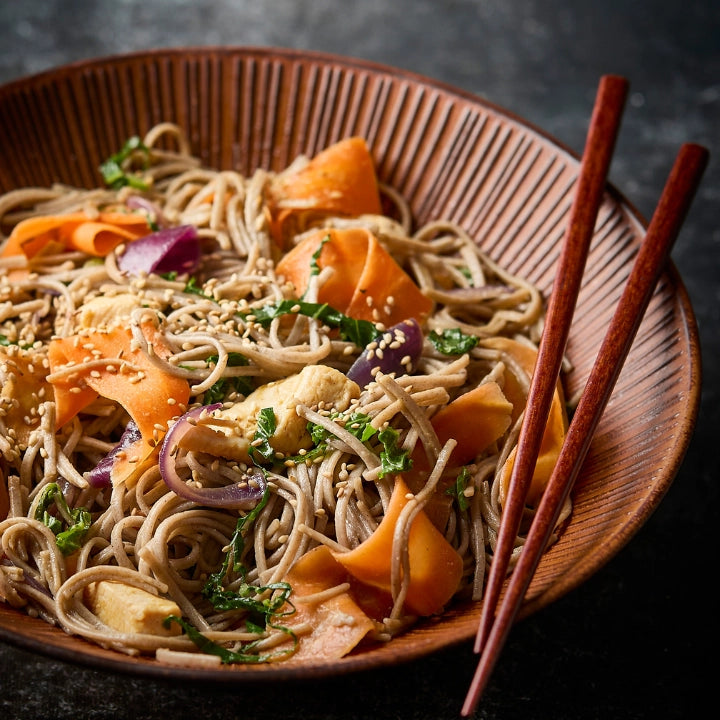
To put an exceptional soy sauce to the culinary test, start with a shoyu ramen recipe, where the tare depends entirely on it, or a simple soy dressing. It also glazes soy sauce teriyaki chicken and the skewers in our yakitori recipe, and pairs with citrus in a scallop salad with yuzu ponzu. For glazes and slow-cooked dishes, choose a sweet soy sauce.


