









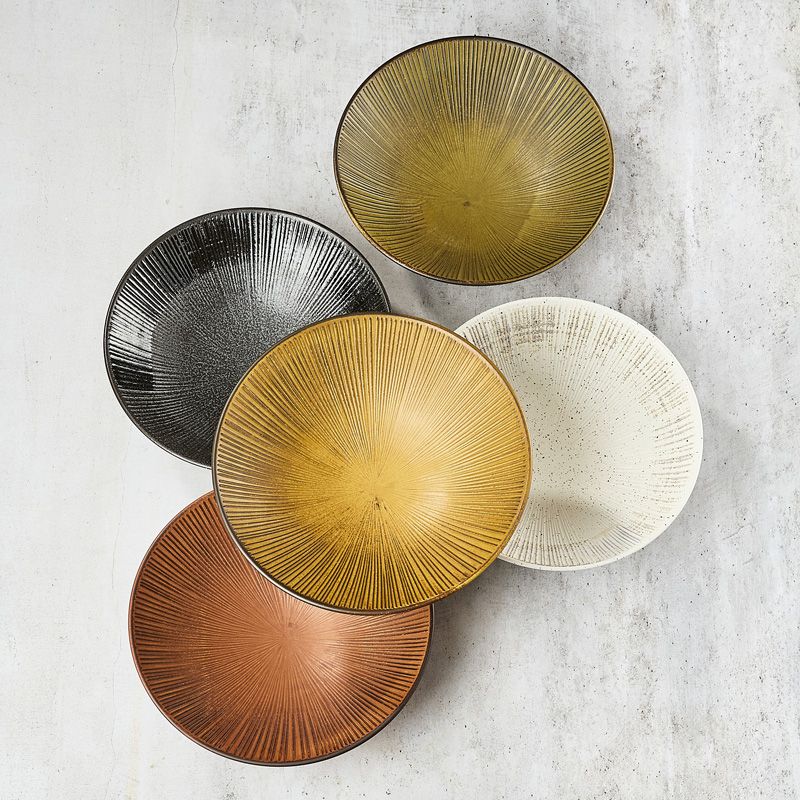

Our Japanese recipes

Celebrate Valentine's Day with recipes inspired by Japan, combining refinement, indulgence and exceptional flavours. From delicate dishes and iconic ingredients to elegant beverages, discover ever...

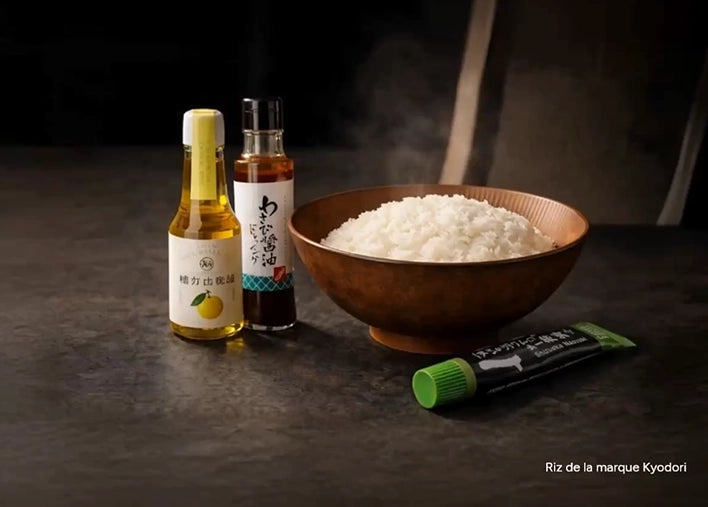
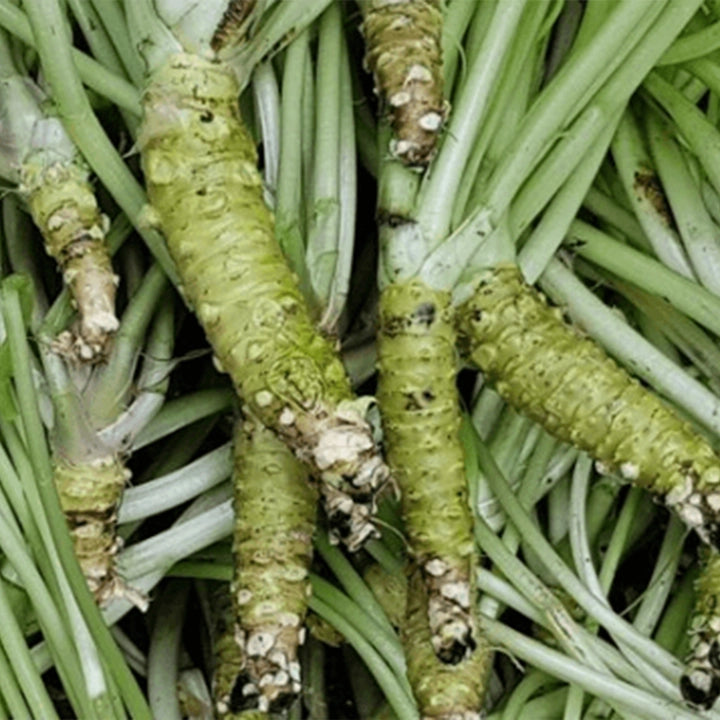
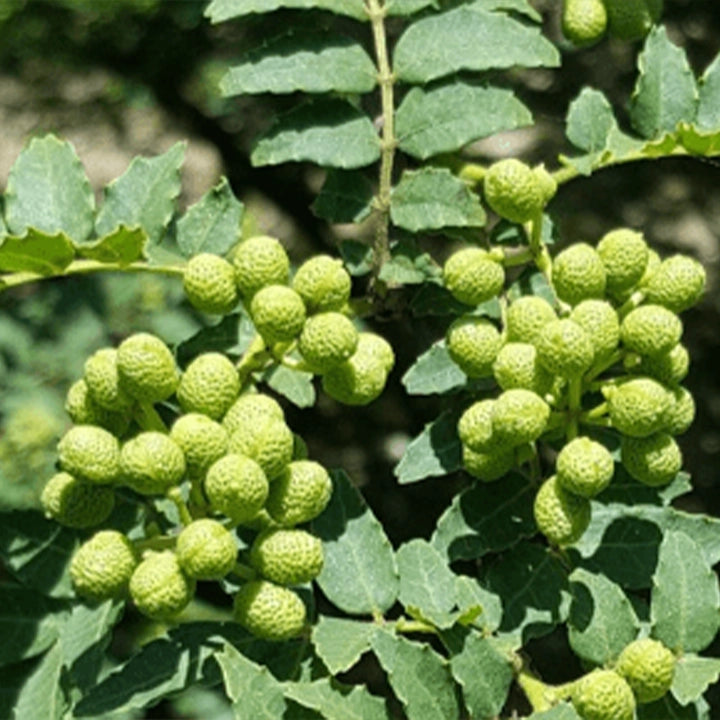
An iconic plant of Japan, wasabi is grown in pure, cool spring water. Its unique heat — intense yet fleeting — is accompanied by delicate vegetal notes that enhance fish, noodles and many Japanese...

Crafted according to a traditional Japanese method, Izumo Jidenshu is specially designed for cooking. Its aromatic richness, natural sweetness and high concentration of umami make it an ideal ally...

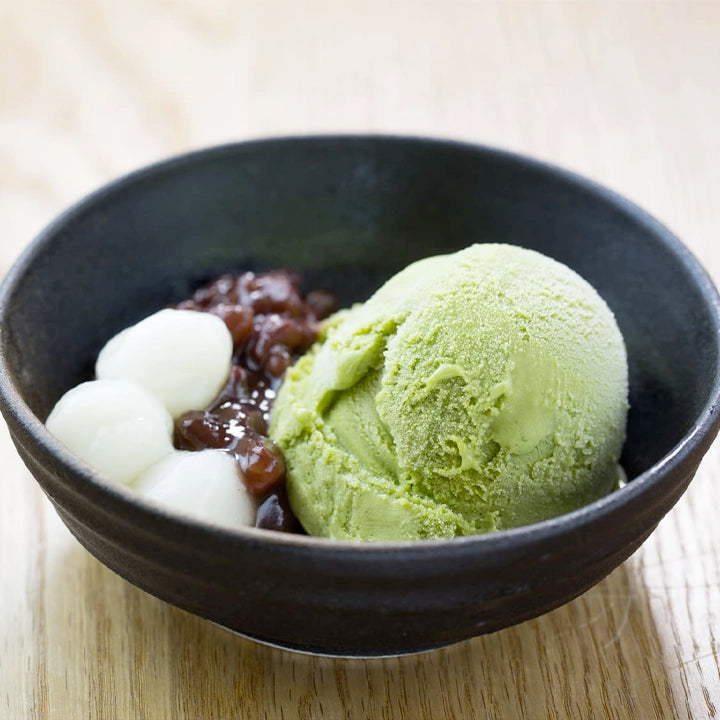
A small, iconic red legume from Japan, azuki is prized for its mild and slightly sweet flavour. Often used in confectionery, it lends a melt-in-the-mouth texture and delicate notes to traditional ...

A traditional Japanese fish slaughtering technique, ikejime aims to preserve the quality of the flesh as best as possible. By reducing the animal's stress, it yields a firmer texture, better prese...

Newsletter sign-up
Sign up to our newsletter and receive all our news and special offers.

A symbol of excellence in Japanese gastronomy, Wagyu beef is renowned for its exceptional marbling, incomparable tenderness and aromatic richness. Raised according to exacting methods, it offers a...

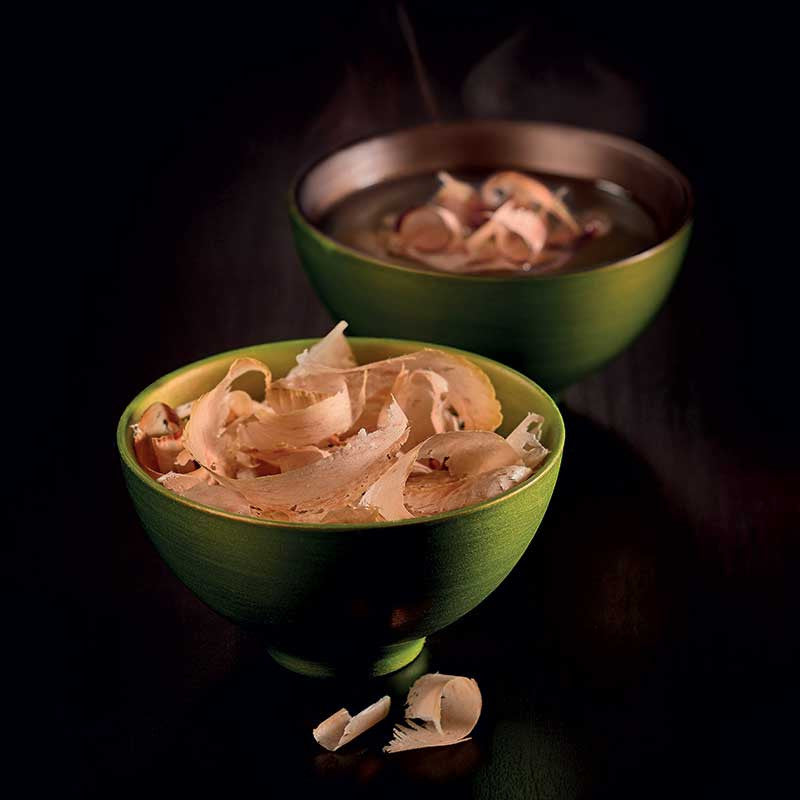
Thin shavings of dried, fermented and smoked bonito, katsuobushi is an essential ingredient in Japanese cuisine. It brings a deep umami richness to broths, sauces and toppings, with delicate and r...

An iconic Japanese citrus fruit, yuzu stands out for its intense aromas blending lemon, mandarin and grapefruit. Highly prized in cooking and patisserie, it brings freshness, vibrancy and elegance...

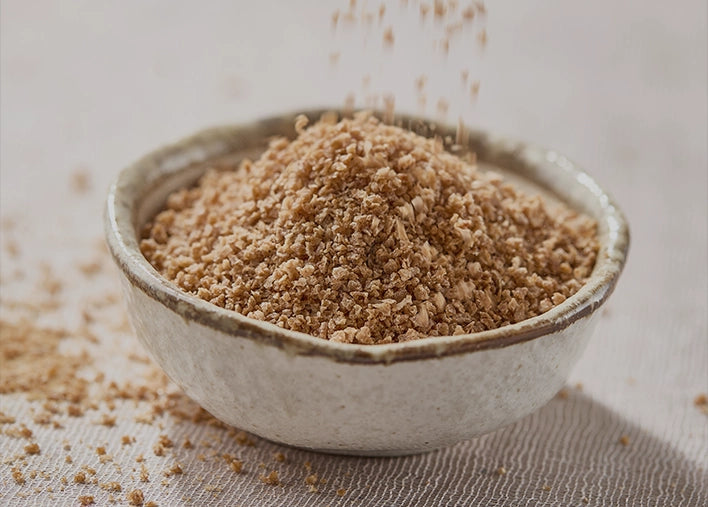
Toasted sesame oil, also known as roasted sesame oil, is obtained from roasted sesame seeds. Intensely fragrant, with notes of dried fruit and hazelnut, it is used as a seasoning or finishing oil ...

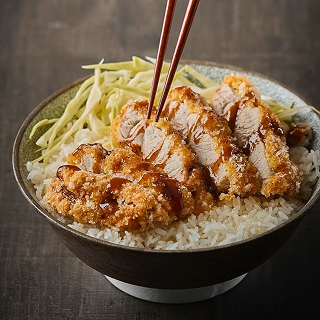
A true invitation to travel, Japanese cuisine captivates with the diversity of its iconic specialities. From sushi to ramen, by way of tempura, donburi and yakitori, each dish reflects a unique ex...

An exceptional vegetable charcoal used for centuries in Japan, binchotan is renowned for its long burn, intense heat and remarkable purity. Ideal for grilling, it preserves the flavo...

An exceptional vegetable charcoal made from Ubamegashi oak, binchotan is renowned in Japan for its long burn, intense heat and remarkable purity. Highly prized in cooking, it enhances ingredients ...


Buying guides & blog articles
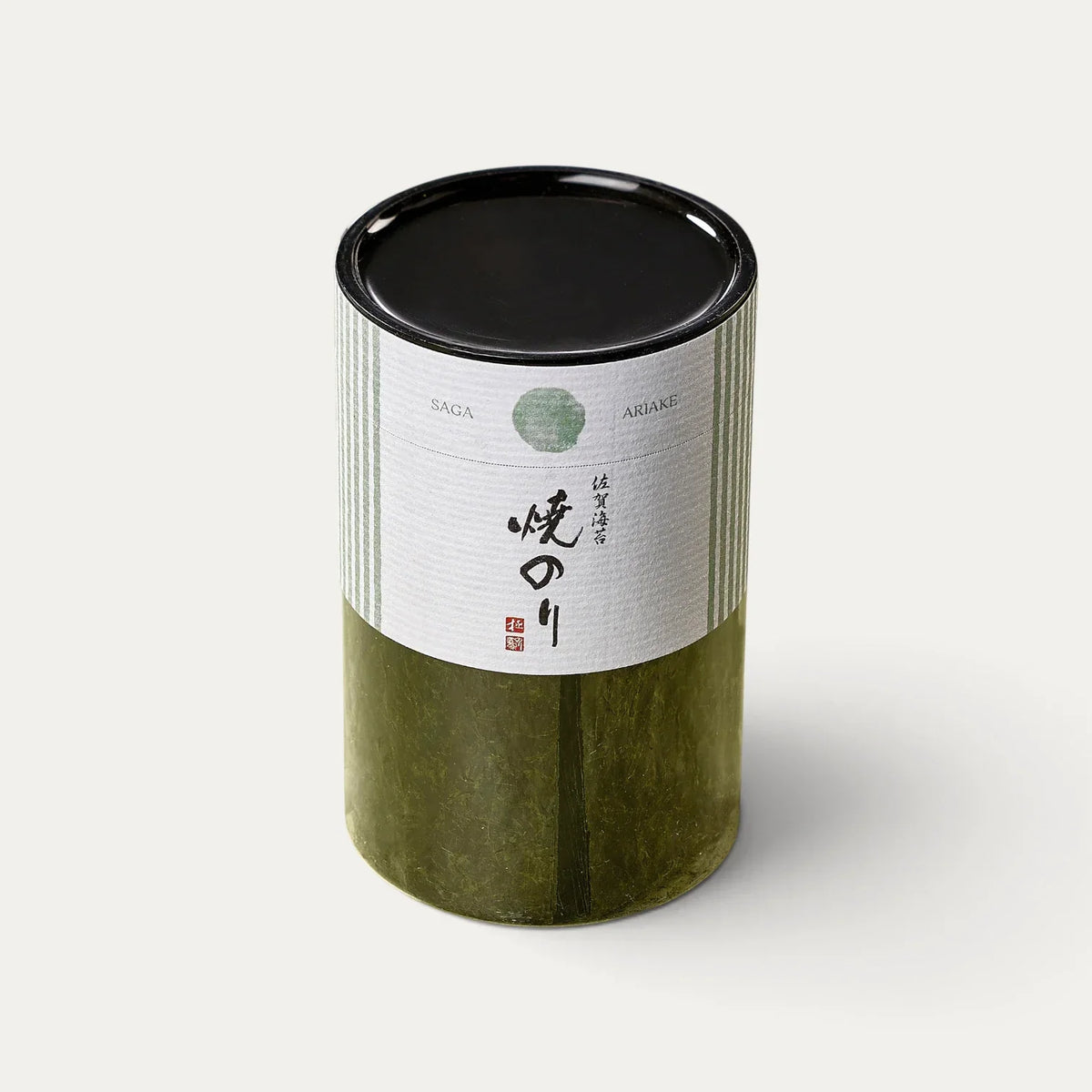
Which nori seaweed should you choose for sushi and maki? Our guide: yaki nori vs seasoned, quality criteria, grades, and storage.
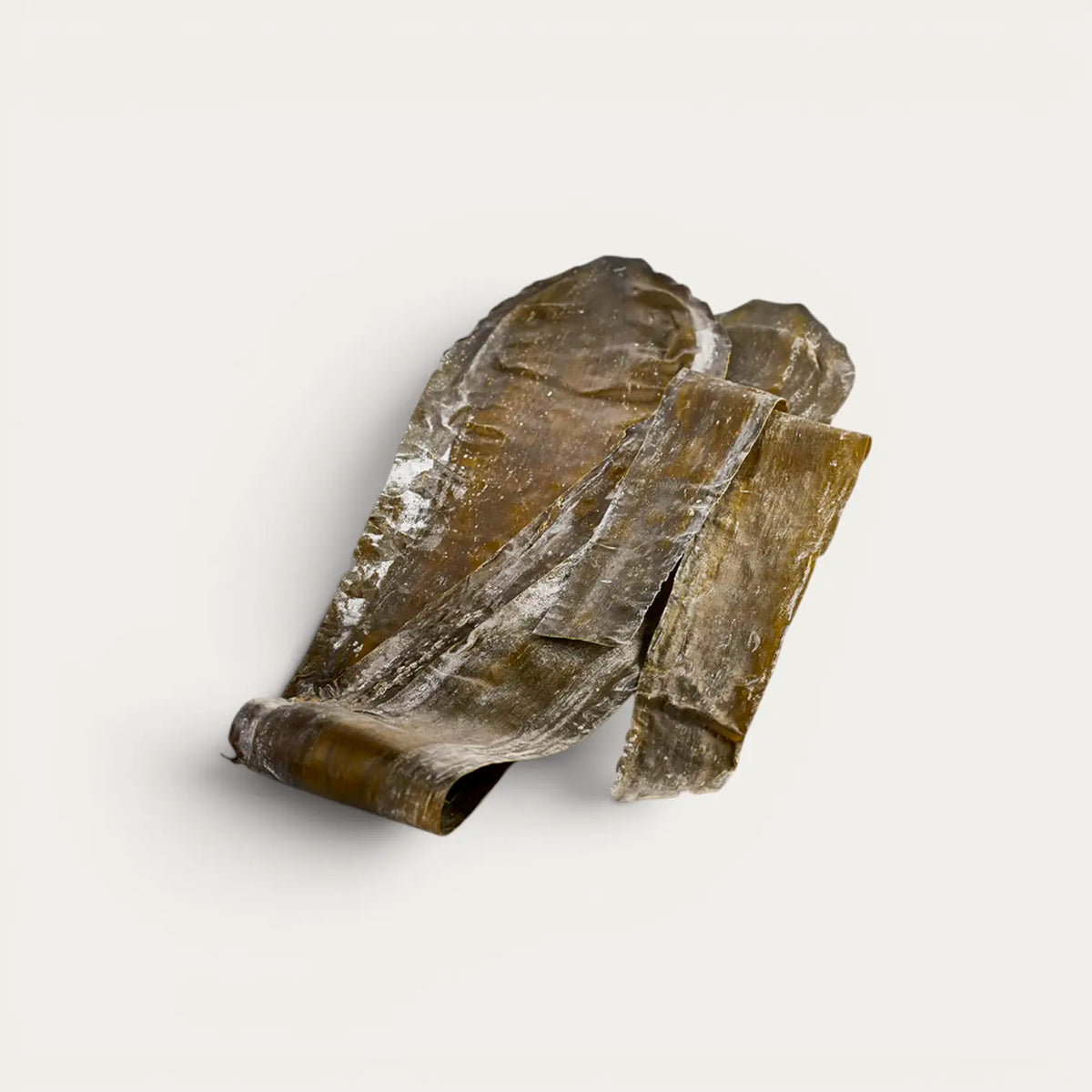
Which kombu should you choose for the perfect dashi? Our guide compares the four main types (Rausu, Rishiri, Ma-kombu, Hidaka) and Kura-gakoi cellar-aged kombu by use and quality.
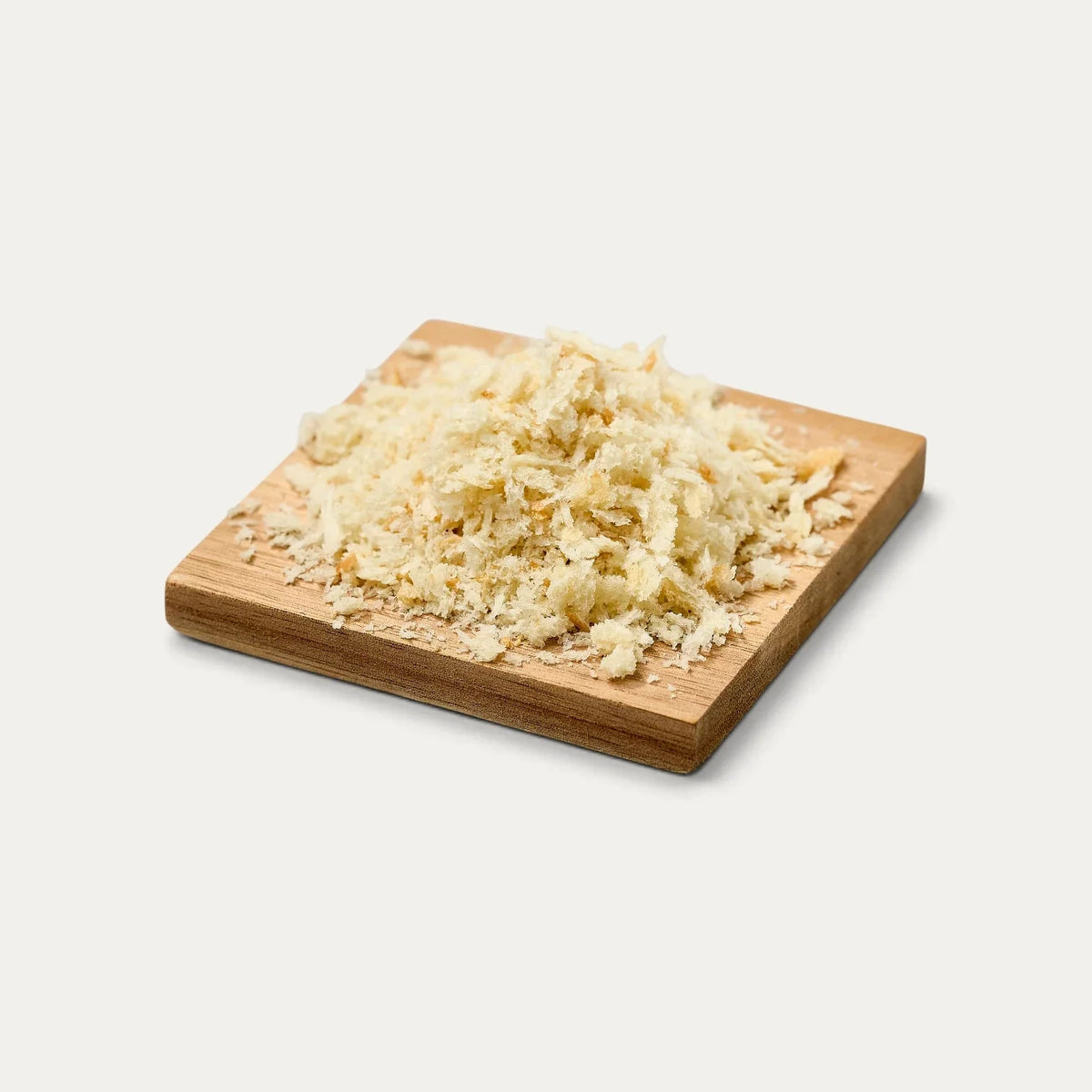
Panko or conventional breadcrumbs? How to recognise artisan panko, choose between wheat, rice, maize and buckwheat varieties, and make successful tonkatsu, tempura and gratins.
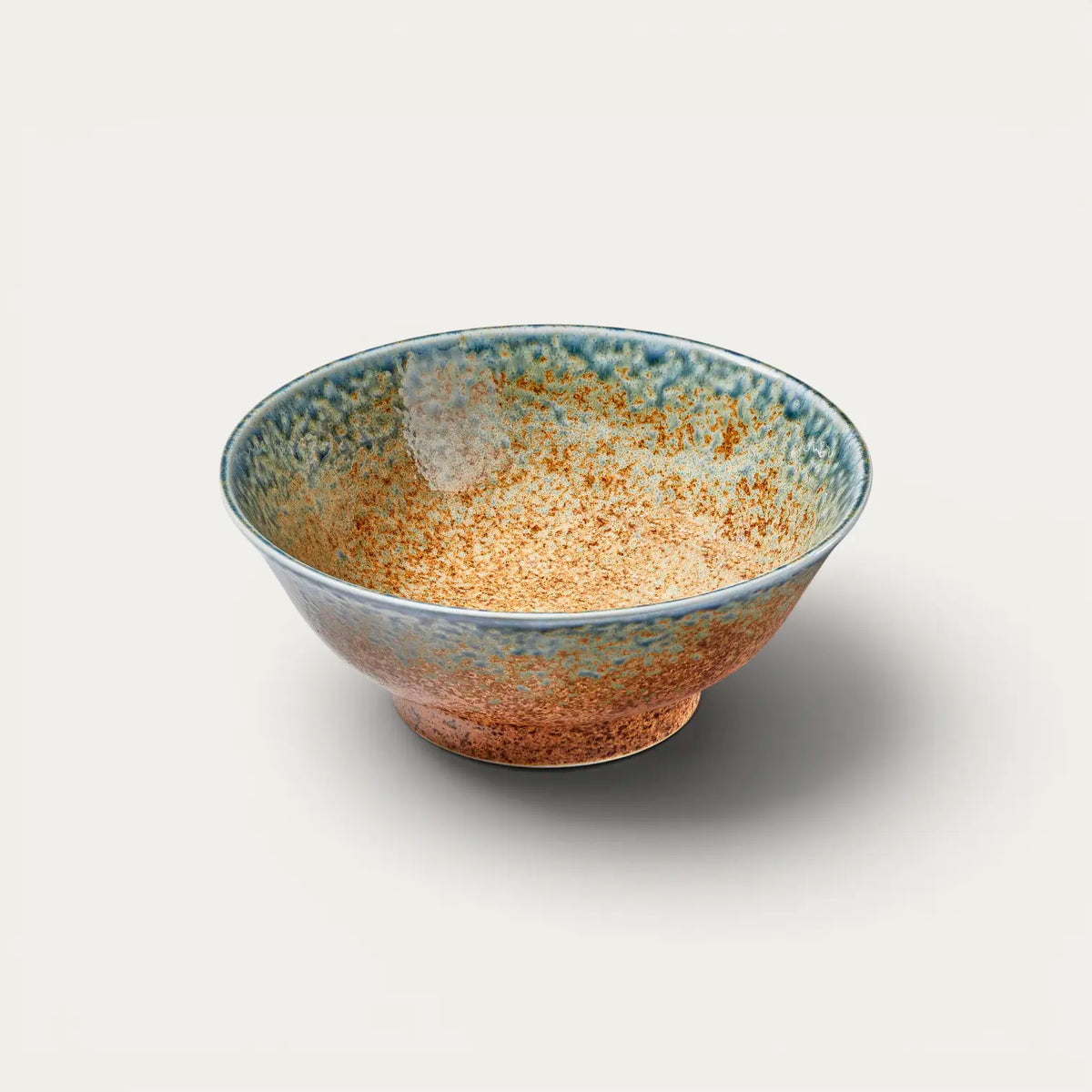
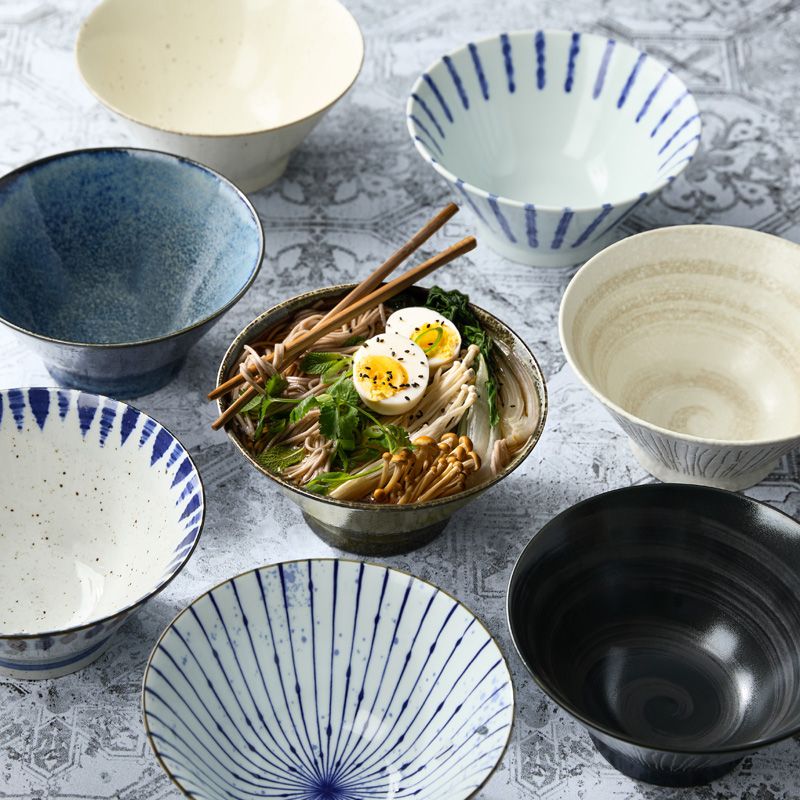
Size, material, shape: the guide to choosing a ramen bowl made in Japan, from everyday bowls to full sets with a renge spoon.
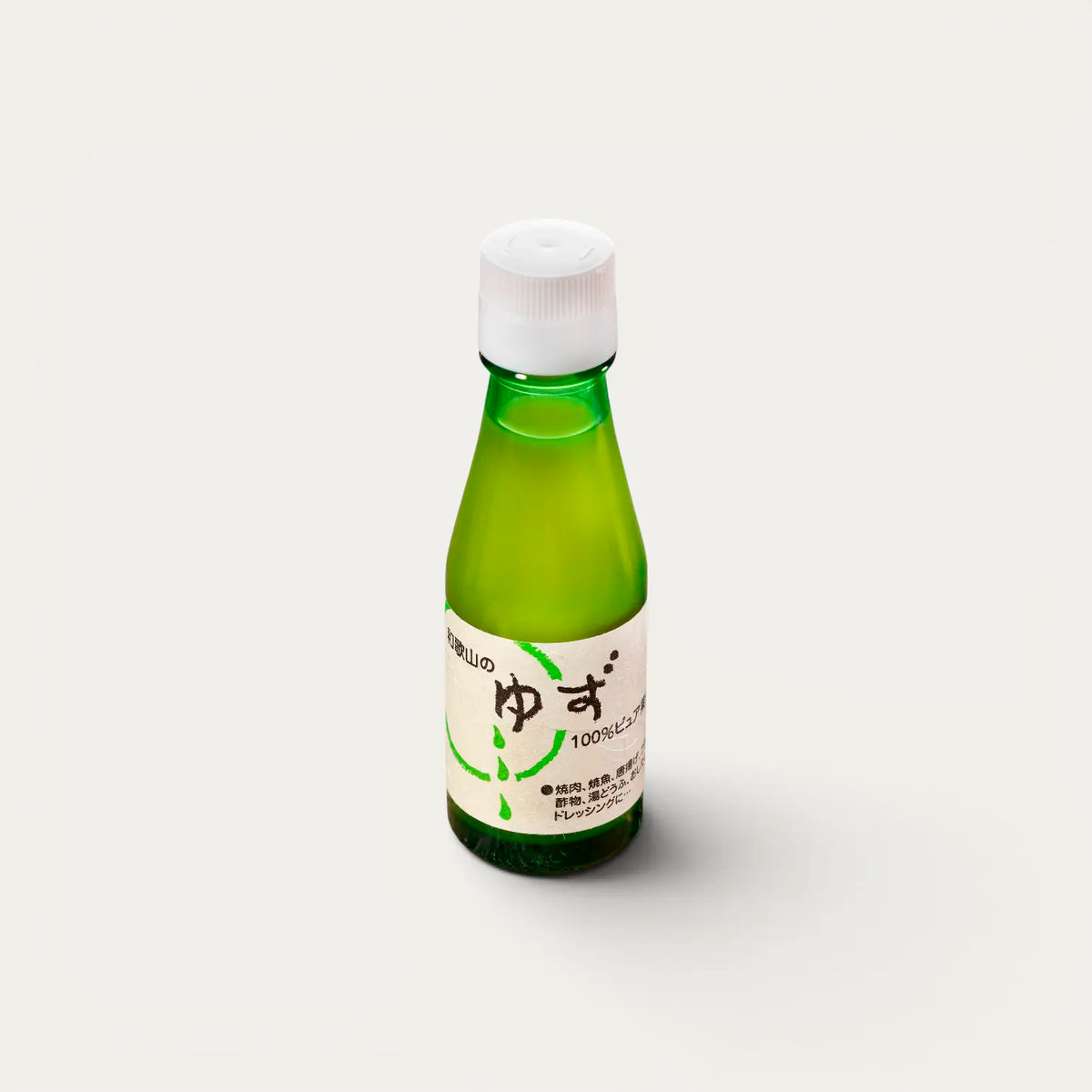
Pure or salted, pasteurised or not, from Kôchi, organic or powdered: what to look for in a good Japanese yuzu juice.

Minoyaki porcelain, Bizen stoneware, lacquerware and wood: how to recognise authentic Japanese tableware and choose the right piece.
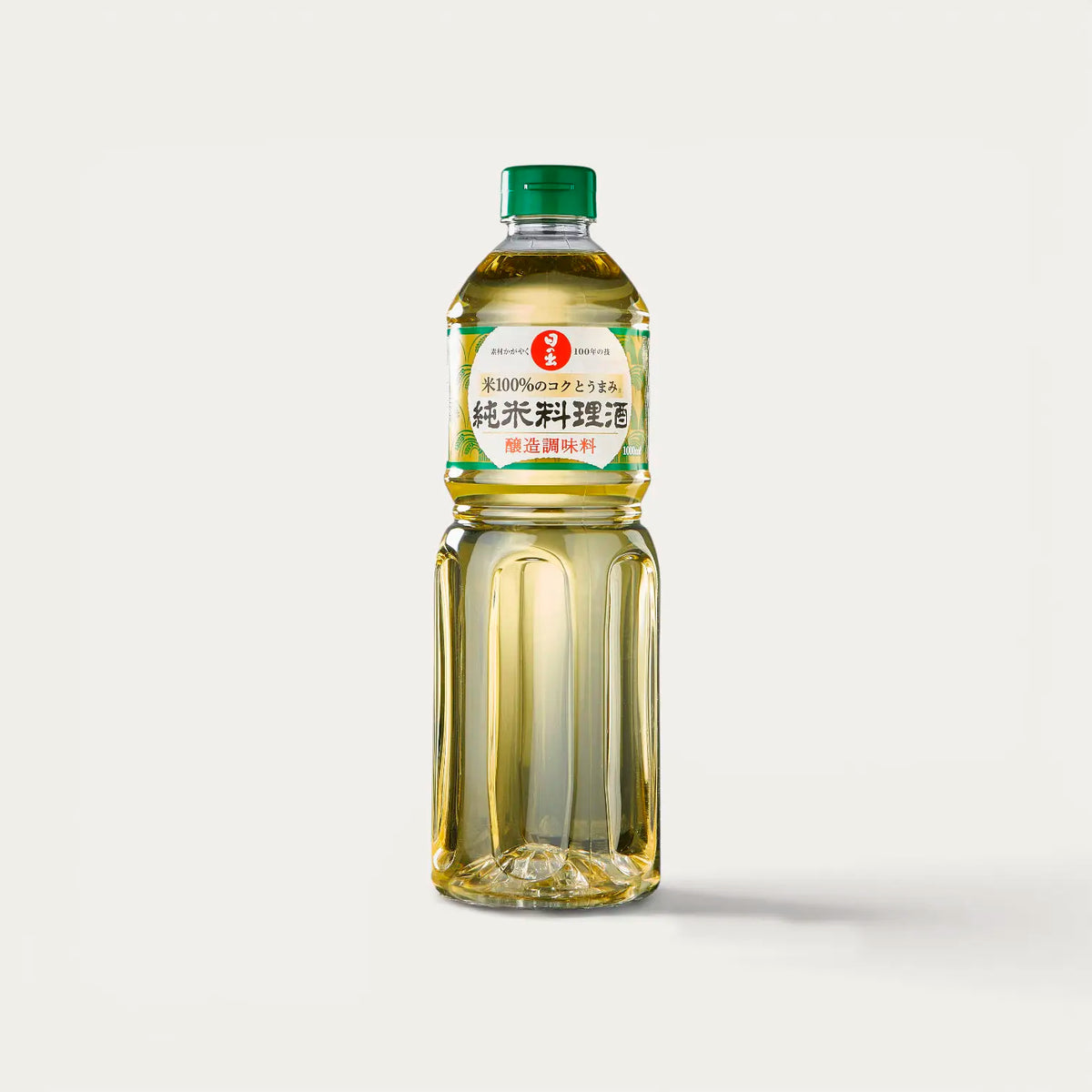
Cooking sake or mirin? Umami, sweetness, shine: understand their roles, choose the right bottle, and master Japanese classics.
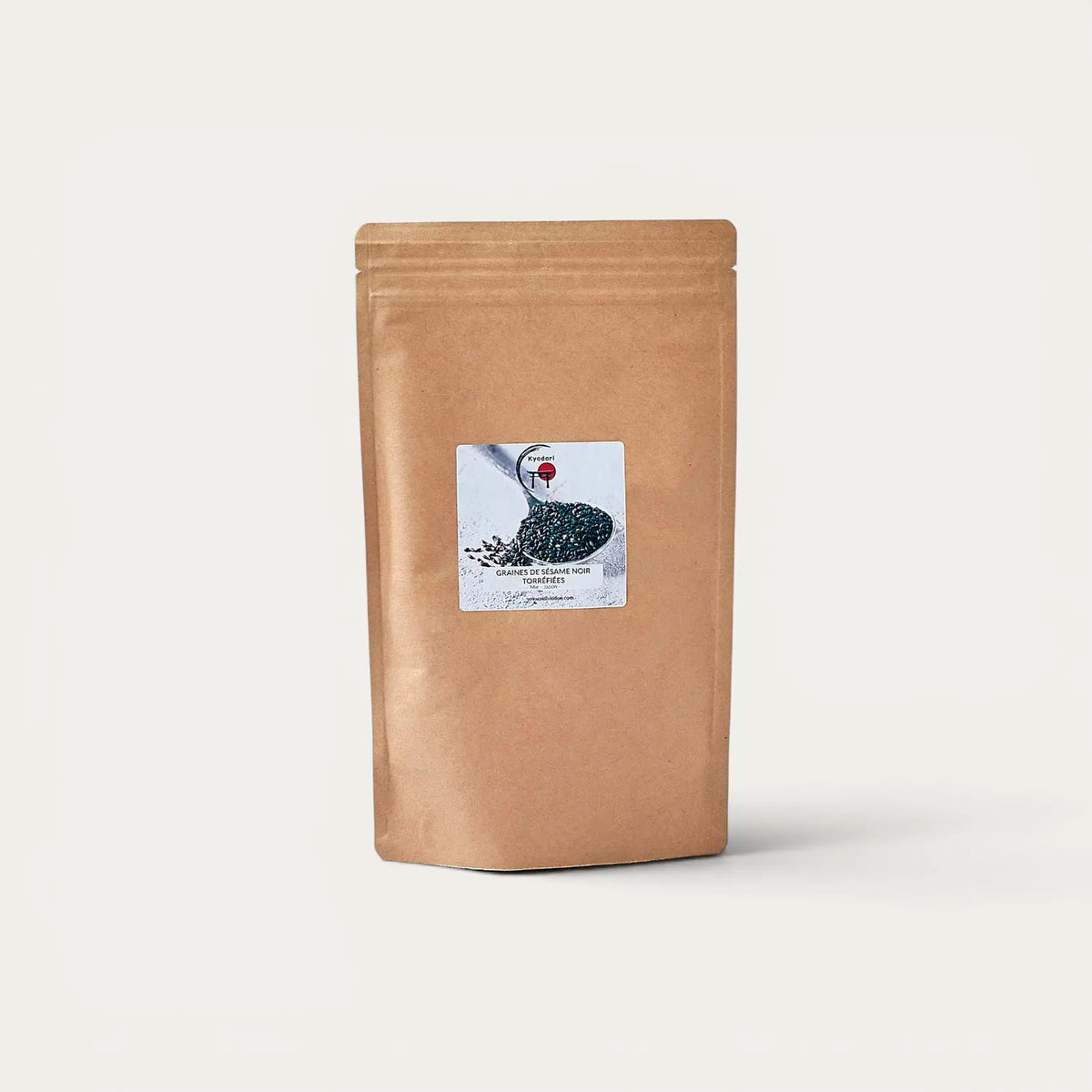
Black or white sesame: flavour differences, seeds, paste or oil, and which to choose for each Japanese dish.
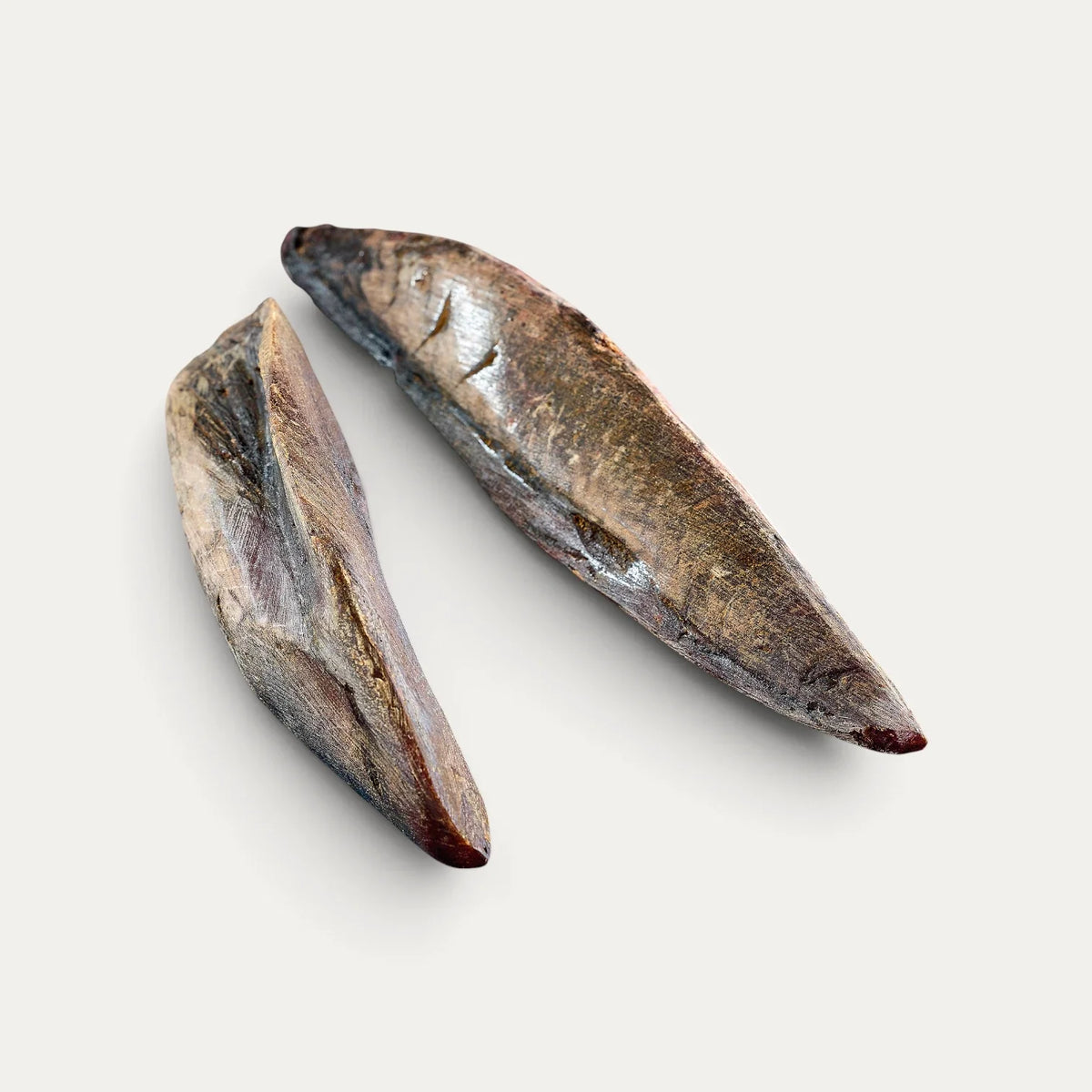
Arabushi, shavings or a whole block: how to choose quality katsuobushi for dashi and Japanese cooking.
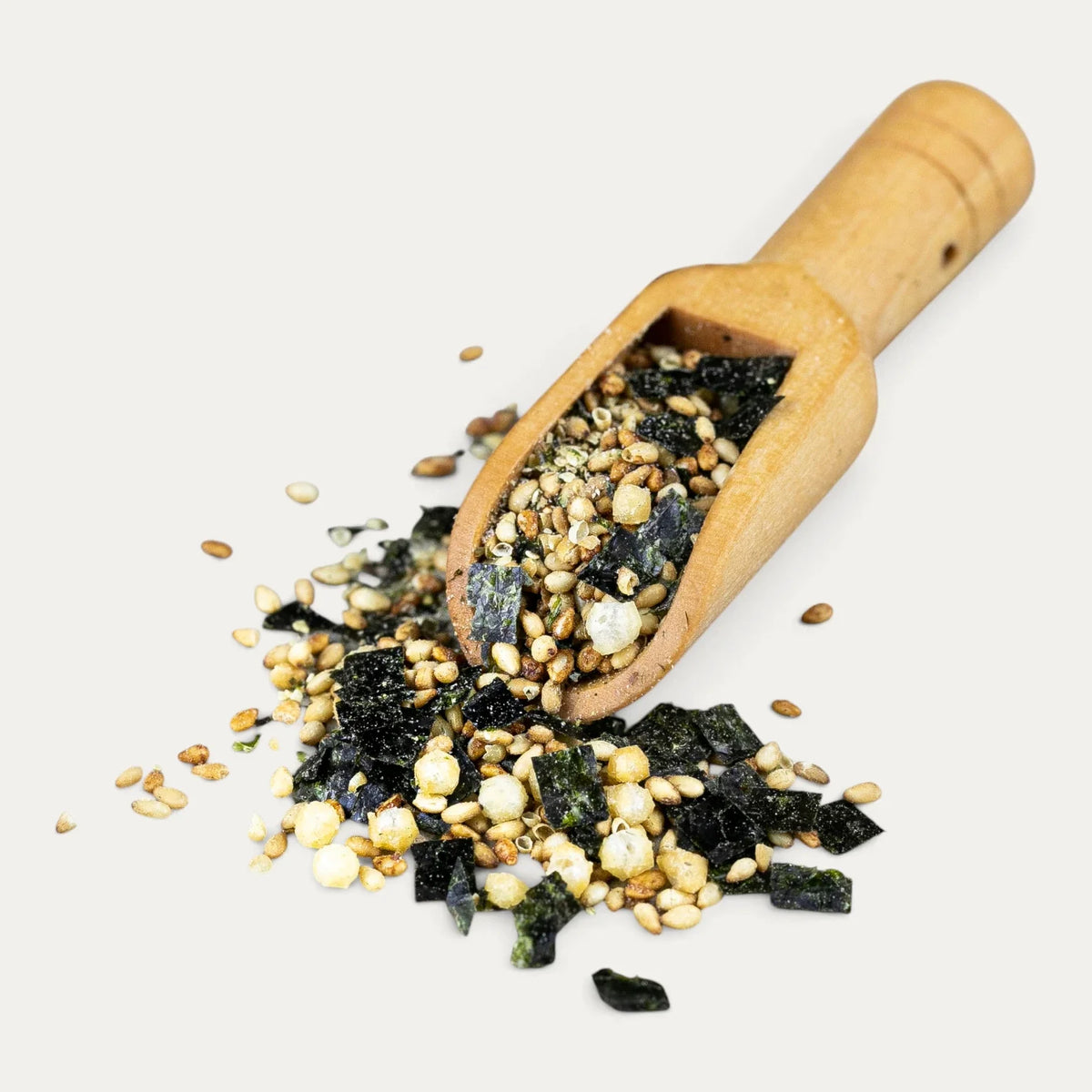
Nori komi, okaka, salmon: how to choose and use furikake.