








When I set out to discover a Prefecture in Japan, I constantly seek out the food products that have made that Prefecture's reputation among restaurants, some centuries old, throughout the country.
Discovering Yoneda sake
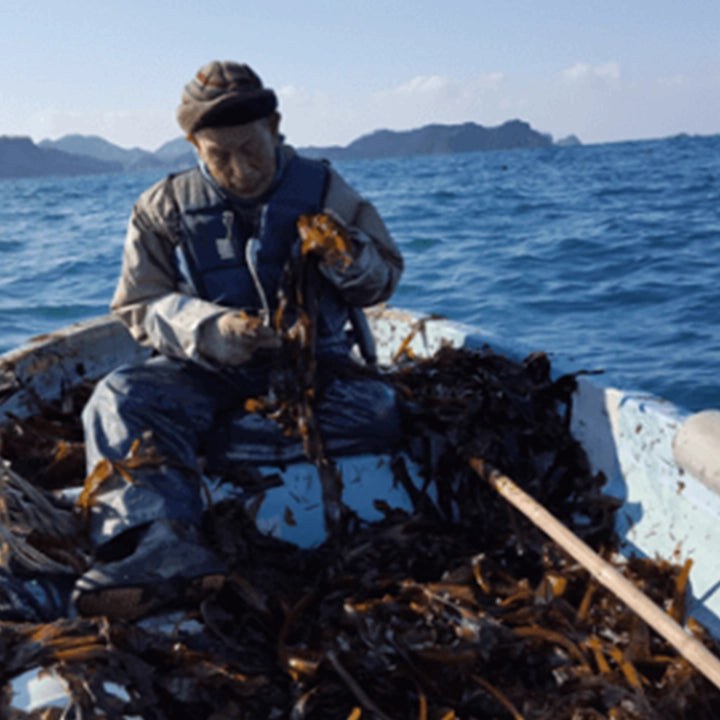
The province of Shimane is renowned for the quality of its seaweed, as well as its water and rice, essential ingredients for making quality sake. The Yoneda sake brewery has been established there since the end of the 19th century, more specifically at the heart of the former province of Izumo, in what is now the south-east of Shimane Prefecture. In my opinion, it produces the only true cooking sake in Japan, the unique heritage of a sake from the ancient province of Izumo: the Izumo Jidenshu.

In the centre, Olivier Derenne and Mr Yoneda, President of the Yoneda Sake Brewery
A unique sake, brewed in the province of Izumo for several centuries, it was originally drunk and only began to be used in cooking during the 1910s. In the 1930s, it was still produced in 4 breweries, but its production was halted during the war (rice was exclusively reserved for human consumption during the Second World War, as foodstuffs were in such short supply).
Resumption of production after 50 years of interruption
In 1989, the Matsue Chamber of Commerce and Industry created the Matsue Way association (Matsue: Matsue Ryu no Kai) to promote local speciality products. The idea of reviving the Izumo Jidenshu was proposed, and after extensive research and brewing trials, sake production resumed exclusively at the Yoneda sake brewery, after a 50-year interruption.
Unlike traditional sake, Izumo is brewed with large quantities of glutinous rice to produce a very full-bodied sake. The brewing process requires twice as much rice and wort mixture as for a traditional sake, and half the amount of water. The brewing alone takes 3 months, a fairly long period.
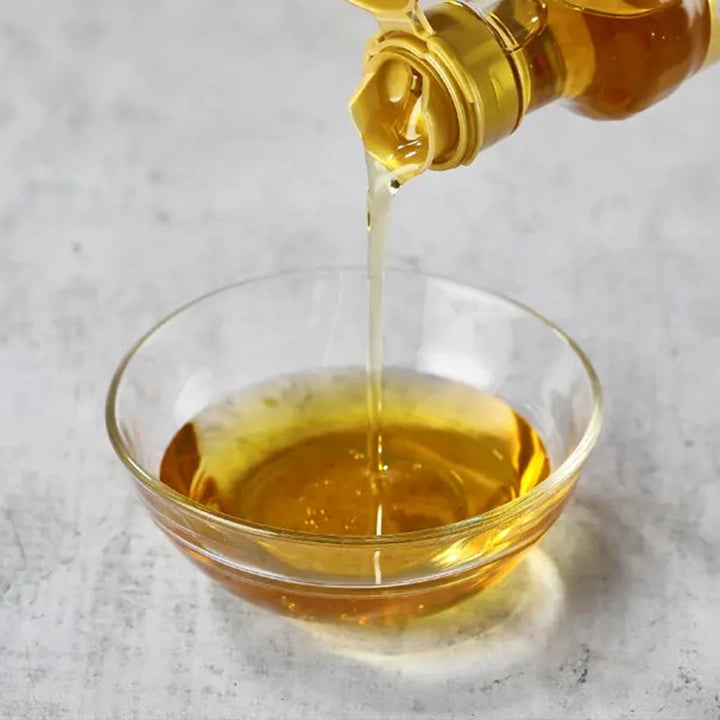
The resulting sake is as viscous as oil, sweet, and with a rich umami flavour.

The resulting Izumo Jidenshu sake
The umami of cooking sake
According to the Japanese Umami Information Centre, umami takes its name from Japanese. It is a delicate and pleasant flavour, conferred by glutamate, a type of amino acid, and ribonucleotides, including inosinate and guanylate, which occur naturally in many foods such as meat, fish, vegetables and dairy products. The taste of umami being itself subtle and blending well with other flavours to bring out and complement them, it is rarely recognised when added, even though it plays an important role in making dishes delicious.
The qualities of Jidenshu Izumo are best showcased when preparing a fish broth and its soy sauce. Adding a large quantity of Izumo Jidenshu to the broth eliminates any fishy smell, and the sake's rich umami flavour brings a truly delicious depth of flavour and a gentle sweetness to the dish.
Why I love the Izumo Jidenshu
I am particularly fond of and recommend the Izumo Jidenshu as it is half as sweet as mirin and much richer in umami. Its colour is amber and appetising. Its use brings a glossy finish to foods during cooking. I love its indulgent notes of brown sugar and caramel.
Very important for cooks, the Izumo Jidenshu does not burn easily during cooking and the alcohol evaporates very easily (this sake is approximately 13% alcohol).
I recommend it for cooking abalone, shellfish, shiitake mushrooms, sautéed fruit apples, foie gras escalopes, shellfish, eel, duck, squab, and pork belly for lacquering. Also mix it into your soy sauce for a quality sashimi tasting.
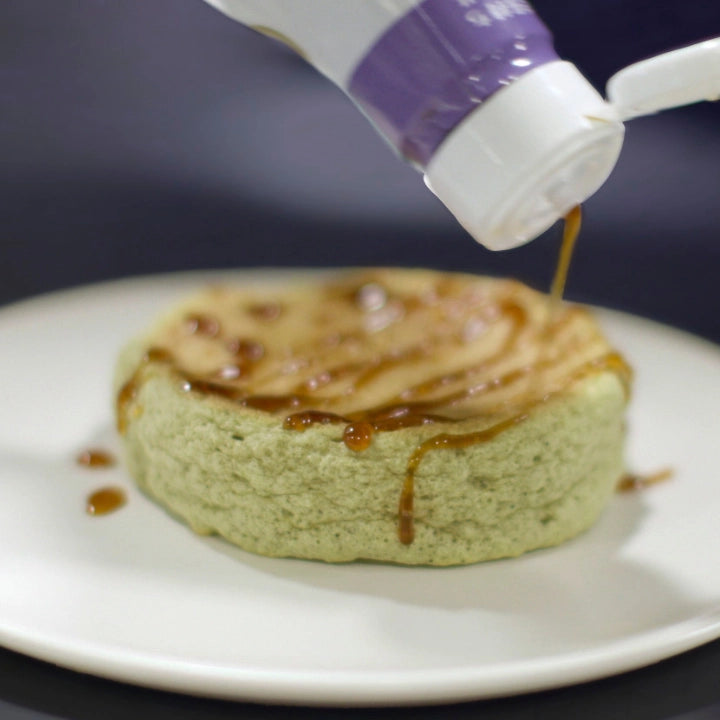
Many Japanese pastry chefs also use it in their daily preparations.

Shiitake mushrooms and Izumo Jidenshu
It should be noted that annual production is only 8,000 litres and we have the privilege of having been selected to distribute it across Europe.


