










Bring a new accent to your cooking

Sake is a traditional Japanese alcoholic beverage made from rice, water, yeast and kōji, a ferment that converts the starch in rice into sugars. Prized for its aromatic richness and finesse, it is...

Sensitive to light, heat and temperature variations, sake is best stored in a cool place. Depending on its style, it is enjoyed chilled, at room temperature or gently warmed, thus revealing the fu...

An elegant and refreshing drink, the sake cocktail showcases the aromatic finesse of Japanese rice wine. Combined with citrus fruits, fresh fruit or delicate herbs, it offers a subtl...

Exceptional Japanese sake for sale: our artisanal selection
The history and making of Japanese sake or nihonshu
The history and making of Japanese sake or nihonshu
Understanding premium sake categories
Understanding premium sake categories
The classification of products depends primarily on the seimaibuai, that is to say the polishing rate of the rice grain. The more the rice is polished (removal of peripheral fats and proteins), the purer the core of the grain, thus offering exceptional finesse.
| Appellation | Polishing Rate | Aromatic Profile |
|---|---|---|
| Junmai | Free (often 70%) | Rich, cereal-forward, lactic notes and fine acidity. |
| Junmai Ginjô | ≤ 60% | Floral, fruity (banana, melon), elegant. |
| Junmai Daiginjô | ≤ 50% | The pinnacle of refinement, silky and complex. |
All sakes with the junmai prefix are sakes with no added distilled alcohol. When distilled alcohol is added, the sake is called honjozo (the cellar master or toji adds a small quantity of distilled alcohol before filtration in order to bring out specific aromas).
Specific styles: Nigori, Kimoto and sparkling sake
Specific styles: Nigori, Kimoto and sparkling sake
Beyond the classic appellations, the filtration and fermentation method defines styles of distinctly artisanal character:
- Nigori: A coarsely filtered product, retaining rice particles. Its texture is smooth and its appearance milky.
- Kimoto: An ancestral method in which lactic acid develops naturally. The result is powerful, rustic and very deep.
- Bodaimoto: A traditional method from Buddhist temples over 600 years ago, in which lactic acid develops naturally and which uses Soyashimizu water, characterised by its acidity, as a natural antibacterial agent. The result is powerful, bittersweet, rustic and very deep.
- Nama: sake that has undergone only a single pasteurisation.
- Genshu: sake with no water added after filtration
- Muroko: sake not filtered using charcoal filters
- Koshu: sake aged for at least 3 years in a tank before bottling
- Sparkling sake: Obtained through natural fermentation in the bottle or the addition of gas, it offers a festive and light alternative, ideal as an aperitif.
Tasting tips and sake pairings
Tasting tips and sake pairings
The great strength of Japanese sake lies in its ability to bring out the umami of food. It contains less iron and acidity than wine, which avoids any conflict with raw seafood.
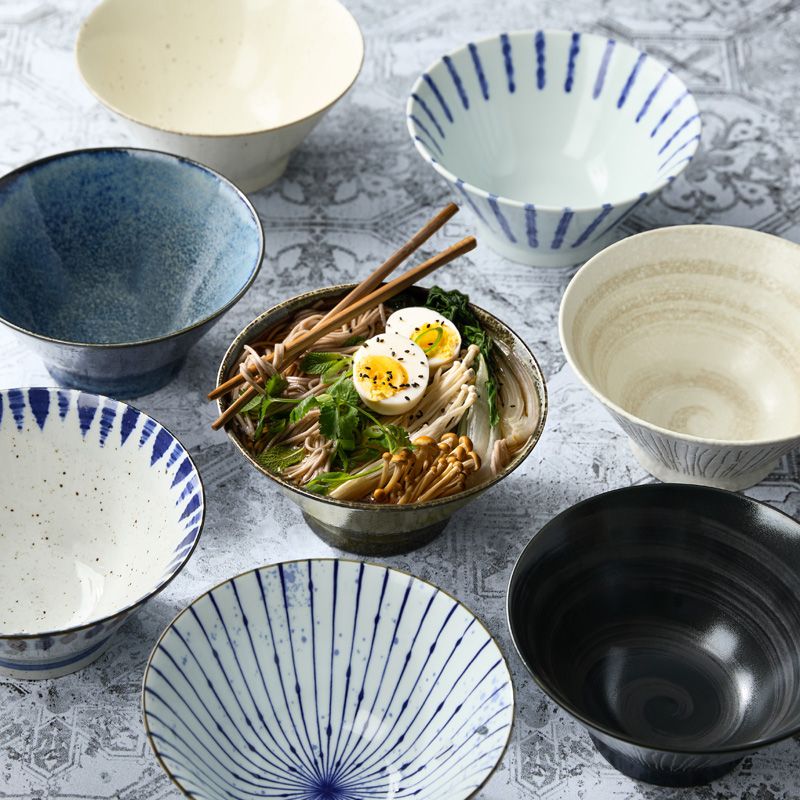
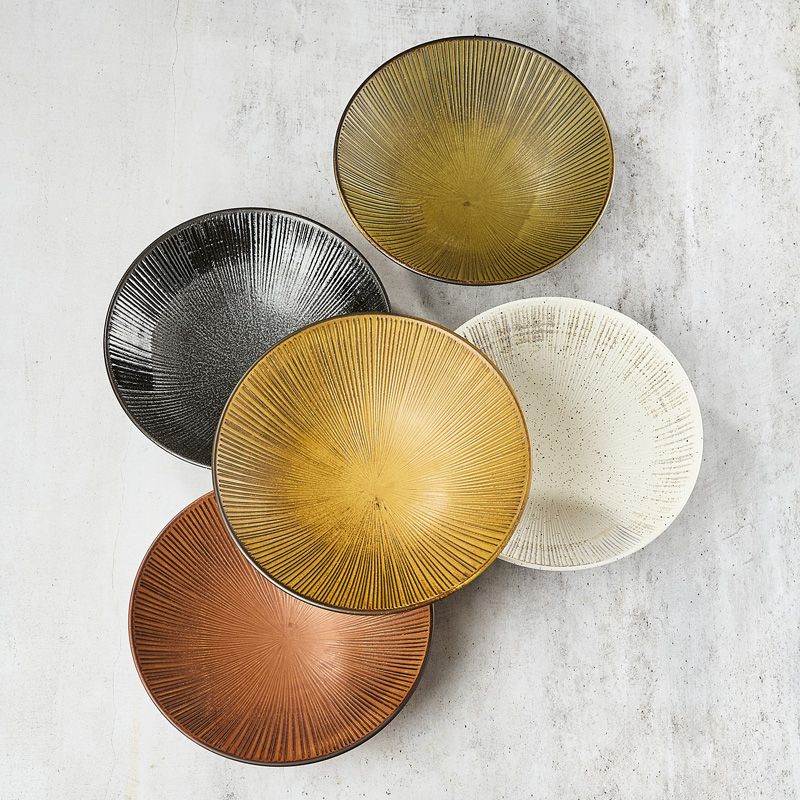
For a complete experience, adapt the serving temperature: rich styles (Junmai) are sometimes enjoyed warm (up to 55°C), while the volatile aromas of Daiginjo flourish when served chilled (10–12°C). Don't forget the importance of tableware: discover our Japanese tableware to serve your spirits in choko or suitable stemmed glasses. Finally, for your culinary preparations, consider using an artisanal mirin.


