







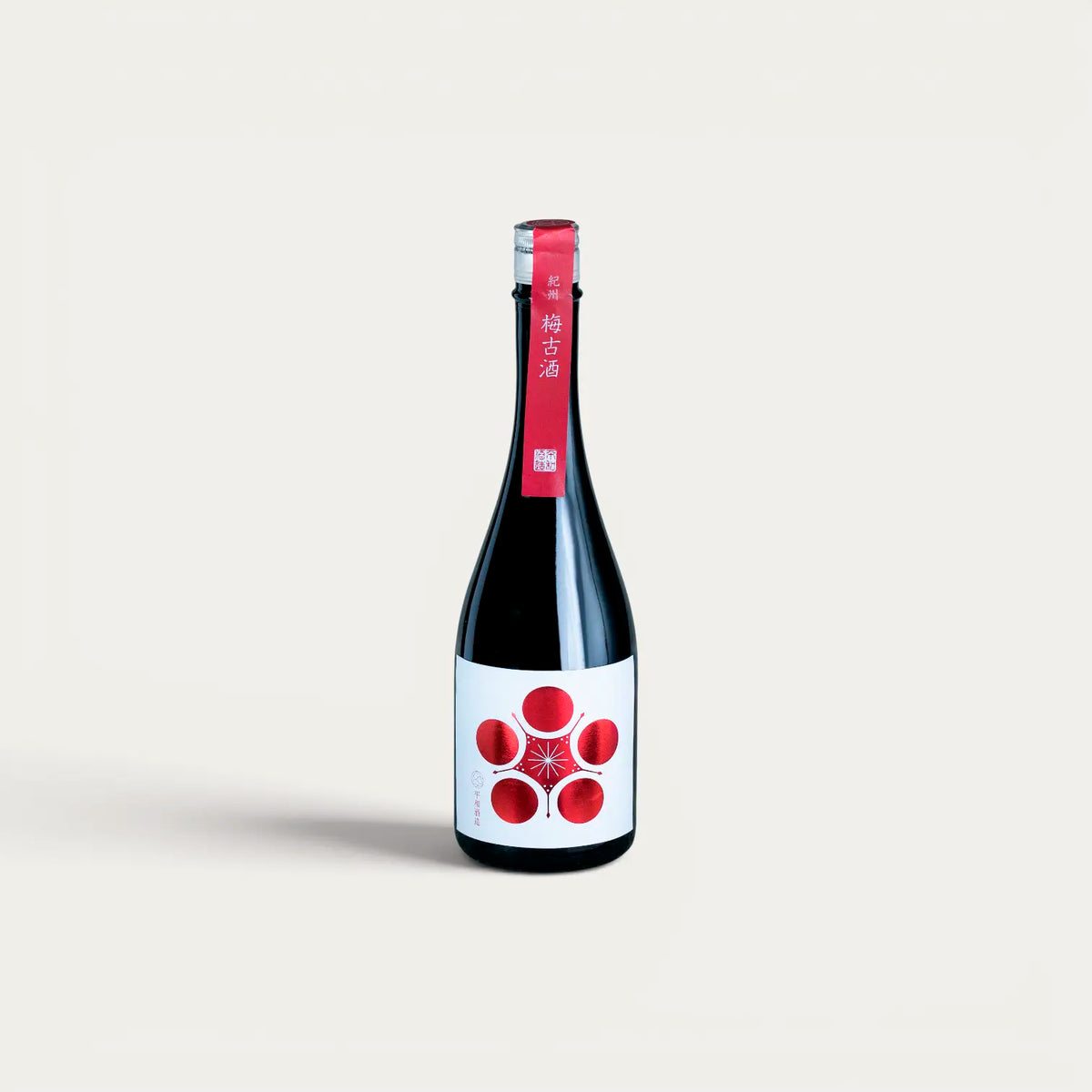

In short: the best umeshu is the one that suits your taste. Young umeshu is fresh and fruity; after several years of ageing, it becomes rounder, with notes of almond and caramel. Quality depends on the variety of ume plums, the base alcohol and the length of maceration. For an exceptional tasting experience, our benchmark is Domaine Arimoto’s Plumity range.
Umeshu is a Japanese liqueur made by macerating ume plums in alcohol with sugar. Long made at home, it is now produced by sake breweries and distilleries in a wide variety of styles. Here is how to choose from our umeshu selection.
How is umeshu made?
Ume plums are picked green in early summer, then immersed whole in alcohol with sugar. As they macerate for anything from a few months to several years, the fruit releases its acidity and fragrance, along with almond notes from its stone. In Japan, many families still make their own umeshu every June in large glass jars.
What makes a good umeshu
- The plums: the Kishu region of Wakayama Prefecture is the most renowned for its ume. Some producers use rare varieties, such as Kanazawa’s Benisashi or Tsuyu Akane.
- The base alcohol: shochu, sake or brandy, each giving it a different character. Made with sake, umeshu is smoother; with brandy, it is deeper.
- Ageing: aged umeshu, known as koshu, is rounder and more complex.
- Sweetness: less sweet versions give the fruit’s tartness more room to shine.
Our umeshu compared
| Umeshu | Style | Who it’s for |
|---|---|---|
| Exceptional umeshu: Plumity by Domaine Arimoto | ||
| Plumity Black Umeshu 19.6% | opulent, plum and yellow fruit, vanilla notes | a special tasting experience or a gift |
| Plumity Pink Umeshu 12.1% | Tsuyu Akane plums macerated in ginjo sake, floral at first, then tangy strawberry, with a dry finish | sake lovers, pairing with a meal |
| Plumity Green Umeshu 10.6% | fresh, green apple, white grape, tropical fruit | white wine lovers, as an aperitif |
| Plumity White Umeshu 11.1% | lively and tangy, with roasted, almost cocoa-like notes | those who like pronounced acidity |
| Aged umeshu (koshu) | ||
| Kishu Ume Koshu Umeshu | aged, Kishu ume, vanilla and woody notes | the enthusiast looking for roundness |
| Joshu long-aged umeshu | aged for at least 3 years, with no additives | a first introduction to aged umeshu |
| Manzairaku Kaga Umeshu aged 5 years | Benisashi plums, aged for 5 years | tasting at a reasonable price |
| Umeshu Furutsuru Ume, aged 10 years | aged for 10 years in barrels, honey and woody notes | sipping slowly |
| Manzairaku Kaga Umeshu, aged 12 years | long-aged, ripe apricot, leather, cocoa | sipping, gifting |
| Fruity classics | ||
| Manzairaku Kaga Umeshu | classic, Benisashi plums from Kanazawa | a first taste |
| Tsuruume Kanjuku Umeshu | ripe plums, light, sweet and fruity | beginners |
| Kikuyasaka Umeshu | classic | everyday umeshu |
| Kumamoto Umeshu cup | individual 188 g size | try it before buying a bottle |
| Tangy and intense umeshu | ||
| Tsuruume Suppaï Umeshu | three times as many plums, twice the acidity | those who find umeshu too sweet |
| Yamata no Umeshu Gojiro-ume | green, spicy, slightly bitter | lovers of bold flavours |
| Kasei Umeshu 25% | aragoshi, rich in Kishu Nanko plum pulp | over ice, for an umeshu with plum pulp to chew |
| Flavoured umeshu | ||
| Joshu Uji Matcha Umeshu | aged umeshu and Uji matcha | green tea lovers |
| Umeshu with roasted hojicha tea | plum and roasted tea | a winter digestif |
| Umeshu with jasmine tea | plum and jasmine flowers | a floral aperitif |
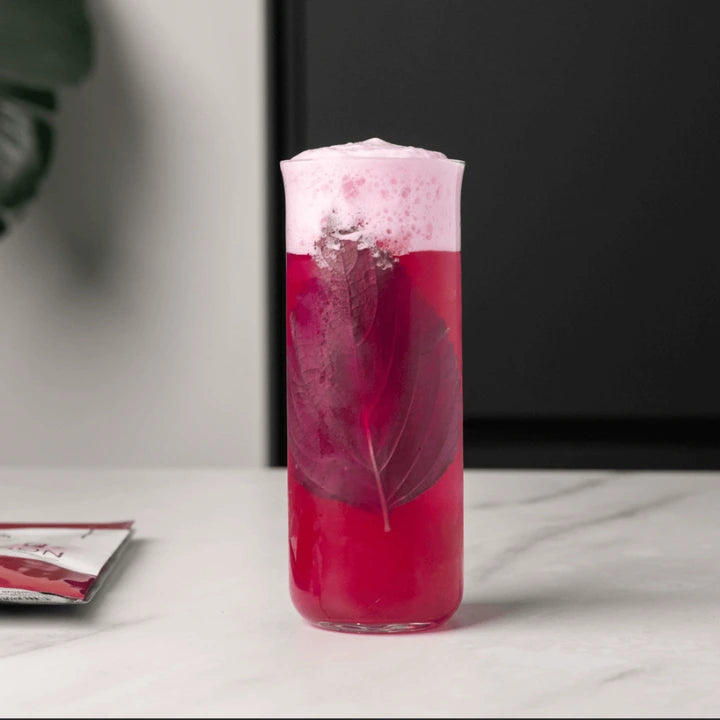
| Umeshu with shiso | herbaceous, floral, with a pink-orange colour | cocktails |
| Kokuto & cacao umeshu | indulgent, chocolatey | with a chocolate dessert |
| Cumin umeshu | spicy, with notes of caramel and dried fruit | the curious, savoury food pairings |

How to serve umeshu
- On the rocks (rokku), as an after-dinner drink, for aged umeshu.
- Topped up with soda water (soda-wari), as an aperitif for younger adults.
- Mixed with hot water (oyu-wari), in winter.
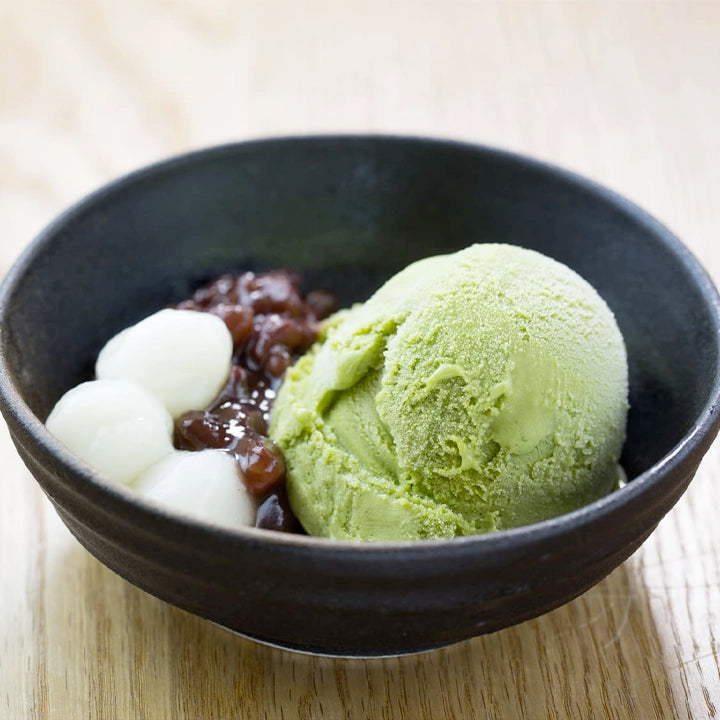
- In cooking, as in our beef tataki with umeshu sauce, or poured over vanilla ice cream.
Serve it in a small glass, chilled but not ice-cold if drinking it neat: too much cold masks its aromas.
Excessive alcohol consumption is harmful to health. Drink responsibly.
Frequently asked questions
What does umeshu taste like?
Fruity and sweet, with plum tartness and almond notes from the stone. Ageing brings notes of caramel.
Are umeshu and umeboshi the same thing?
No: umeshu is a liqueur, while umeboshi is a salted plum. Both come from the same fruit.
How should you store a bottle of umeshu?
Store upright, away from light, and refrigerate after opening to preserve the fruit’s freshness.
Should you eat the plum at the bottom of the bottle?
Yes, if there is one: soaked in liqueur, it can be enjoyed at the end of your glass.
In summary
To start exploring, choose a Manzairaku Kaga; for roundness, a Kishu Ume Koshu; for an exceptional tasting experience, a Plumity Black; and as a gift, a 12-year-aged umeshu.


