









The authentic traditional Japanese Shoyu Ramen recipe
Ingredients
For the Tare (Soy Sauce Base)
10 cl of artisanal soy sauce (ideally aged in cedar barrels)
4 cl of genuine mirin
2 cl of cooking sake
1 piece of kombu seaweed (approximately 5 cm)
For the Broth and Toppings
1 litre of dashi broth (kombu and katsuobushi) or a very light chicken stock
2 to 3 portions of fresh or semi-dried alkaline ramen noodles
4 thick slices of chashu pork (slow-braised, melt-in-the-mouth pork belly)
2 soft-boiled marinated eggs or ajitsuke tamago
A generous handful of finely sliced Japanese spring onions
A few slices of narutomaki (the famous white fish cake with a pink spiral)
2 sheets of crispy nori seaweed
The comfort of a steaming bowl, the deep aroma of a slowly prepared broth, the springy bite of fresh noodles... Making a shoyu ramen recipe at home is a true immersion in Japan’s fine cuisine. Far removed from freeze-dried preparations and bland industrial broths, authentic ramen is a meticulous art that demands patience and a selection of exceptional ingredients.
This iconic preparation holds a place of honour among Japanese recipes, where every element plays its part in achieving perfect balance. From the clear broth to the alkaline noodles, nothing is left to chance. In this detailed guide, we reveal the closely guarded secrets of rāmenya masters (specialist ramen chefs) to elevate your cooking and bring an authentic taste of Tokyo into your kitchen.
What is authentic shoyu ramen? The secret of tare
At the heart of this magnificent dish is one essential preparation: the soy sauce tare. Ramen is not simply a uniform soup cooked in a single pot. It is assembled with great precision. The secret of an excellent bowl lies in keeping the base broth (unseasoned) strictly separate from the highly concentrated seasoning known as tare.
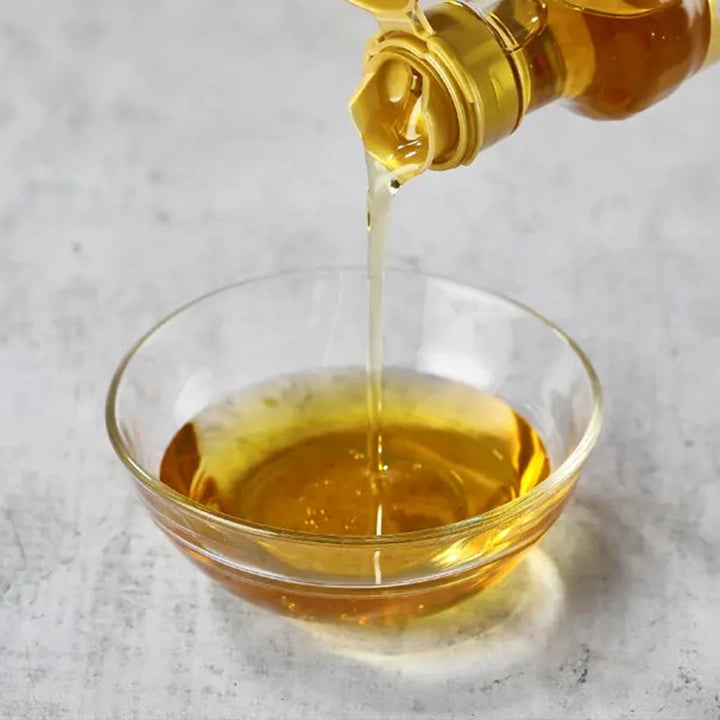
To achieve that celebrated umami flavour so prized by food lovers, it all comes down to the quality of your artisanal soy sauce. A fine shoyu, patiently aged in a cedar barrel in a traditional kura (Japanese brewery), brings aromatic complexity, woody notes and a depth of flavour that no industrial product can hope to match.
-
The tare: This is the soul of your dish. It is an intensely flavoured reduction of soy sauce, mirin and sake, placed at the bottom of the serving bowl just before the hot broth is poured in.
-
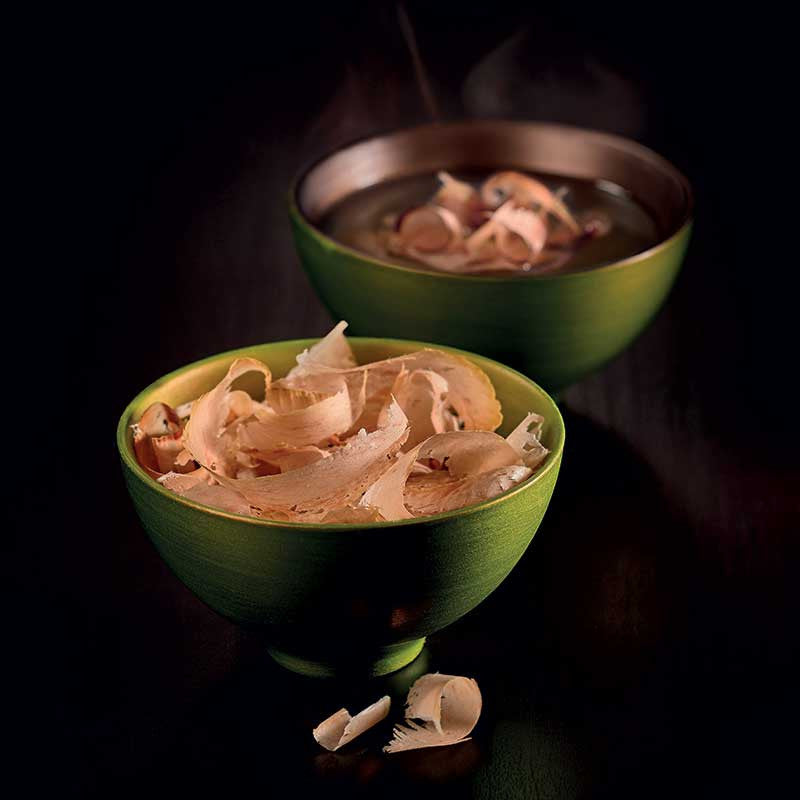
The dashi and broth: This essential broth, often a subtle blend of kombu seaweed, dried bonito and sometimes chicken, is added to the tare to create a perfect balance of roundness and saltiness.
Essential ingredients for the broth and toppings
To achieve this harmony of flavours, choosing the right ingredients is the cornerstone of your recipe. You will need a clear, authentic dashi broth and traditional ramen noodles with the firm, springy texture the Japanese call "koshi".
Here are the exact ingredients you will need:
For the tare (soy sauce base)
-
10 cl of artisanal soy sauce (ideally aged in a cedar barrel)
-
4 cl of genuine mirin
-
2 cl of cooking sake
-
1 piece of kombu seaweed (about 5 cm)
For the broth and toppings
-
1 litre of dashi broth (kombu and katsuobushi) or a very clear chicken broth
-
2 to 3 portions of fresh or semi-dried alkaline ramen noodles
-
4 thick slices of chashu pork (slow-braised, melt-in-the-mouth pork belly)
-
2 marinated soft-boiled eggs, or ajitsuke tamago
-
A generous handful of finely sliced Japanese spring onions
-
A few slices of narutomaki (the famous white fish cake with a pink swirl)
-
2 sheets of crisp nori seaweed
Step-by-step preparation of your shoyu ramen
The success of this dish depends as much on the quality of the ingredients you choose as on the choreography of assembling it. Here is a methodical approach to simmering the components and putting together the perfect bowl.
-
The evening before, take the time to prepare your braised meat and soft-boiled eggs so they can soak up the flavours of the sweet soy sauce marinade overnight.
-
On the day, bring the tare ingredients very gently to a simmer in a small saucepan. Let them reduce over a very low heat for a few minutes to concentrate the flavours, then set aside.
-
Heat your clear broth in a large pot until it simmers. Take care never to let it boil vigorously, as this would cloud its prized clarity.
-
In another large saucepan, cook the noodles in plenty of boiling water (usually 1 to 2 minutes, depending on their thickness; they should remain firm).
-
Assembling the bowl is the crucial step. Pour two tablespoons of your warm tare into the bottom of a preheated serving bowl.
-
Pour one or two ladlefuls of very hot broth over the tare and stir gently to combine.
-
Drain the noodles thoroughly and add them to the broth, carefully folding them over themselves with chopsticks for a neat presentation.
-
Arrange your toppings with due elegance: fan out the tender meat, add the halved egg to reveal its runny yolk and the narutomaki, place the fresh spring onion in the centre, then finish with a sheet of seaweed tucked majestically against the rim of the bowl.
The chef’s tip
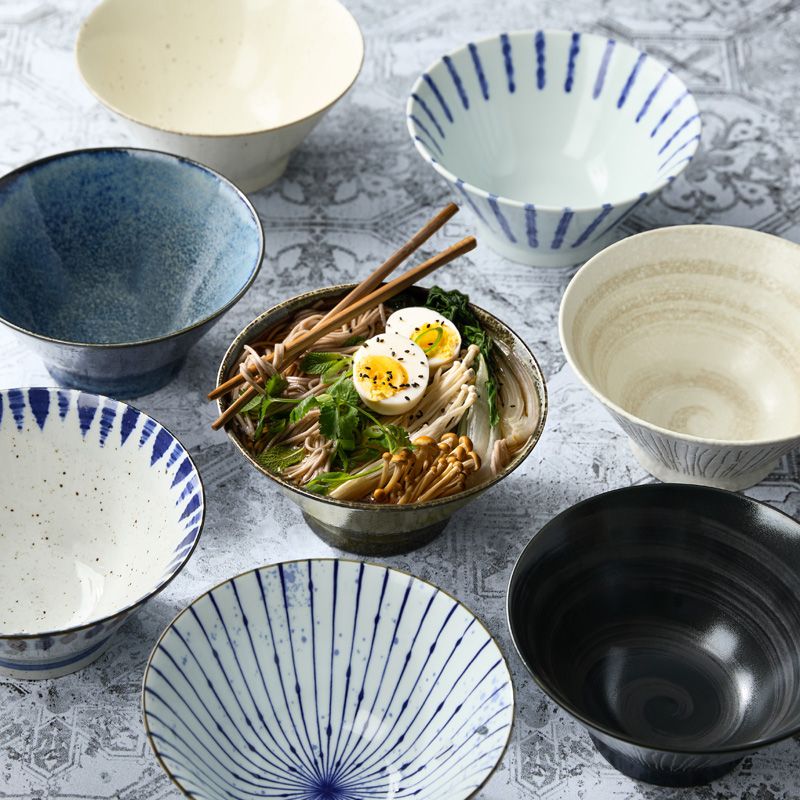
Timing is everything in the art of ramen. Your ceramic bowls must be piping hot before you add the broth. Once the noodles go into the cooking water, you have less than two minutes to finish assembling the bowls. Remember this Japanese saying: ramen does not wait; the diner waits for their ramen!
Conclusion: Elevate your Japanese dishes at home
Mastering this shoyu ramen recipe is a fascinating culinary adventure that showcases the refinement and precision of Japanese craftsmanship. To give your cooking every chance of success while honouring tradition, quality condiments are your best ally. Find all the essential ingredients for this signature dish (aged soy sauce, premium katsuobushi, artisanal noodles) in our online shop, and enjoy the experience of Japan’s finest restaurants at home.
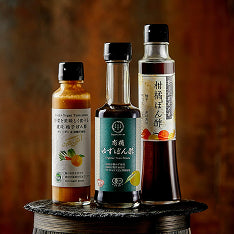
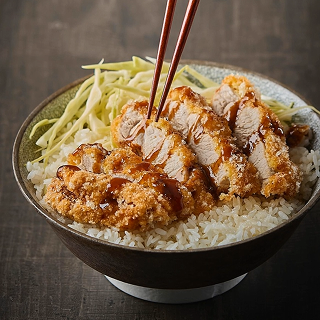
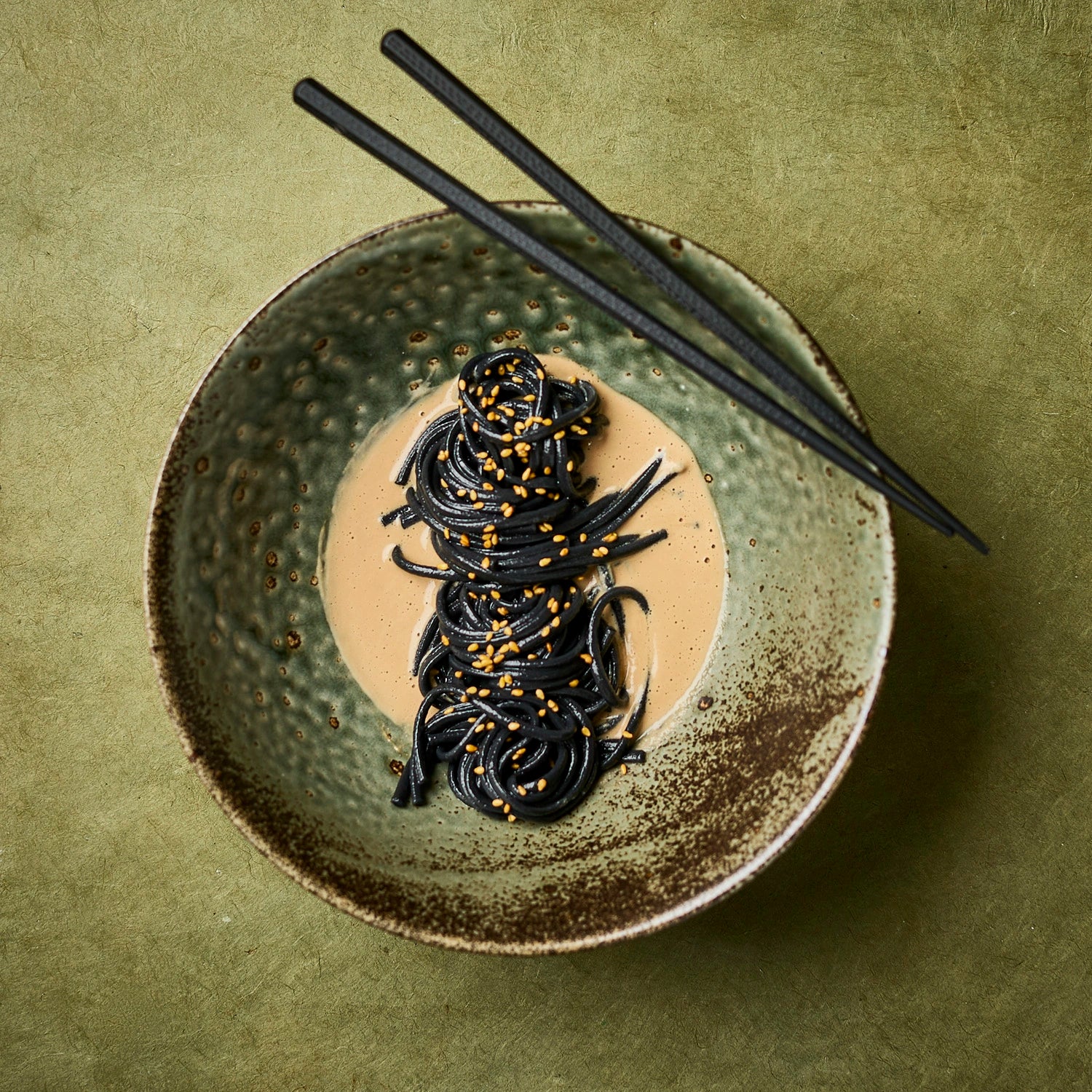
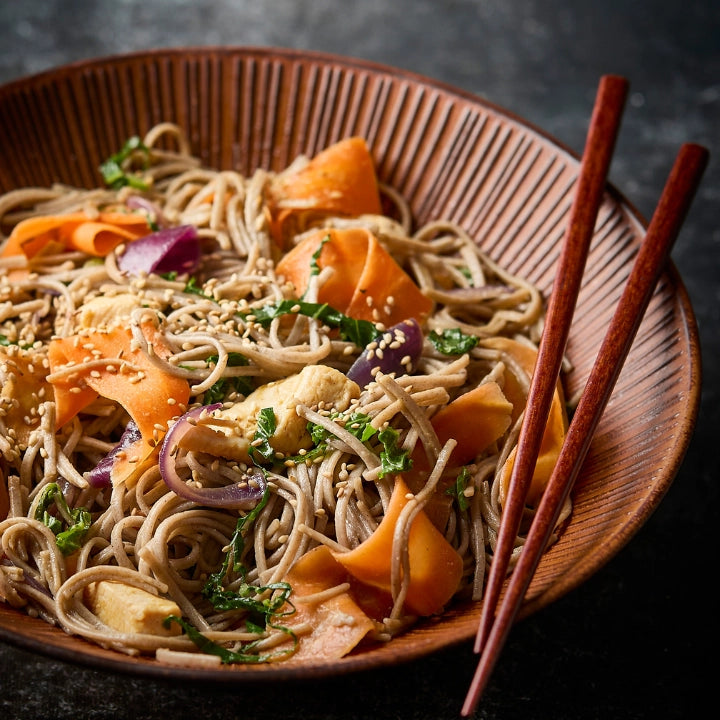
In a hurry? A premium tsuyu, a concentrated soy sauce and dashi base, makes a handy shortcut for a quick noodle broth. To explore soy sauce further, discover the century-old ageing process behind Kamebishi soy sauce, glazed teriyaki chicken, the tare in our yakitori recipe, a sesame soy salad dressing or a scallop salad with yuzu ponzu.
Frequently asked questions (FAQ) about homemade ramen
What is the difference between shoyu ramen and miso ramen?
The first is seasoned primarily with a concentrated soy sauce-based tare, producing a very clear, delicate broth with deep flavour. The second uses fermented soybean paste, giving a much richer, creamier and more opaque result. See our miso ramen recipe to explore this second variation.
Which soy sauce should you choose for the perfect tare?
Be sure to choose a high-quality Japanese soy sauce, ideally aged in a cedar barrel for 1 to 3 years. It will bring refined saltiness, natural sweetness and complex woody notes without overwhelming the delicate flavour of your broth.
Can you prepare the broth and tare in advance?
Absolutely. In fact, it is recommended. Rich in salt and alcohol, tare keeps remarkably well for several weeks in a glass jar in the fridge. The broth, meanwhile, benefits from being made the day before, allowing its seafood and meat flavours to develop and settle.
How do you get the perfect runny yolk for an ajitsuke tamago egg?
Precision matters: gently lower your eggs (at room temperature) into simmering water for exactly 6 minutes to 6 minutes 30 seconds. Remove them and immediately transfer them to a large ice bath to stop the cooking before peeling.
What type of noodles are recommended for shoyu ramen?
Wheat noodles containing kansui (mineral-rich alkaline water) are absolutely essential. This ingredient gives them their firm bite and slightly yellow colour, and prevents them from quickly falling apart in very hot broth.
What can you use instead of chashu pork for vegetarian ramen?
For an umami-rich vegetarian alternative, use thick slices of firm silken tofu, marinated beforehand and pan-fried with sesame, or choose thick shiitake mushroom caps roasted in the oven with a dash of mild soy sauce.
How do you reheat leftover ramen without overcooking the noodles?
It is strongly advised not to store the noodles in the liquid. If you have leftovers, keep the broth and noodles separate. The next day, reheat the broth on its own, then pour it piping hot over the cold noodles just before serving to preserve their springy texture.


