
Skip to content
Cart

Your cart is empty

Continue shopping

Soy sauces

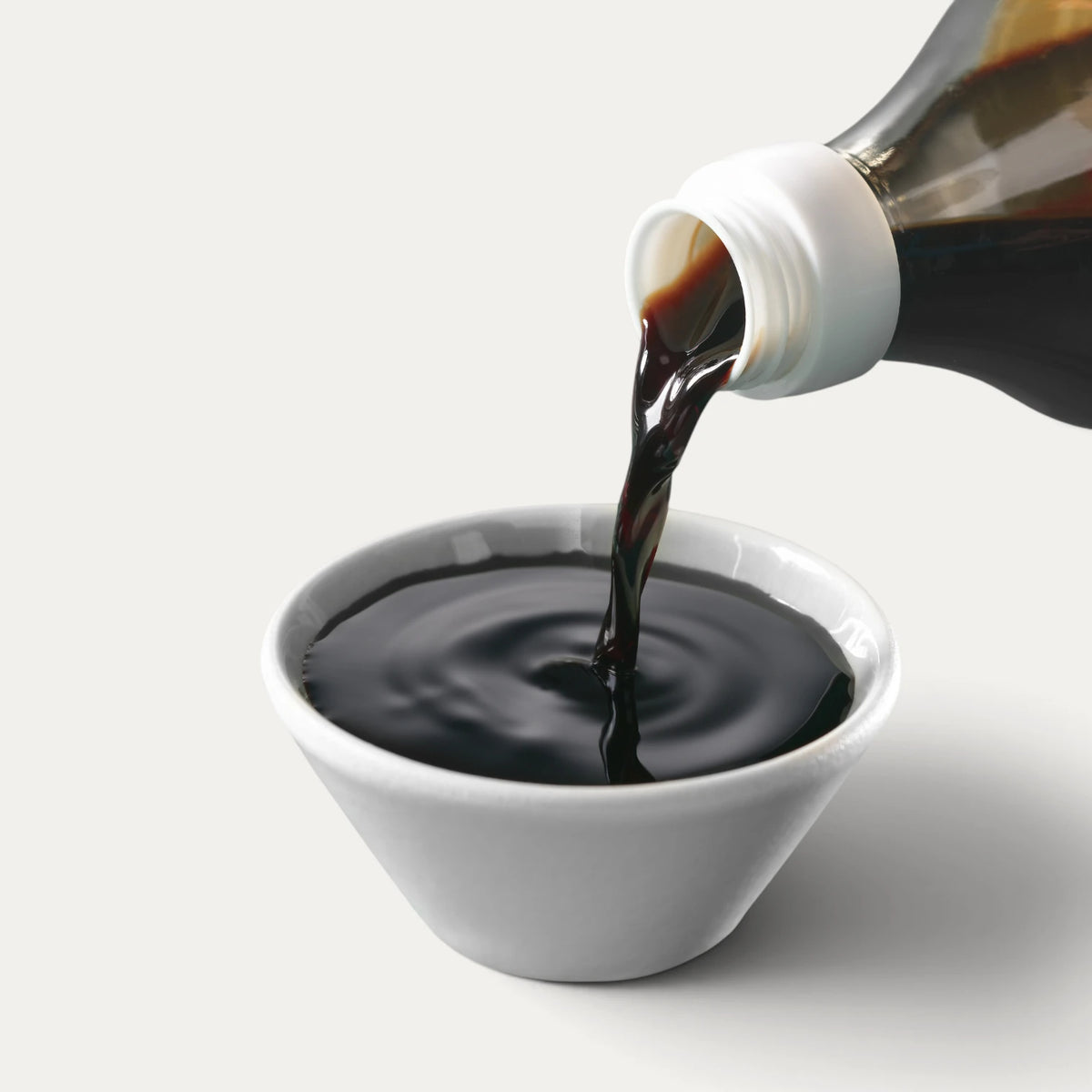
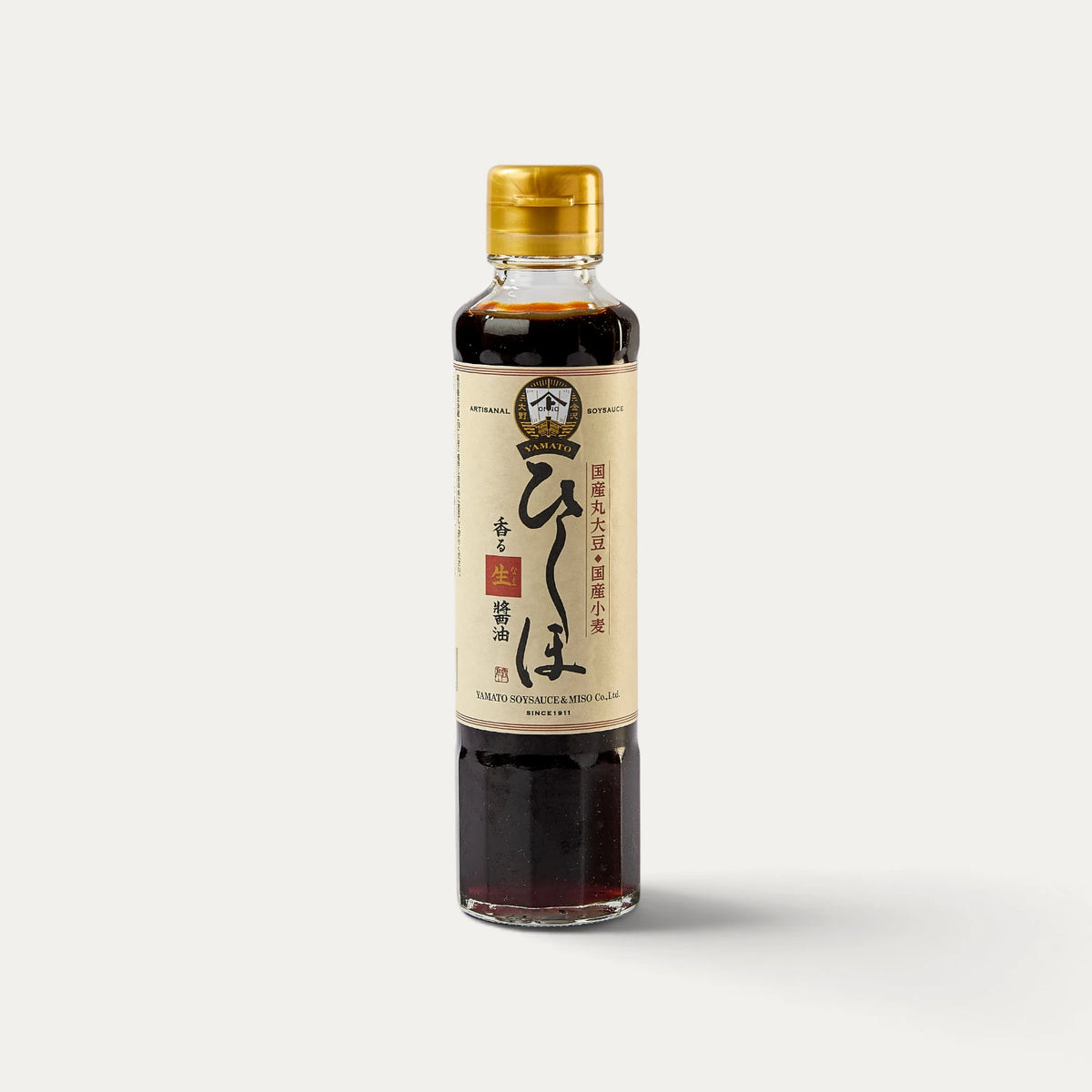
Soy sauce is one of the most prevalent condiments in Japanese cuisine. It is prized for its unique flavour and its benefits for the human body. This sauce is suited to the preparation of all manner of dishes. This ingredient comes in several varieties depending on each cook's needs. Specialising in the sale of traditional Japanese products, the online grocery Nishikidôri offers a variety of soy sauces to add a Japanese touch to culinary creations.

NewAwaya soy sauce 10 years aged 150 ml
Sale price35,00 €233,33 € / L
NewSAKE HISHIO soy sauce with red rice sake lees, 200 ml
NewJinzaemon soya sauce aged 3 years in a wooden vat, 200 ml
Mitsuboshi Horikawaya Nomura Premium shoyu soy sauce decanter - 900ml
Kinbue soy sauce
2 formats
Kinbue soy sauce
Sale price13,10 €13,10 € / L
NewMala Soy Sauce - 200ml
Sale price7,21 €36,05 € / L
Premium Mitsuboshi Horikawaya Nomura shoyu soy sauce decanter - 550ml
Smoked soy sauce - 450g
Sale price17,05 €37,89 € / kg
Kinbue Saishikomi double fermentation soy sauce
Sale price7,05 €47,00 € / L
Sold outMaru Daizu low-salt soy sauce 360 ml
Sale price5,10 € Regular price8,50 €14,17 € / L
Sold outMaru Daizu Soy Sauce Aged in a Kioke Vat
Sale price4,71 € Regular price7,85 €13,08 € / L
Sold outKi Joushu soy sauce - 720ml
Sale price13,40 €18,61 € / L
Sold outReduced-salt soy sauce
Sale price9,10 €18,20 € / L
Sold outSmooth soy sauce with wasabi
Sale price8,55 €71,25 € / L
Sold outTamari Tsuresoi soy sauce - 200ml
Sale price8,00 €40,00 € / L
Sold outSmoked tamari soy sauce 70 ml
Sale price8,60 €122,86 € / L
Sold outMitsuboshi Horikawaya Nomura Selection shoyu soy sauce - 200ml
Sold outShussai Ginger Soy Sauce - 160ml
Sale price6,06 € Regular price8,65 €37,88 € / L
Sauce soja shoyu 10 ans d'âge
SOY SAUCE FAQ

Artisanal Japanese Soy Sauce: The Excellence of Shoyu

To elevate your everyday gastronomy, Japanese soy sauce is the essential ingredient. Far from industrial condiments, our selection highlights the masterful work of Japanese master brewers. Obtained through a slow maturation process, each drop releases an umami flavour of absolute depth. Discover our collection of traditional Japanese sauces and find the grand cru that will transform your culinary creations, from a simple marinade to a Michelin-starred dish.

Buying Guide: The Different Types of Japanese Soy Sauce

Navigating the world of Japanese shoyu requires an understanding of its aromatic nuances, from the lightest colour to the thickest texture. To complement our exceptional catalogue, here is an overview to guide you in your choice.

Sauce Type Colour & Texture Aromatic Profile Recommended Use
Koikuchi (Classic) Dark, fluid Round, balanced Versatile use, cooking and seasoning
Shiro (White) Transparent to golden Mild, wheat-rich Light dishes, vegetables, savoury custards (Chawanmushi)
Tamari Very dark, thick Full-bodied, intense umami Sashimi, red meats, wheat-free diets
Saishikomi Opaque, syrupy Very rich, powerful umami Tasting, finishing, glazing

Classic Shoyu and Saishikomi (Double Fermentation)

This pillar of Japanese cuisine is the result of a long natural fermentation. Classic Shoyu (Koikuchi) is the most widespread seasoning in Japan. Saishikomi, or double-fermented sauce, is brewed not with salted water, but with an already fermented soy sauce, offering aromas of exceptional richness.

Tamari Sauce: Gluten-Free Intensity

Made almost exclusively from soya beans with very little or no wheat, tamari sauce stands out for its intensity. It is the gluten-free alternative par excellence. It reveals a full-bodied and velvety aromatic profile, highly sought after by lovers of bold flavours.

Shiro Shoyu: The white soy sauce

Predominantly made from wheat, this surprisingly clear variety allows for elegant seasoning without altering the original colour of food. Its preserved colour makes it the indispensable ally of chefs wishing to enhance the aesthetic of a dish.

Food and Soy Sauce Pairings: How to Use Them in Cooking?

Every ingredient deserves its own seasoning to reveal its full potential. Here is how to pair our finest selections:

  • Raw fish and carpaccios: For your sushi and sashimi, opt for a Nikiri soy sauce or a mild Tamari that will highlight the delicacy of the fish without masking its briny finesse.
  • Meats, stir-fries and marinades: A thick or double-fermented soy sauce is perfect as a marinade or for glazing grilled meat. The natural sugars caramelise beautifully during cooking.
  • Vegetables, broths and light dishes: Use a Shiro Shoyu (white sauce) or a lightly salted classic Shoyu to season a genuine dashi broth or a vegetable stock, while preserving their visual clarity.

The secret of our artisans: Ageing in cedar barrels

Japanese craftsmanship dictates that time is the first and noblest of ingredients. Unlike mass industrial production (where fermentation is artificially accelerated), our sauces rest patiently in a century-old cedar barrel (the Kioke) within a brewery (the Kura).

This ancestral ageing process, also practised by our artisans producing artisanal miso paste, allows natural micro-organisms to interact slowly with the wood. It is this prolonged contact that develops an extraordinary aromatic complexity.

The Nishikidori Expert's Opinion

The aged sauces offered by our exceptional artisans (Kamebishi, Horikawaya Nomura) are no longer mere condiments: they are elixirs. Refined over 3 years, 20 years or even 38 years, they lose water to concentrate their essence. A few drops of these syrupy treasures are enough to transform a simple dish into a rare gastronomic experience.

What is the difference between Shoyu sauce and Tamari sauce?

Shoyu is made from a minimum of two grains (generally soy and wheat, but it can also be soy and rice, or soy and barley), which gives it a very rounded and versatile aromatic profile. Tamari, on the other hand, is made from a single grain (soy, wheat or barley), which makes it thicker and more intense on the palate. White soy sauce (Shiro Shoyu) is also a single-grain sauce made from wheat, which is close to white tamari.

Which soy sauce should you choose to eat sushi?

A mild sauce, rich in umami but not overpowering, is ideal. Great chefs often prepare it as "Nikiri" (slightly sweetened and heated) or add a drop of Japanese rice vinegar to enhance the delicate flesh of raw fish.

How should an opened artisan soy sauce be stored?

To preserve its delicate aromas, it should be stored in the refrigerator after opening, away from direct light and heat. To fully enjoy its flavour qualities, it is advisable to consume it within six months of opening the bottle.

Why do some of your soy sauces have more than 10 years of age?

The very long ageing in cedar barrels allows for a slow evaporation of water. A sauce aged 10, 20 or 38 years becomes syrupy, loses its aggressive saltiness and develops extraordinary aromatic notes of cocoa, truffle, balsamic or woodland.

Do you offer gluten-free soy sauces?

Yes, our selection of Tamari sauces is by nature an excellent wheat-free alternative. Always check our detailed product descriptions to ensure strict gluten-free certification according to the artisan producer.

What is white soy sauce (Shiro Shoyu)?

It is an atypical sauce brewed with a very high proportion of roasted wheat and a tiny amount of soya. Its golden, almost transparent colour allows you to season a dish with subtlety and add umami without visually darkening broths or seasonal vegetables.

What are the health benefits of Japanese soy sauce?

The result of a long and natural fermentation, it is rich in antioxidants and prebiotics that are beneficial for the digestive system. Its powerful aromatic strength also allows you to considerably reduce the amount of table salt added to your preparations.