















Bring a new accent to your cooking

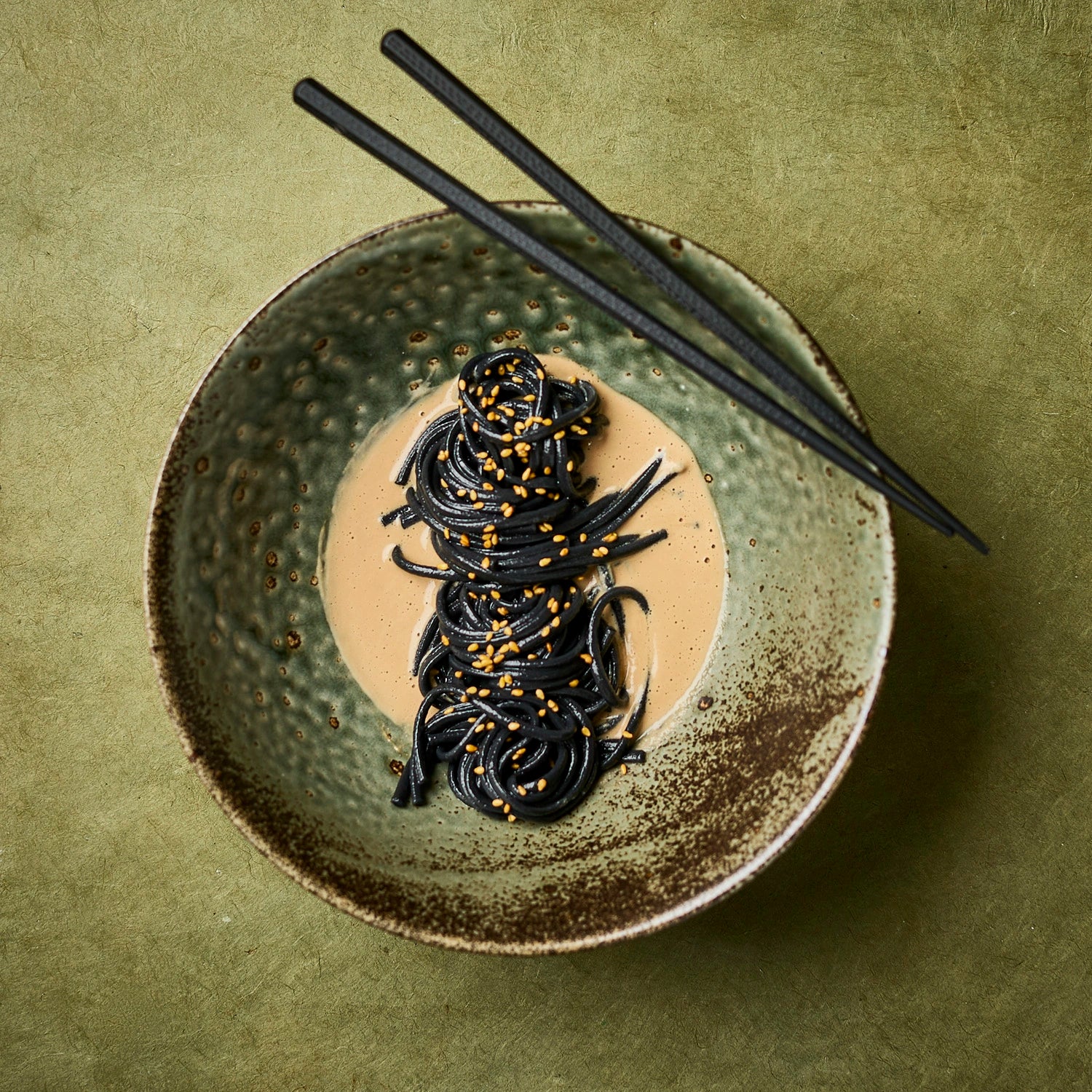
Fine Japanese noodles served cold, lifted by a smooth sesame sauce and the delicate, briny notes of karasumi. An elegant, refreshing and intensely flavourful dish.

Originating from Kagawa Prefecture, Sanuki Udon are renowned for their firm, springy and particularly satisfying texture. True emblems of Japanese cuisine, these thick noodles can be enjoyed hot o...

A comforting miso soup rich in umami flavours, served alongside crispy ramen ideal for aperitif. An original recipe combining the gentle warmth of Japanese broth with the satisfying crunch of gril...

Udon are the thick noodles, made from soft wheat dough, water and salt, and are the most widely consumed in Japan. They can be enjoyed hot or cold. Ingredients for 4 people 320 g of Udon (ref. ...

Delicate soba noodles paired with crunchy vegetables and lifted by a rich umami miso sauce. A balanced and flavourful recipe where the finesse of buckwheat meets the aromatic depth of iconic Japan...

A generous bowl of ramen noodles served in a fragrant broth, enriched with mushrooms of deep, delicately woody aromas. Comforting and rich in umami, this recipe celebrates all the finesse of veget...

Ramen noodles served in a long-simmered chicken broth, rich in umami and full of flavour. Topped with tender chicken and traditional accompaniments, this Japanese classic is generous, comforting a...
Japanese noodles, iconic ingredients.
What are the different types of Japanese noodles?
Japanese noodles are among the most popular foods in Japan.
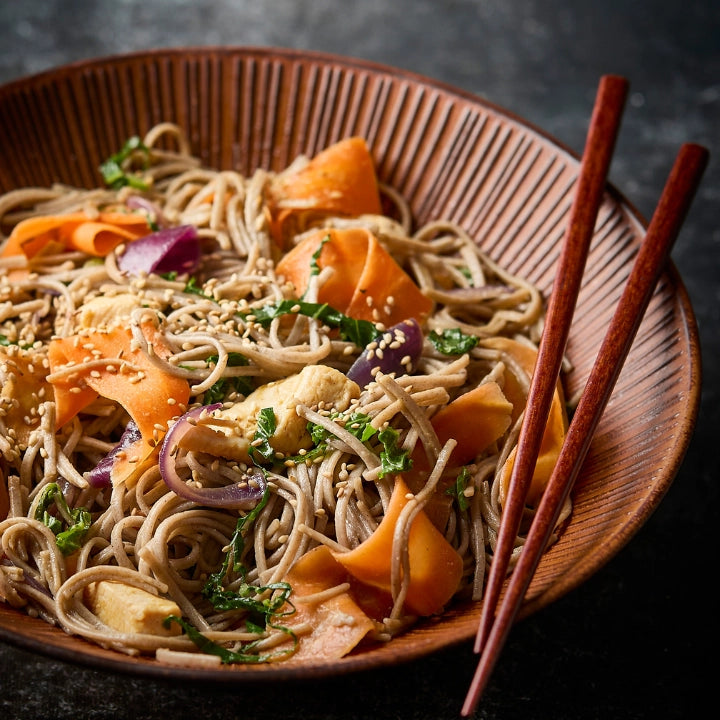
Soba noodles, traditionally consumed in mountainous regions where buckwheat cultivation was very prevalent, are highly prized. Popular in Japan, soba noodles are primarily made from buckwheat, but are not always exclusively composed of this ingredient. Sometimes they contain a small amount of wheat. Fine and delicate, they lend themselves perfectly to many recipes, whether served hot or cold. Traditionally eaten on 31 December in Japan, soba noodles, made from buckwheat, symbolise longevity for those who eat them on that day.
Ramen historically originate from China and were introduced to Japan at the end of the 19th century. They are made from flour, water, salt and kansui, which gives them a pale yellow colour. Their length and thickness can vary. Ramen noodles are available in dried, pre-cooked, instant or fresh form; they are the base of the eponymous dish and are also used in many Asian recipes. Japanese ramen are an integral part of the Japanese table.
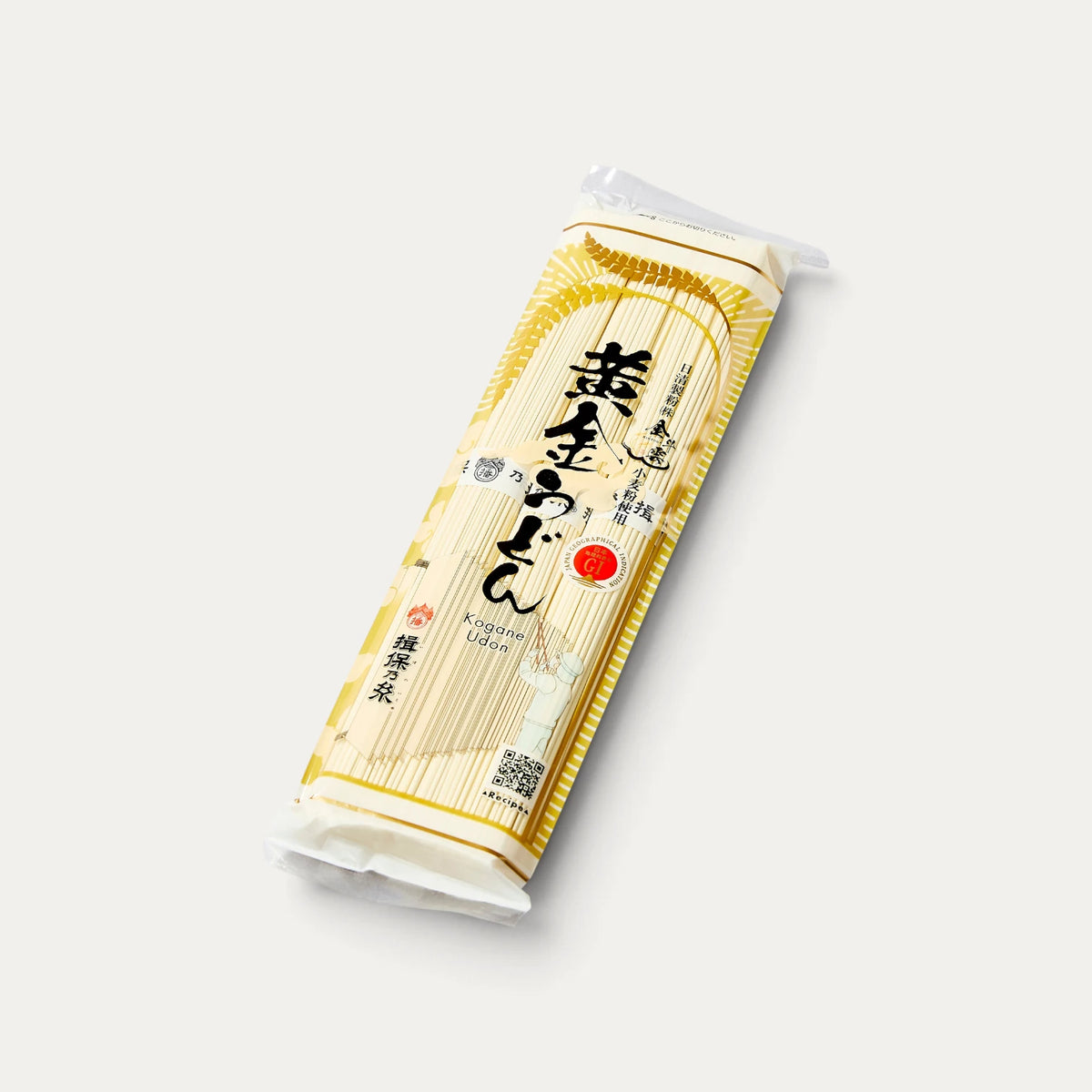
Udon noodles vary in thickness. These thick noodles are very popular in Kagawa (Sanuki Udon). Udon appeared in the plains where farmers grew wheat and rice. Japanese udon noodles can be eaten cold or hot with a bowl of dashi or a tsuyu of soy sauce, dashi and mirin; they make a dish that is greatly enjoyed by all.
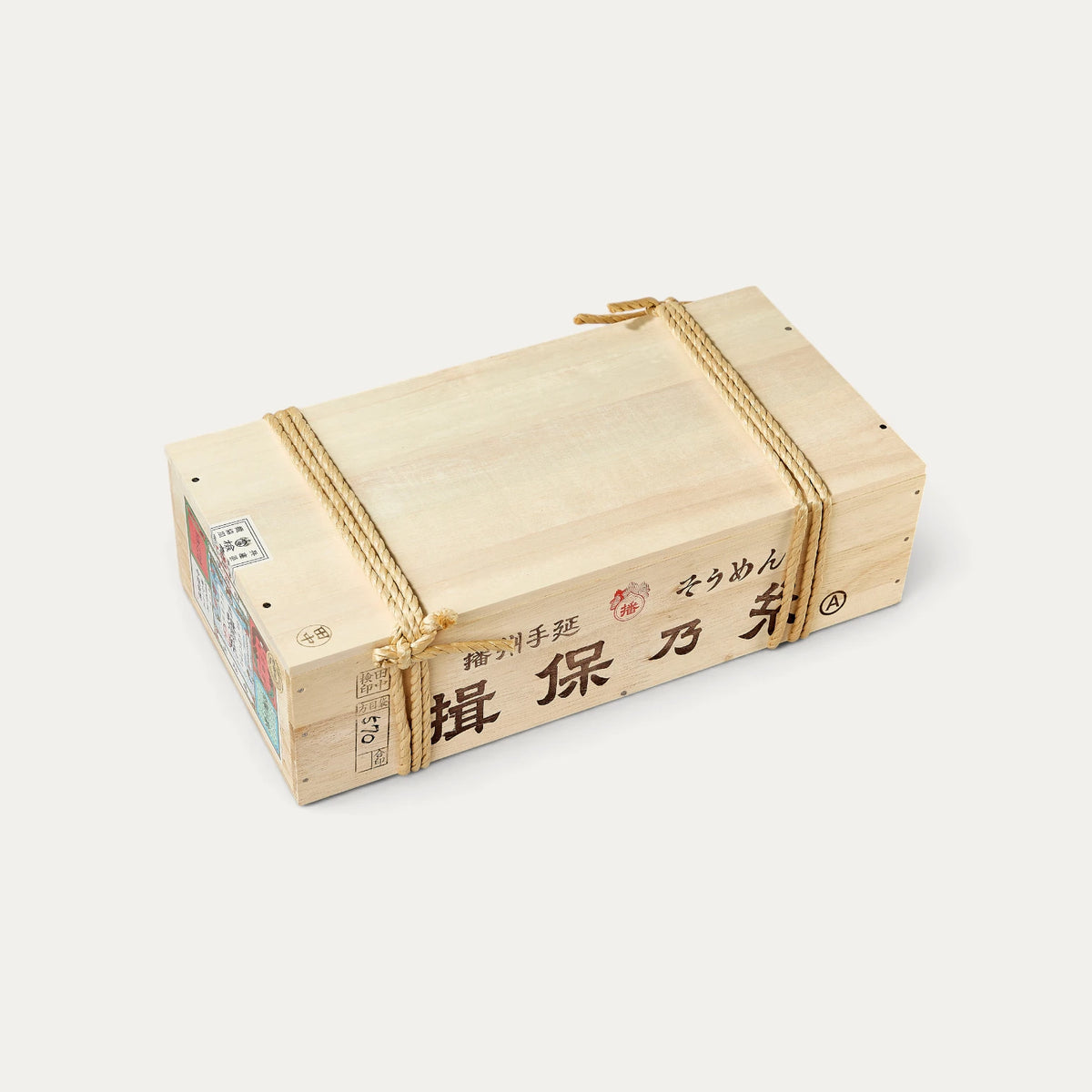
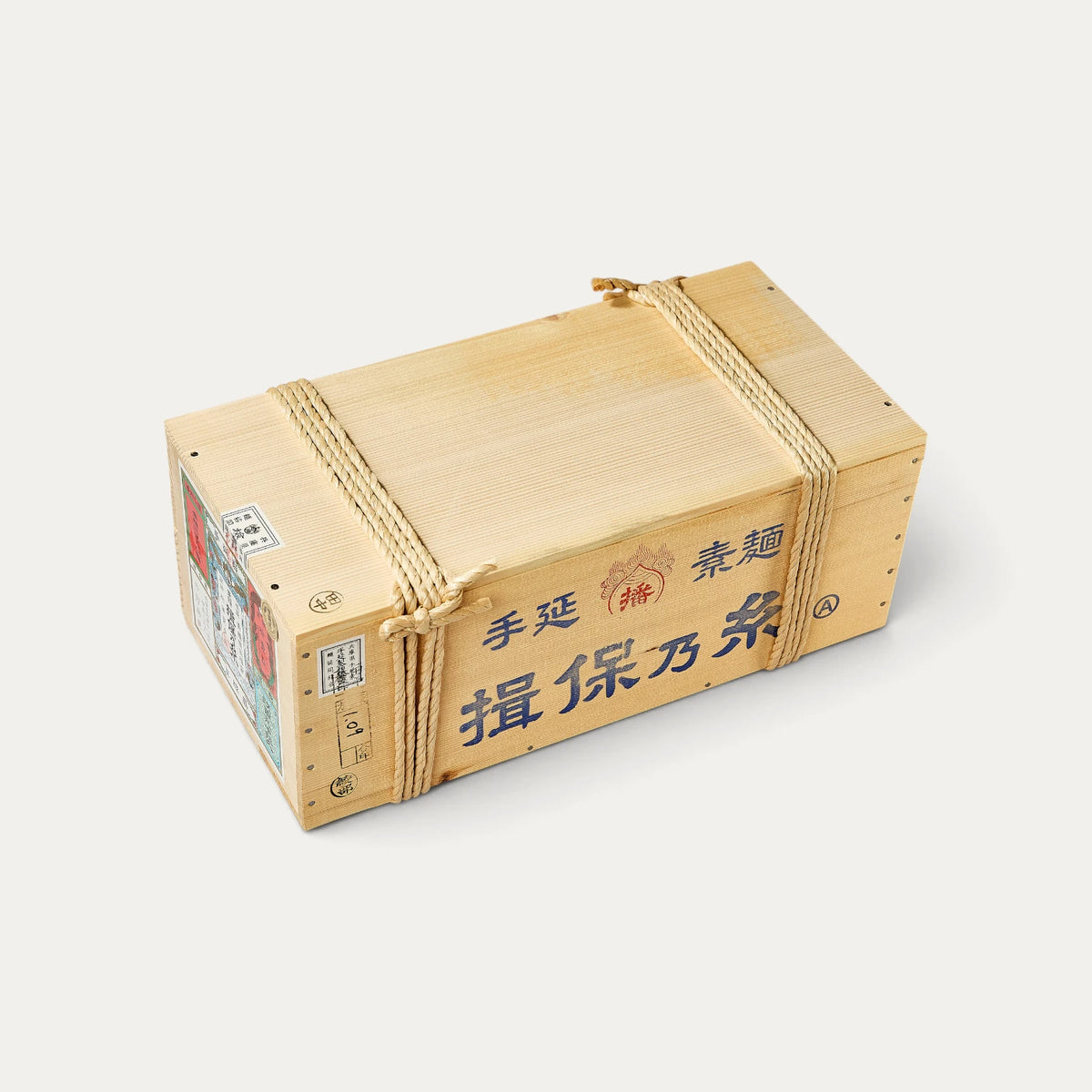
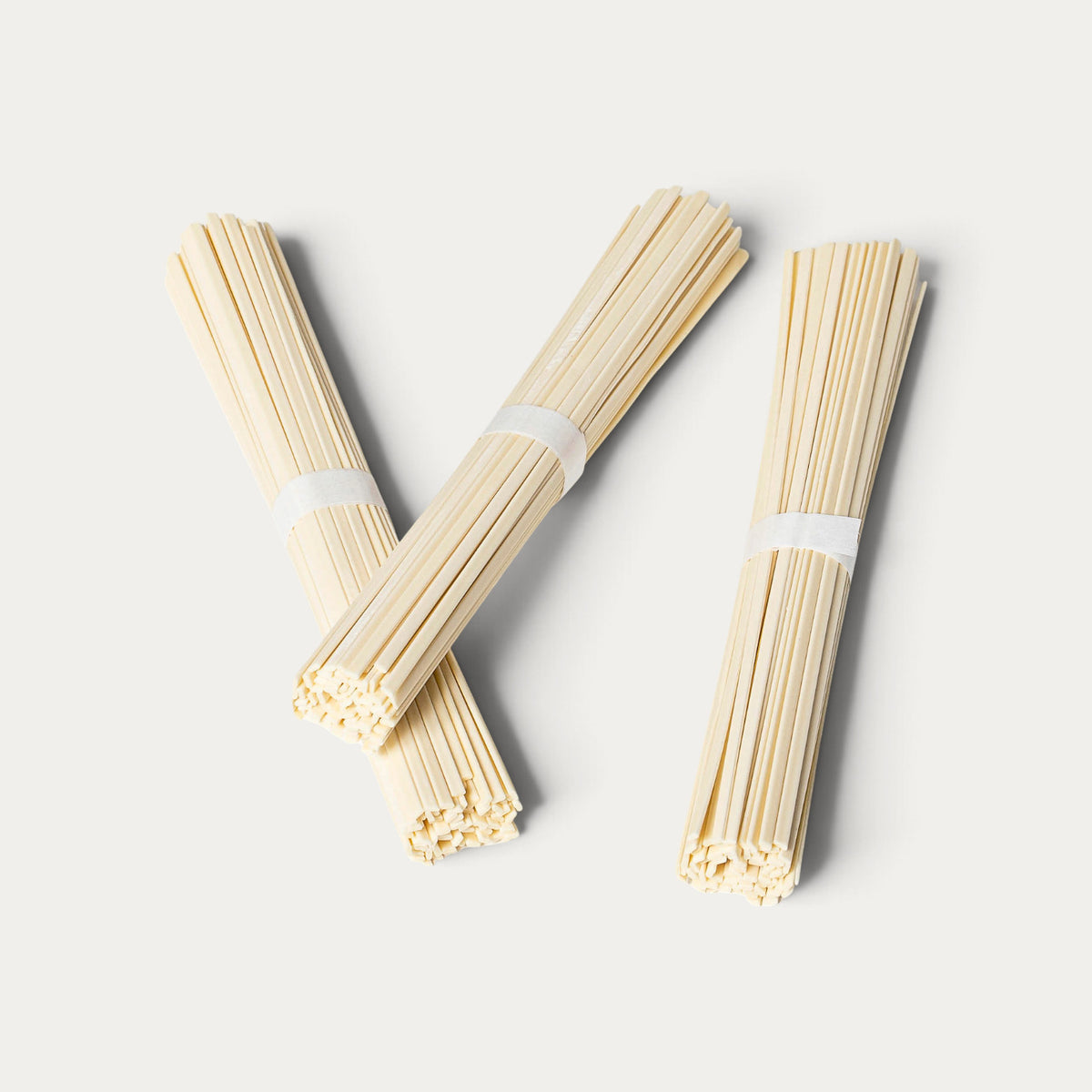
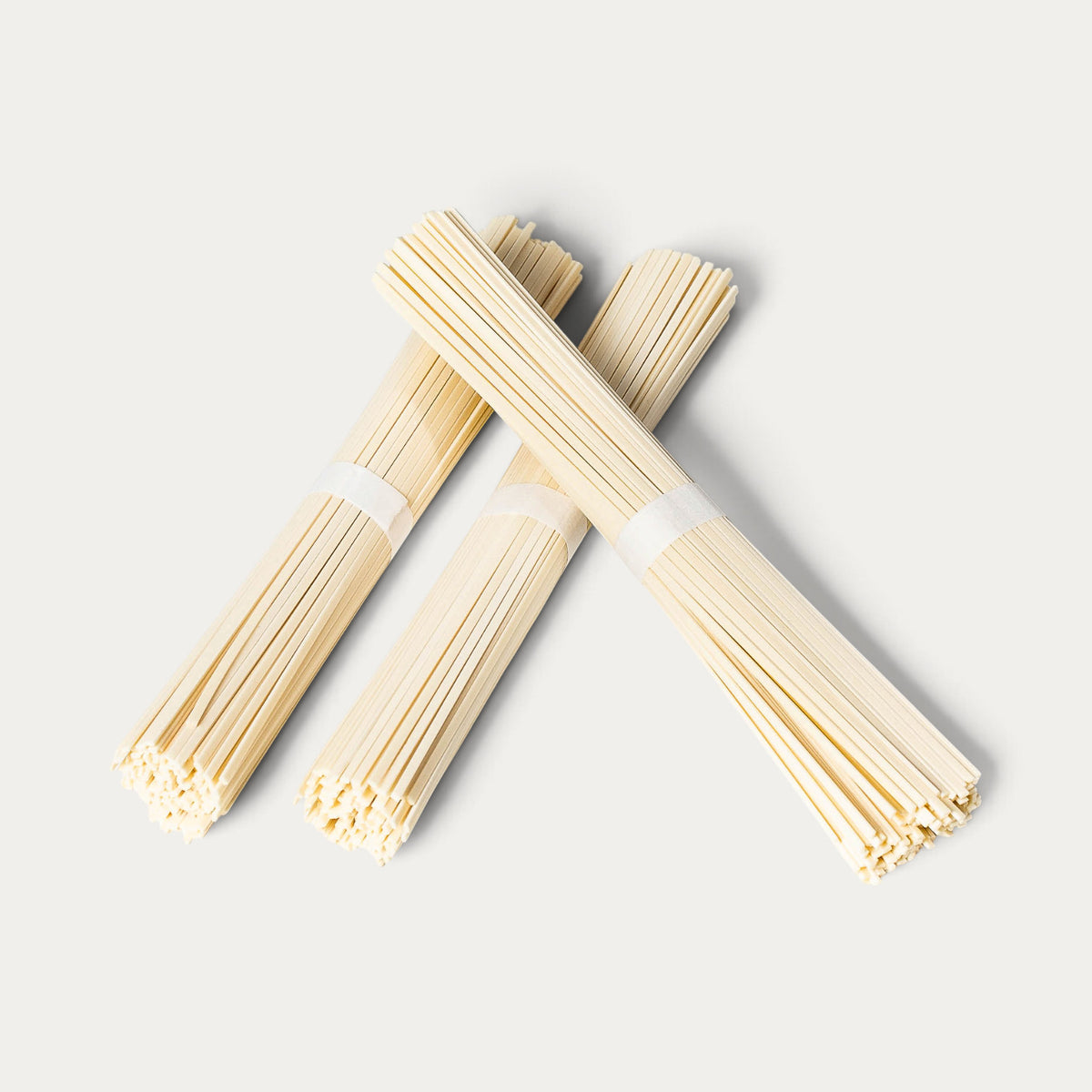
Somen noodles are served hot in a broth or cold accompanied by a tsuyu depending on the season. Originating from western Japan, somen are very fine wheat noodles. They are often sold in 100 g bundles, making portioning easy, with one bundle corresponding to an individual serving. These summer noodles cook extremely quickly, in just 2 minutes, and must be thoroughly rinsed in cold water after cooking. They have the distinctive quality of being able to be extremely fine. The finest ones are hand-stretched.
The choice of Japanese noodles depends on the type of dish you wish to cook. For a comforting ramen, ramen noodles, which absorb the flavours of the broth well, are ideal. If you prefer a lighter dish, udon, with their thick texture, are perfect! For a more balanced option, soba, made from buckwheat, are perfectly suited to cold salads or hot soups.
How do you cook Japanese noodles?
Cooking Asian noodles differs from cooking Italian pasta.
- Bring a large volume of water to the boil, add the noodles and stir with chopsticks or a wooden spoon.
- When the water starts to boil over, add a glass of cold water to bring the level back down. Then reduce the heat and continue to stir occasionally. Leave to cook for the time indicated on the packet.
- Drain the noodles and plunge them into cold water to rinse them thoroughly and stop the cooking. If you are serving them hot, briefly reheat them in boiling water.


