












Red Miso




RED MISO FAQ
Red Miso
What is red miso?
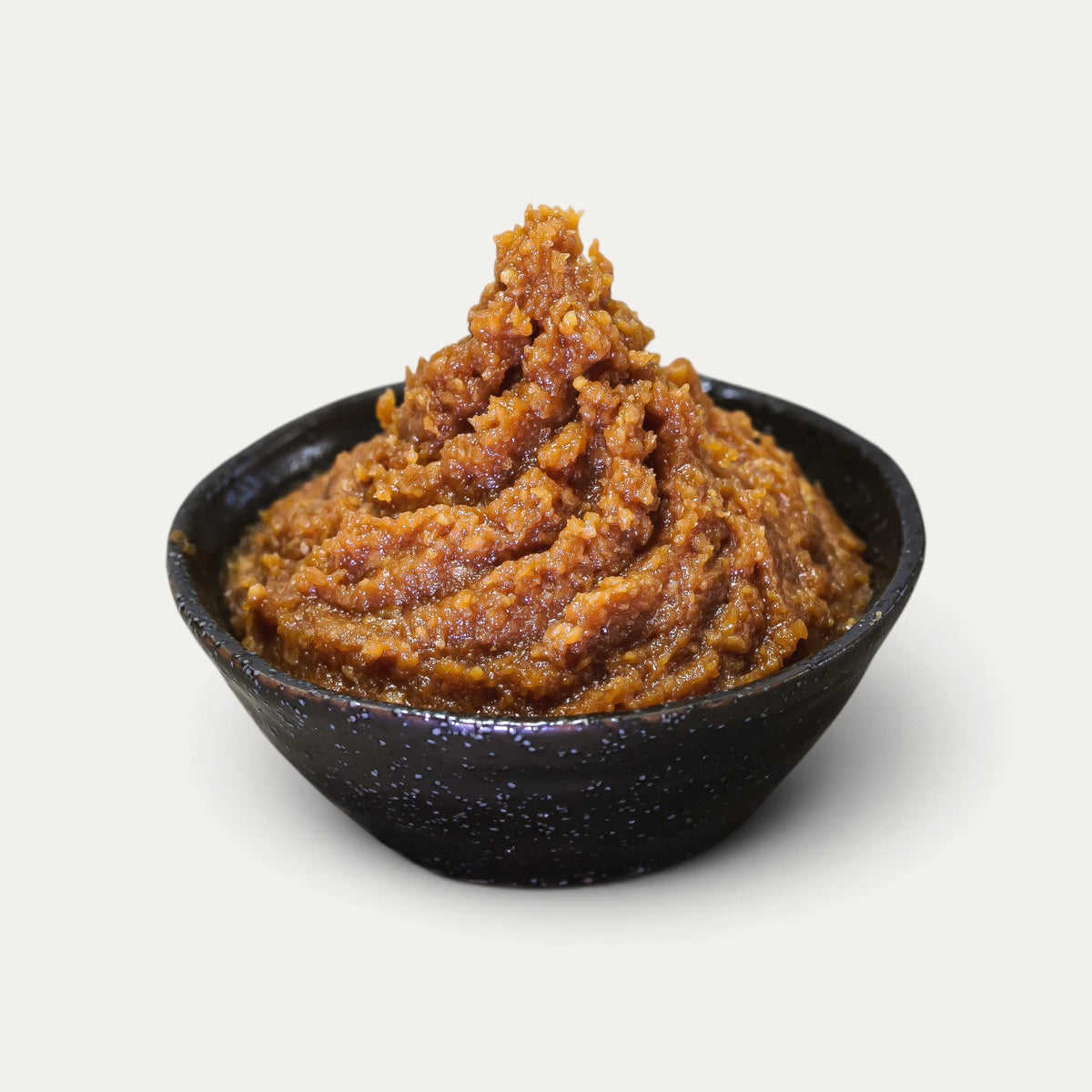
Red miso paste is a fermented paste that results from a prolonged fermentation, sometimes lasting up to a year, unlike white miso which is fermented for a shorter period. This long fermentation develops more complex and saltier flavours, giving red miso its characteristic taste. This miso is used in a multitude of dishes, from traditional Japanese soups to sauces, marinades and even certain desserts. Thanks to its richness in proteins and minerals, red miso becomes an excellent ally in the kitchen, providing essential nutrients while enhancing your dishes with its unique umami flavour.
What is the difference between red and white miso paste?
The main difference between red miso and white miso lies in the fermentation time and composition. Red miso undergoes a long fermentation, often lasting several months or even a year, which gives it a more pronounced and salty flavour. White miso, on the other hand, ferments for a shorter period, resulting in a milder and sweeter flavour. In terms of ingredients, red miso contains more soya, whereas white miso is richer in rice, making it lighter and creamier in texture.
The colour of the two types of miso also differs: red miso is darker, ranging from reddish-brown to brown, while white miso has a lighter hue, from beige to white. In terms of taste, red miso is more robust, ideal for rich dishes, while white miso is better suited to light soups or mild dressings.
How do you eat red miso paste?
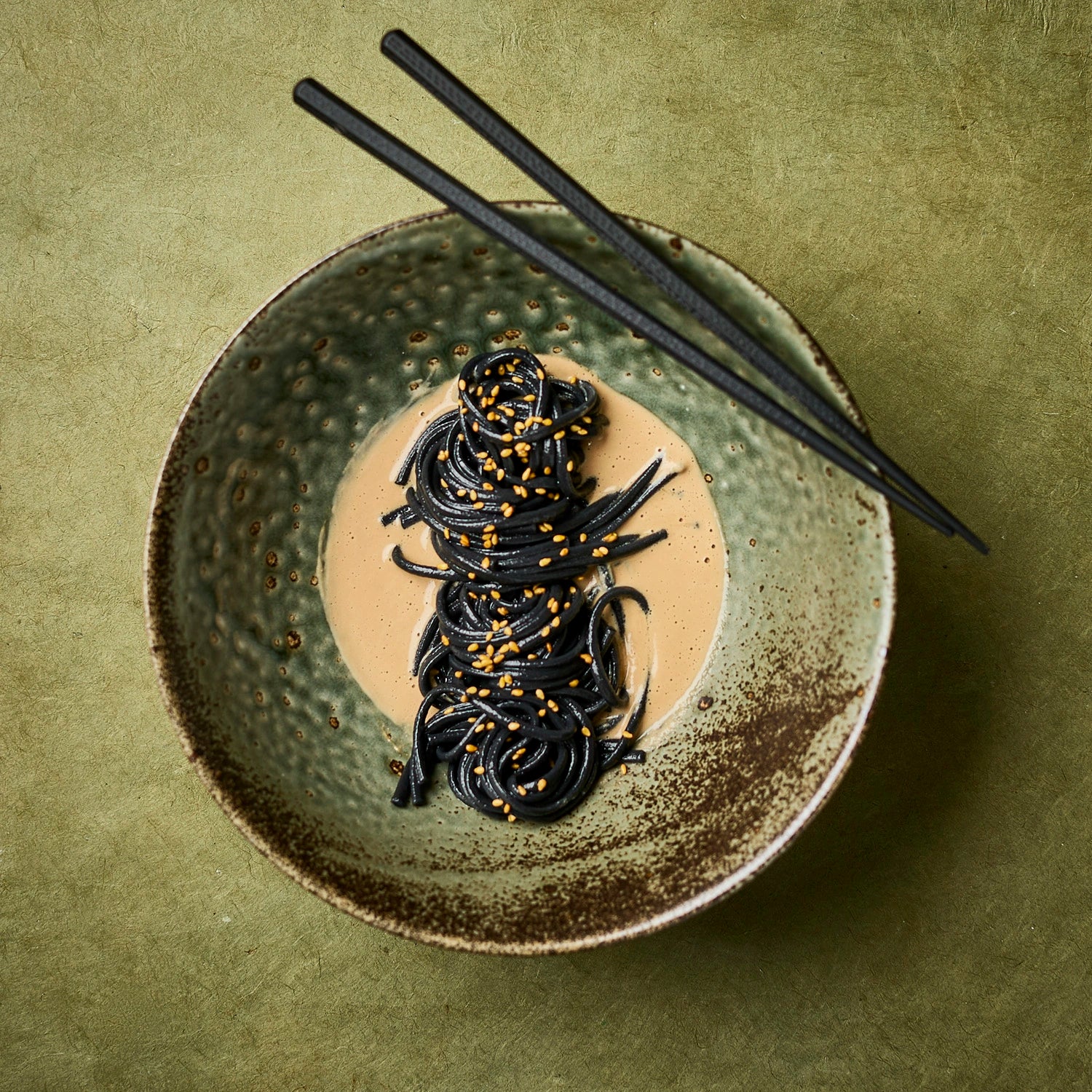
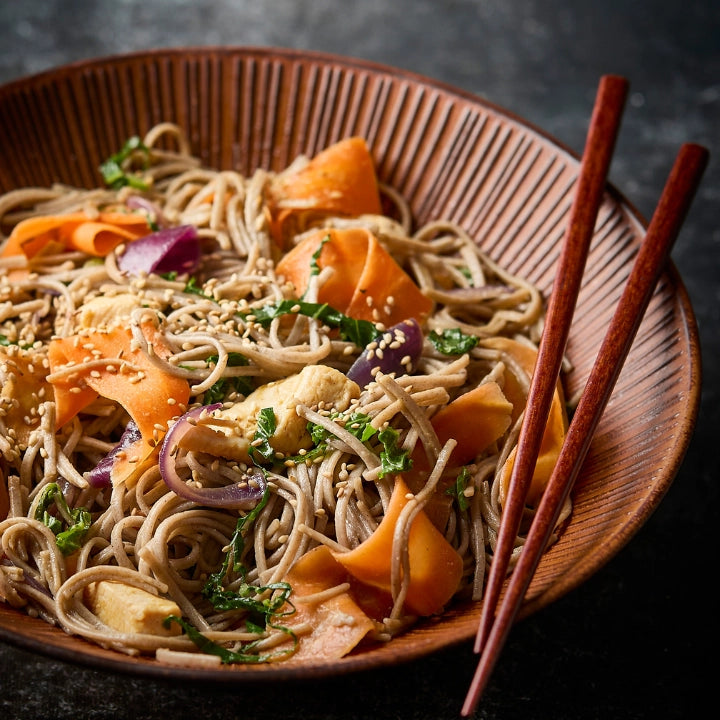
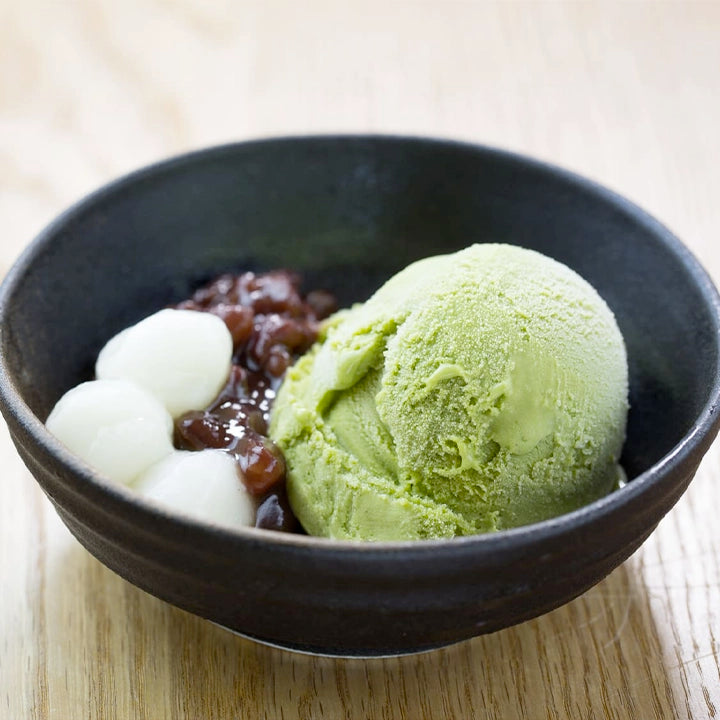
Red miso can be used in many ways in cooking. It is traditionally used to prepare the famous Japanese miso soup, but its applications go far beyond this recipe. You can incorporate it into sauces, marinades for meats and vegetables, or use it as a seasoning for noodle dishes such as ramen. Its deep flavour also makes it an excellent addition to creative desserts such as ice cream or brownies. Thanks to its richness in umami, red miso enhances the flavour of any dish, whether savoury or even sweet.
In addition to its use in Asian cuisine, red miso pairs perfectly with many Western preparations. It can be used as a condiment, a glaze, or even as a seasoning in velvety soups and purées. This versatile product offers endless possibilities for enriching your recipes.
What are the health benefits of red miso paste?
Red miso is not only delicious, it is also highly nutritious. As a fermented food, it is a natural source of probiotics — those beneficial bacteria that support digestive health. These probiotics promote better digestion and a balanced gut microbiome, which helps to strengthen the immune system and improve overall wellbeing.
Red miso is rich in plant-based proteins, particularly thanks to soya, making it an excellent option for those following a vegetarian or vegan diet. It also contains several essential vitamins and minerals, such as vitamin K (important for bone health), manganese, copper, zinc and iron. These nutrients support metabolism and important bodily functions.
Due to its richness in antioxidants, red miso helps protect the body's cells against free radicals and may help reduce inflammation, thereby contributing to the prevention of certain chronic diseases. Furthermore, it is low in calories while being high in fibre, which promotes satiety and can help with weight management.
The isoflavones found in soya, a key ingredient in red miso, are known for their ability to improve cardiovascular health by reducing bad cholesterol and improving blood circulation. Some studies suggest that fermented foods such as miso may also support liver function, thereby contributing to liver detoxification.


