











White Miso






WHITE MISO FAQ
The origins of shiro-miso paste
An ancestral expertise
The expertise behind white miso has its roots in Kyoto. This is the former imperial capital of Japan from the Heian period to the Edo period (8th to 17th century). At that time, the court nobles ("kuge"), who cultivated high-quality rice, modified the traditional miso — known for its high salt content — by adding more rice to it. This process gave rise to a sweeter and less salty miso, prized for its refinement. This sweet taste was particularly precious in a context where sugar was scarce.
Considered a refined ingredient, it was used in imperial court rituals and incorporated into symbolic dishes such as Zoni soup or kashiwa-mochi. Over the centuries, it became a prized condiment, perceived more as a natural sweetener than a simple preservative. With the transfer of the capital to Tokyo at the beginning of the Meiji era, nobles nostalgic for Kyoto's sweet miso nicknamed it "Saikyo-Miso" (from the Western capital).
A staple of the Japanese grocery
Today, although it is generally called "shiromiso", the people of Kyoto continue to use this historical name. It is used as a superb flavour enhancer.
In Japanese culture, festive meals ("hare") are distinguished from everyday meals ("ke"). Kyoto white miso stands out as a key ingredient in traditional dishes served during celebrations.
Authentic white miso
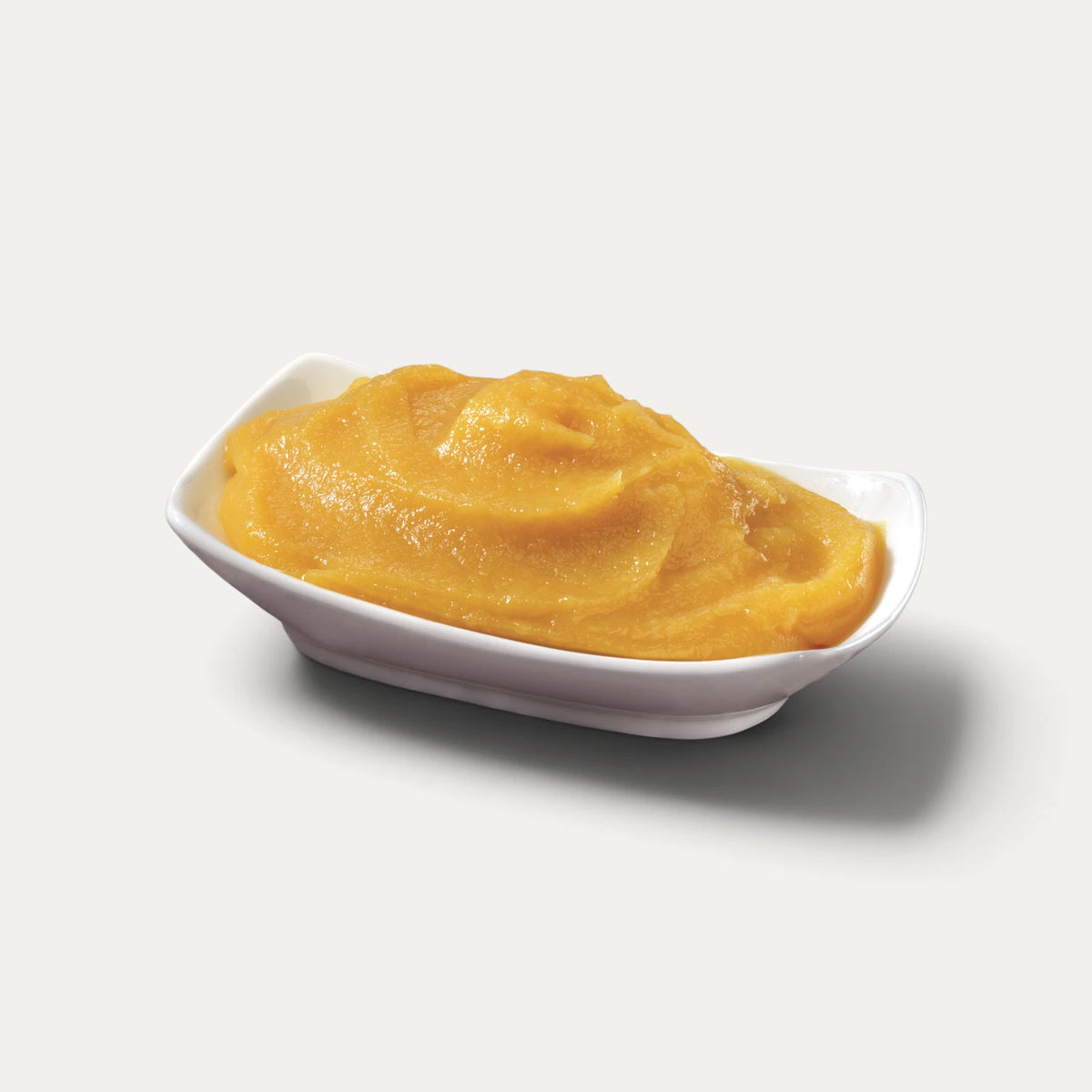
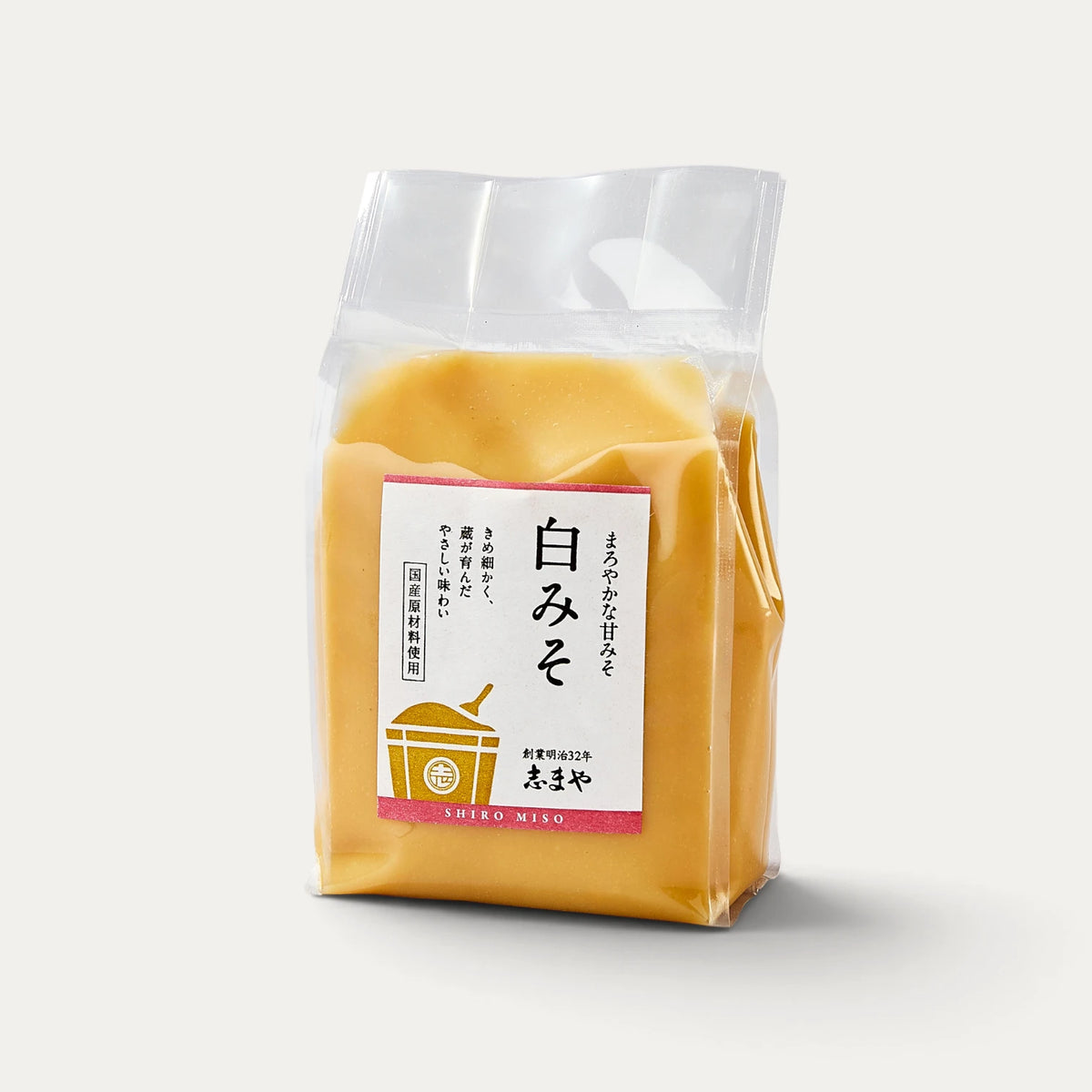
White miso paste holds an essential place in Japanese cuisine. Less fermented than red miso or country miso, white miso stands out for its mildness and slight salinity, offering a balanced and delicate flavour profile in comparison to the other two.
In its classic form, it is perfect for making the famous soup. Simply dissolve it in a hot dashi broth, then add a few cubes of tofu, wakame seaweed and a little chives. The result is a flavourful, comforting and balanced starter.
The choice of tradition at Nishikidôri
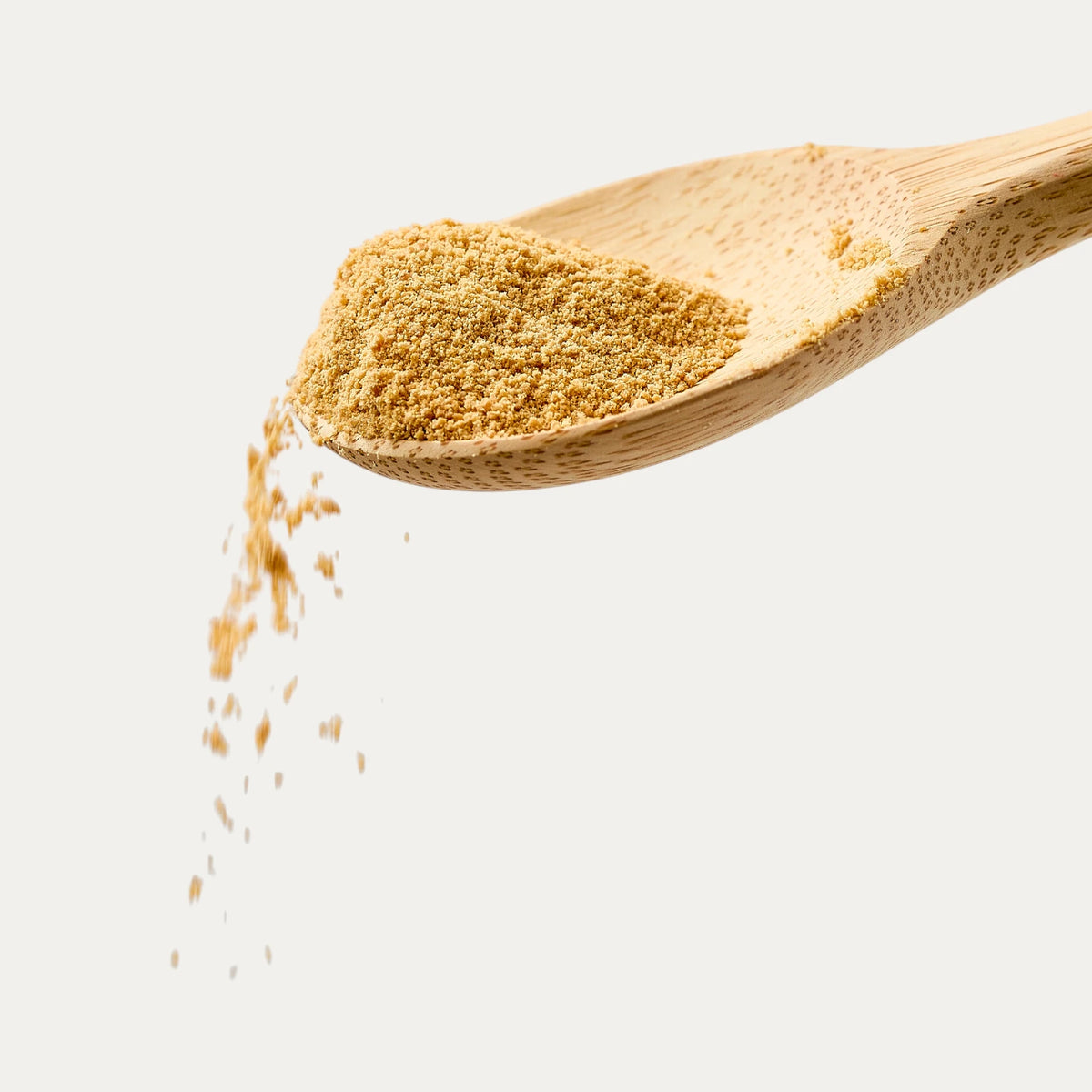
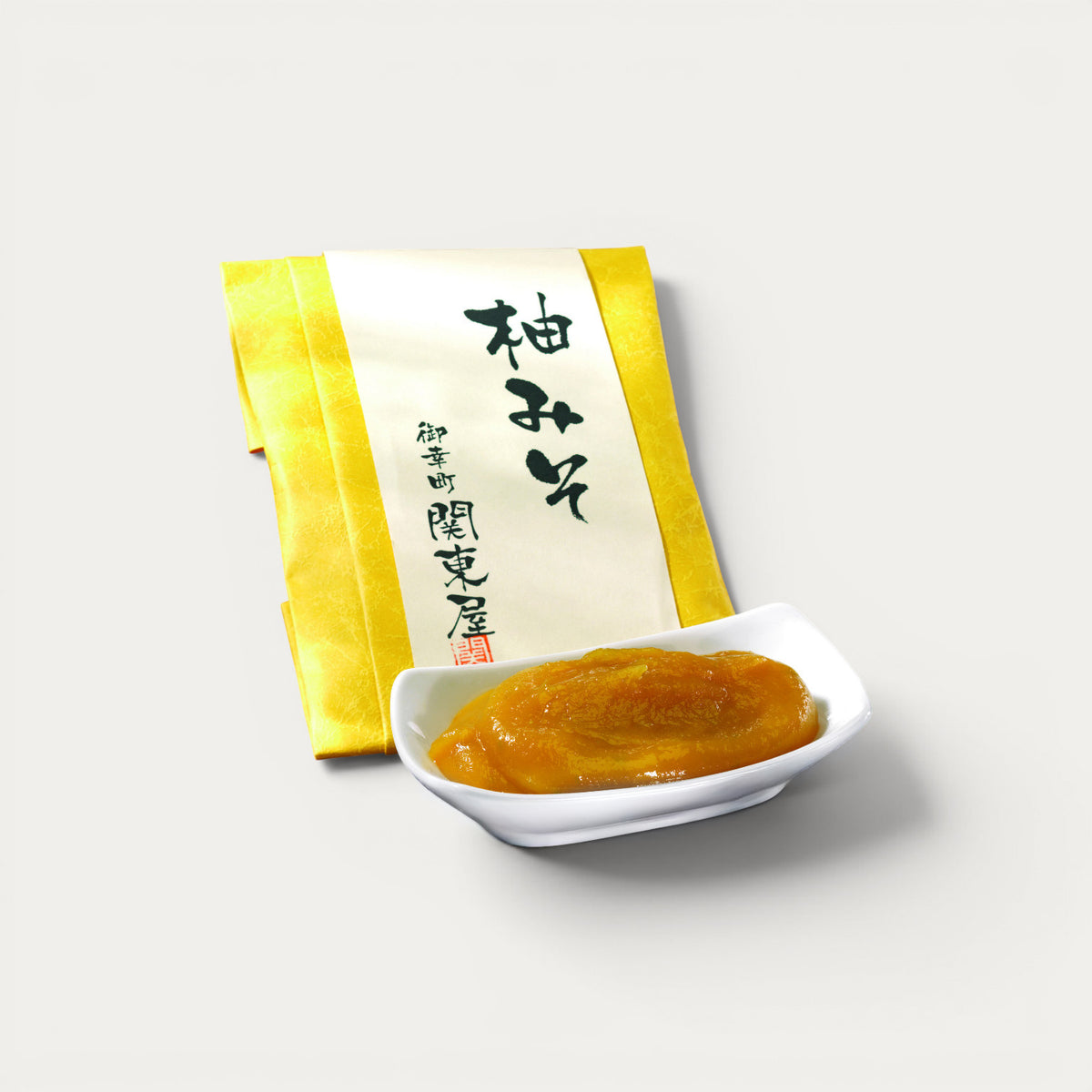
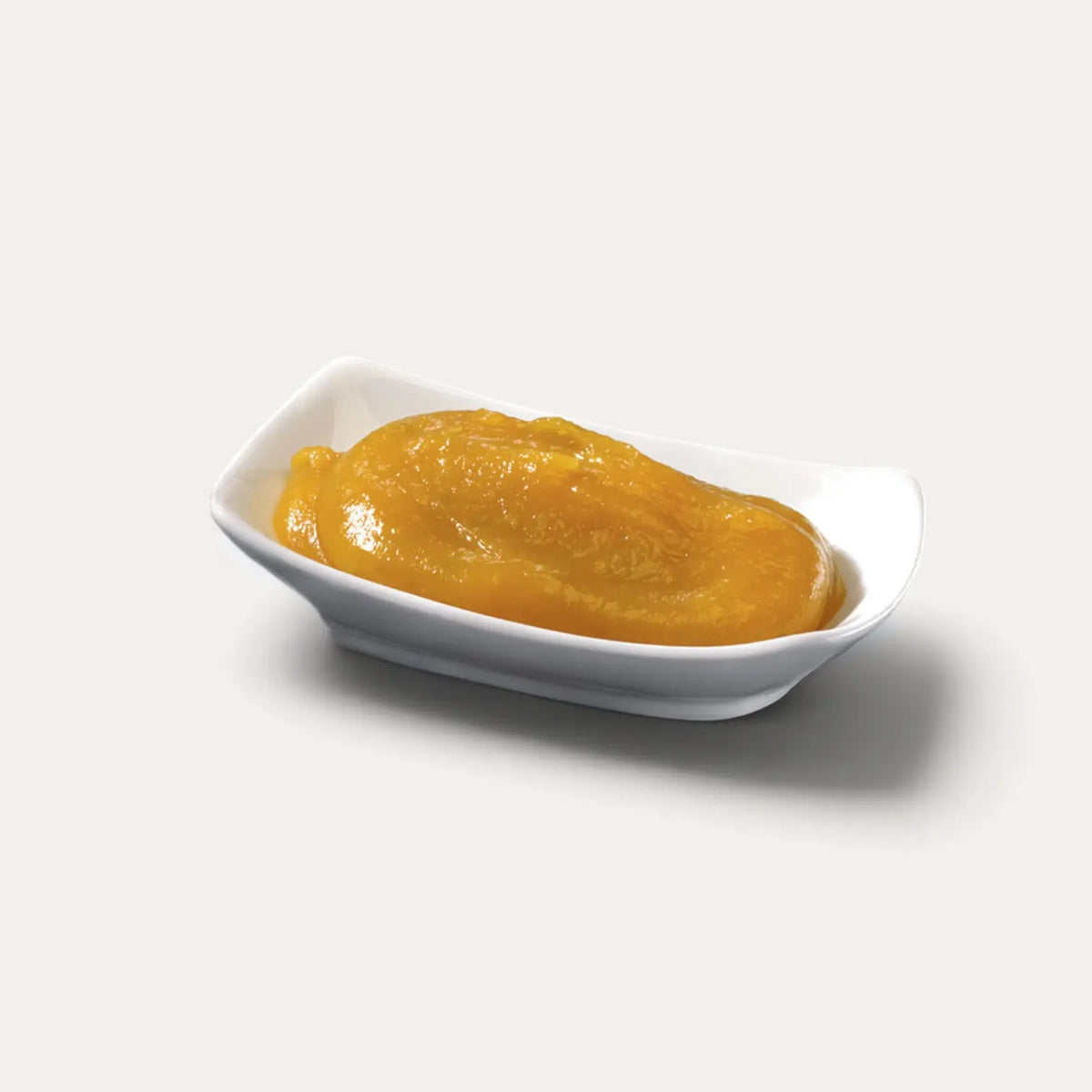
Of Japanese artisanal origin, our white misos are carefully selected from producers who perpetuate traditional fermentation methods. This ancestral expertise guarantees an authentic product with subtle and balanced aromas. Its smooth and creamy texture makes it an easy ingredient to work with, whether in soups, sauces, marinades or even desserts. Made from natural ingredients — soya, rice kôji, salt and water — they contain no additives, ensuring irreproachable purity and quality.
Use in cooking: an indispensable ally
For main courses, white miso works wonderfully as a marinade for white meats such as chicken, or delicate fish such as cod or salmon. It can also serve as the base for a mild and original Japanese vinaigrette. Mixed with rice vinegar, sesame oil, a drizzle of honey and a little water, it elevates salads of crunchy vegetables, grated cabbage or quinoa bowls.
White miso is also excellent for glazing roasted vegetables.
Added to a sauce made with honey, ginger and olive oil, it becomes an ideal glaze for aubergines or golden squash roasted in the oven. It brings an unexpected depth of flavour and a beautiful sheen.


