









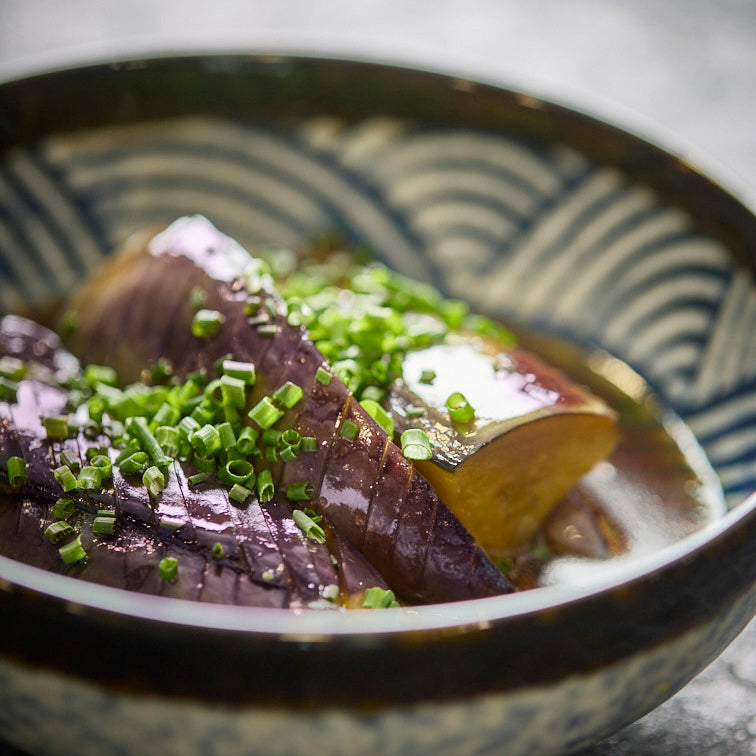

This is a true classic of Japanese gastronomy. This recipe for miso and mirin glazed aubergines captivates with its incredibly tender texture and its subtly caramelised glaze. At the heart of this preparation lies a fundamental ingredient: miso paste.
Used for centuries by master artisans, it brings that unique depth of flavour that chefs call umami. The secret to succeeding with this dish does not lie in a complex technique, but in the absolute care taken in choosing your condiments. An authentic product will transform a simple aubergine into a true gustatory masterpiece to share.
What is Nasu Dengaku, the jewel of Izakaya?
Nasu Dengaku is an unmissable dish served in authentic Izakaya, those typical Japanese bistros where tradition is expressed through sharing plates of great refinement. Historically, this preparation has its roots in the Japanese countryside, where seasonal vegetables were carefully roasted over a wood fire.
Exceptional ingredients for a perfect glaze
To achieve a mirror glaze and a majestic balance between sweet and salty, every condiment counts. Choose products from an age-old expertise rather than industrial imitations.
- An excellent white miso paste: It provides the natural sweetness and smooth texture needed as the base of the sauce.
- A true hon mirin: This sweet fortified wine is indispensable. You can find our selection of authentic mirin to guarantee a shiny and elegant glaze.
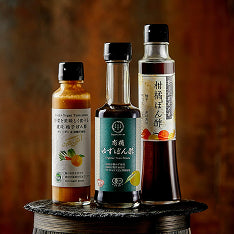
- An artisan soy sauce: A few drops of this soy sauce are enough to enhance the salty notes without masking the delicacy of the aubergine.
The choice of Miso: White (Shiro) or Red (Aka)?
| Type of Miso | Flavour profile | Ageing time | Result on the aubergine |
|---|---|---|---|
| White (Shiro Miso) | Mild, floral, delicately sweet | Short (a few weeks) | A delicate glaze that caramelises quickly, ideal for a refined starter. |
| Red (Aka Miso) | Full-bodied, notes of cocoa and roasted flavours | Long (several months to years) | A bold glaze, rich in umami, perfect for discerning palates. |
The importance of a true Hon Mirin
The step-by-step recipe for Miso and Mirin Glazed Aubergines
Preparing this dish requires patience and rigorous respect for the cooking steps in order to achieve that characteristic melt-in-the-mouth texture.
Step 1: Preparing the aubergines (the cutting technique)
- Cut the aubergines in half lengthways.
- Use the tip of a paring knife to score the flesh in a diamond pattern with deep cuts, without ever piercing the skin.
- Soak the halved aubergines in cold water for ten minutes to remove their bitterness, then dry them meticulously.
Step 2: Preparing the lacquered sauce (Miso, Mirin, Saké)
- In a small saucepan, mix two tablespoons of miso, one tablespoon of mirin, and one tablespoon of cooking sake.
- Heat over a very low heat while stirring continuously to prevent the bottom from catching.
- Allow the preparation to reduce until you obtain a smooth, coating texture, ready to caramelise.
Step 3: Cooking and caramelisation under the grill
- Brown the aubergines in a frying pan with a drizzle of neutral oil, flesh side first then skin side, until perfectly tender.
- Generously coat the flesh with your previously prepared miso glaze.
- Place under the grill in the oven for three to five minutes, watching carefully to prevent the sugar in the glaze from burning.
Tasting tips and Food & Drink Pairings
When removed from the oven, the aubergine flesh should be almost creamy, offering a true explosion of umami flavours on the palate. To perfect the presentation and add a slight crunch, sprinkle generously with toasted sesame seeds just before serving. This side dish stands on its own thanks to its aromatic richness.
Elevate your dishes with the excellence of Japanese craftsmanship
Mastering this glazed aubergine recipe depends almost entirely on the purity of the Japanese ingredients you select. The expertise of our artisan producers guarantees a result worthy of the finest starred restaurants. Do not hesitate to explore our fine food selection to discover the "Grand Cru" condiments that will transform your everyday cooking.


