
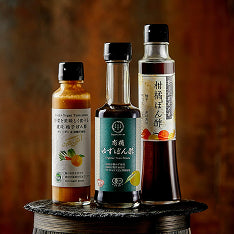



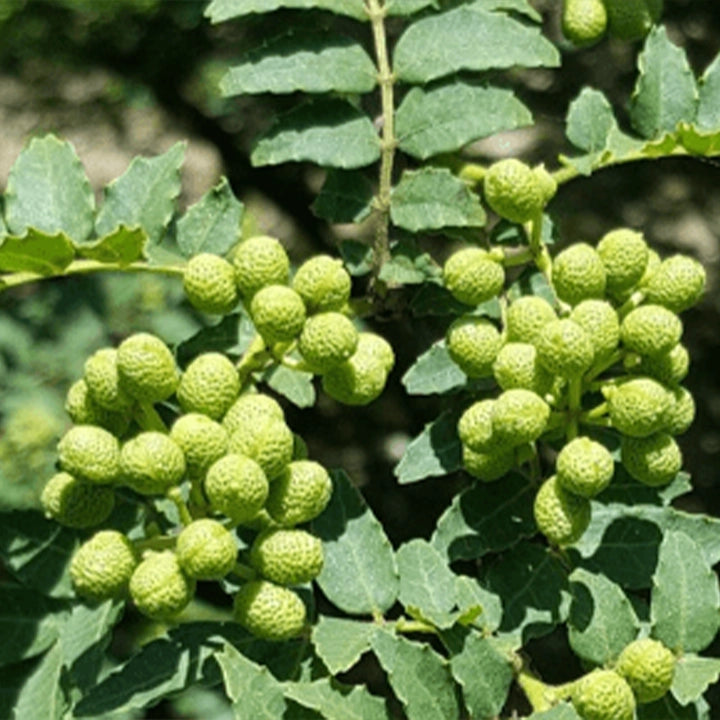






My first encounter with Kochi Prefecture took place in a yuzu orchard. I fell under the spell of this magnificent region, with its verdant mountains, its dense cedar forests, its bamboo and other tree species, its crystal-clear rivers and blue-tinted waters teeming with ayu fish.
Discovery of the Tosa Akaushi
That was already 6 years ago. Returning from the plantation after the first harvest and the preparation of our first shipment, I spotted from the road a farm where I thought I had caught a glimpse of some very beautiful blondes. Don't get the wrong idea — I'm talking about cattle.
The animals, impressively beautiful, reminded me a little of Parthenaise cattle. My yuzu supplier told me the farm belonged to his family.
The welcome was warm. To top it all off, the owner of the premises had lit a barbecue on which he was grilling a thick, beautiful flank steak of Tosa Akaushi — for that is the name of this fine beast.
Wagyu… Blonde!
Surprisingly, this is a wagyu — a blonde, like the Galician blonde for example. But this one is grain-fed (maize, triticale, barley, rice bran, dried sake lees, legumes, rice straw, ryegrass…).
The herd is very limited and has seen its numbers fall from 2,500 animals slaughtered per year to 500. In these farms, the fattened animals are slaughtered on average at 28 months, with a live weight of 700 to 800 kg and a carcass weight of 450 to 550 kg.
The Tosa Akaushi meat
The meat is surprising when you know it comes from a wagyu. It is much redder and less marbled. Its flavour is more powerful, closer to what we know. Extremely tender and juicy, it nevertheless has a very pleasant chew. Tasting it reveals notes of hazelnut and fresh butter. It lends itself particularly well to long ageing.
Much less fatty than the wagyu we traditionally know — the black, or kuroge — it would be wonderful and would win unanimous praise among the finest palates. Its weak point: its rarity. Only 550 head are available per year. Its price remains quite high, but demand is enormous and its cost does not deter purists in the slightest.
That day, I tasted grilled pork neck, ribeye, topside, and thick flank. Little fat, but an impressive juiciness. A truly great cut.


