








Nishikidôri, the Japanese gastronomy, had the immense honour of participating in the second signing of the twinning between the city of Reims and the city of Nagoya, Aichi Prefecture.
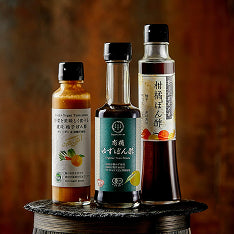
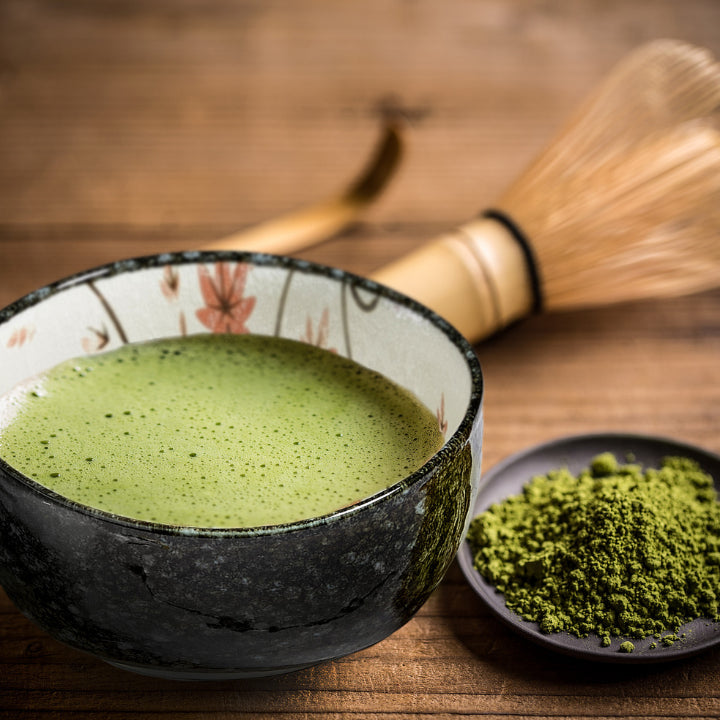
We presented Japanese cuisine and gastronomy there, with its essential products (Miso, soy, yuzu, Matcha…) as well as some of the suppliers originating from Aichi Prefecture.
May 2018: signing in Reims of the twinning with the city of Nagoya, during the International Days
Following the donation of works by the Franco-Japanese artist Foujita to the city of Reims (802 works and 15,556 documents and objects), the city wished to develop its relations with the city of Nagoya. Reims is already twinned with the cities of Los Angeles, Mexico City, Nanjing (China), Sydney and Turin. The year 2018 is the year of Japan. The first signing having taken place in October 2017 in Nagoya, it was in May 2018 that a Japanese delegation was expected in Reims for the second signing.
Nagoya: Japan's third city with recognised culinary specialities!
Nagoya is Japan's third city by area, with 9 million inhabitants, behind Tokyo, Yokohama and Osaka. Located on the Pacific coast in the centre of Honshu, it is the capital of Aichi Prefecture.
Nagoya is first and foremost known for its automotive industry. The headquarters of several Toyota Group factories are located there. Nagoya station is absolutely exceptional and holds a record: its floor area is the largest in the world. Another distinctive feature: Nagoya is well known for its culinary specialities! Tebasaki, kishimen, hitsumabushi, tenmusu, moriguchi… Are all typical dishes attributed to Nagoya.
Nishikidôri presents the red miso from Aichi Prefecture
The house of Maruya Hatcho Miso (Aichi Prefecture) has specialised in the production of miso since the 14th century. During Japan's warring period, from 1467 to 1615, this miso was served to the soldiers of Shogun (Lord) Ieyasu TOKUGAWA.
Nishikidôri has chosen the house of Maruya Hatcho Miso
The house of Maruya Hatcho Miso, established in the commune of Hatcho, Aichi Prefecture. This area was a strategic point for maritime transport as it was the crossroads of the ancient Tôkaido road, a point used by boats on the Yahagigawa river.
During the Edo period (1603–1868), it was a port that held a monopoly on the salt trade. It was therefore easy to obtain ingredients such as soy and the salt needed to produce miso, which was then delivered by maritime transport. Maruya Hatcho miso elaborates its products using ancestral methods of natural fermentation in large cedar wood barrels.
The ingredients are very simple and natural: soy, salt and water. With genuine expertise, the Master Craftsmen of Maruya mix the various ingredients in these barrels and cover them with stones to compress the mixture. Preparation begins in winter, and after 2 summers and 2 winters — in other words, 2 years or even 3 and a half years of fermentation — Hatcho Miso is finally obtained: a very firm paste with a brownish colour.
During the fermentation period, the miso works naturally without any human intervention whatsoever at any point.
Miso can be used in all kinds of dishes: it enhances the flavour of soups, sauces, vegetable dishes, salad dressings… Simply dissolve a small amount in a little water…
Not far from Nagoya, the house of Takusei delights us with its sesame-based blends…
Founded in 1977, the company TAKUSEI produces a wide range of sesame-based products — another essential element of Asian cuisines. The raw material is entirely inspected by hand to adjust the roasting parameters and guarantee the best result. As a result, production is naturally very limited but it offers consumers the pleasure of a high-quality product crafted with passion.
Historic "Best of" from the house of Takusei
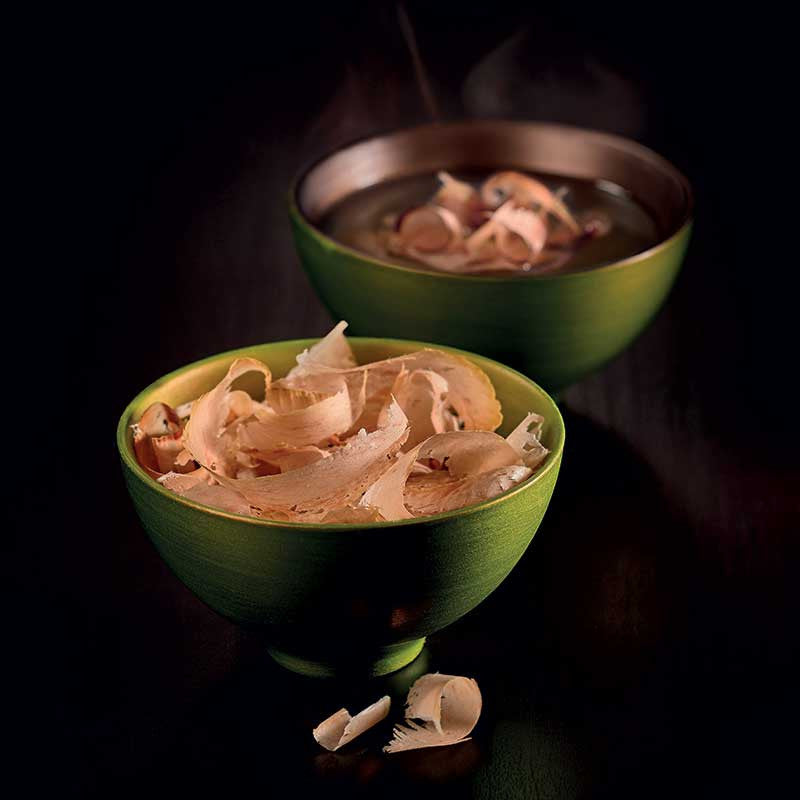
Sesame with dried bonito (katsuobushi). Large sesame seeds of the finest quality are coated with katsuobushi (dried bonito) powder. The sesame flavour is very present and pairs perfectly with the umami savour of the dried bonito. You can sprinkle it over rice, udon, soba and okonomiyaki.
Sesame and natto furikake
Ume plum sesame furikake
Sesame furikake, soy sauce, shiso condiment
Golden sesame furikake, shirasu anchovy, Amiebi shrimp
Sesame and almond furikake
Sesame and Ariake nori furikake
Sesame furikake, vegetables, ume plum.
Furikake, or sesame condiment to sprinkle, is very popular in Japan. For good reason, furikake is unrivalled for seasoning, enhancing and awakening the simplest bowl of rice. It is the very foundation of Japanese cuisine, quickly and very simply adding crunch and flavour.
YAMASHIN SANGYO: The finest flower of Japanese gastronomy!
Founded fifty-five years ago, the house of Yamashin Sangyo has cultivated quality and authenticity, first by selling agar-agar and then, since 1971, by dedicating itself to confectionery through the preparation of sakura cherry blossom leaves and flowers, highly prized by Japanese food connoisseurs. Pioneers, the master craftsmen of Yamashin Sangyo continually invent new products that go far beyond the borders of the gastronomy of the Land of the Rising Sun.
Sakura: a powerful symbol
In Japan, the sakura cherry tree is, in the same way as Mount Fuji, a major symbol that has inspired and continues to inspire many poems and works of art. It embodies on its own the idea of renewal and the arrival of spring which, every year, heralds a new school year, a new financial year, and so on.
The MIRIN from SUMIYA-BUNJIRO SHOTEN
Five hundred years ago, mirin, a sweet rice condiment wine, was consumed as a drink. Today, it brings delight and sweetness to Japanese cooking recipes… The mirin from Sumiya-Bunjiro Shoten, produced since 1911 in the purest respect for tradition, has won numerous awards at gastronomic competitions and is acclaimed by Japanese chefs and the finest connoisseurs.
Selection, tradition, climate: the alchemy of quality
In Japan, the Mikawa region, in the south of Aichi Prefecture, offers a mild climate, sticky rice and quality water, ideal for producing an exceptional mirin that remains unrivalled to this day. 100% natural, the mirin from Sumiya-Bunjiro Shoten is not sterilised, which preserves the full depth and authentic strength of its flavour.
A natural fermentation passed down by the Elders
It takes one year of patient production before the mirin from Sumiya-Bunjiro Shoten reveals all its gustatory qualities. Placed together in a barrel, the sticky rice, fermented rice "koji" and shôchû spirit (43% alcohol by volume) eventually blend together in a subtle and flavoursome alchemy with a natural, balanced and generous taste.
Nishikidôri, the essentials of Japanese cuisine
The virtues of traditional Japanese cuisine need no further telling. Its primary quality: it is delicious!
Japanese cuisine is varied, yet it is based on a few great recipes and a list of indispensable products.
Soy sauce, rice, mirin, rice vinegar, miso, matcha tea, wasabi, noodles and sesame could well win over your taste buds and from now on earn a prime spot in your cupboards!


