







Dorayaki recipe: Japanese pancakes filled with anko
Ingredients
Ingredients for dorayaki (6 servings):
- 100 g of flour
- 1/2 sachet of baking powder
- 10 cl of mirin (ref. NISMIKM2)
- 2 tablespoons of water
- 2 large eggs
- 60 g of sugar
- White bean anko paste with cherry blossom leaf (ref. NISSSG10)
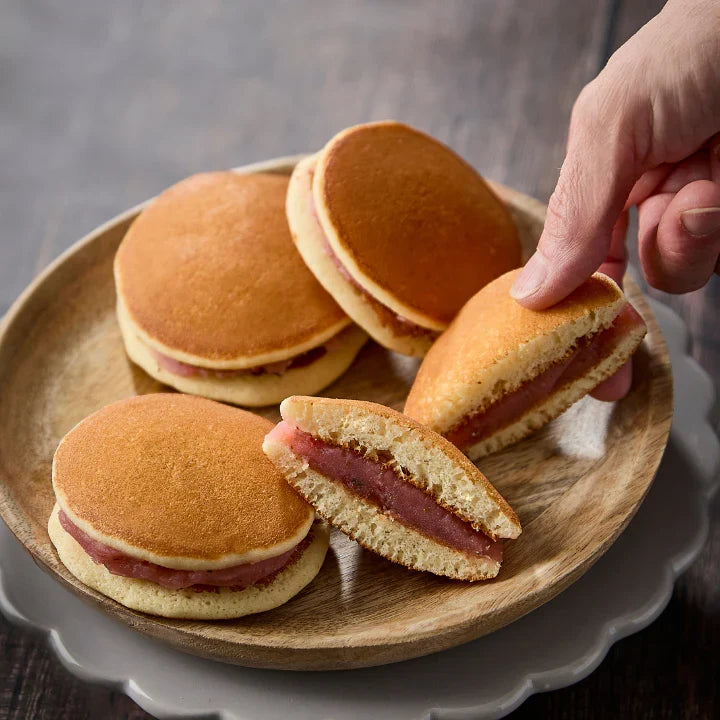
Dorayaki is a Japanese treat made from two small, fluffy pancakes filled with anko, a sweet azuki bean paste. Our dorayaki recipe takes 35 minutes and makes 6 servings.
For 6 dorayaki: beat 2 large eggs with 60 g of sugar, add 100 g of flour, 1/2 sachet of baking powder and 10 cl of mirin. Chill the batter for 30 minutes, then cook small pancakes over a low heat and fill them with anko.
A documented detail: the version made with two pancakes filled with anko is said to have been invented in the early 20th century by the Usagiya confectionery shop in Ueno, Tokyo. Naomi Kawase’s 2015 film Sweet Bean later introduced this sweet treat to a wider audience.
Popular in Japan, this wagashi is a dessert featured among our sweet Japanese recipes. Enjoy it as an afternoon snack, tuck it into a bento, or share it with children and adults alike. You can make it on a Sunday or during the week.
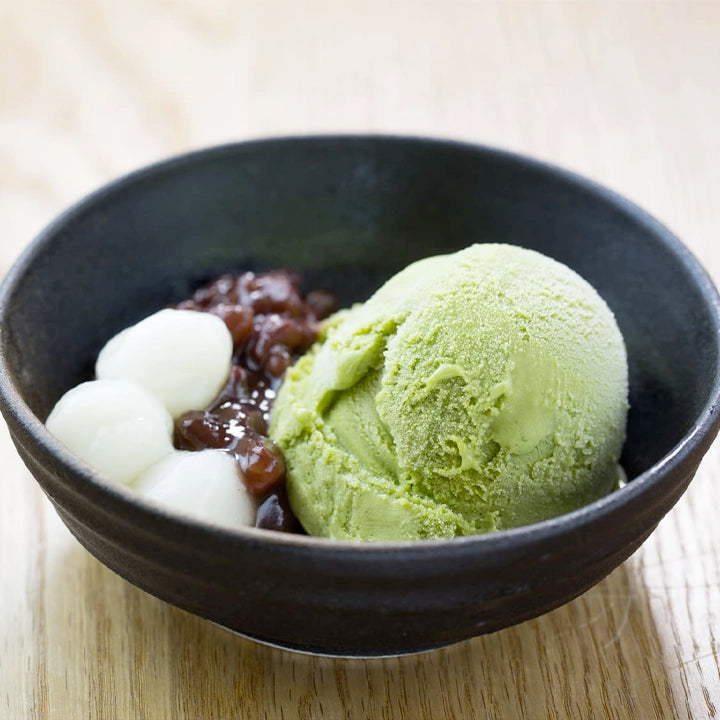
In this version, the filling is white bean anko paste flavoured with Sakura cherry blossom leaf. Traditional red bean anko works just as well. If you like bean-paste sweets, try our strawberry daifuku mochi next.
The azuki bean is the basis of most Japanese fillings. Mild and slightly sweet, it gives anko its melt-in-the-mouth texture and traditional confectionery flavour.
Explore our anko pastes and azuki beans
| What to look for | Dorayaki |
|---|---|
| Total time | 35 min |
| Servings | 6 |
| Difficulty | Easy |
| Resting the batter | At least 30 minutes in the fridge |
| Cooking | Low to medium heat, aiming for 160 °C |
| Filling | Anko paste of your choice |
What ingredients do you need for dorayaki?
For 6 servings, you need 100 g of flour, 2 large eggs, 60 g of sugar, 1/2 sachet of baking powder, 10 cl of mirin and 2 tablespoons of water, plus anko paste for the filling.
- 100 g of flour
- 1/2 sachet of baking powder
- 10 cl of mirin (ref. NISMIKM2)
- 2 tablespoons of water
- 2 large eggs
- 60 g of sugar
- White bean anko paste with cherry blossom leaf (ref. NISSSG10)
Flour forms the base of the batter. NIPPN wheat flour designed for gyoza, okonomiyaki, tempura and dorayaki works well here. Eggs provide texture, while sugar and mirin add sweetness. Mirin is a sweet Japanese rice-based seasoning.
Many recipes combine sugar and honey, often using 2 tablespoons of honey. Some replace the baking powder with bicarbonate of soda. Others sift the baking powder and salt with the flour. Our recipe is deliberately simple: mirin and sugar are enough, with no salt, to make fluffy, lightly golden pancakes.
How do you make dorayaki?
Whisk the eggs and sugar, add the mirin and flour, and leave the batter to rest for 30 minutes. Cook small pancakes over a low heat, fill them with anko and serve straight away.
Preparing the dorayaki batter
- Mix the flour and baking powder, then sift them once or twice into a large mixing bowl.
- Then mix the mirin and water.
- Break the eggs into another mixing bowl and beat them lightly with a whisk for 10 to 15 seconds. Add the sugar and continue whisking until it dissolves and the egg mixture lightens (about 2 to 3 minutes by hand).
- Add the mirin mixture and flour all at once. Whisk until the batter is smooth and lump-free. It should be a little thick, but not too runny. Cover the bowl with cling film and refrigerate the batter for at least 30 minutes.
Cooking the Japanese dorayaki pancakes
- Heat a pancake pan over a low to medium heat for about 5 minutes (aiming for 160 °C). Brush the surface with a little oil.
- Pour the batter from 20 cm above the pan to form a circle 7 to 8 cm in diameter. Cover with a heatproof lid and cook over a low heat.
- When bubbles appear on the dorayaki’s surface (after 45 seconds to 1 minute), quickly turn it with a spatula.
- Cook for 25 to 30 seconds, until the underside is lightly golden.
- Do not overcook the dorayaki. Turn it when a ring of bubbles appears around the edges and the centre looks moist but set.
- When ready to serve, spread a 2 mm layer of anko paste on one dorayaki pancake and top with a second pancake.
Repeat and serve straight away.
How long it takes for bubbles to appear depends on the pan and the cooking heat. It is best to watch the pancake’s surface. If you are not serving the dorayaki immediately, cover them with a slightly damp cloth to stop them drying out.
How do you make good dorayaki batter?
For good dorayaki batter, sift the flour and beat the eggs and sugar until the mixture lightens. Mix until smooth, then chill the batter before cooking it over a low heat.
- Sift the flour and baking powder once or twice to keep the batter light.
- Beat the eggs and sugar until the sugar dissolves: whisking by hand, the mixture will lighten after 2 to 3 minutes.
- The batter should be evenly mixed: smooth and lump-free, a little thick but not too runny.
- Rest for at least 30 minutes in the fridge, with the bowl covered in cling film.
- Heat the pan over a medium heat, then cook over a low heat with a little neutral oil.
- For an even pancake, pour the batter from a height of 20 cm: it will spread into a circle 7 to 8 cm across.
- Turn the pancake as soon as bubbles appear on its surface.
Watching the surface of the pancake is more reliable than following a stated cooking time: this technique makes the difference between a dry pancake and a fluffy dorayaki.
What fillings can you use for dorayaki?
The classic dorayaki filling is anko, a sweet paste made from red azuki beans. Other options include white bean anko, jam, cream or fresh fruit.
| Filling | Taste and texture | Ideal for |
|---|---|---|
| Chunky red bean anko (tsubuan) | Rustic texture and pronounced bean flavour | The traditional version |
| Smooth anko (koshian) | Smooth, melt-in-the-mouth texture | A more delicate filling |
| White bean anko with Sakura cherry blossom leaf | A gentle floral note | This recipe’s version |
| Jam | Fruity and more tangy | A quick version with your choice of flavour |
| Custard or fresh fruit | Creamy or fresh | A dorayaki to serve straight away |
| Yuzu | Citrus note | Yuzu dorayaki with yuzu jam or purée |
You can also prepare azuki beans at home. Soak them, then cook them for a long time in a saucepan before adding sugar. Ready-to-use anko paste saves you this step. Find our azuki beans and anko pastes in the online shop, then spread on your chosen filling.
Where do dorayaki come from?
Dorayaki is a Japanese sweet treat. Its name comes from ‘dora’, meaning gong, and ‘yaki’, meaning grilled. According to legend, it originated as a cake cooked on a gong.
Several stories surround its origins. One says that a warrior named Benkei left his gong with a farmer, who used it to cook a cake. Another places the invention of dorayaki as we know it at the Usagiya confectionery shop in Ueno, Tokyo, in the early 20th century.
Dorayaki is now part of Japanese culture. Doraemon, the blue robot cat from manga and cartoons, loves it. Naomi Kawase’s 2015 film Sweet Bean also helped bring it to wider attention in France.
In Japan, dorayaki are enjoyed as a snack, for breakfast or in the afternoon, often with green tea or coffee. You can find them in confectionery shops and supermarkets alike.
How do you eat a dorayaki?
Eating a dorayaki is a simple yet delicious pleasure. Just hold it in your hand and take a bite, like a small, fluffy cake. The sweetness of the anko paste and the lightness of the pancakes are a treat for the taste buds. Although delicious on its own, a red bean dorayaki pairs beautifully with a cup of Japanese green tea. The tea’s subtle flavour balances the sweetness of the anko paste and enhances the experience. In Japan, dorayaki is often eaten as a snack or for breakfast. Serve it with fresh fruit or even small Japanese sweets such as mochi for a light but tasty meal.
Savour its sweetness and subtle aroma, especially if you have added anko paste with Sakura cherry blossom leaf, which brings a lovely floral note.
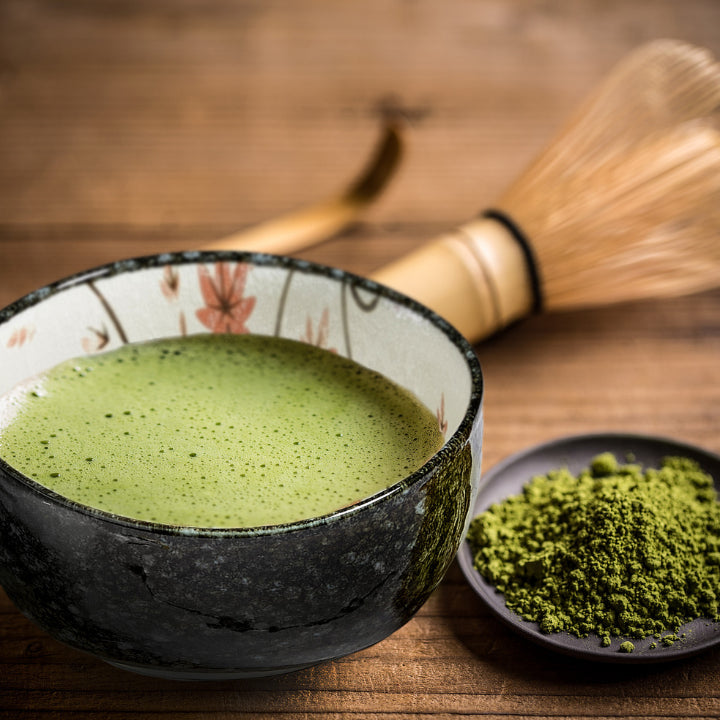
Serve it on a plate with matcha tea, or share a few dorayaki as an afternoon snack.
How should you store dorayaki?
Dorayaki are best eaten on the day they are made. Wrapped individually in cling film, they keep in the fridge for up to 2 days. They can be frozen for up to 1 month.
To keep them soft, wrap each dorayaki in cling film or store them in an airtight container. Otherwise, the pancakes may dry out.
If refrigerated, take them out a few minutes before eating so they regain their softness. Store opened anko paste in a sealed container in the fridge, following the storage period on the packaging.
Where can you buy dorayaki and their ingredients?
For homemade dorayaki, find the ingredients at a Japanese grocer: anko paste, azuki beans, mirin and wheat flour. Nishikidôri sells them in its Paris shop and online.
Looking for dorayaki in a confectionery shop or supermarket? Making them yourself takes just 35 minutes, and you get to choose the filling.
The Nishikidôri shop is at 6 rue Villédo, 75001 Paris. You can also order online: delivery to a collection point is free on orders of €80 or more in mainland France.
To make this recipe, you simply need mirin, anko paste and flour. Give it a go: it is a simple, delicious and authentic Japanese recipe.
Frequently asked questions about dorayaki
How many dorayaki does this recipe make?
The recipe makes 6 servings: 6 dorayaki, each 7 to 8 cm in diameter and made from two pancakes.
Can you replace anko with jam?
Yes. Choose whichever filling you like: red or white anko, jam, cream or fresh fruit.
Can you use ready-to-use anko paste?
Yes. Ready-to-use anko paste saves you from soaking and slowly cooking the azuki beans.
Can you freeze dorayaki?
Yes, for about 1 month, with each one wrapped in cling film.


