












Seaweed












SEAWEED FAQ
What are the health benefits of Japanese seaweeds?
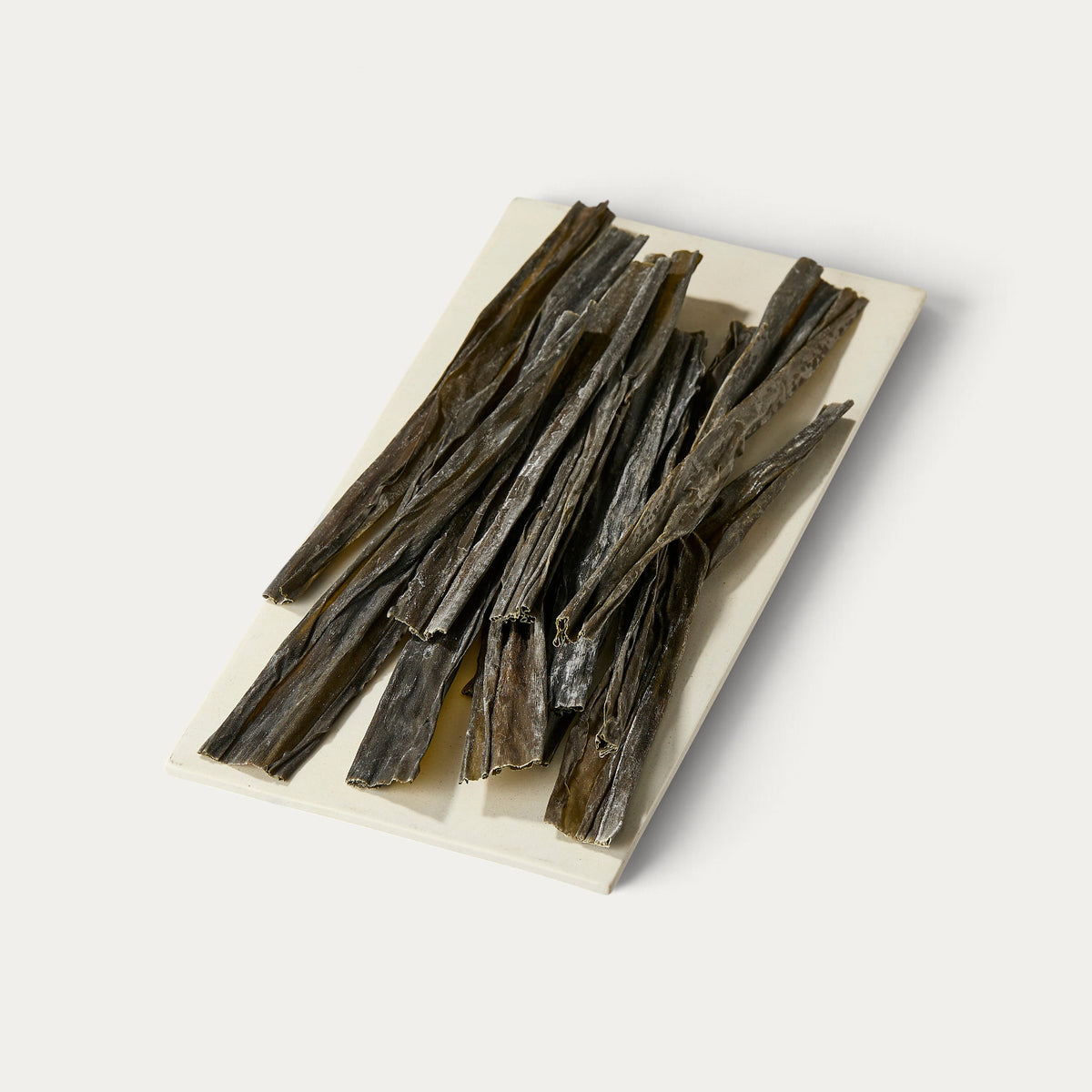
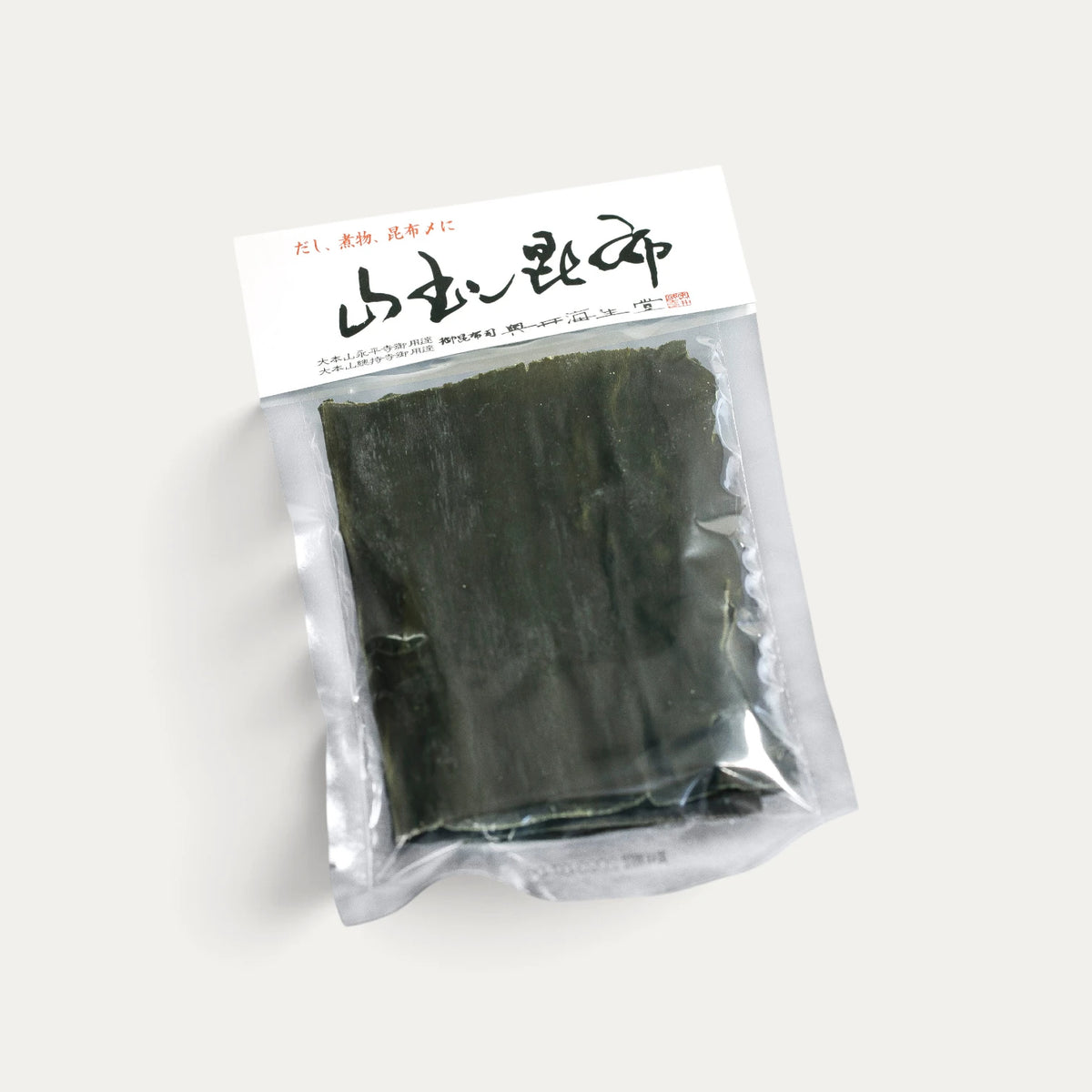
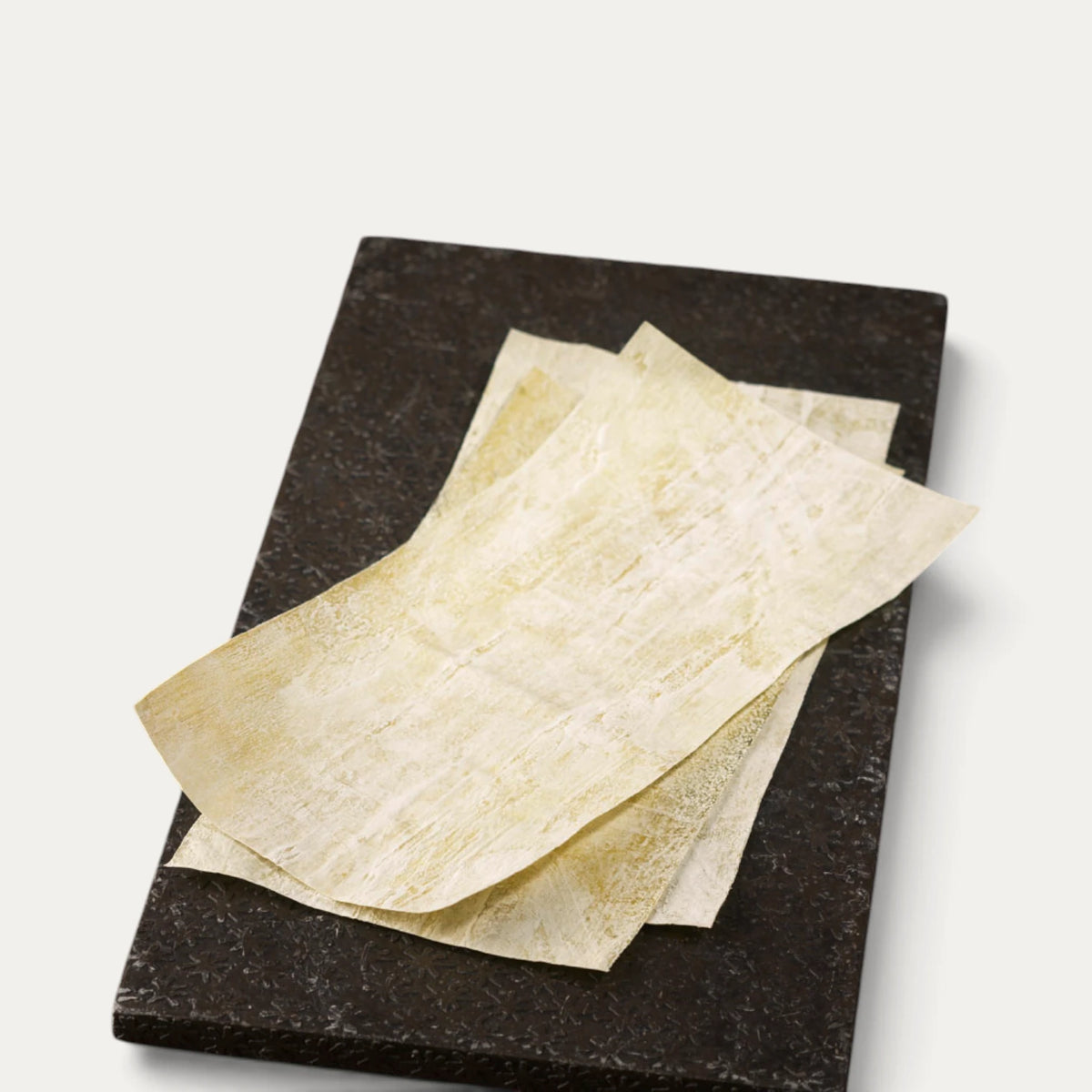
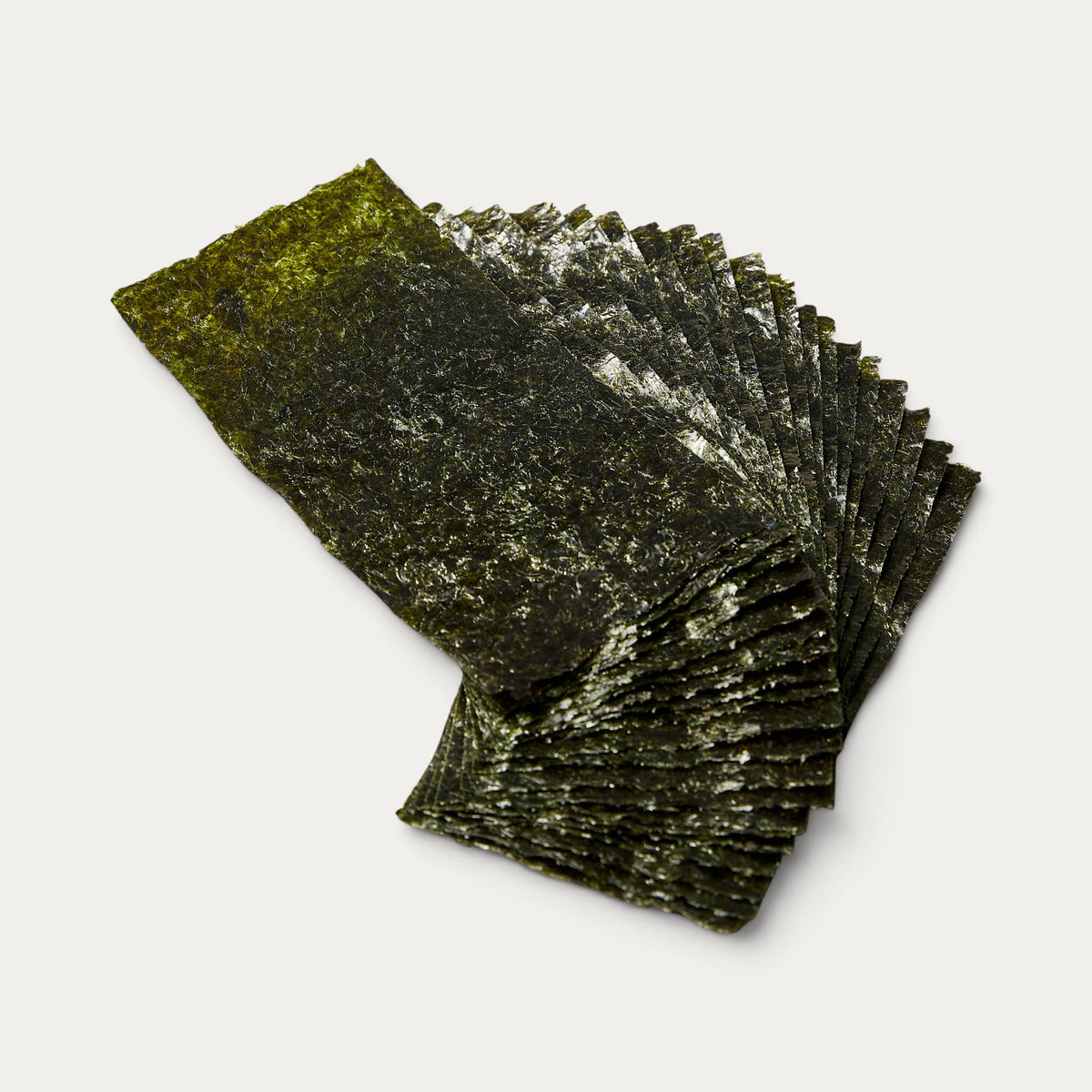
Japanese seaweeds contain vitamins A, B and C and numerous minerals. Green seaweed stands out for its magnesium content and its anti-inflammatory properties. Red seaweed is recognised for its moisturising, mineralising, anti-ageing, slimming and draining properties. Brown seaweed is antioxidant and detoxifying. Nori seaweed is rich in iron, amino acids and proteins.
In Japan, spirulina is consumed dried, or in powder or capsule form. Japanese seaweeds are rich in minerals, vitamins and proteins.
Which seaweeds can you eat?
The Nishikidôri selection of Japanese seaweed features only edible varieties with recognised health benefits.
Is eating Japanese seaweed good for your health?
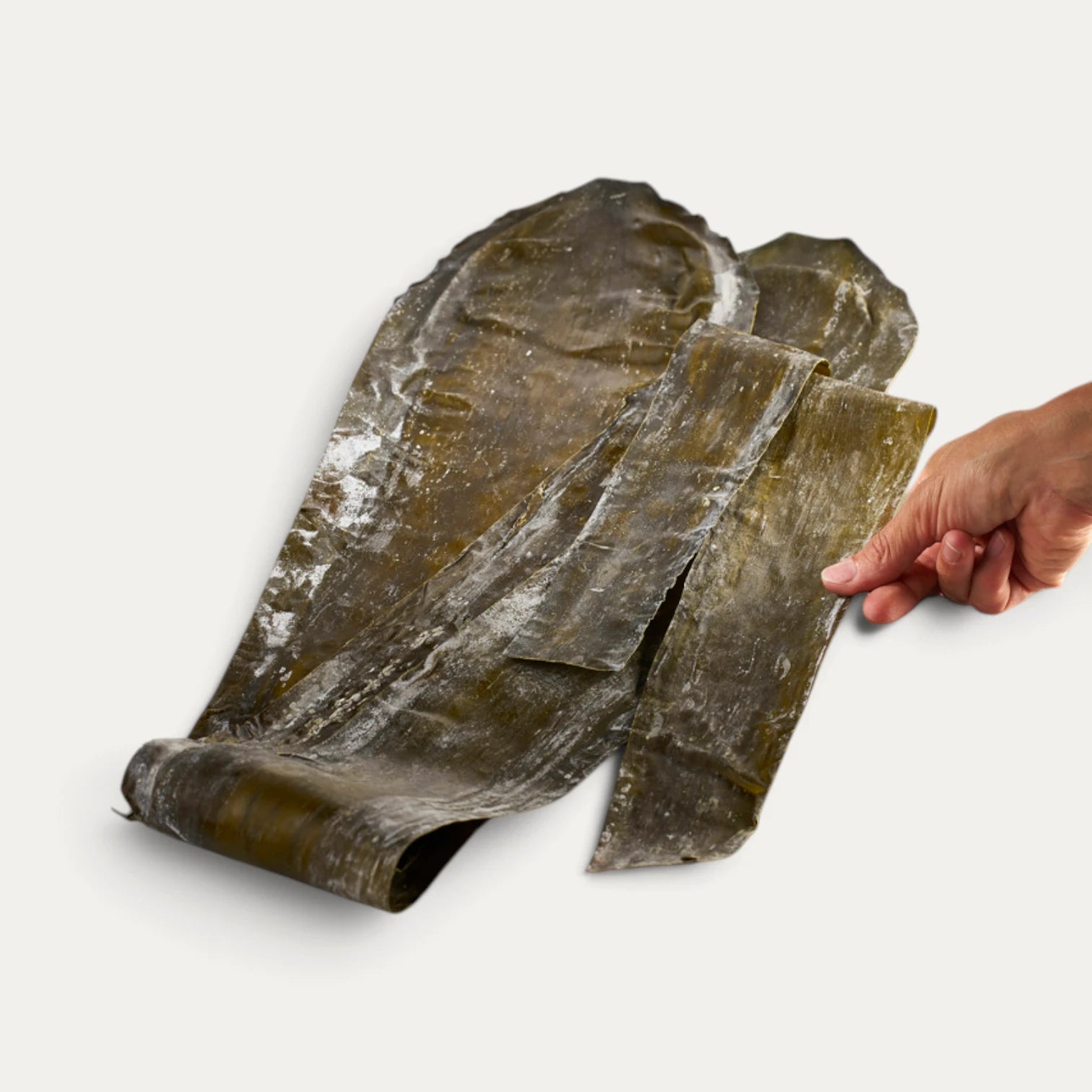
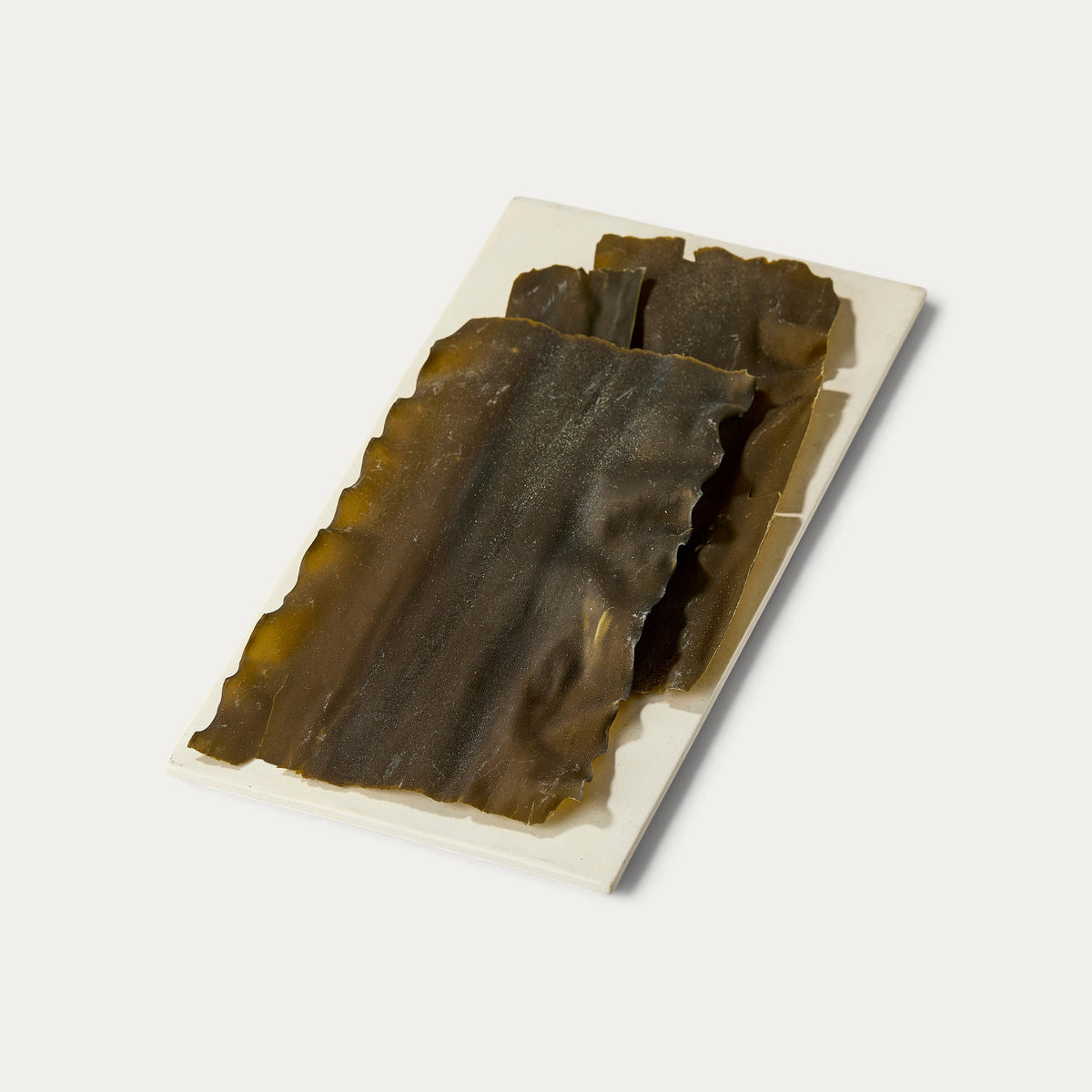
These various edible seaweeds with their many benefits are also very low in calories and contribute to a healthy cuisine. In Europe, these seaweeds are most often sold dehydrated. A few minutes will be enough to rehydrate them and restore all their iodine-rich, Umami-infused flavours to these jewels of the sea.
How are Japanese seaweeds eaten?
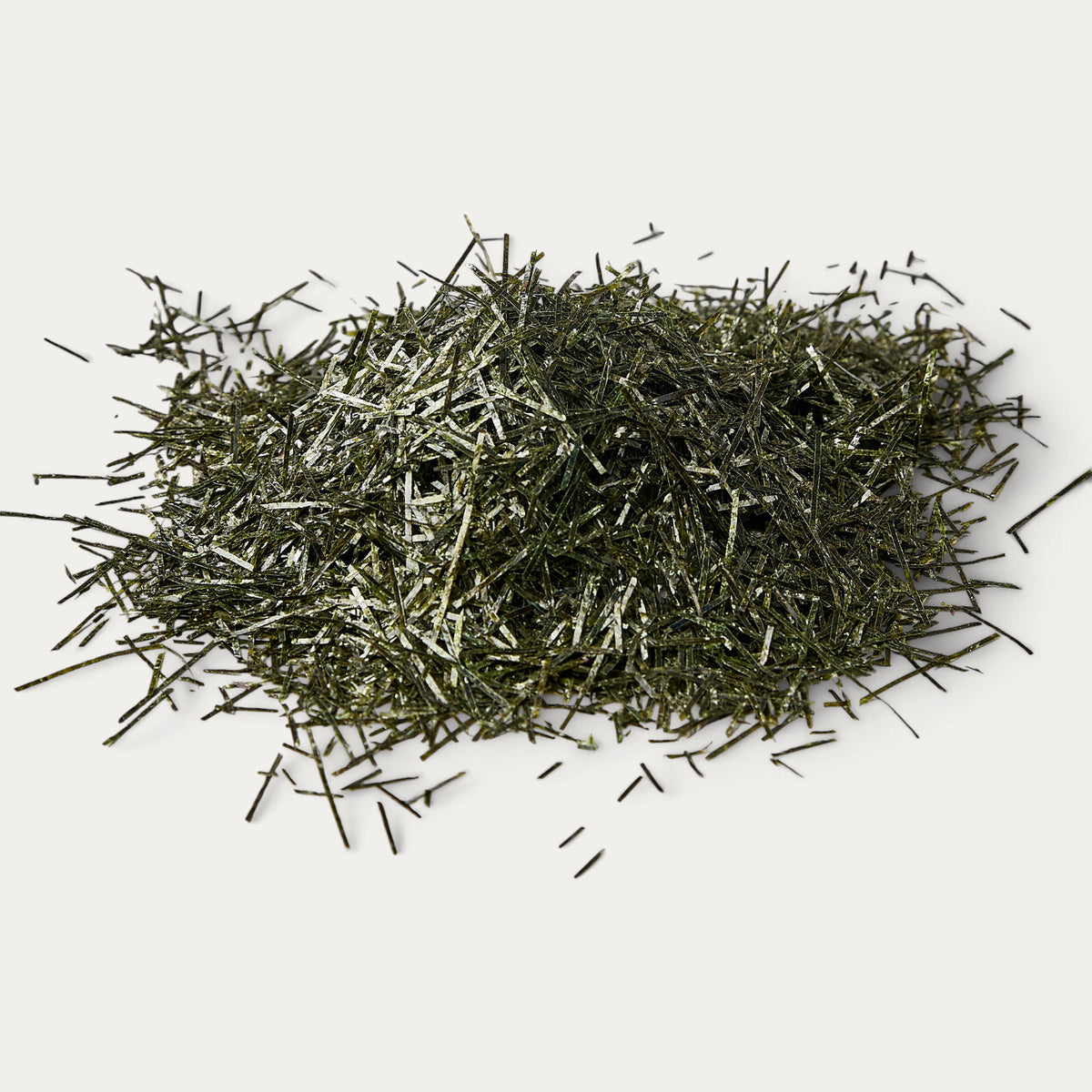
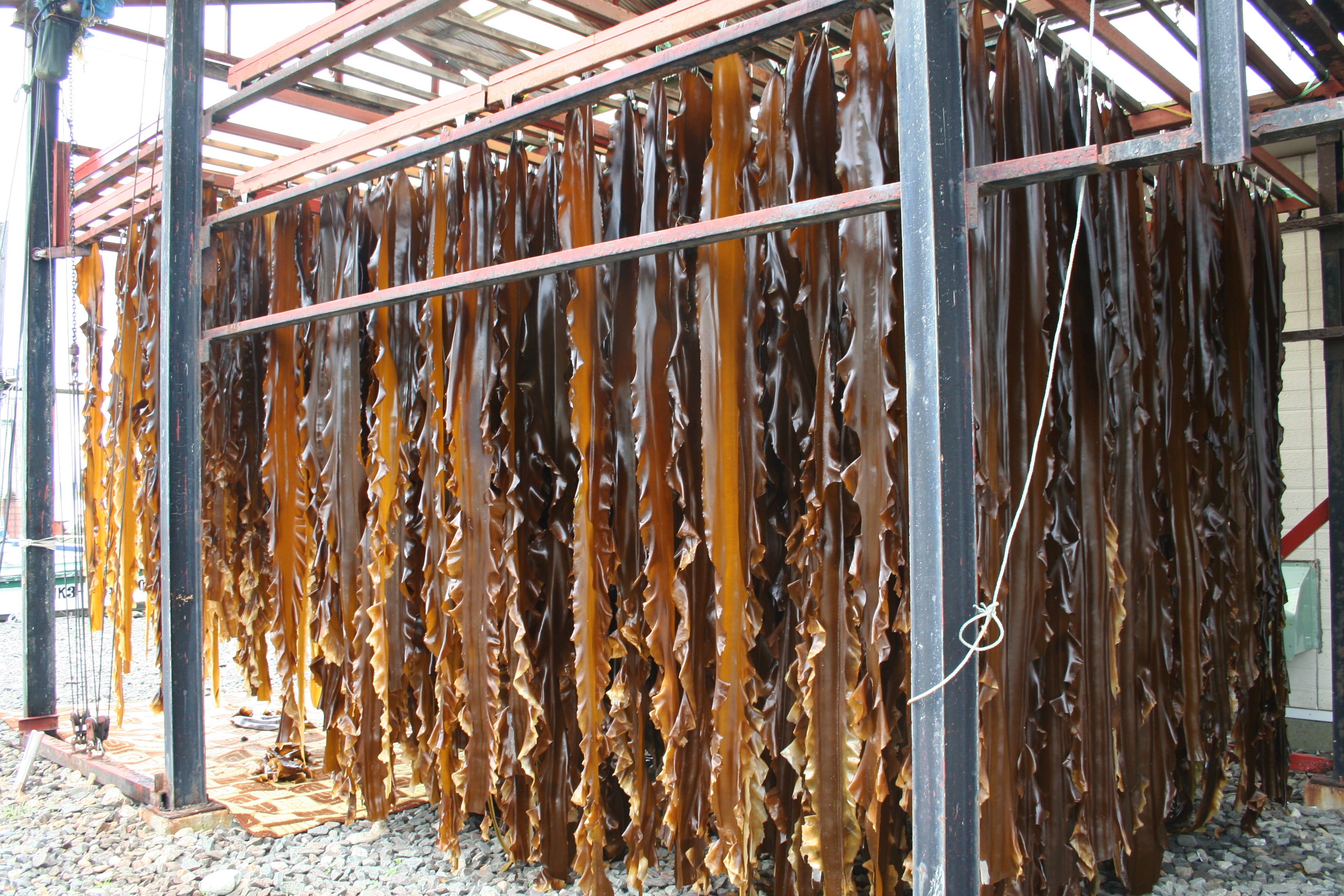
Discover our selection of seaweed in sheets for making your sushi; in powder form to enhance your preparations; in flakes to season your dishes and creations; or wild, naturally dried and matured for rich Umami broths


