












Panko
What is panko breadcrumbs?
Panko: the essential crispy Japanese breadcrumb in cooking
Panko is an essential Japanese breadcrumb in Japanese cuisine, known for its exceptionally crispy texture. Unlike traditional breadcrumbs made from ground dried bread, panko is made from crustless white sandwich bread, cooked using an electric current to obtain a very airy crumb. This unique cooking method gives rise to a light, crunchy panko breadcrumb that is ideal for fried dishes.
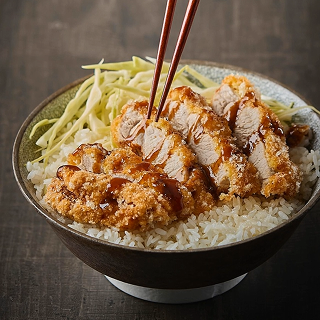
Originally from Japan, panko is now widely used in many recipes, particularly for dishes such as tonkatsu, a breaded and fried pork cutlet, or katsu, which can also be prepared with fish. Thanks to its golden crust and crunchy texture, this breadcrumb offers a unique taste experience and a delicate flavour. Panko is also perfect for coating vegetables or cheeses, bringing an incomparable texture to fried dishes.
Panko breadcrumb also stands out for its ability to absorb less oil than classic breadcrumbs, making preparations lighter. Composed mainly of wheat flour, water and yeast, it produces a supple dough which, once cooked, forms a thin yet thick and airy crust.
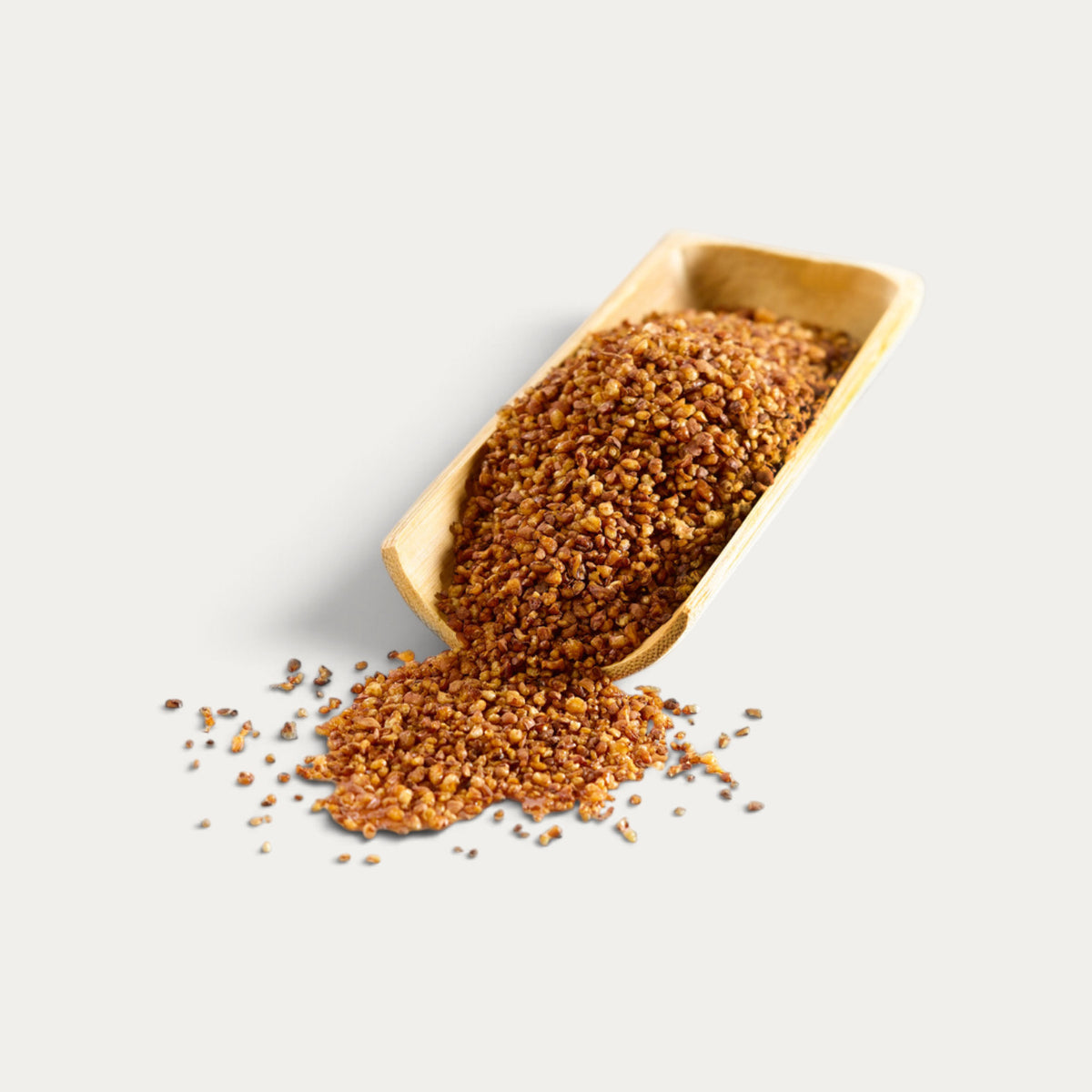
Increasingly used by chefs and cooking enthusiasts around the world, this breadcrumb is now available in many specialist shops. It is particularly useful for adding crunch to your dishes, and comes in various shades, from light yellow to brown, depending on the cooking time.
For example, if you are looking for an alternative to traditional breadcrumbs for a crunchier preparation, panko stands out as a quality choice. Its use in Japanese cuisine has continued to grow, and it is gradually becoming a key ingredient beyond the borders of Japan.
In recent years, other panko breadcrumbs have emerged, made from rice or soy, in order to offer a gluten-free experience. More expensive, they nevertheless have the advantage of absorbing far less oil than traditional panko breadcrumbs.


