










Curry


What is Japanese curry?
Curry was introduced to Japan at the end of the nineteenth century by the British. In reality, at the time it consisted of Western stews mixed with curry powder.
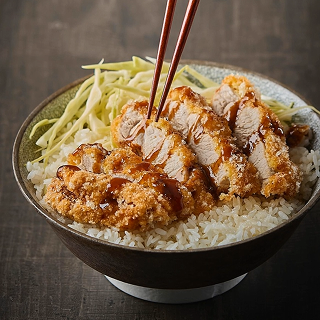
The Japanese have adapted curry into their own version, in 3 major forms: curry rice, karē udon (curry udon) and karē-pan (small fried curry buns). Japanese curry is now present in every Japanese household, restaurant and catering establishment. However, it differs quite significantly from most other curries in the world, owing to its thicker consistency and its sweet and savoury flavour.
The mellow notes come from onions, carrots, honey and apple pulp.
There are many variations of Japanese curry, depending on the region and household, but the most basic version uses chicken. Its defining characteristic comes from the roux used in its preparation.
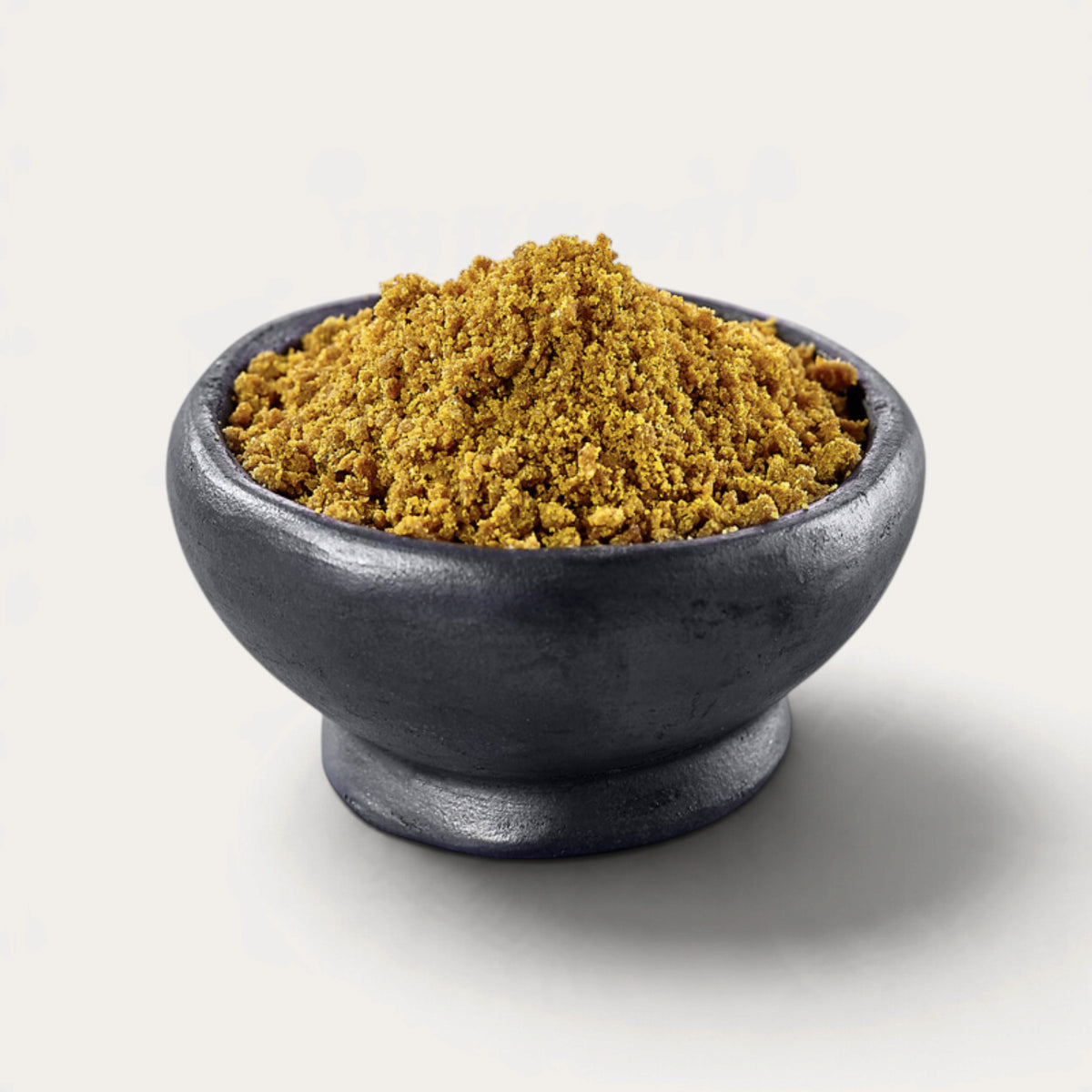
The curry roux gives the dish a unique depth of aromatic spice flavours and creaminess. Each brand of curry roux generally offers three levels of spiciness: mild, medium or hot, but the heat level is far from as intense as that of Thai or Indian curry.
You can add your own creative twist to Japanese curry by adding mashed banana, orange or apricot marmalade, yoghurt, butter, chocolate, sake…


