












Traditional Recipe: Vegetarian Miso Ramen (Umami Broth)
Ingredients
- An unpasteurised miso paste: Naturally fermented, it retains all its complex aromas and probiotic benefits.
- A artisan soy sauce : Choose a shoyu aged in a cedar barrel to add subtly woody notes.
- Tahini or Japanese white sesame paste (Neri Goma): This is the textural element that will bind your broth.
Traditional Recipe: Vegetarian Miso Ramen (Umami Broth)
Creating a truly authentic Japanese broth without any animal protein is often seen as a complex culinary challenge. Yet this vegetarian miso ramen recipe proves that gastronomic excellence can be perfectly expressed through the plant world. The secret lies in mastering Japanese fermentation techniques and using absolutely top-quality condiments.
Rather than trying to imitate the texture of an industrial meat-based broth, we invite you to elevate natural ingredients. At the heart of this comforting bowl lies an authentic miso paste, aged using centuries-old methods. Combined with a high-quality dashi, it offers an unparalleled aromatic depth for a tasting experience worthy of the finest Tokyo counters.
The secret of a vegetarian broth rich in Umami: the Shojin Dashi
Crafting an exceptional vegan broth is not something you improvise. It draws its roots from Shojin Ryori, the traditional cuisine of Japanese Buddhist monks. Over the centuries, they developed remarkable techniques for extracting deep flavours without using meat or fish.
The key to this alchemy rests on two noble elements: kombu seaweed from Hokkaido and dried shiitake mushrooms. Together, they create a powerful dashi, the true backbone of your vegetarian ramen.
The fine grocery ingredients for your Ramen
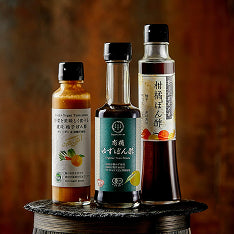
To prepare your Tare (the concentrated aromatic base placed at the bottom of the bowl), it is essential to select Japanese ingredients of the highest purity. Western stock cubes would undermine the elegance of this dish.
-
An unpasteurised miso paste: Naturally fermented, it retains all its complex aromas and probiotic benefits.
-
An artisanal soy sauce: Opt for a shoyu aged in cedar barrels to bring subtly woody notes.
-
Some tahini or a Japanese white sesame paste (Neri Goma): This is the texturing element that will bind your broth.
The crucial choice of Miso: Shiro, Aka or Awase?
|
Type of Miso |
Flavour Profile |
Appearance in the ramen broth |
|
Shiro (White Miso) |
Mild, creamy, low in salt |
Delivers a milky and light broth. Ideal for a spring ramen. |
|
Aka (Red Miso) |
Intense, roasted notes, long ageing |
Delivers a powerful, full-bodied and very salty broth. Perfect for winter. |
|
Awase (Mixed Miso) |
Balanced, complex, harmonious |
The ideal compromise of Chefs. A perfect balance between delicacy and character. |
The secret touch: Sesame paste and soy sauce
Chef's Tip:
One of the greatest challenges of vegetarian ramen is the lack of richness and body in the broth (usually provided by pork fat). To remedy this, incorporate a generous spoonful of sesame paste (Neri Goma) mixed with your soy sauce when creating your base (Tare). The sesame will bring an incomparable velvety texture.
The step-by-step recipe for Vegetarian Miso Ramen
Respecting the order of preparation and cooking temperatures is essential. Fresh ramen noodles rarely wait; it is the broth that must welcome them immediately after cooking.
Step 1: The slow infusion of the Dashi broth
-
In a large saucepan, place a good piece of kombu and a handful of dried shiitake in one litre of cold water.
-
Leave to infuse for a minimum of two hours, ideally overnight in the refrigerator for optimal aromatic development.
-
Bring to a gentle simmer over very low heat. Remove the kombu without fail just before it reaches a full boil, or the broth will turn bitter. Leave the shiitake to infuse for a few more minutes.
Step 2: The Miso Base (Tare)
-
At the bottom of each serving bowl, place two tablespoons of miso of your choice and a spoonful of sesame paste.
-
Add a drizzle of soy sauce, a dash of mirin and a touch of freshly grated garlic or ginger paste.
-
Mix vigorously to create a smooth paste. Just before plating, dilute this base with the very hot dashi.
Step 3: Cooking the noodles and perfect assembly
-
Bring a large volume of water to the boil (separate from the dashi). Add your noodles.
-
Cook according to the instructions (generally one to two minutes) in simmering water to maintain a firm texture (al dente).
-
Pour a ladle of boiling dashi into your bowls containing the Tare, whisk, then drain the noodles thoroughly and gently lower them into this rich broth.
Which toppings will elevate your bowl?
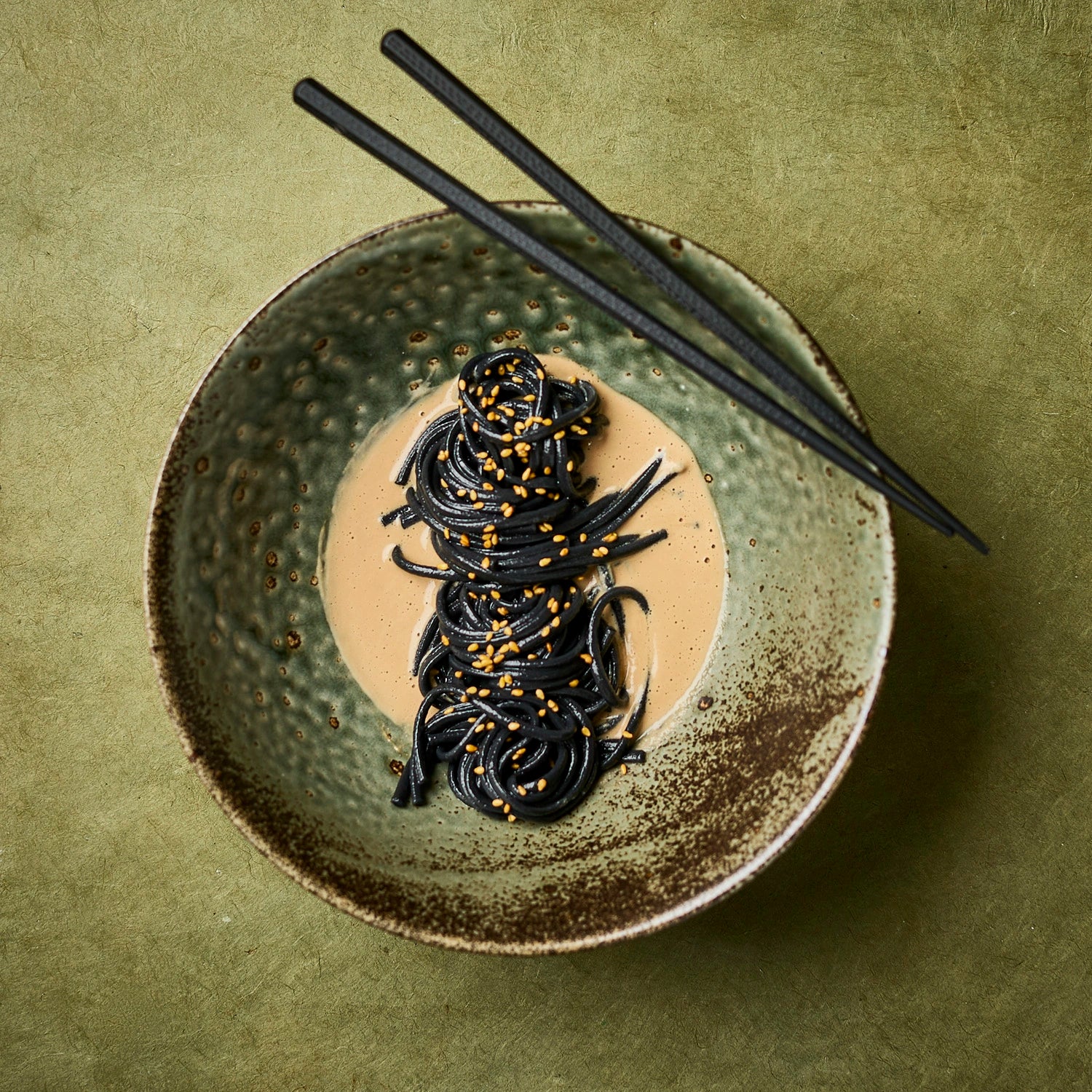
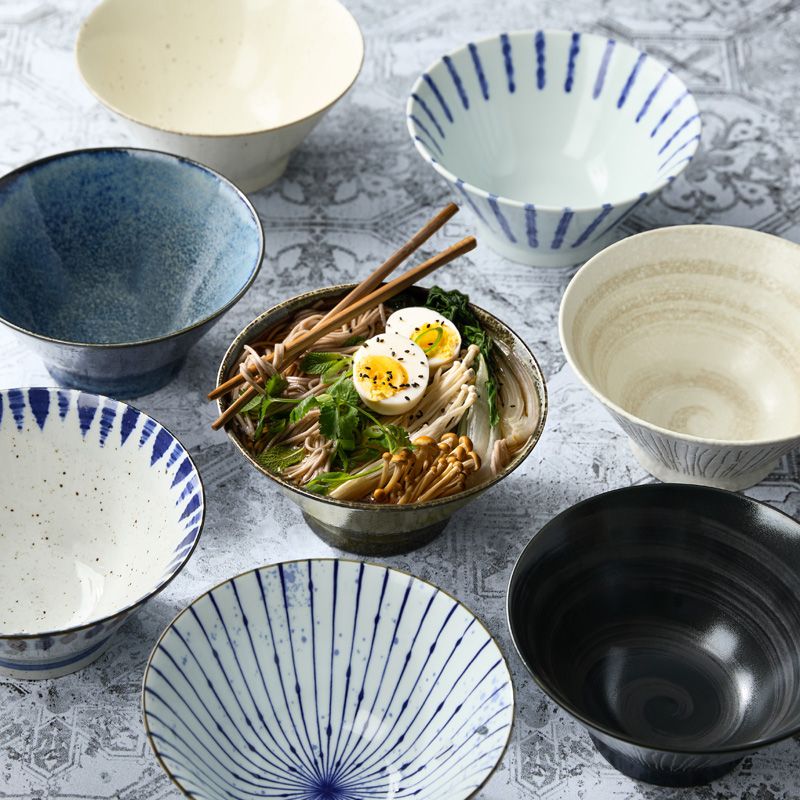
The topping of your bowl, carefully arranged in an elegant Japanese tableware, is the visual and flavour signature of your dish. Here are the best accompaniments for an exceptional ramen:
-
A few drops of toasted sesame oil on top of the broth just before serving.
-
Cubes of silken tofu or firm tofu lightly pan-fried.
-
A soft-boiled egg marinated in soy sauce (Ajitsuke Tamago) if you are not strictly vegan.
-
Crunchy vegetables: sweet corn pan-fried in soy butter, thinly sliced leeks or bamboo shoots (Menma).
Japanese craftsmanship in service of your kitchen
The success of your vegetarian miso ramen recipe depends on the soul of the ingredients you use. Umami cannot be faked. By choosing the finest products from our delicatessen, sourced from the purest Japanese artisanal tradition, you guarantee your guests an unforgettable culinary experience, where the absence of meat goes completely unnoticed in the face of the depth of flavour.
Frequently Asked Questions (FAQ) about Vegetarian Miso Ramen
How to achieve a thick vegetarian ramen broth?
To thicken a vegetarian broth without animal gelatine, the secret is to incorporate sesame paste (tahini or Neri Goma) or a very concentrated unsweetened soy milk into the aromatic base (Tare).
Can the vegetarian dashi be prepared in advance?
Yes, kombu and shiitake dashi is even better when prepared the day before. You can leave it to cold-infuse in your refrigerator for 12 to 24 hours for optimal flavour extraction.
Is vegetarian miso ramen naturally vegan?
The broth base (Dashi, Miso, Sesame) and the traditional noodles (wheat, water, kansui) are 100% vegan. Only the "toppings" (such as a soft-boiled egg or a knob of classic butter) can alter this status.
Which noodles to choose if fresh ramen noodles are not available?
If you cannot find fresh ramen noodles, opt for high-quality dried ramen noodles. Avoid soba noodles (buckwheat) or udon noodles (too thick) which are not traditionally paired with the intensity of miso broth.
Should the miso be boiled in the broth?
No, a quality miso should never be boiled. Boiling destroys its beneficial enzymes and alters the subtlety of its volatile aromas. That is why it is placed at the bottom of the bowl and diluted with the hot broth.
How to marinate tofu to add as a topping?
First press a firm tofu to remove excess water. Then marinate it for a few hours in a mixture of soy sauce, mirin and a few drops of sesame oil before pan-frying it.
How long can the broth be kept in the refrigerator?
The filtered dashi broth (without the noodles or miso paste) keeps perfectly for 3 to 4 days in the refrigerator in a glass bottle or airtight container.


