









A Japanese treasure combining tradition, freshness and culinary surprise
What is it?
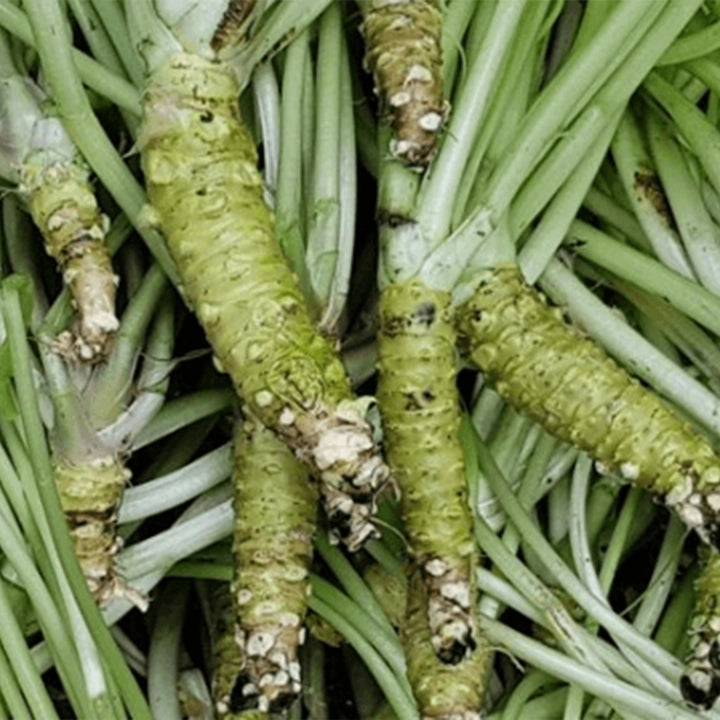
Real wasabi is a plant. This root originates from Japan. It belongs to the Japanese horseradish family, which is highly prized for its unique flavour and its many health benefits.
80 to 90% of fresh wasabi production is concentrated within Shizuoka prefecture. Around 800 families make their living from its cultivation. They have mastered the art of growing this delicate plant, which requires very specific soil and temperature conditions to thrive.
Cultivated for centuries, it is renowned for its pungent taste and medicinal properties.
Specific natural conditions required to grow wasabi
This Japanese spice, also known by its scientific name wasabia japonica, grows naturally in the mountainous regions of Japan.
The wasabi root requires specific natural conditions in order to develop. Its success depends notably on the presence of natural watercourses and springs, located on the cool slopes of mountains. Throughout all 12 months of the year, the water must maintain a constant temperature between 10 and 16°C.
A demanding cultivation
The wasabi terraces are harvested in their entirety, never partially. The harvested seeds will be replanted on free terraces and will be harvested 12 months later. This is the time required for wasabi to reach full maturity.
The soil is therefore composed of sand, rich in minerals and perfectly drained both in depth and at the surface.
The water is non-calcareous and very soft. The terraces are rich in natural nutrients. After the harvest, the sand on the terraces is washed with pressurised water to remove mud and silt. The cleaned terrace rests for one week before a new crop is planted.
.png)
Two cultivations, two identities
Hon wasabi is distinguished by two main cultivation methods that directly influence its taste:
1. River wasabi: authentic
Grown in mountain rivers at a constant temperature of 10 to 12°C, this wasabi grows slowly. It develops on a bed of gravel and sand, in shallow terraces.
This natural cultivation method, often at altitude, yields an exceptional wasabi. Free from bitterness, it offers an immediate freshness on the palate, followed by a burst of aromatic warmth. Its flavour profile is pure, clean, almost crystalline.
.png)
2. Field wasabi: irrigated cultivation
In the Nagano region, another more accessible method involves irrigating the plants in sandy, vegetable soil. Although easier to produce, this wasabi is earthier, with a pronounced bitterness and rawer aromas. It also contains fewer volatile compounds than its river-grown counterpart.
A fragile cultivation and a coveted product
Wasabi requires one to two years of cultivation to reach maturity. It is sensitive, both to natural predators such as deer… And to thieves! A rare and precious product, it grows slowly and under very specific conditions. Most cultivation takes place on terraces, with precise control of water flow.
A complex and pungent taste
Wasabi is not simply a nose-burning sensation! Its taste is complex, vegetal, fresh, with a pungent and volatile note that rises rapidly to the nose… Only to disappear just as quickly. Unlike chillies, its heat does not linger on the tongue: it explodes then fades.
Its taste is often described as intense, pungent and aromatic. Its fragrance can be described as herbaceous, floral and slightly earthy. A lively heat rises quickly to the nose, giving way to sweetness. Umami is very much present, thanks to this rich and flavoursome quality, while perfectly balancing its taste.
The river variety, the most authentic, offers a pure, gentle and subtly sweet attack, followed by a very clean aromatic burst. The field variety, more common, develops earthy and bitter notes, with a more pronounced pungency.
An essential condiment for sashimi or nigiri sushi, wasabi is a typically Japanese spice. Real wasabi is obtained by grating the root of the wasabi plant. It has a light, fruity aroma and a pungency that goes straight to the nose.
A versatile ingredient, far beyond sushi
The leaves, stems, root and flower can all be eaten. While wasabi often accompanies sushi and sashimi, it is no longer limited to the green paste slipped beneath raw fish. Its uses go far beyond Japanese restaurants:
- On grilled red meat or beef carpaccio, it enhances the flesh with great intensity.
- It enhances broths, dashi, and tartares (of meat, shellfish, vegetables, or even seaweed).
- It also accompanies grilled fish: mackerel, sardine, white fish… Or even roast chicken.
- It is also excellent for flavouring mayonnaises, crème fraîche, dressings...
In sweet creations, wasabi surprises: the Japanese have even made a KitKat with it! And more and more chocolatiers are daring to embrace this pairing.
Like mustard in France, wasabi is a true flavour enhancer: it amplifies without masking, and awakens without overpowering.
New forms for new uses
Discover our products made from authentic Japanese wasabi.
The famous wasabi paste
For many novices, wasabi is a spicy green paste served with sushi… In 95% of cases outside Japan, it is not wasabi at all, but a mixture of horseradish, mustard and colouring. So, what is real wasabi and how is its paste so different?
Horseradish vs wasabi: the great confusion
Horseradish, a European plant related to wasabi, has a strong, lasting pungency and a pronounced bitterness. Less subtle, it is more aggressive, without the mentholated freshness typical of real wasabi.
The industrial pastes found in supermarkets or in many restaurants are generally made from horseradish. Green colouring (to mimic wasabi), starch or thickeners, and artificial flavourings are often added.
The powder very rarely contains more than 2 to 10% real wasabi, the remainder being dehydrated horseradish. It reproduces neither the freshness nor the aromatic complexity of freshly grated rhizome.
Why choose real wasabi paste?
Because it transforms the culinary experience:
- It respects the flavours of food (particularly raw fish, meats, vegetables or shellfish).
- It acts as a natural flavour enhancer, in the manner of a mild mustard, without overpowering.
- It offers a unique aromatic dimension, sought after in gastronomy.
At Nishikidôri, we offer hon wasabi paste made from real wasabi all year round.
Wasabi oil
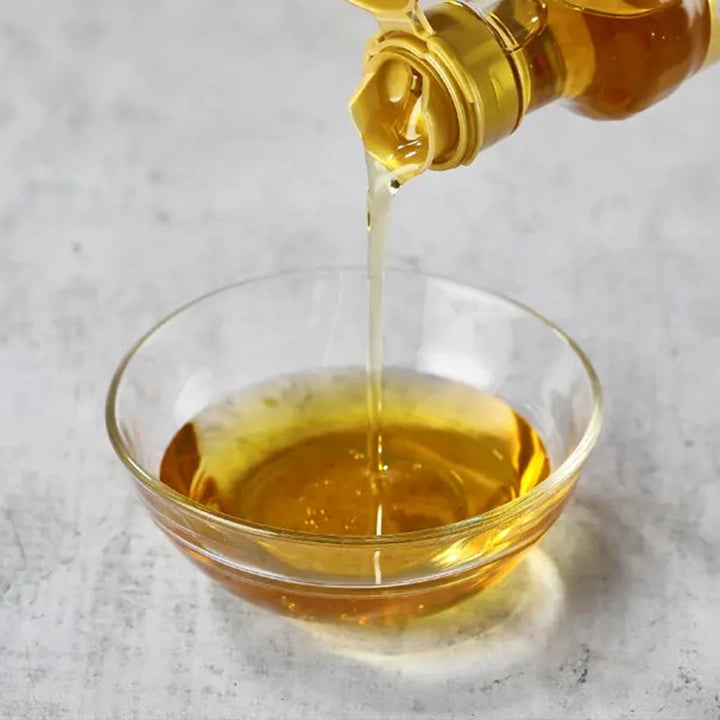
A modern, practical and surprising way to enjoy the aromas of wasabi. It is finely grated, then cold-infused in a mild rice oil. Wasabi oil blends perfectly into a dressing, a broth, a mayonnaise or a sauce. It enhances a dish without the sometimes overpowering pungency of the paste. It is more affordable than the pure rhizome as it can be preserved for longer.
Wasabi sesame seeds:
Wasabi sesame seeds are an example of the Japanese mastery of seasoning. Rooted in the furikake tradition, they combine crunch, aromatic intensity and finesse in a fun, ready-to-use format. Wasabi sesame seeds enhance a wide variety of dishes: white rice, pasta, marinades, grilled fish and meats, homemade breads, cheeses, salads...
Sauces and dressings:
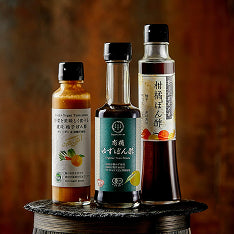
Wasabi lends itself brilliantly to the form of wasabi sauce and ready-to-use dressings. Paired with other noble ingredients such as yuzu juice, it reveals its full complexity: delicate pungency, vegetal freshness and deep umami.
In everyday cooking as well as creative gastronomy, wasabi oil becomes an ingredient of surprise, convenience and immediate aroma.


