







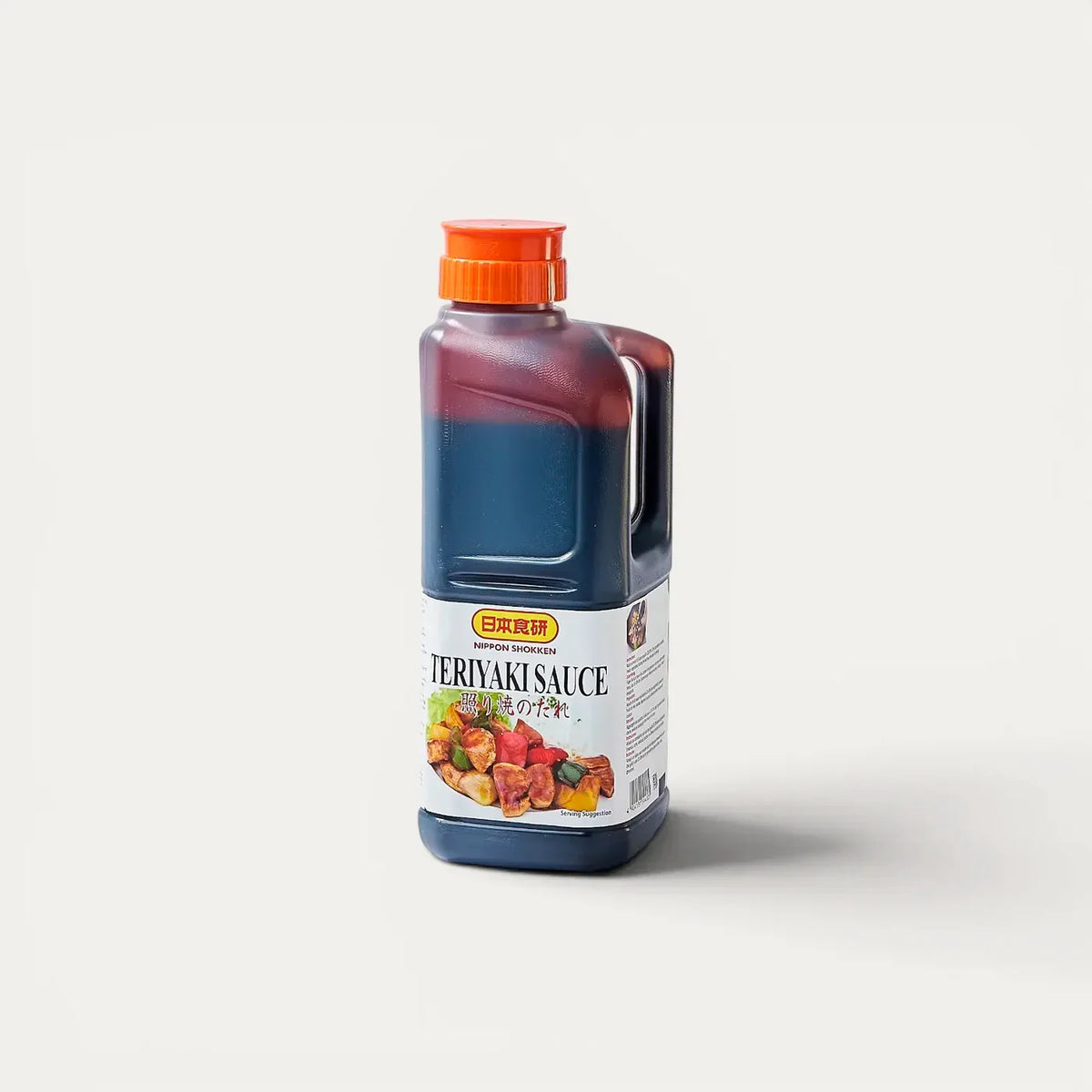

Finding the best teriyaki sauce on the European market can be a challenge amid the abundance of ultra-processed products. At Nishikidôri, we champion a return to authenticity. This guide helps you read labels and choose an exceptional product that respects Japanese culinary traditions and brings out the best in your marinades and cooking.
What makes an authentic traditional Japanese marinade?
A true Japanese-style glaze does not require a lengthy ingredient list. An authentic marinade rests on the perfect balance of four essential ingredients, often missing from ordinary supermarket shelves:
- An authentic Japanese soy sauce (shoyu) that provides a deep, savoury base.
- Genuine artisanal mirin, a sweet rice wine that adds shine and natural sweetness.
- A little cooking sake to tenderise the flesh and remove strong odours, particularly from fish.
- Pure sugar (traditionally cane sugar or brown sugar) to help create a caramelised texture.
Ingredients: avoid industrial additives and thickeners
The label reveals the difference between an exceptional product and a standardised one. All too often, the food industry replaces natural fermentation with chemical substitutes and inexpensive thickeners to imitate the intensity of umami.
| Criteria | Authentic artisanal teriyaki sauce | Industrial teriyaki sauce |
|---|---|---|
| Texture | Runny, thickening naturally when heated and reduced. | Gelatinous when cold (contains cornflour or gums). |
| Storage | Natural, thanks to the salt and alcohol in the sake and mirin. | Added chemical preservatives (potassium sorbate, etc.). |
| Sweetness | Complex sweetness from pure mirin and cane sugar. | Flat, cloying flavour caused by ubiquitous glucose-fructose syrup. |
How can you use this condiment to bring out the best in your dishes?
This exceptional product has uses far beyond simple teriyaki chicken. Its remarkable ability to caramelise during cooking makes it a valuable addition to many dishes.
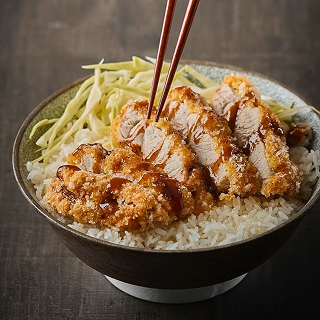
- White meat: Ideal for glazing yakitori skewers or roasting poultry thighs until tender and glossy.
- Salmon and oily fish: The sugar and soy sauce perfectly balance the richness of the fish, making it delicious when cooked on a Japanese barbecue.
- Vegetarian alternatives: Perfect for glazing thick slices of aubergine, crispy fried tofu or wok-fried shiitake mushrooms.
Artisanal excellence: our master brewers’ choice
At Nishikidôri, our commitment to importing directly allows us to work with passionate artisan brewers, true guardians of Japan’s regional traditions. Our sauces are most often aged for a long time in cedar barrels (kioke), allowing their aromas to mellow gradually and develop a depth of flavour that modern industrial production cannot match.
Frequently asked questions
What is the difference between soy sauce and teriyaki sauce?
Soy sauce (shoyu) is a salty staple condiment made by fermenting soybeans and wheat. Teriyaki sauce, by contrast, combines soy sauce, mirin, sake and sugar. It is used to glaze food, giving it a glossy, sweet-and-savoury coating.
Should this condiment be refrigerated after opening?
Yes. As artisanal products contain no artificial preservatives, refrigerate the bottle after opening to preserve its aromas and prevent premature oxidation.
Can it be used as a dipping sauce for sushi?
No, that is not its traditional use. It is a marinade designed for cooking and glazing over heat. To dip sushi or sashimi, choose a classic soy sauce or a citrus ponzu sauce instead.
Does authentic glazing sauce contain gluten?
Yes, because it is made with traditional soy sauce, which contains fermented wheat. Gluten-free versions do exist, however, made with tamari soy sauce (brewed from 100% soybeans, without wheat).
How can you thicken the marinade without additives?
Simply heat it over a low or medium heat in your pan towards the end of cooking. As the water evaporates and the sugars, particularly those in the mirin, concentrate naturally, the sauce reduces to a syrupy glaze for your meat, without flour or starch.
In summary
A good teriyaki sauce needs just four ingredients: soy sauce, mirin, sake and sugar. Avoid long ingredient lists and thickeners, and let reduction do the work.


