







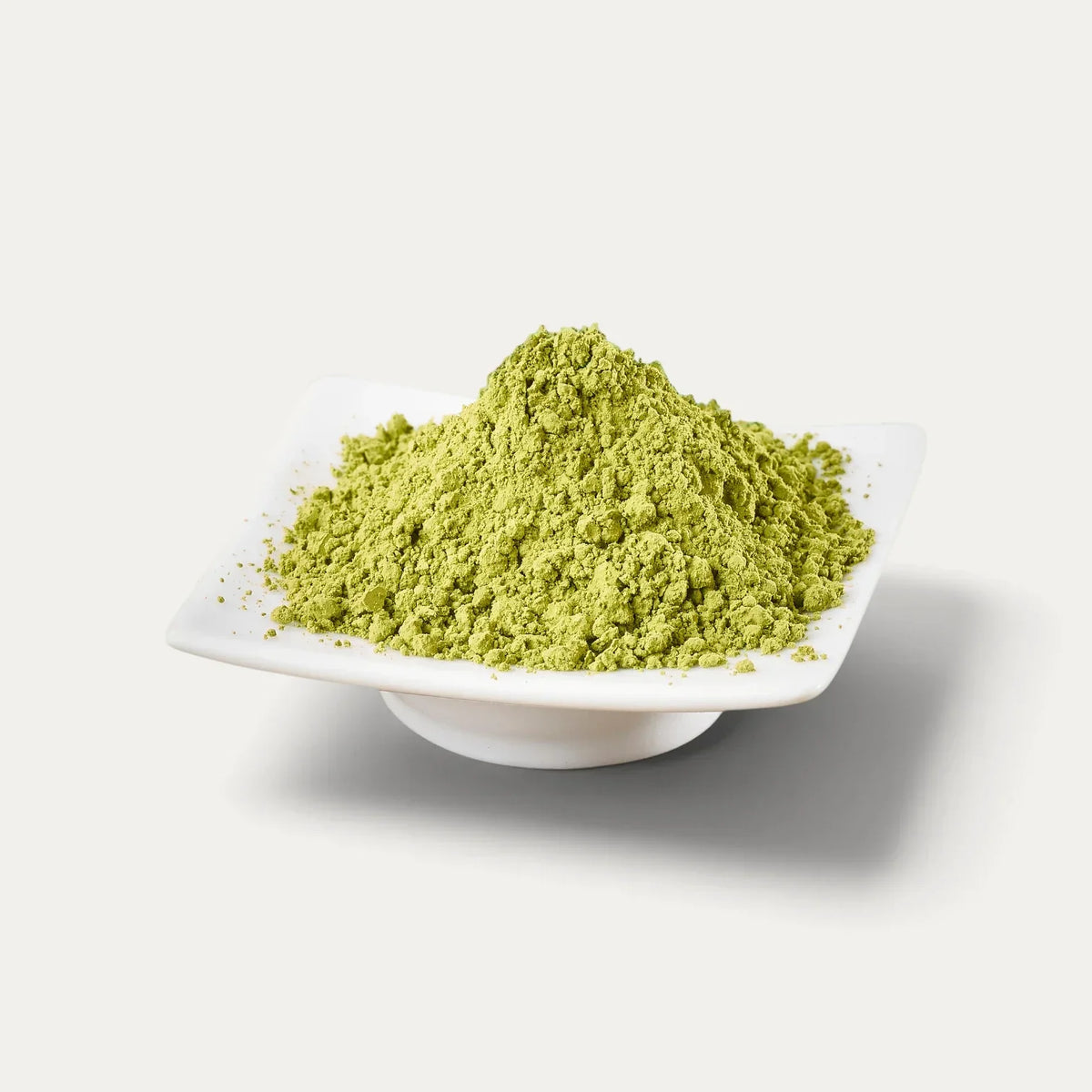

Faced with global enthusiasm for Japan's green gold, the market has been flooded with poor-quality powders, often mass-produced or made outside the Japanese archipelago. Finding the best matcha tea has become a real challenge for food lovers seeking authenticity. Yet when grown according to tradition, this exceptional powdered green tea offers an unforgettable sensory experience.

The Nishikidôri tasting committee has audited and selected the purest crus. From the Uji terroir to the Shizuoka gardens, explore our expert comparison and learn how to choose from our authentic Japanese matcha teas to elevate your tea ritual.
Summary: the best matcha teas
Whether you are a purist of the tea ceremony or passionate about modern culinary creations, ceremonial grade and artisanal standards should guide your choice. Here is a summary of our recommendations.
| Category | Recommended product | Taste profile | Ideal use |
|---|---|---|---|
| Absolute excellence | Seiun or AFO ONE matcha tea | Pure umami, velvety texture, very long and sweet finish. | Pure tasting (koicha), meditation, traditional ceremony. |
| The best organic | Organic matcha tea | Fresh vegetal notes, perfect balance, light and digestible. | Everyday use, light preparation (usucha) with hot water. |
| The best blend | Matcha tea with yuzu | The tea's noble bitterness highlighted by citrus acidity. | Cold brews, fine pastries, ganaches. |
| The best for lattes | Culinary matcha | Robust, distinct grassy notes that cut through milk. | Matcha lattes, smoothies, gourmet cuisine. |
The 3 definitive criteria for recognising exceptional matcha
The excellence of a powder is never down to chance. It is the result of strict specifications that only a few Japanese master growers still uphold today.

Shading and harvest (ichibancha)
Authentic matcha is not made from standard green tea leaves (sencha), but from tencha. About three weeks before harvest, the bushes are covered with shade cloths to shield them from direct sunlight. This light stress forces the plant to produce maximum chlorophyll and amino acids. To achieve the finest vintage, only the spring harvest (ichibancha), comprising the year's tenderest young shoots, is used.
Geographical origin
Terroir is essential. Historical regions such as Uji (Kyoto Prefecture), Shizuoka, or Kagoshima offer misty climates and mineral-rich volcanic soils, which are vital for giving the leaves their aromatic complexity.
Traditional stone milling
This is the final step that separates industrial production from genuine craftsmanship. The deveined leaves must be ground using a genuine granite stone mill, turning at an ultra-slow pace (about 30 to 40 grams of powder per hour). This cold friction ensures the powder never burns. It is this meticulous process that preserves the umami flavour and the brilliant emerald-green colour.
Our detailed ranking of the best Japanese crus
The best ceremonial-grade matcha
For a tasting experience in the purest traditional style (whisked solely with water at 75°C), the Prestige range crus are a must. A ceremonial-grade matcha develops notes of sweet seaweed and young shoots on the nose. On the palate, no astringency disrupts the experience: the texture is creamy and the finish reveals a fascinating natural sweetness.
The best organic matcha
If you drink green tea every morning for its detoxifying benefits, an organic certification guarantees uncompromising purity. Our organic matcha features a bright green colour. Its powder dissolves beautifully, making a refreshing, light, and deeply comforting drink to start the day.

The best matcha for creative recipes
Pairing tea with milk or sweet preparations requires a powder with a bolder personality. A grade that is too delicate would see its aromas overpowered by dairy fats. Opt for premium grades specifically crafted to enhance the richness of an iced matcha latte recipe, or try daring creations with yuzu zest or ginger ground directly with the tea leaves.
The fatal mistake: avoid yellowish and bitter powders
On the European market, many powders sold under the name matcha are actually regular green teas ground industrially. How can you spot them?
First, rely on colour: a grand cru is a vivid, almost neon green. If your powder leans towards khaki green, yellow, or brown, it is oxidised or made from older, poorly shaded leaves. Next, trust the taste: an aggressive bitterness that dries out the mouth and tastes like hay is the unmistakable hallmark of a low-quality product. A genuine Japanese cru is sweet, vegetal, and well-rounded.
Matcha selection FAQ
How much does good matcha tea cost?
Artisanal excellence comes at an incompressible cost, driven by hand-picking and ultra-slow granite stone milling. An authentic entry-level Japanese ceremonial grade typically costs around €25 to €30 for a 30-gram tin. Exceptional grand crus from award-winning micro-lots can exceed €100 for the same quantity.
What is the difference between culinary matcha and ceremonial grade?
Ceremonial grade is harvested in spring and uses only the tender heart of the leaf, offering sheer sweetness. Culinary grade often comes from the second or third summer harvest. Its leaves have received more sunlight, producing more catechins, which make it stronger and more astringent. It is specifically formulated to flavour cakes or ice creams without its taste disappearing during cooking.
Is Chinese matcha equivalent to Japanese matcha?
The word "matcha" is Japanese and refers to specific craftsmanship (shading, steaming). The vast majority of Chinese powders are dry-roasted and rarely shaded to strict Japanese standards. The flavour profile is therefore very different, often more bitter and lower in umami.
How to store matcha tea properly?
Matcha is extremely delicate. To preserve its colour and antioxidants, it must be stored in its original, airtight tin and kept strictly in the refrigerator. Take it out a few minutes before tasting to let it return to room temperature.
What equipment is essential for preparing the best matcha?
To achieve the creamy froth that is the hallmark of the drink, using a traditional bamboo whisk (chasen) is essential — available in our matcha tea sets. Its dozens of fine tines are uniquely capable of breaking up micro-clumps and frothing the liquid without altering the tea's taste, unlike a spoon or metal whisk.


